1.The Importance of Accessible Astronomy
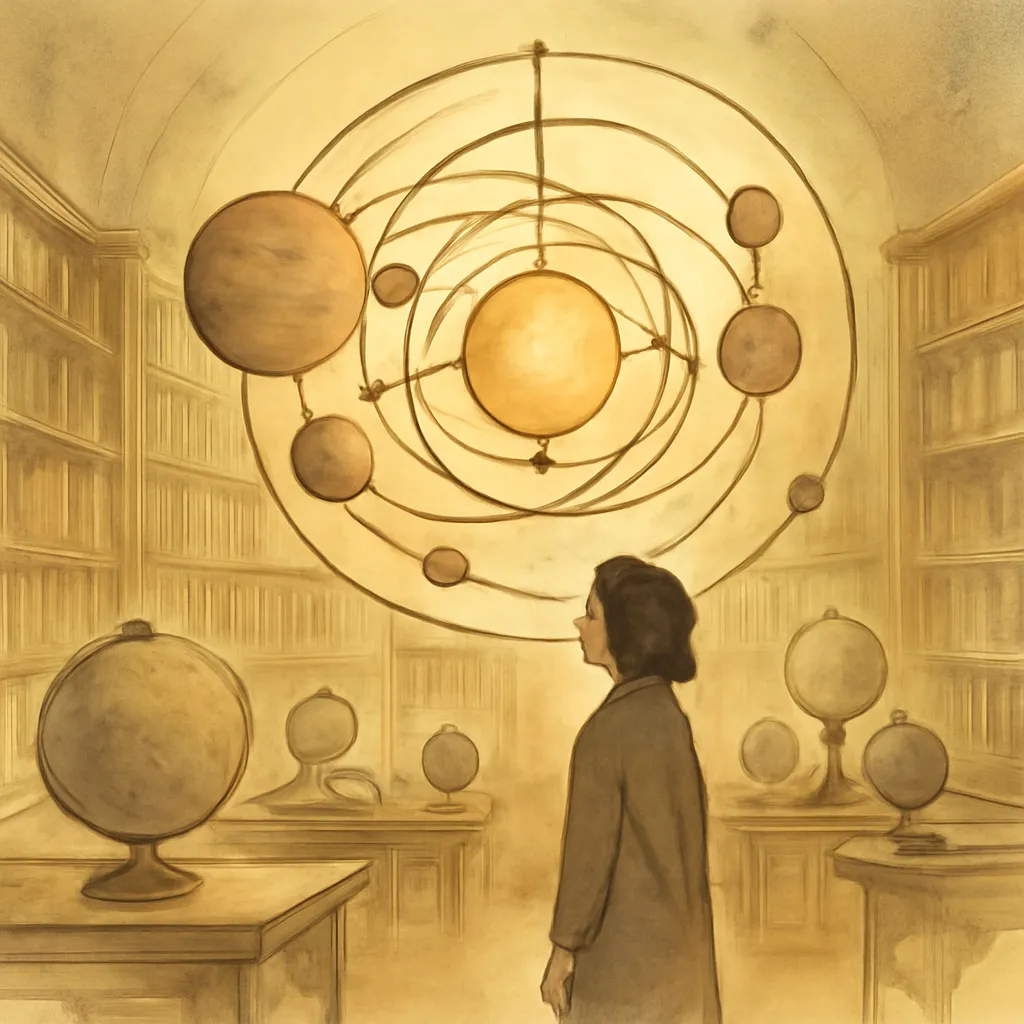
Mark Wicks emphasizes the need for astronomy to be presented in a way that is understandable to everyone, not just the scientifically literate. Many people harbor a fascination for celestial bodies, especially the Moon and Mars, yet they often find traditional textbooks overwhelming and inaccessible. By crafting a narrative that intertwines scientific facts with storytelling, Wicks opens the door for a broader audience to engage with astronomical topics. The characters’ conversations and experiences serve as a vehicle for delivering complex ideas in a digestible format, thereby bridging the gap between expert knowledge and public curiosity. This approach not only makes astronomy approachable but also ignites a passion for learning more about the universe. For instance, conversations between the characters reveal their thoughts and feelings about celestial phenomena, inviting readers to share in their wonder and curiosity.
2.The Journey Begins: Setting the Stage for Exploration
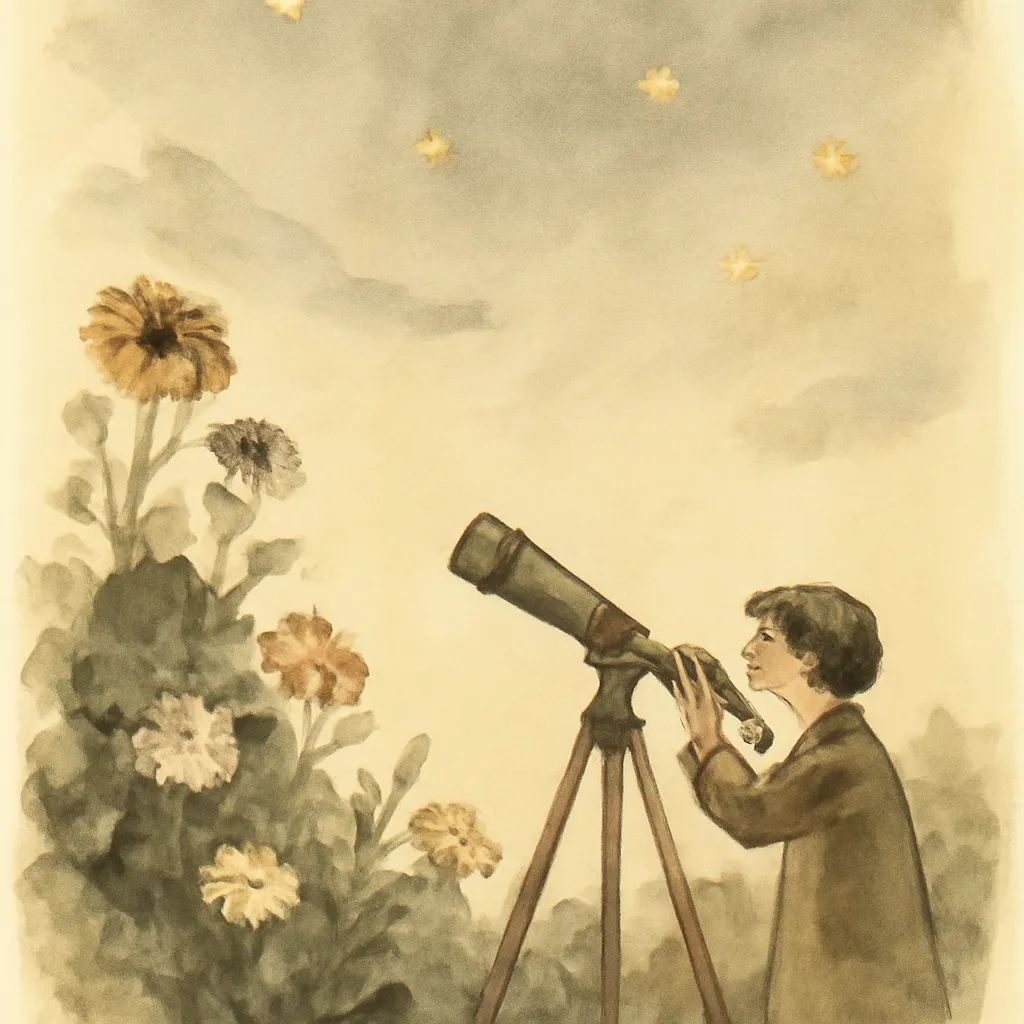
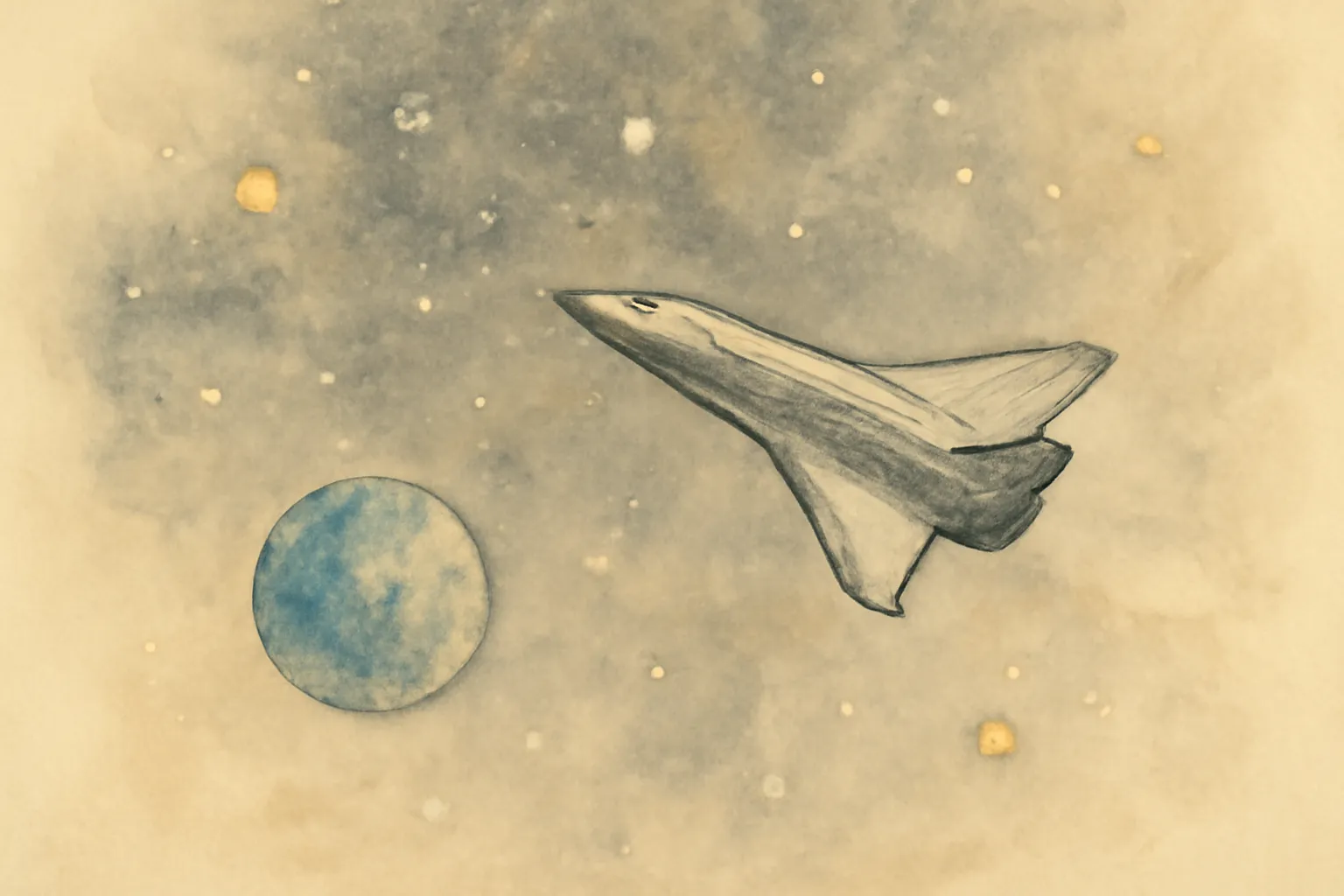
The narrative kicks off with the protagonist, Wilfrid Poynders, and his friend John Yiewsley Claxton preparing for their interplanetary voyage. The excitement of embarking on a journey to Mars is palpable, and Wicks paints a vivid picture of the serene beauty of Earth as the characters set out. The anticipation of the adventure ahead is heightened by the descriptions of the evening sky, the colors of the sunset, and the calm before the departure. This initial setting not only establishes the characters’ emotional state but also serves to remind readers of the beauty of Earth, making the eventual journey to other celestial bodies even more poignant. The meticulous preparations and the camaraderie between the characters underscore the human spirit of exploration and adventure. As they gather their equipment and reflect on their goals, readers are drawn into a world where dreams of space travel come to life, setting the tone for the grand adventure to follow.
3.The Moon: A Close Encounter
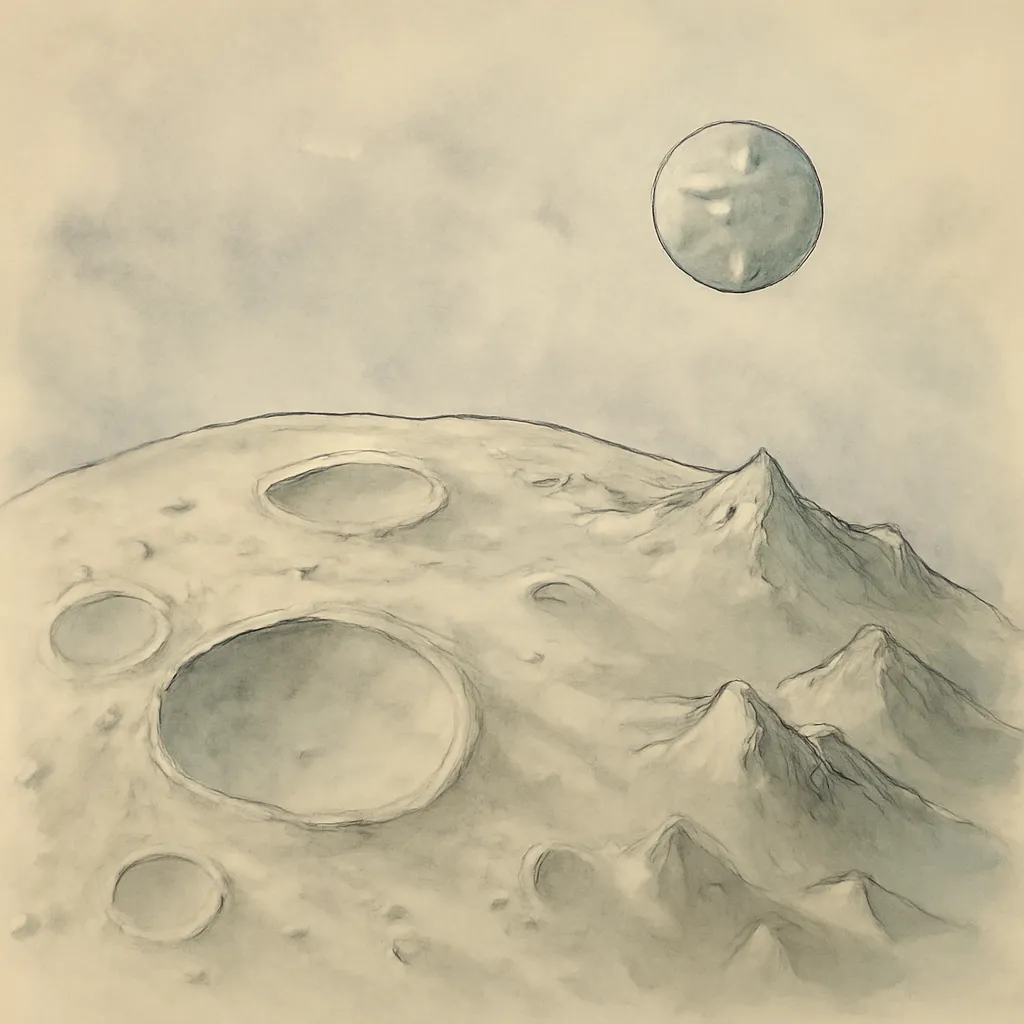
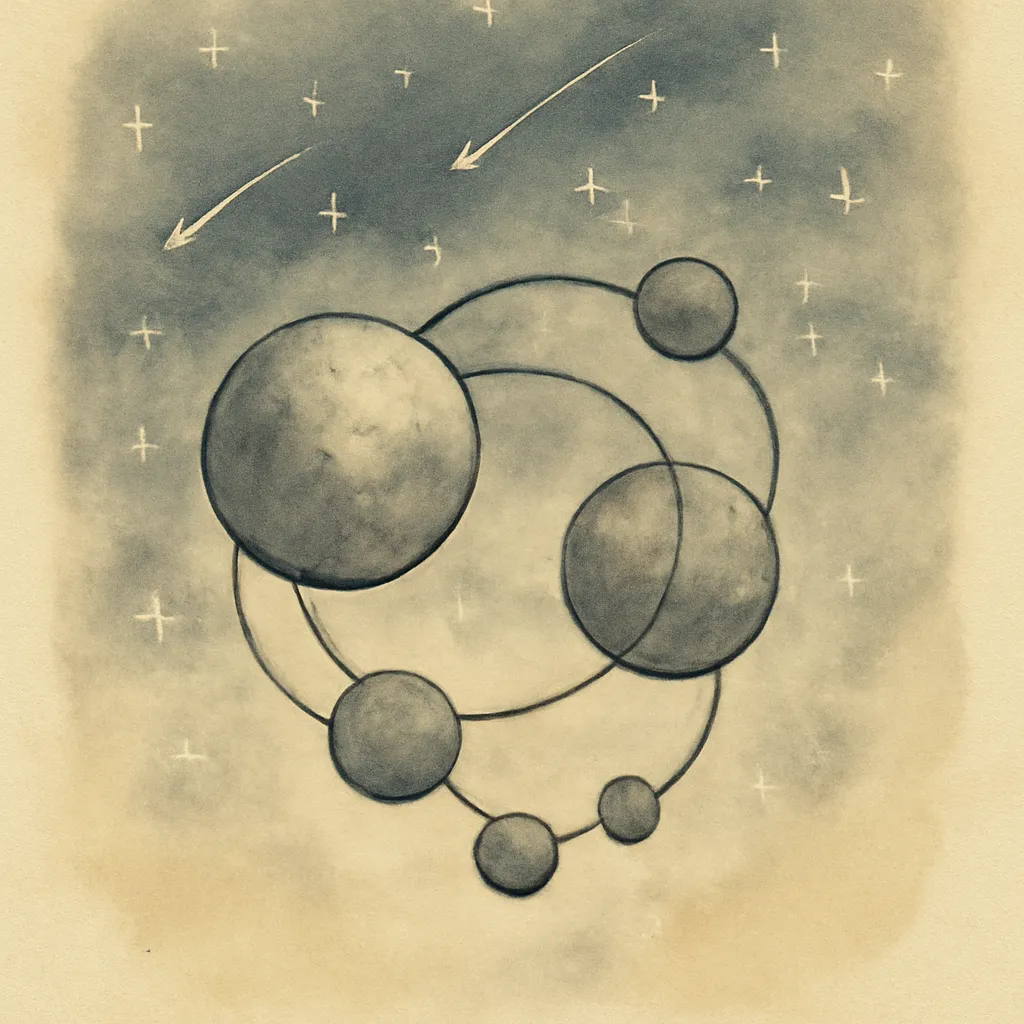
As the travelers approach the Moon, Wicks provides a detailed description of this celestial body, bringing its features to life for the reader. The characters observe the Moon's surface, noting its mountains, plains, and the stark contrasts created by the absence of an atmosphere. The author explains the physical dimensions of the Moon, such as its diameter and mass, in a way that is engaging and informative. Poynders shares fascinating facts about the Moon's distance from Earth, its gravitational differences, and how these factors affect the perception of its size from various vantage points. This close encounter serves not only to entertain but also to educate readers about the Moon's characteristics. For example, the shadows cast by lunar mountains are described in a way that reveals their dramatic impact, showing how the lack of atmosphere on the Moon creates sharp contrasts. This part of the journey emphasizes the importance of direct observation in the study of astronomy and encourages readers to appreciate the complexities of celestial bodies.
4.Lunar Mysteries and Features
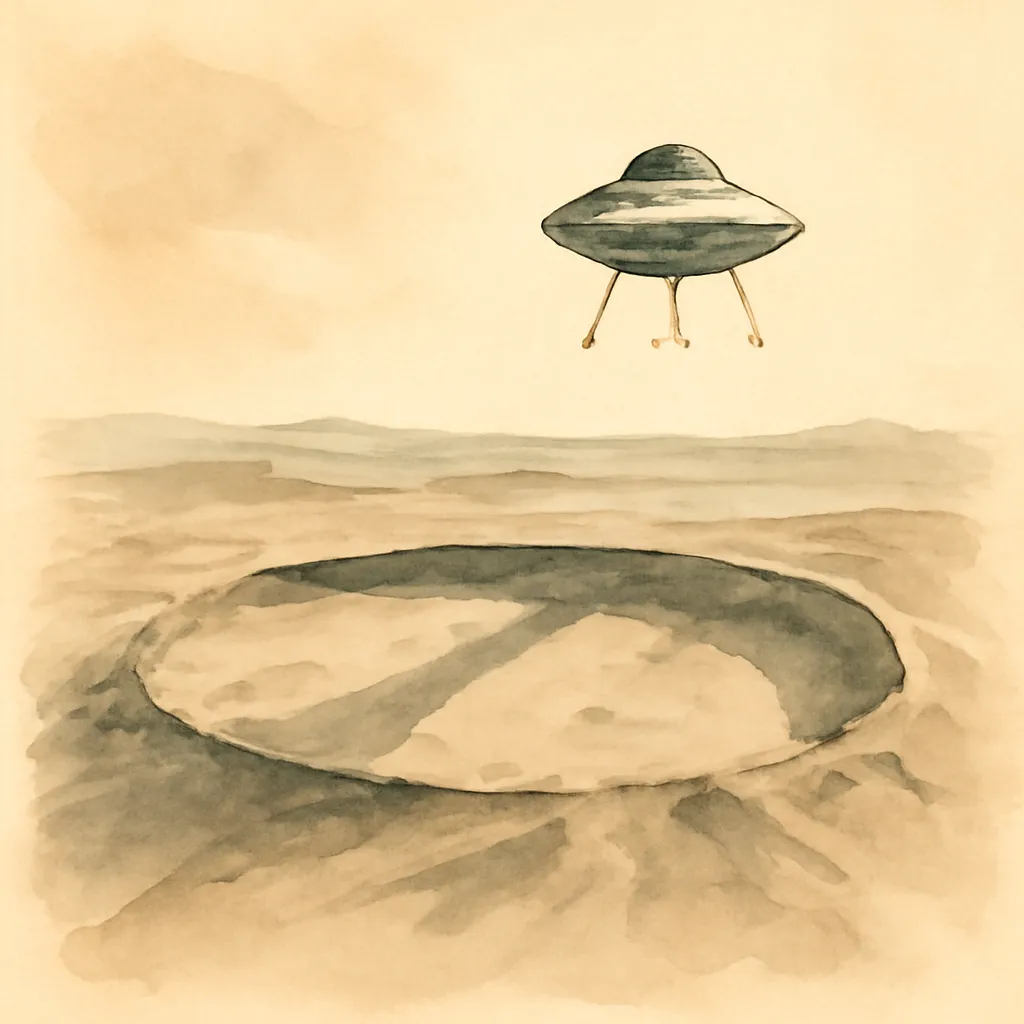
The narrative delves into specific lunar formations, such as Plato and Grimaldi, as the characters explore the Moon’s surface. Poynders describes these features with a mix of scientific rigor and narrative flair, capturing the imagination of the readers. The walled plain of Plato, for instance, is depicted as a mysterious and beautiful formation that invites curiosity. Wicks uses these descriptions to highlight the Moon's geological history and the ongoing mysteries that it presents to scientists. The interplay between observation and interpretation showcases the scientific process, illustrating how knowledge is built over time through exploration and inquiry. As the characters observe these formations, they also engage in discussions about their origins, inviting readers to ponder the nature of scientific discovery. The way the characters react to various lunar features adds emotional depth to their exploration, making the science feel alive and relevant.
5.The Transition to Mars: A Cosmic Perspective
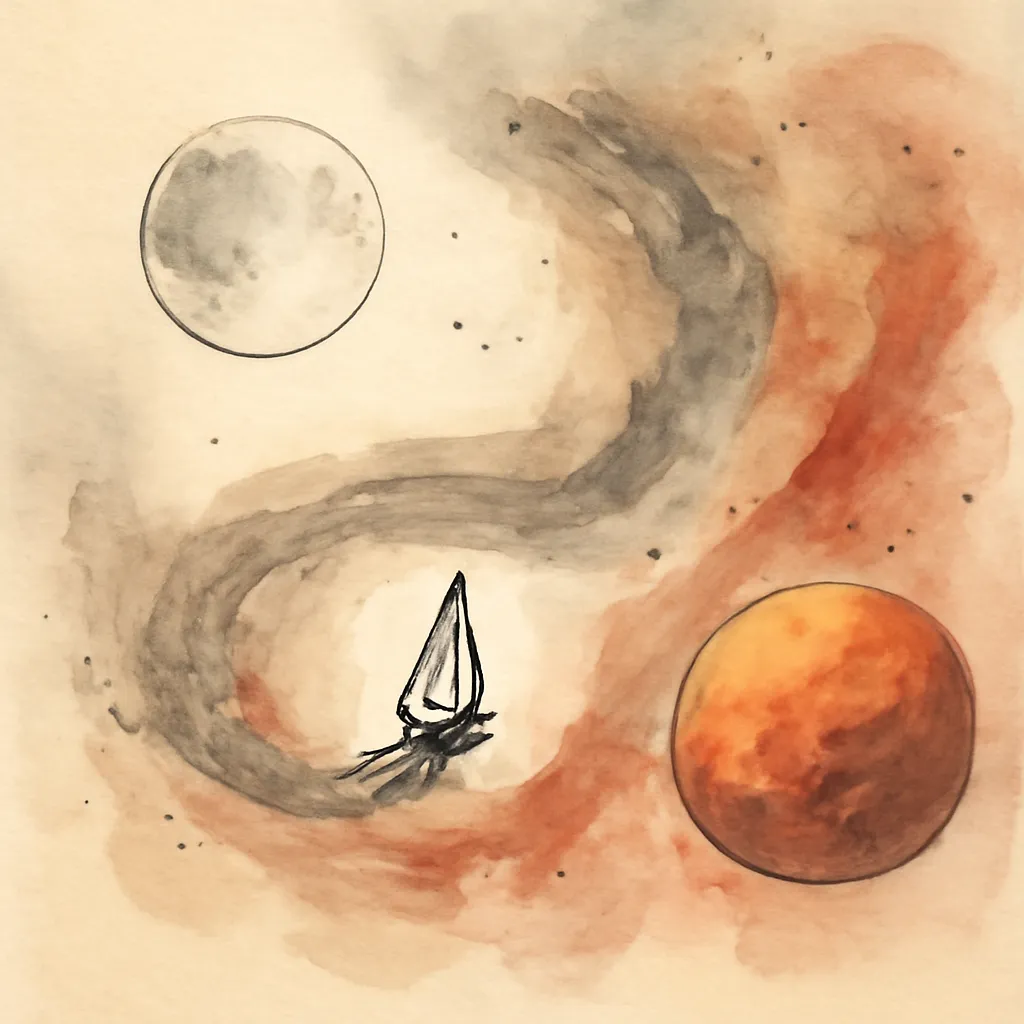
After their lunar exploration, the journey shifts focus to Mars, with the characters setting their sights on the Red Planet. Wicks contrasts the experiences of traveling through space with the excitement of approaching a new world. The narrative captures the awe of seeing Mars from a distance and the anticipation of what lies ahead. As they navigate through the cosmos, the characters reflect on the significance of their mission and the mysteries that Mars holds. This transition is marked by a sense of wonder and exploration, encouraging readers to share in the excitement of discovery. The characters’ dialogue reveals their hopes and fears about what they might encounter, making the impending arrival at Mars feel momentous. This part of the journey emphasizes the importance of curiosity and the desire to push boundaries in the pursuit of knowledge, reminding readers that exploration often involves both excitement and trepidation.
6.The Martian Landscape: A New World Revealed
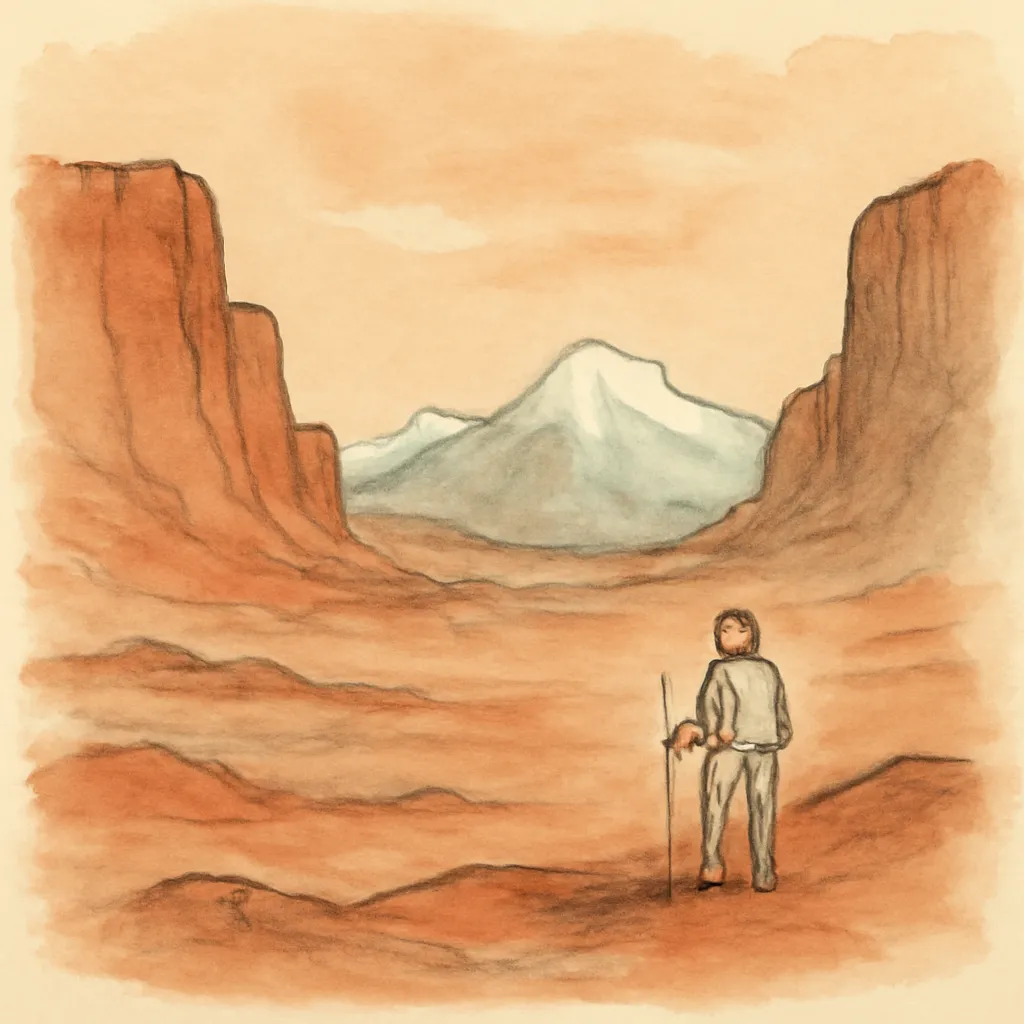
Upon reaching Mars, the characters are met with a breathtaking view of the planet's surface, filled with details that spark wonder and curiosity. Wicks describes the intricacies of the Martian landscape, including its polar ice caps, vast plains, and the infamous canals that have sparked debates among scientists. The narrative provides a balanced perspective on the varying interpretations of Mars, from the potential for life to the geological processes that shape its surface. Through the characters’ observations and discussions, readers gain a deeper understanding of Mars's environment and the significance of its features. For example, the visibility of the canals and the patterns of vegetation inspire debates among the characters about the possibility of Martian civilization. This exploration not only informs readers but also invites them to ponder the possibilities of extraterrestrial life and the future of human exploration on Mars.
7.The Great Martian Controversy: Lines on the Surface
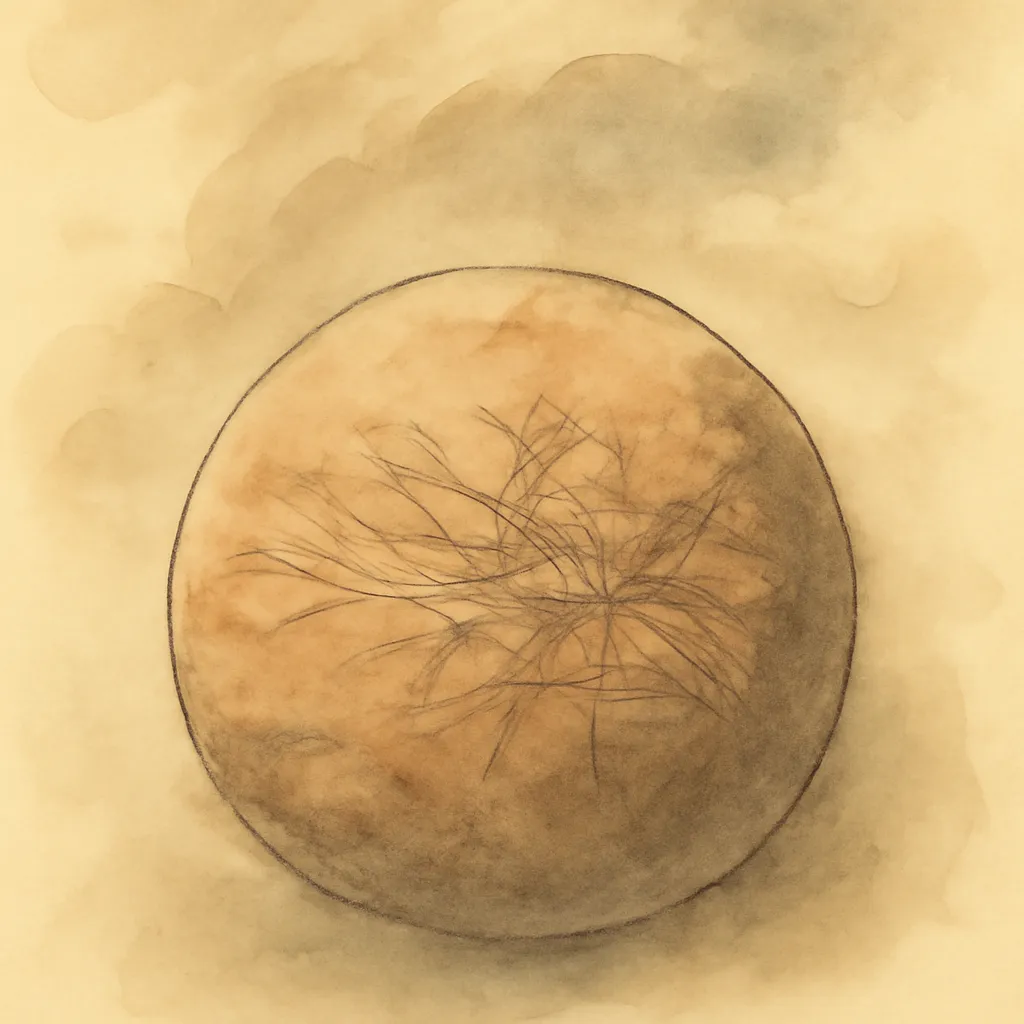
One of the most compelling aspects of the narrative is the introduction of Schiaparelli's lines on Mars, which have led to significant debate within the scientific community. The characters engage in discussions about the implications of these lines, considering whether they are natural formations or evidence of intelligent life. Wicks skillfully weaves in historical context, detailing how the discovery of these lines has polarized astronomers for decades. The narrative presents both sides of the argument, encouraging readers to think critically about the evidence and the nature of scientific inquiry. For instance, Poynders elaborates on the various interpretations of the lines, from the idea of them being irrigation canals to suggestions of advanced engineering by possible Martian inhabitants. This ongoing debate serves as a reminder of the complexities involved in understanding other worlds and the assumptions that can influence our interpretations of data, prompting readers to consider the role of perception in scientific observation.
8.Encounters with Martian Civilization
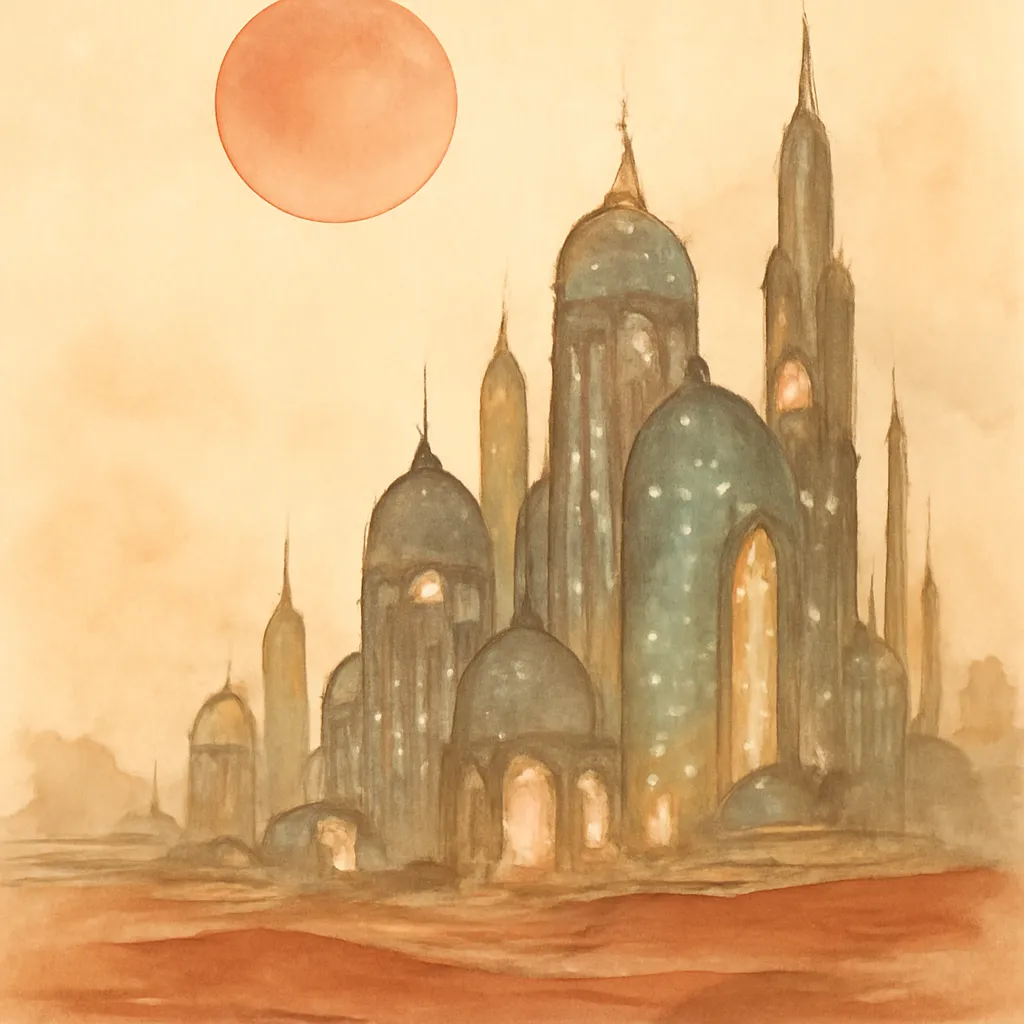
As the characters land on Mars, they are greeted by the inhabitants, leading to a series of fascinating interactions that reveal the complexities of Martian society. Wicks portrays the Martians as advanced beings with a rich culture, showcasing their architecture, social structures, and technological advancements. Through the eyes of Poynders and Claxton, readers witness the stark contrasts between Earth and Mars, particularly in terms of governance and societal values. The Martian Council, which operates on principles of equality and communal welfare, prompts reflections on the social and political systems of Earth. Wicks uses these encounters to raise questions about the nature of governance and the responsibilities that come with leadership. This examination of Martian society challenges readers to reflect on their own social structures and consider alternative forms of organization that prioritize the welfare of the community.
9.The Intersection of Science and Emotion
Throughout the journey, Wicks masterfully intertwines scientific exploration with personal narratives and emotional depth. The characters' friendships and relationships play a crucial role in the story, illustrating the human experience amidst the vastness of space. Wilfrid's reunion with his son, now known as Merna, adds a poignant layer to the narrative, emphasizing themes of love, loss, and connection across worlds. This emotional resonance enhances the scientific exploration, reminding readers that the pursuit of knowledge is deeply intertwined with human experiences and relationships. Wicks effectively showcases how the cosmos can evoke profound feelings, making the journey not only a physical exploration but also a journey of the heart. The way the characters support each other through challenges and discoveries highlights the importance of companionship in the journey of exploration.
10.Reflections on Humanity and the Cosmos
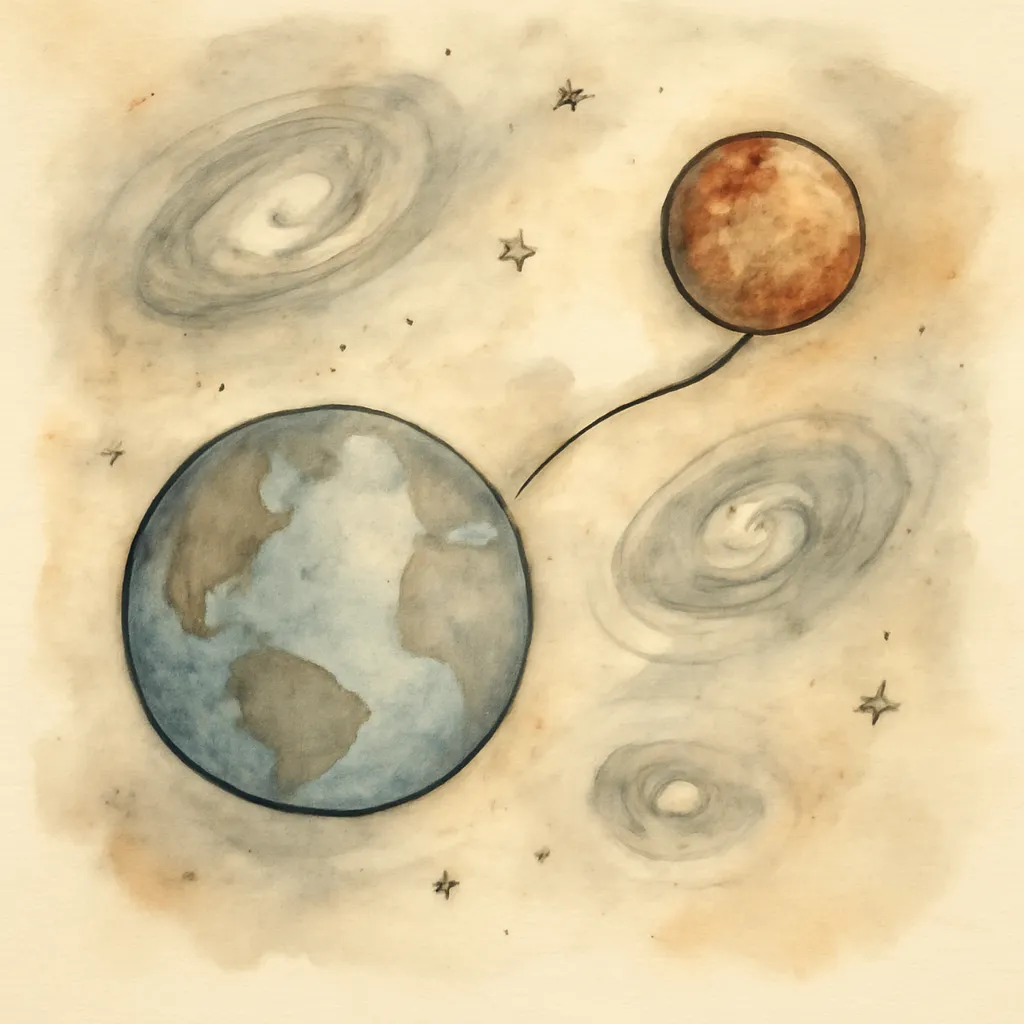
The narrative culminates in a philosophical exploration of humanity's place in the universe. Through discussions with Martian leaders and experiences on Mars, the characters reflect on the nature of existence, the pursuit of knowledge, and the interconnectedness of all beings. Wicks challenges readers to think about the implications of their discoveries and the moral responsibilities that come with exploration. The story encourages contemplation of the future of interplanetary relations and the potential for collaboration between Earth and Mars. This overarching theme of unity and understanding resonates deeply, as it highlights the importance of empathy and cooperation in the face of the unknown. The final reflections serve as a call to action for readers to embrace curiosity and seek knowledge while fostering connections across boundaries. This philosophical depth elevates the narrative beyond mere adventure, inviting readers to engage with the existential questions that arise from exploring the cosmos.