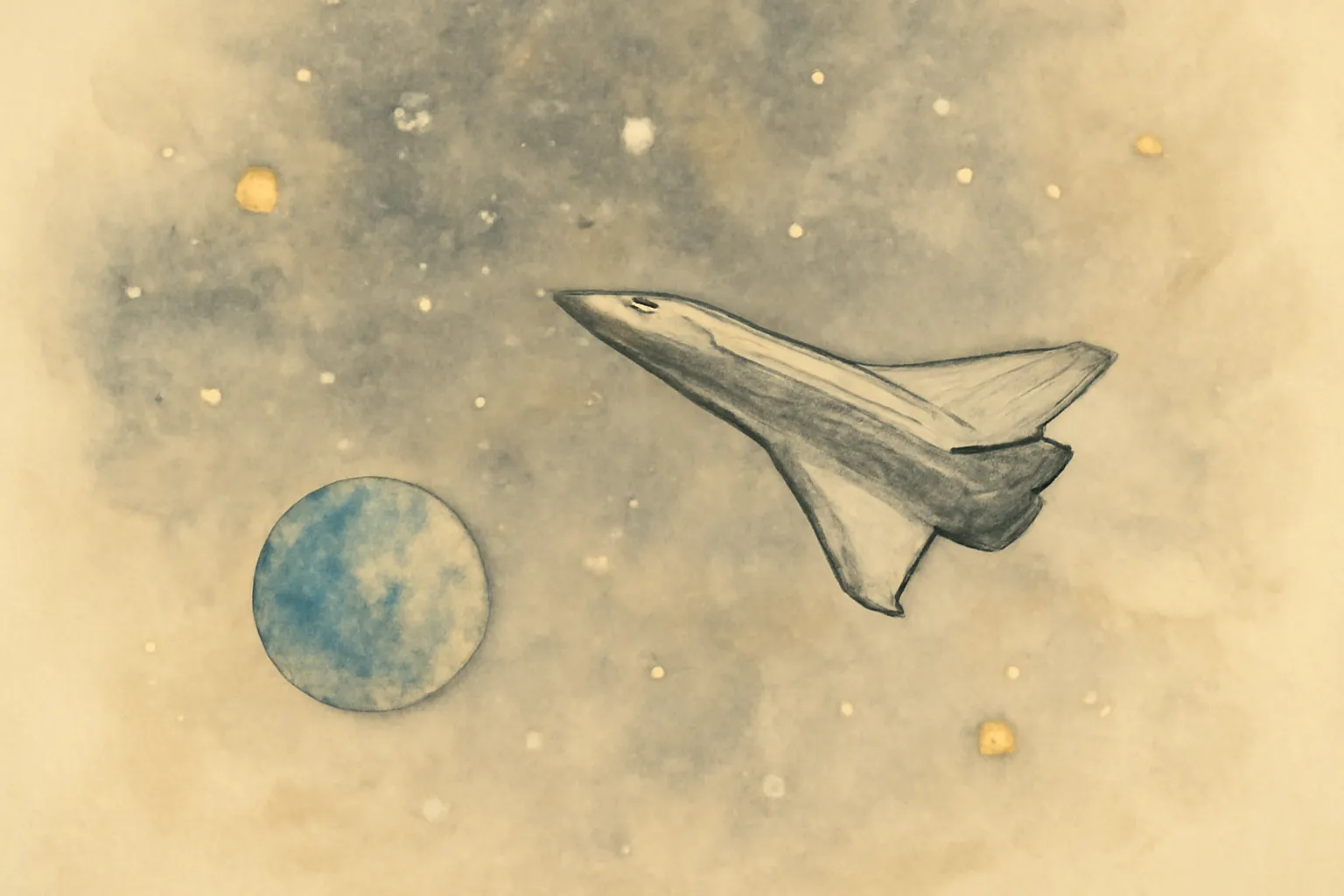
To Mars via the Moon: An Astronomical Story invites readers to experience a fictional voyage that combines vivid storytelling with scientific insights into the cosmos. The narrative follows Wilfrid Poynders, a passionate astronomer, and his companions as they venture through space, uncovering the beauty of the Moon and the intrigue of Mars. This journey is not just a tale of exploration; it's an enlightening exploration of astronomical concepts presented in an accessible manner. As readers navigate the stars alongside the characters, they will gain a deeper understanding of our celestial neighbors, their features, and the ongoing debates surrounding them, particularly Mars. This book serves as both an adventure and a primer on astronomy, ensuring that readers are both entertained and educated about the universe beyond our own.
To Mars via the Moon is more than just a science fiction narrative; it is a profound exploration of the cosmos that intertwines scientific discovery with the essence of the human experience. Wicks successfully captures the awe of space travel while addressing significant themes such as friendship, societal structures, and our place in the universe. The journey from Earth to Mars serves as a metaphor for humanity's ongoing quest for knowledge and understanding, urging readers to embrace curiosity and collaboration. Ultimately, this book invites us to reflect on the interconnectedness of all beings, encouraging a future where exploration is driven by empathy and a shared desire for discovery.