1.The Transformative Power of Night
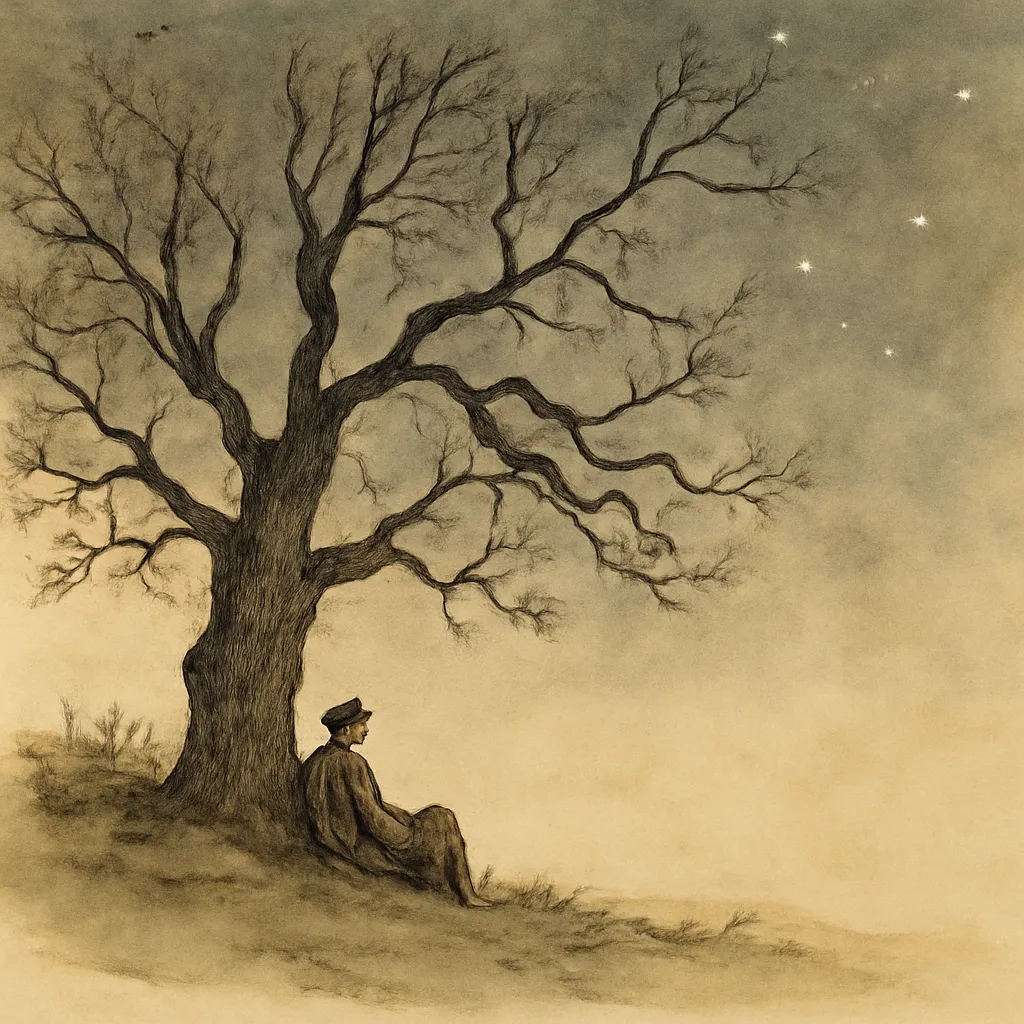
Night serves as a powerful metaphor in 'Tongues of Conscience,' representing a time when individuals confront their true selves away from the gaze of society. For Peter Uniacke, the arrival of darkness evokes a profound sense of introspection and contemplation. As he leans against the churchyard wall listening to the waves, he reflects on his past and his role as a conduit for confessions from troubled souls. The quietude of night draws out deeper thoughts and emotions that daytime distractions bury. This duality of night—as both a veil that conceals and a revelation that uncovers—shapes the characters' journeys, highlighting how darkness can lead to enlightenment or despair. It emphasizes the idea that the night, while often seen as a time of fear or danger, holds the potential for clarity and truth, allowing characters to confront their inner demons.
2.The Weight of Guilt
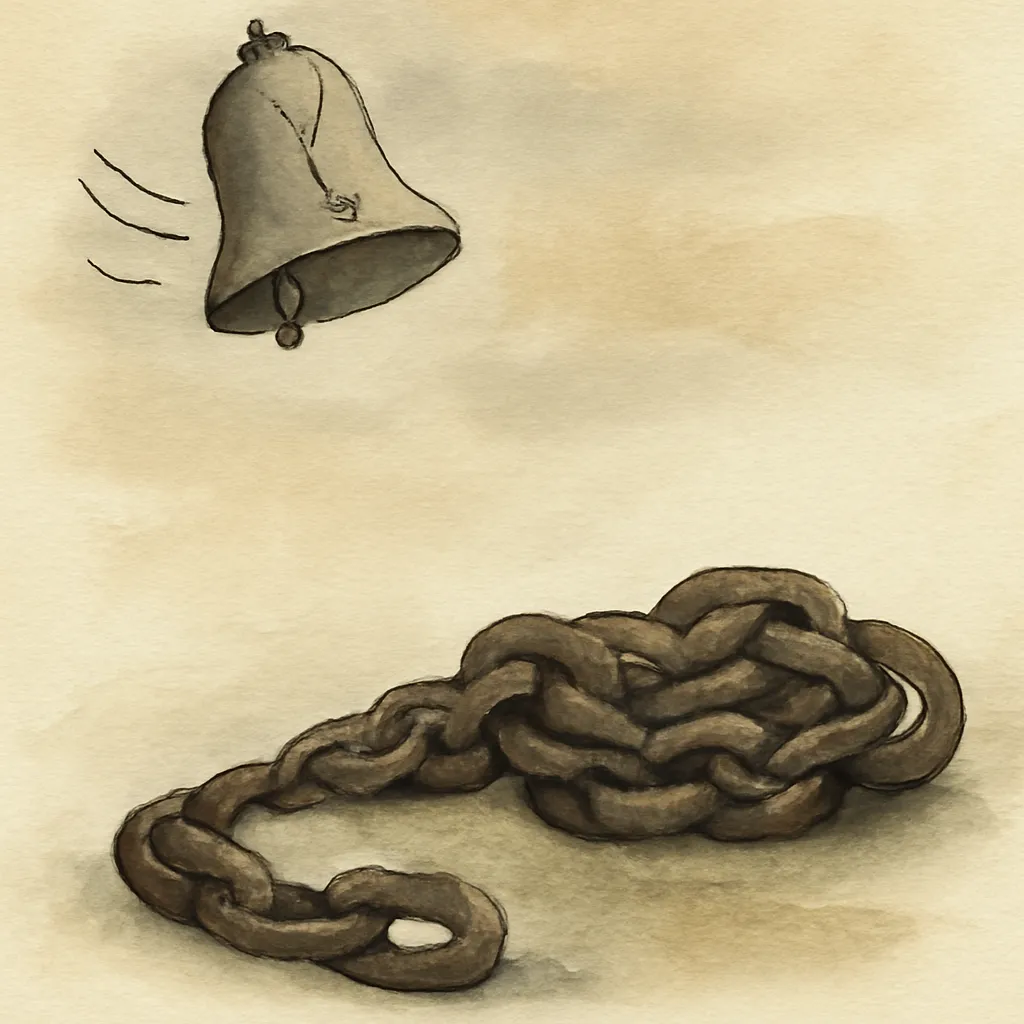
Guilt is a pervasive theme that colors the lives of both Peter Uniacke and Maurice Dale, manifesting in their thoughts and actions as they grapple with personal demons. Uniacke, a clergyman, feels the burden of his past as he reflects on the confessions he has heard, realizing that he too carries unconfessed transgressions that haunt him. His discomfort during breakfast with Sir Graham reveals a man torn between his role as a spiritual guide and the moral failures that nag at his conscience. As he watches the storm swirling outside, he grapples with feelings of inadequacy and shame, contrasting them with the strength he attempts to project. Similarly, Maurice’s guilt is tied to his inability to protect his family from a tragic past, which haunts him and affects his relationship with his wife, Lily. Hichens illustrates how unresolved feelings can distort reality, leading to isolation and emotional paralysis. This exploration of guilt serves to underscore the profound impact of unacknowledged sins on the psyche, manifesting as a barrier to personal connection and growth.
3.The Illusion of Control
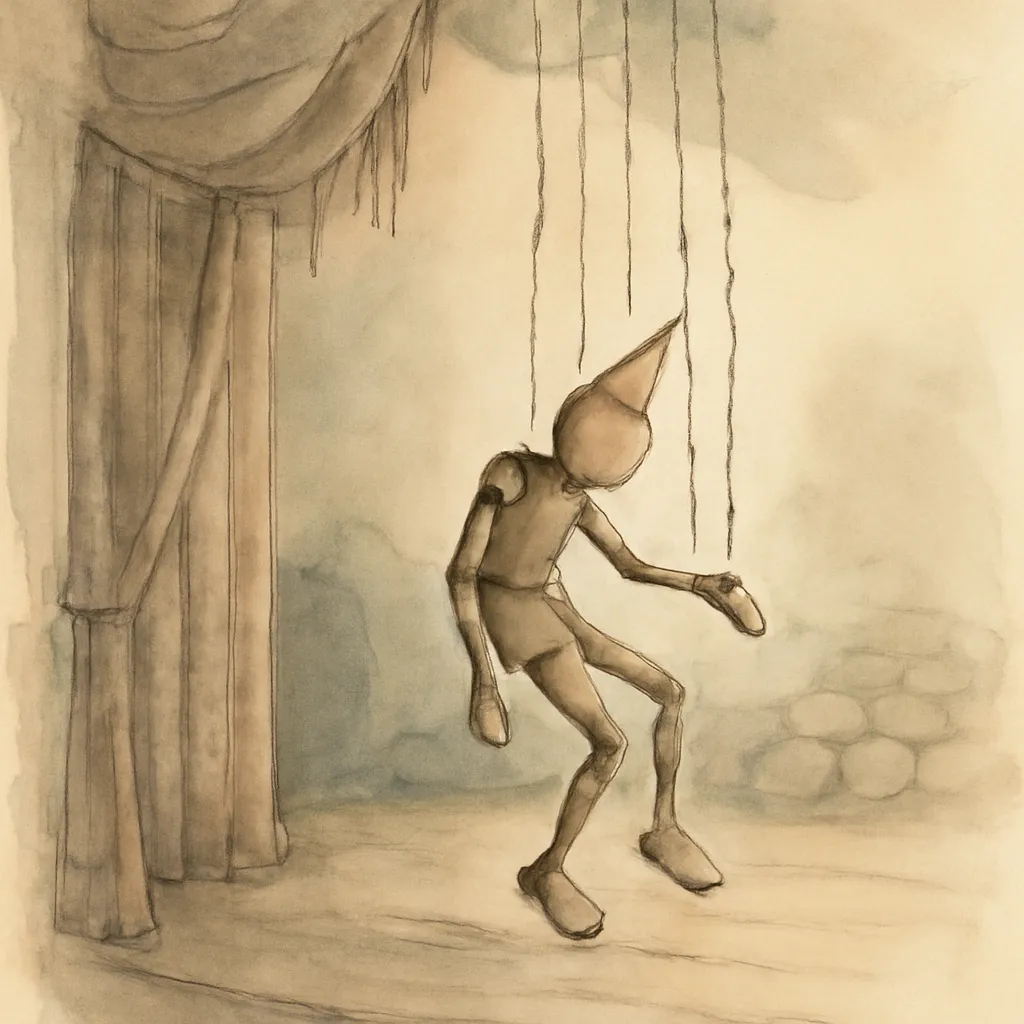
Both characters are caught in the illusion of control over their destinies while ultimately finding themselves at the mercy of forces beyond their understanding. For Maurice, the hope of redemption through marriage to Lily quickly dissipates as he becomes increasingly consumed by his past traumas. His attempts to create a semblance of normalcy are undermined by the haunting cries of a child, a visceral reminder of his guilt that he cannot escape. The very silence he craves becomes a source of torment, reflecting the futility of trying to control the uncontrollable. Peter, on the other hand, believes that his role as a clergyman allows him to guide others toward redemption and a righteous path, yet he struggles with his own sense of worthiness, often questioning if he is fit to counsel others. Hichens emphasizes that human beings often labor under the delusion that they can steer their lives, when in reality, their fates are shaped by a complex web of choices, circumstances, and emotional turbulence that can lead them astray.
4.The Role of Nature as a Witness
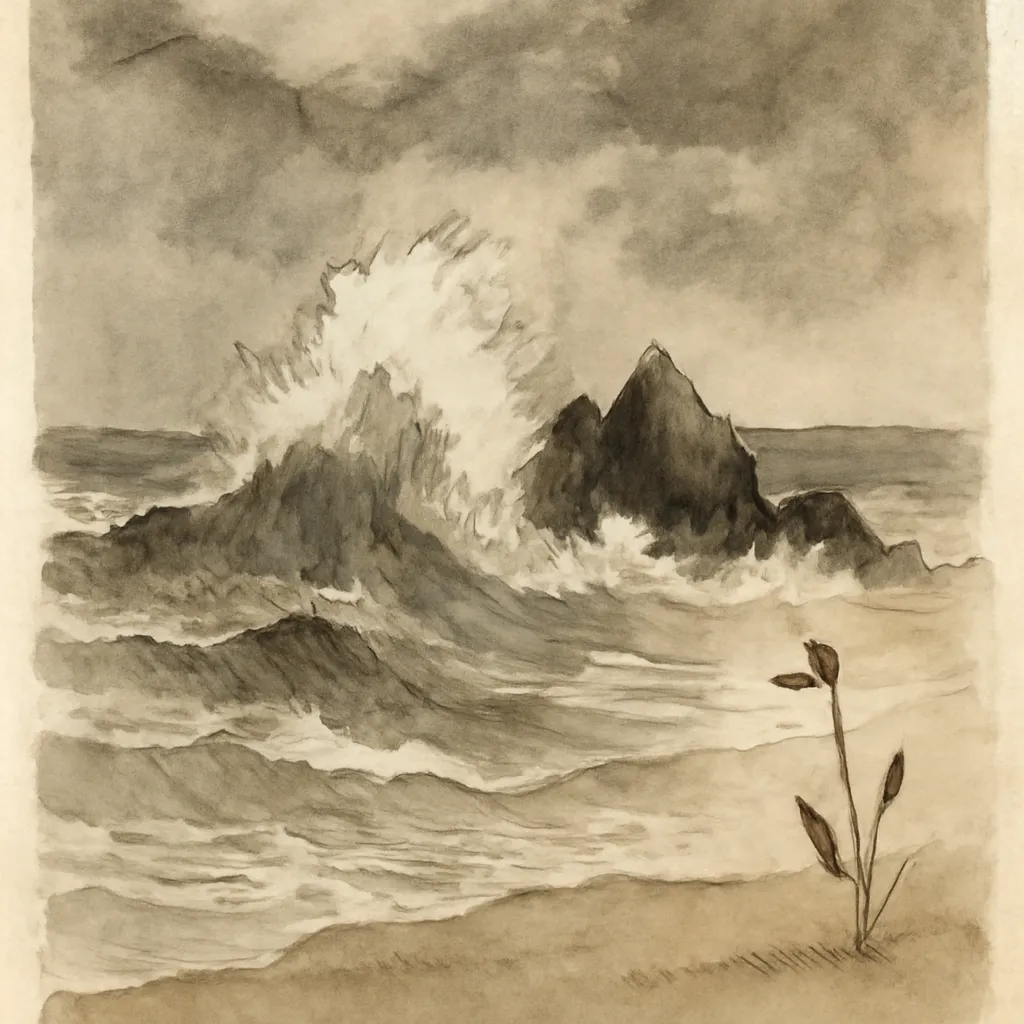
Nature plays a significant role in 'Tongues of Conscience' as a silent witness to the characters’ internal struggles. The imagery of the stormy sea and the serene countryside serves as a backdrop to their emotional turmoil, with the relentless storm during the breakfast scene mirroring the chaos within Uniacke. The natural world reflects their inner states, acting almost as a character in its own right. For instance, as Uniacke observes the crashing waves, he feels the weight of his own turmoil, recognizing that nature understands his plight. Hichens uses nature not only to set the mood but to reflect the characters' states of mind, suggesting that the external world is intricately connected to one's internal experience. This connection emphasizes the idea that while solace can be found in nature, it also has the power to amplify one's despair, illustrating the duality of beauty and pain in the human experience.
5.The Complexity of Love and Sacrifice
Love in 'Tongues of Conscience' is portrayed as both a source of strength and a burden. Maurice's relationship with Lily is characterized by deep affection and tenderness, yet it is tainted by the shadows of his guilt. While he seeks to protect her, this instinct becomes a form of emotional imprisonment, preventing genuine connection. Lily embodies selfless love, sacrificing her own desires to support Maurice, yet she remains acutely aware of the chasm between them created by his inner turmoil. Hichens illustrates how love can elevate individuals but can also lead to profound loneliness when one partner is emotionally unavailable. The complexities of their relationship serve to highlight the delicate balance between self-interest and selflessness, underscoring that love can often be a double-edged sword where the desire to support can conflict with the need for personal fulfillment.
6.The Search for Redemption
Redemption is a central theme that drives both Uniacke and Maurice as they navigate their respective journeys. For Uniacke, the act of listening to confessions becomes a means of seeking his own absolution, yet he grapples with the realization that he may never fully escape his past sins. His interactions with the villagers reveal the universal desire for forgiveness and understanding, as he tries to reconcile his faith with his failings. Maurice’s quest for redemption is more personal, as he seeks to reconcile with his past mistakes and the loss of his child, which looms large in his psyche. Hichens portrays redemption as a complex, often elusive goal, suggesting that the path to forgiveness is fraught with challenges and may require confronting uncomfortable truths about oneself. The characters’ struggles emphasize that redemption is not merely a destination but a continuous journey, one that requires courage and vulnerability.
7.The Power of Confession
Confession emerges as a powerful motif in 'Tongues of Conscience,' serving as a means for characters to unburden themselves and confront their inner demons. Uniacke’s role as a clergyman places him in a unique position to hear the confessions of others, which in turn forces him to confront his own unspoken truths. His moments of reflection often lead him to question his own actions and beliefs, revealing the complexities of human morality. The act of confessing, whether to another person or to oneself, is depicted as a vital step towards healing and understanding. Hichens suggests that through confession, individuals can find a form of catharsis, albeit one that may come with its own complications. This theme reinforces the idea that vulnerability and honesty are essential for personal growth and redemption, allowing for a deeper connection with oneself and others.
8.Isolation in the Midst of Connection
Despite the physical presence of others, both Uniacke and Maurice experience profound isolation as they grapple with their inner worlds. Uniacke’s interactions with Sir Graham reveal a superficial connection that fails to penetrate the depths of his emotional turmoil. Although he greets Sir Graham with forced cheerfulness, it is evident that he is wearing a mask to hide his true feelings. The sense of loneliness that accompanies his role as a clergyman adds to his emotional burden, illustrating the paradox of human connection. Maurice, too, finds himself emotionally distanced from Lily, even during their honeymoon, as his obsession with his past overshadows their relationship. Hichens highlights that individuals can feel isolated even when surrounded by loved ones, emphasizing the importance of authentic communication and emotional intimacy in forming meaningful connections.
9.The Nature of Memory and Loss
Memory and loss are intricately woven into the fabric of 'Tongues of Conscience,' shaping the characters' identities and experiences. Maurice's recollection of the child's cry serves as a haunting reminder of his unresolved grief and guilt, symbolizing the weight of loss that he carries. This persistent memory prevents him from fully engaging with the present, creating a barrier to intimacy with Lily. For Uniacke, memories of his past confessions and experiences serve as a double-edged sword, offering both insight and regret. Hichens explores how memories can serve as both a source of strength and a burden, shaping one's understanding of self and the world. The characters’ struggles with memory highlight the complex interplay between the past and present in shaping human consciousness. Through their experiences, Hichens suggests that embracing one's memories, however painful, is essential for personal growth and healing.