
Explore the haunting interplay of darkness and light in human consciousness through the lives of Peter Uniacke and Maurice Dale
Read full overviewShow less›
In 'Tongues of Conscience,' Robert Hichens delves into the depths of human emotion, guilt, and the search for absolution. The narrative unfolds in two intertwined stories that explore the complexities of the human condition, particularly how individuals confront their own fears and desires in the shadows of night. Through richly drawn characters and evocative prose, Hichens captures the tension between societal expectations and personal truth. The reader is invited to witness how the characters navigate their internal landscapes, revealing profound insights into love, loss, and the quest for meaning. This exploration not only reflects the struggles of the individual but also resonates with universal themes of redemption and the haunting nature of the past.
'Tongues of Conscience' invites readers to reflect on the complexities of human emotion and the perennial struggle for redemption. Through the lives of Peter Uniacke and Maurice Dale, Hichens explores the weight of guilt, the transformative power of love, and the haunting nature of memory. The interplay of night and day serves as a powerful metaphor for the dualities within us, urging readers to confront their own shadows and seek meaning in their experiences. Ultimately, the novel serves as a poignant reminder that while the path to understanding oneself can be fraught with challenges, it is also a journey toward connection, healing, and the possibility of absolution.
- 1The Transformative Power of Night
- 2The Weight of Guilt
- 3The Illusion of Control
- 4The Role of Nature as a Witness
- 5The Complexity of Love and Sacrifice
Notable quotes
“The arrival of darkness always meant something to the Rev. Peter Uniacke.”
“He could see his tall figure in many different places, aware of the first footfalls of the night.”
“One might have thought it was his home.”
A glimpse inside

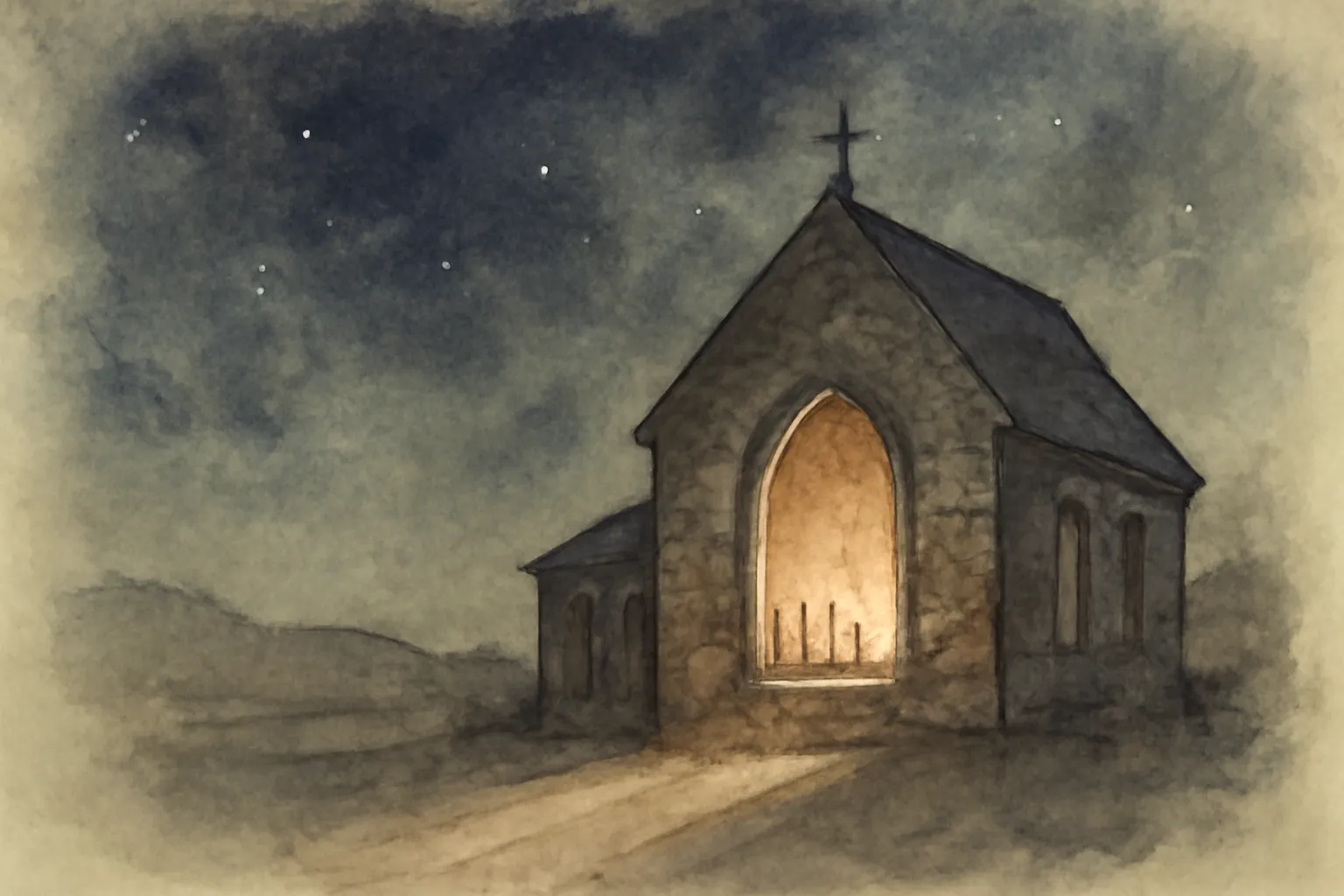
Night serves as a powerful metaphor in 'Tongues of Conscience,' representing a time when individuals confront their true selves away from the gaze of society. Read moreNight serves as a powerful metaphor in 'Tongues of Conscience,' representing a time when individuals confront their true selves away from the gaze of society. For Peter Uniacke, the arrival of darkness evokes a profound sense of introspection and contemplation. As he leans against the churchyard wall listening to the waves, he reflects on his past and his role as a conduit for confessions from troubled souls. The quietude of night draws out deeper thoughts and emotions that daytime distractions bury. This duality of night—as both a veil that conceals and a revelation that uncovers—shapes the characters' journeys, highlighting how darkness can lead to enlightenment or despair. It emphasizes the idea that the night, while often seen as a time of fear or danger, holds the potential for clarity and truth, allowing characters to confront their inner demons. Show less
Guilt is a pervasive theme that colors the lives of both Peter Uniacke and Maurice Dale, manifesting in their thoughts and actions as they grapple with personal demons. Read moreGuilt is a pervasive theme that colors the lives of both Peter Uniacke and Maurice Dale, manifesting in their thoughts and actions as they grapple with personal demons. Uniacke, a clergyman, feels the burden of his past as he reflects on the confessions he has heard, realizing that he too carries unconfessed transgressions that haunt him. His discomfort during breakfast with Sir Graham reveals a man torn between his role as a spiritual guide and the moral failures that nag at his conscience. As he watches the storm swirling outside, he grapples with feelings of inadequacy and shame, contrasting them with the strength he attempts to project. Similarly, Maurice’s guilt is tied to his inability to protect his family from a tragic past, which haunts him and affects his relationship with his wife, Lily. Hichens illustrates how unresolved feelings can distort reality, leading to isolation and emotional paralysis. This exploration of guilt serves to underscore the profound impact of unacknowledged sins on the psyche, manifesting as a barrier to personal connection and growth. Show less
Read the full text — free
About the author
Read Robert Hichens's work free on Lumina — the complete text plus an 8-minute summary and key ideas, no account needed