1.The Perils of Space Travel
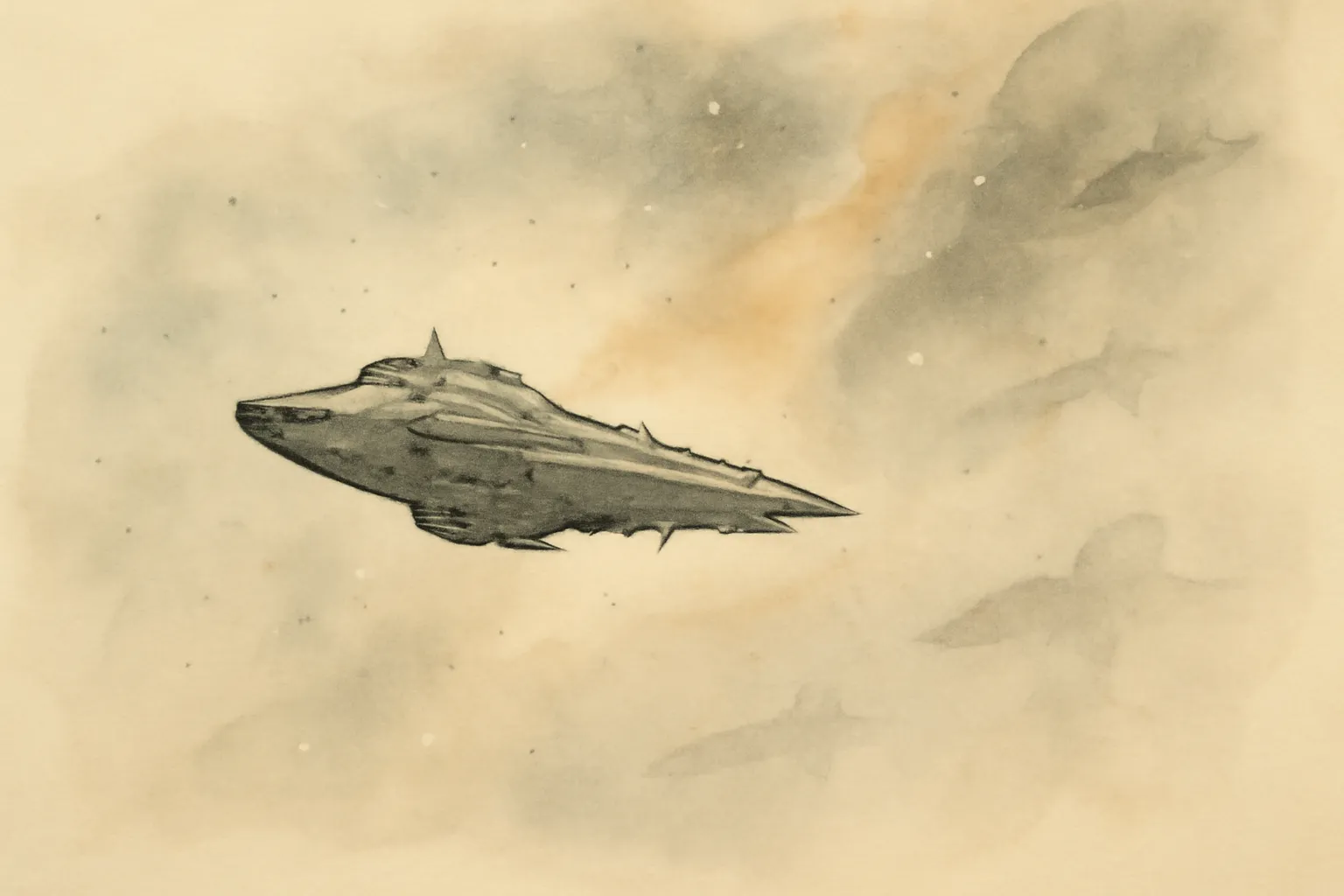
The story opens with the Interplanetary liner Hyperion, which serves as a symbol of human achievement in space travel. However, the mysterious disappearances of ships like Dione and Rhea highlight the lurking dangers of the cosmos. Captain Bradley's cautious approach to space navigation underscores the constant threat posed by unknown forces, possibly pirates, lurking just beyond the reach of known territories. The crew's heightened state of alert demonstrates the tension between exploration and the inherent risks of venturing into the void. This tension serves as a reminder that progress comes with peril, prompting readers to reflect on the balance between ambition and caution. The fear of the unknown looms large in the narrative, illustrating how the vast emptiness of space can evoke both wonder and dread.
2.The Nature of Authority and Control
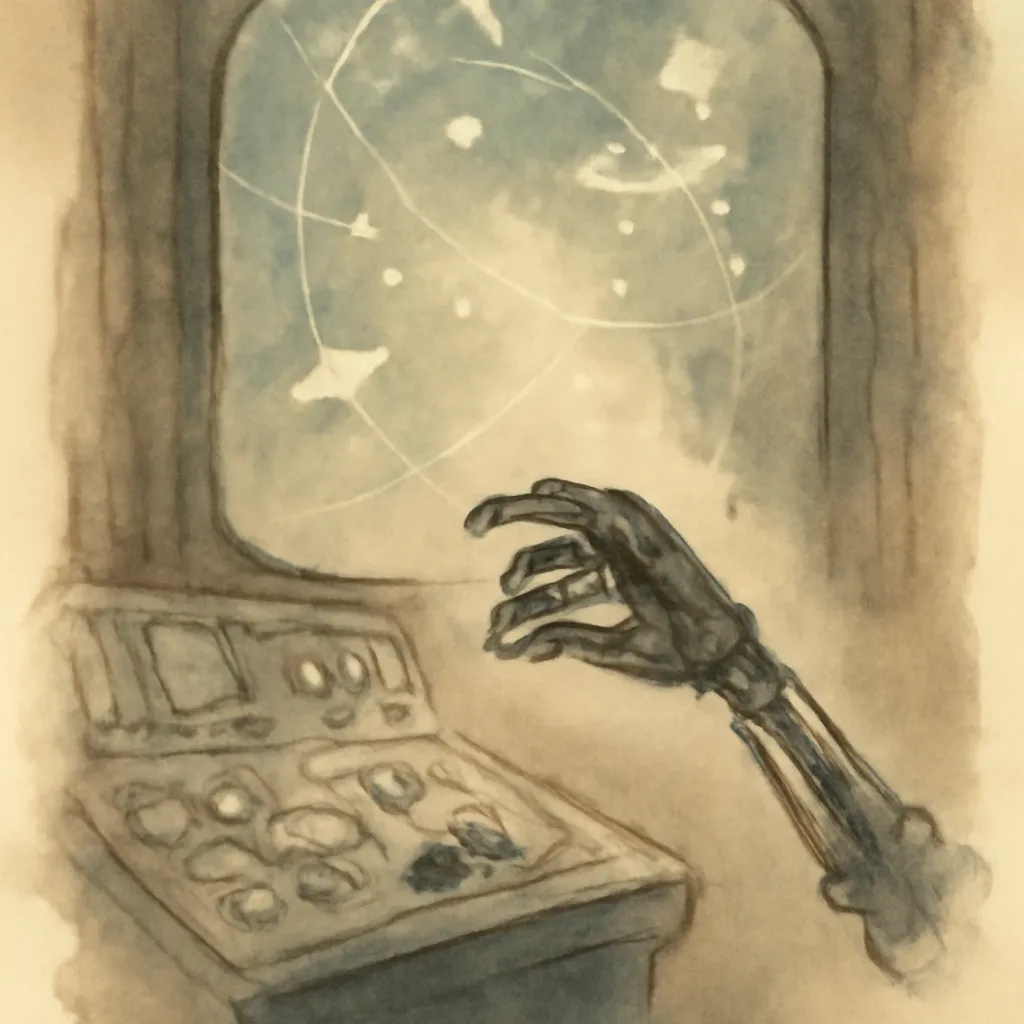
Clio's encounters with Roger reveal a disturbing dynamic of control and submission. Roger's command over Clio, who he perceives as an object to be commanded rather than a partner, raises questions about the nature of authority. The guide's insistence that Clio must obey Roger illustrates the theme of autonomy versus dominance. Clio's initial resistance and subsequent despair highlight the psychological toll of such coercive power dynamics. Roger's cold, methodical nature contrasts sharply with Clio's emotional turbulence, emphasizing the struggle between individual desires and imposed authority. This exploration of authority resonates deeply, encouraging readers to consider the implications of control in their own lives, whether in personal relationships or larger societal structures. The power dynamics at play are a microcosm of broader societal issues, inviting discussions about freedom, choice, and the human spirit's resilience against oppression.
3.The Struggle for Survival
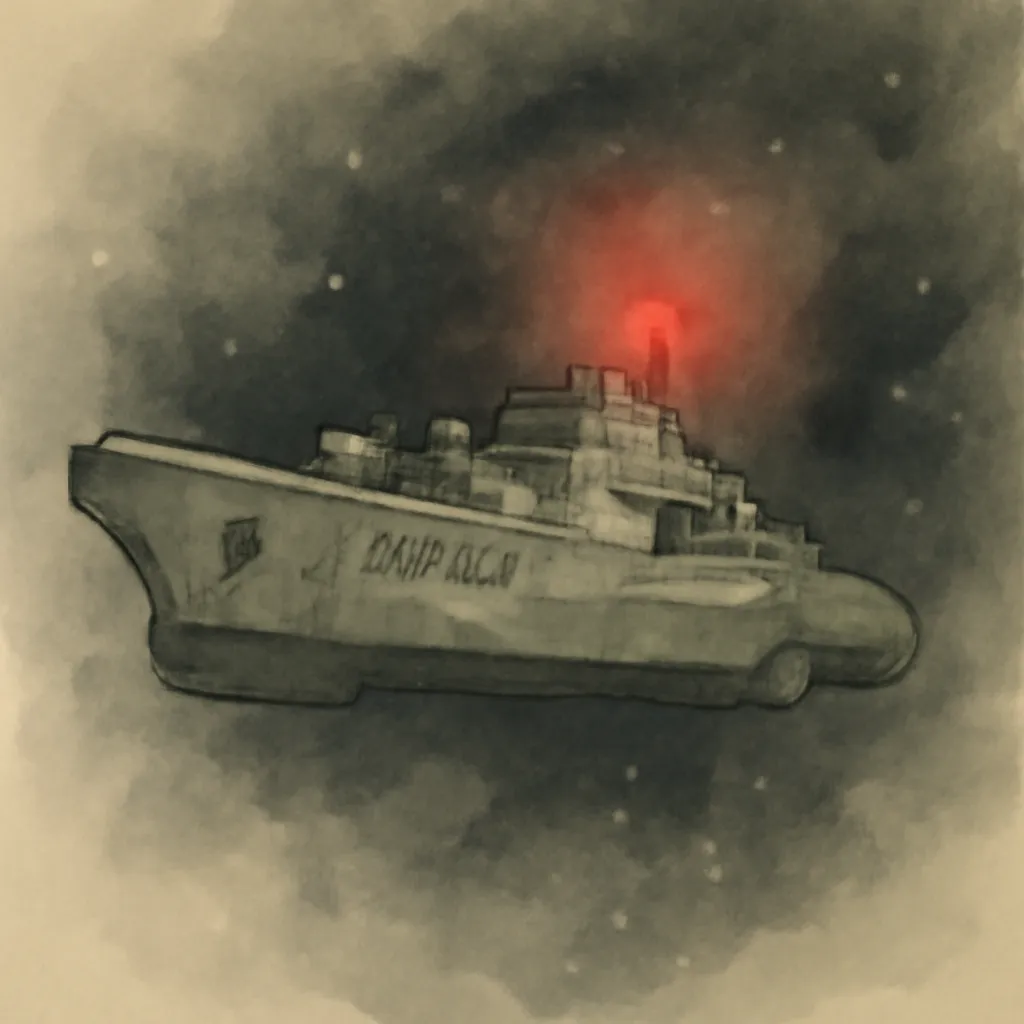
As the heavy cruiser Chicago patrols the vastness of space, the crew's sense of duty is palpable. They are not merely maintaining order; they are actively hunting down the forces threatening their civilization. The urgency of their mission is underscored by the sector alarm signaling peril for the Hyperion. The immediate shift from routine patrol to battle readiness encapsulates the precarious nature of existence in a universe fraught with danger. This relentless pursuit of survival not only drives the plot but also serves as a metaphor for the human condition, where the fight for life often necessitates confronting external threats and internal fears. The readiness to fight and sacrifice for survival reflects the primal instincts of humanity, forcing readers to grapple with the philosophical underpinnings of survival in the face of adversity. The narrative compels reflection on the sacrifices made by individuals in the name of survival and the ethical dimensions of such decisions.
4.A Clash of Civilizations
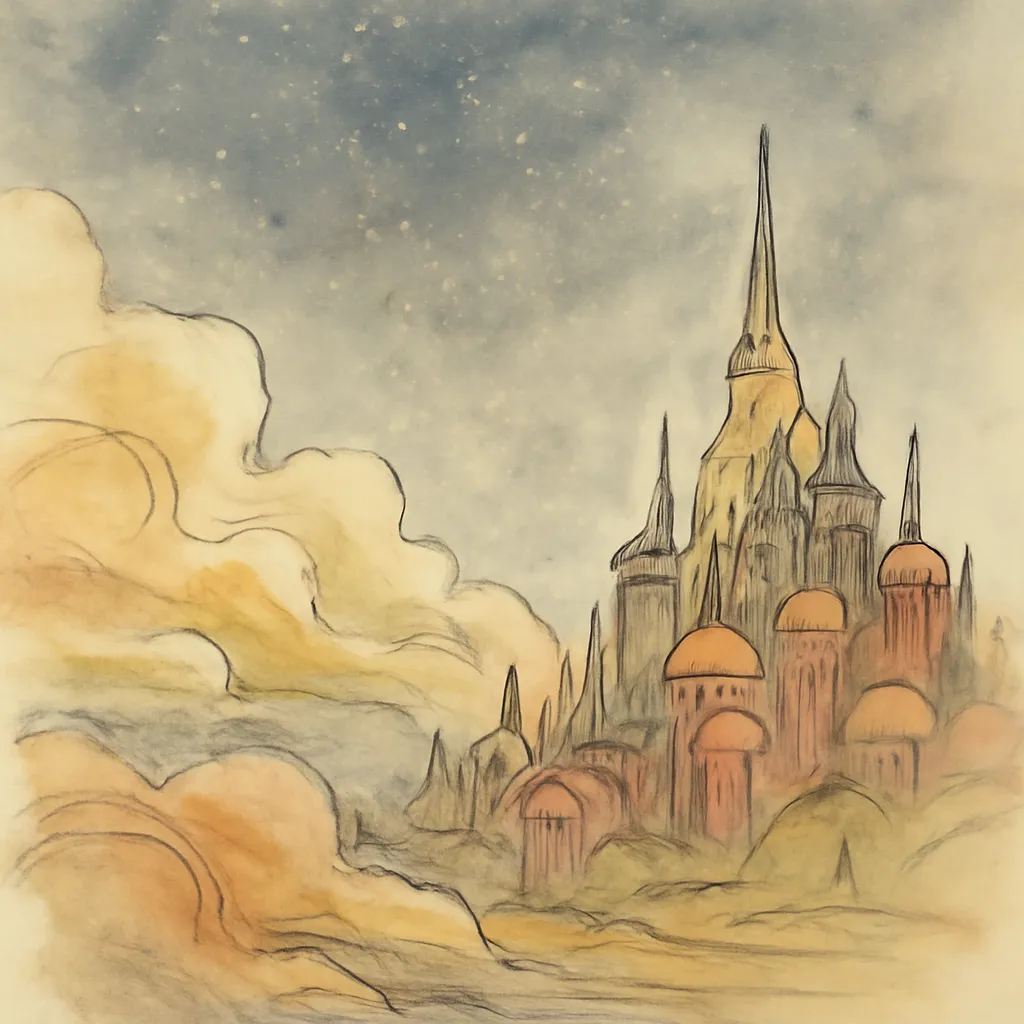
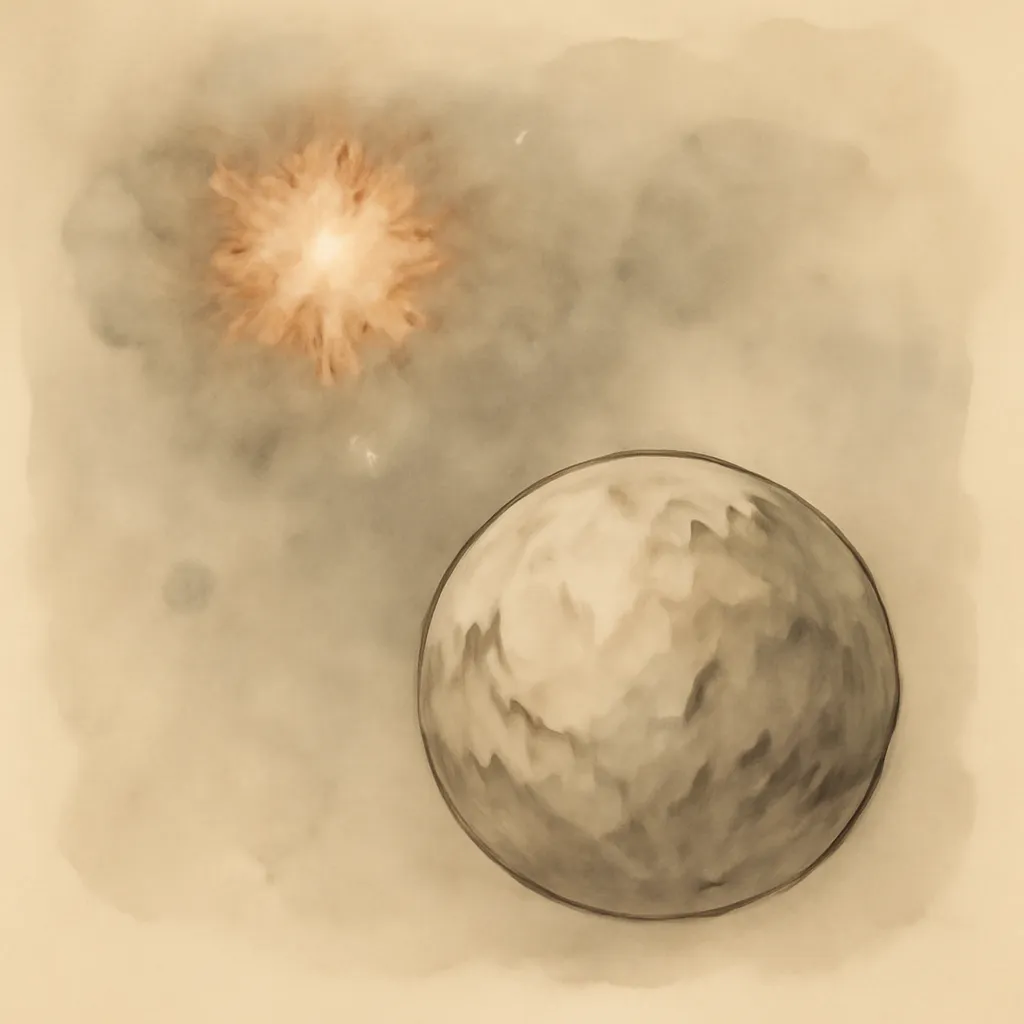
The introduction of Nevia, the home planet of the marauding space-ship, sets the stage for a dramatic clash between different civilizations. Nevia's environment, marked by its unique atmospheric conditions and peculiar city structures, provides a striking contrast to the familiar world of the protagonists. The arrival of the Nevian space-ship signifies a new level of threat, showcasing the advanced technology and tactics of an alien civilization. This juxtaposition invites readers to explore themes of cultural differences, technological disparity, and the potential for conflict arising from misunderstanding and fear of the unknown. The Nevian perspective adds depth to the narrative, challenging readers to consider the motivations and justifications of both sides in their struggle for dominance. As the Triplanetary League faces this alien threat, the narrative becomes a lens through which to examine the consequences of cultural clashes and the complexities of diplomacy versus warfare.
5.Romantic Tensions amidst Turmoil

The relationship between Clio and Conway serves as a focal point that adds emotional depth to the narrative. Their interactions, filled with both tenderness and tension, reveal the complexities of love in times of crisis. Conway’s reluctance to pursue a romantic relationship while they are in danger highlights the conflict between personal desires and the responsibilities of survival. Clio's insistence on their connection, despite the looming threats, underscores the human need for companionship and emotional support. Their relationship evolves in the context of external turmoil, mirroring the chaotic environment of the universe they inhabit. This romantic subplot serves as a counterbalance to the overarching themes of war and survival, reminding readers that even in the direst situations, human connections remain vital. The poignancy of their love story illustrates how relationships can provide solace amid chaos, but also how they can complicate decisions that involve survival.
6.The Ethics of War and Technology
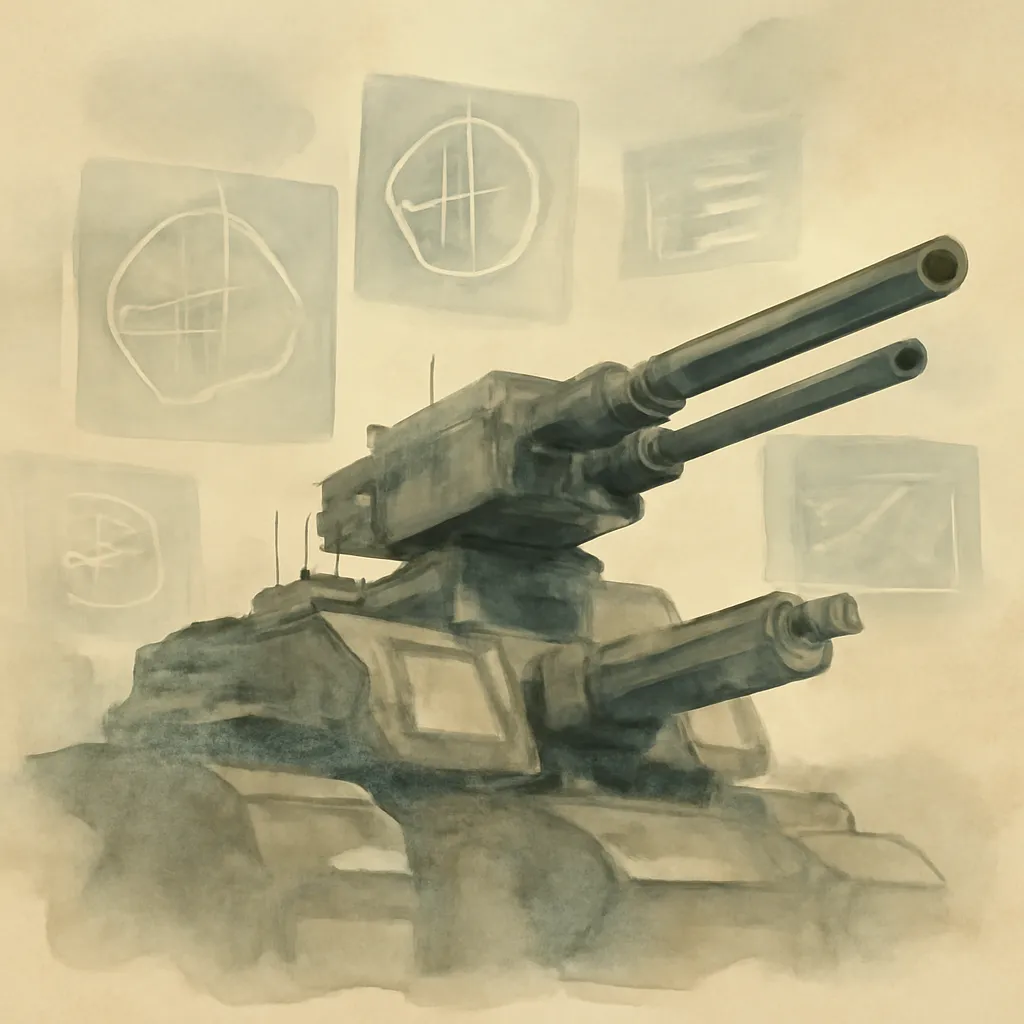
As the Chicago engages in battle, the narrative prompts reflection on the ethics of warfare and the role of technology in conflict. The crew's reliance on advanced weaponry and detection systems raises questions about the implications of such power. The tension between utilizing technology for defense and the potential for destruction becomes a central theme. The portrayal of the advanced weaponry not only highlights humanity's ingenuity but also serves as a cautionary tale regarding the responsibility that comes with power. This exploration invites readers to consider the consequences of technological advancements in real-world conflicts, where the line between protection and aggression can often blur. The narrative challenges the glorification of war, instead presenting it as a complex moral landscape filled with difficult choices. This ethical tension compels readers to ponder the ramifications of their own technological advancements and the ways they can impact society.
7.The Role of Sacrifice
In the face of overwhelming odds, characters in 'Triplanetary' are often faced with the necessity of sacrifice. Roger's decision to abandon the planetoid, prioritizing the survival of a select few over the collective, showcases the harsh realities of survival in a war-torn universe. This act raises ethical questions about the value of individual lives versus the greater good. The sacrifices made by various characters throughout the story highlight the emotional weight of decisions made in times of crisis. The narrative illustrates that sacrifices are not merely physical but also emotional and moral, as characters must grapple with their conscience amidst chaos. Readers are left to ponder the true cost of survival and the moral implications of choosing who lives and who perishes in the turmoil of conflict. This theme of sacrifice resonates as a universal truth, compelling readers to reflect on what they would be willing to give up in the name of survival.
8.The Search for Identity
The journey of the characters is not solely about physical survival but also about the search for identity amidst chaos. Clio's struggle against Roger's control and her longing for autonomy symbolize a broader quest for self-definition. Similarly, the Terrestrial officers grapple with their roles within the Triplanetary League, questioning their identities as warriors, lovers, and leaders. The characters’ interactions reveal their vulnerabilities, desires, and aspirations, painting a rich tapestry of personal growth against the backdrop of interstellar conflict. This theme of identity is intricately woven into the fabric of the story, encouraging readers to reflect on their own identities and the factors that shape them. The characters’ growth throughout the narrative emphasizes the importance of self-discovery in the face of external challenges, illustrating that true strength often comes from understanding oneself in the midst of chaos.
9.The Unpredictability of the Universe
The vastness of space serves as a backdrop for the unpredictable nature of existence. Events unfold in ways characters cannot foresee, from sudden attacks by enemy vessels to unexpected alliances. The narrative emphasizes the chaos that accompanies exploration and conflict, reflecting the unpredictability of the universe itself. This theme resonates with readers, reminding them that life is often filled with uncertainty and that adaptability is key to survival. The characters’ ability to navigate these unpredictable circumstances speaks to the resilience of the human spirit in the face of adversity. The narrative illustrates that while one can plan and strategize, the universe remains capricious, challenging individuals to remain flexible and resourceful in the face of unforeseen challenges.
10.The Power of Communication
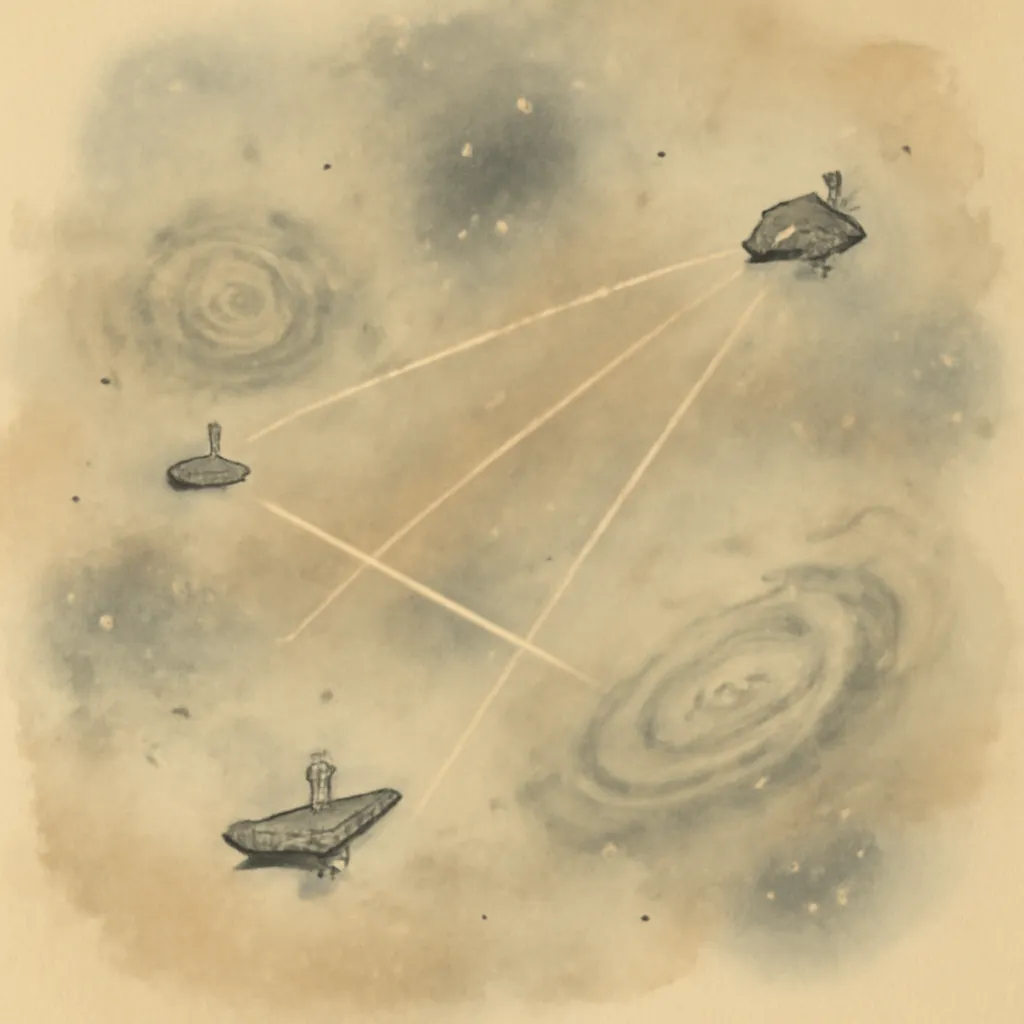
Communication emerges as a crucial element in the characters’ attempts to survive and strategize. Costigan’s use of the ultra-beam communicators illustrates how vital information exchange is in the vastness of space. The ability to call for help, share strategies, and maintain connections with loved ones becomes a lifeline amidst chaos. The narrative underscores that open lines of communication can be the difference between success and failure, survival and demise. The nuanced portrayal of the challenges in communication—whether due to distance, technology, or enemy interference—adds tension to the plot. Readers are reminded that communication is not just about exchanging words but also about understanding and connection, further emphasizing its critical role in human relationships and survival strategies.