
In a universe filled with danger and intrigue, the fight for survival and supremacy unfolds among the stars
Read full overviewShow less›
E. E. Smith's 'Triplanetary' immerses readers in a thrilling space opera where interplanetary travel, advanced technology, and fierce battles define the fate of civilizations. The narrative explores the complexities of power, the ethics of war, and the intricacies of human emotion against a backdrop of cosmic conflict. As characters navigate treachery and loyalty, readers are invited to ponder the implications of technological advancement and the eternal struggle for freedom. This tale not only captivates with its action and adventure but also challenges the reader to consider the moral dilemmas faced in the pursuit of progress and survival in an alien-infested universe.
E. E. Smith's 'Triplanetary' weaves a complex tapestry of adventure, ethical dilemmas, and human emotion set against the backdrop of an expansive universe. Through its exploration of authority, survival, and the consequences of technological advancement, the narrative resonates with timeless themes that mirror our own societal struggles. The characters' journeys challenge readers to reflect on their values, relationships, and the moral choices they face in their own lives. In a universe that is both wondrous and dangerous, 'Triplanetary' ultimately serves as a reminder of the resilience of the human spirit and the enduring quest for connection, identity, and meaning amidst chaos.
Ratings at a glance
- 1The Perils of Space Travel
- 2The Nature of Authority and Control
- 3The Struggle for Survival
- 4A Clash of Civilizations
- 5Romantic Tensions amidst Turmoil
Notable quotes
“You will find that you cannot.”
“If you do not yield, you will long and pray for death, but you will not die unless Roger wills it.”
“The planetoid is lost.”
A glimpse inside

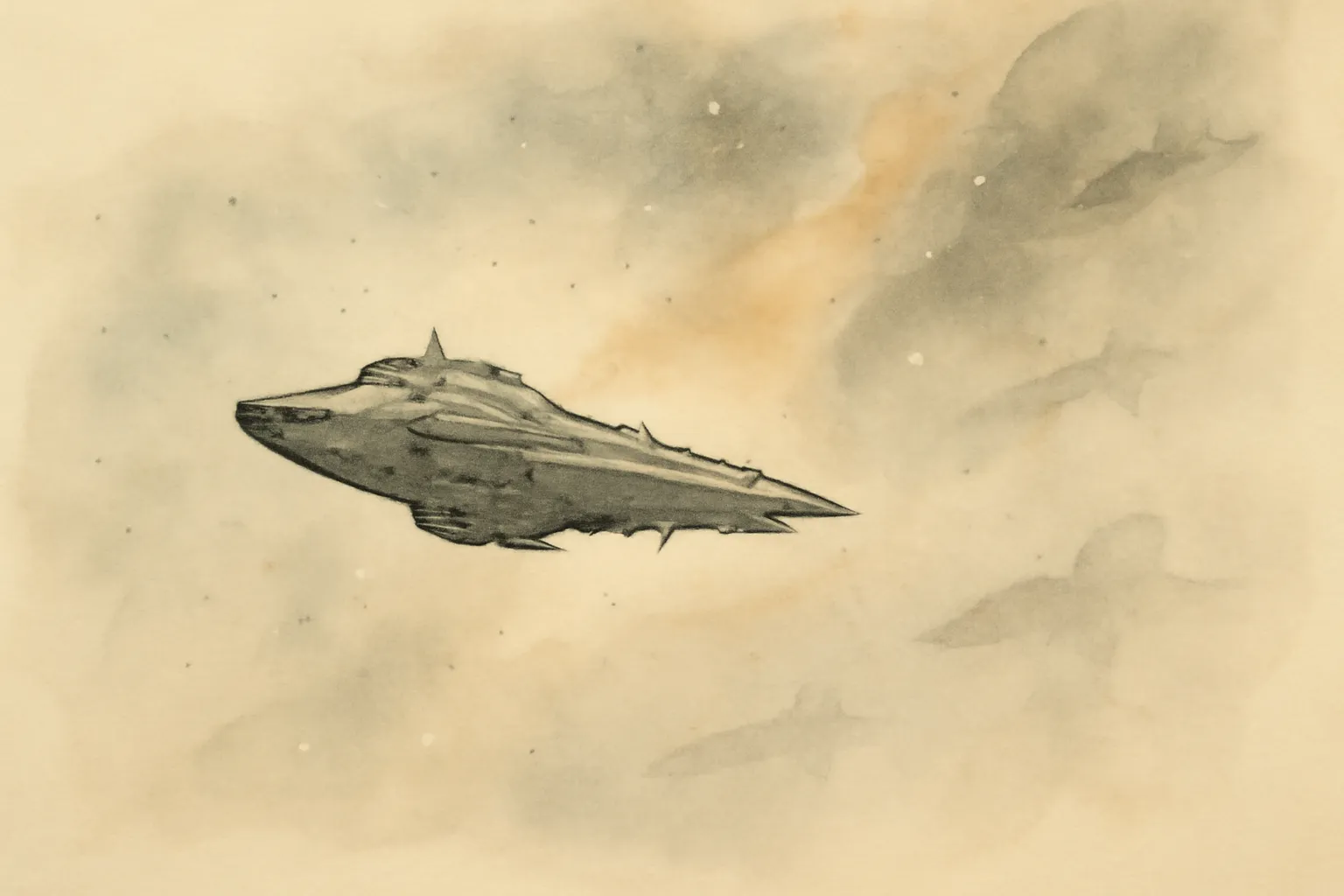
The story opens with the Interplanetary liner Hyperion, which serves as a symbol of human achievement in space travel. However, the mysterious disappearances of ships lik… Read moreThe story opens with the Interplanetary liner Hyperion, which serves as a symbol of human achievement in space travel. However, the mysterious disappearances of ships like Dione and Rhea highlight the lurking dangers of the cosmos. Captain Bradley's cautious approach to space navigation underscores the constant threat posed by unknown forces, possibly pirates, lurking just beyond the reach of known territories. The crew's heightened state of alert demonstrates the tension between exploration and the inherent risks of venturing into the void. This tension serves as a reminder that progress comes with peril, prompting readers to reflect on the balance between ambition and caution. The fear of the unknown looms large in the narrative, illustrating how the vast emptiness of space can evoke both wonder and dread. Show less
Clio's encounters with Roger reveal a disturbing dynamic of control and submission. Roger's command over Clio, who he perceives as an object to be commanded rather than a… Read moreClio's encounters with Roger reveal a disturbing dynamic of control and submission. Roger's command over Clio, who he perceives as an object to be commanded rather than a partner, raises questions about the nature of authority. The guide's insistence that Clio must obey Roger illustrates the theme of autonomy versus dominance. Clio's initial resistance and subsequent despair highlight the psychological toll of such coercive power dynamics. Roger's cold, methodical nature contrasts sharply with Clio's emotional turbulence, emphasizing the struggle between individual desires and imposed authority. This exploration of authority resonates deeply, encouraging readers to consider the implications of control in their own lives, whether in personal relationships or larger societal structures. The power dynamics at play are a microcosm of broader societal issues, inviting discussions about freedom, choice, and the human spirit's resilience against oppression. Show less
Read the full text — free
About the author
Read E. E. Smith's work free on Lumina — the complete text plus an 8-minute summary and key ideas, no account needed