1.The Fragility of Freedom
Northup was born a free man in New York, but his life took a tragic turn when he was kidnapped and sold into slavery. This shocking transition from freedom to bondage underscores the precariousness of liberty, especially for Black individuals in America. His narrative illustrates how societal structures and prejudices can strip away one's rights in an instant. The story serves as a reminder that freedom is not guaranteed and can be easily taken away, making Northup's experiences painfully relatable to those who understand the struggle for civil rights. The absolute vulnerability of free Black individuals, often regarded with suspicion regardless of their status, amplifies the need for a robust defense of civil liberties and human rights. His kidnapping highlights the dark underbelly of a society that claimed to uphold freedom while simultaneously participating in the enslavement of others.
2.The Dehumanization of Slavery

Northup provides a firsthand account of the dehumanizing conditions that slaves endured on a daily basis. From the brutal whippings to the constant threat of violence, he details the physical and emotional toll that slavery exacted on individuals. The narrative reveals how enslaved people were treated as property rather than human beings, with no agency over their own lives. Northup's reflections on the pain inflicted by slave owners and the lack of compassion within the system expose the moral bankruptcy of slavery. He documents specific instances of cruelty, such as Tibeats' abusive treatment, emphasizing that these were not isolated incidents but systemic abuses rooted in the institution of slavery. The narrative also shows how this dehumanization extended beyond the slaves themselves, affecting the slave owners who became desensitized to the suffering of others. Through his experiences, Northup challenges readers to confront the moral implications of slavery and its impact on society as a whole.
3.The Role of Family and Community
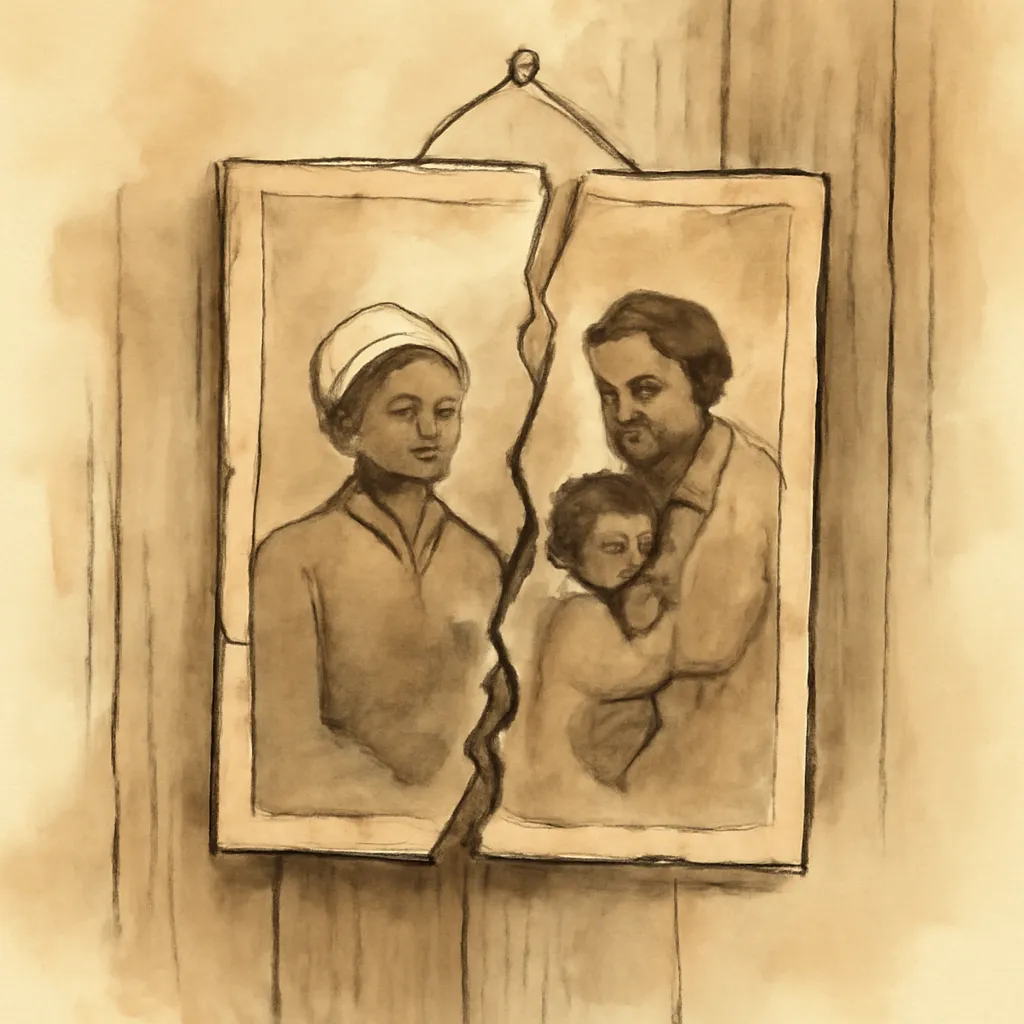
Throughout his narrative, Northup emphasizes the importance of family and community among enslaved individuals. He recounts the heart-wrenching separations that families faced, illustrating how the slave system sought to dismantle familial bonds as a means of control. The story of Eliza, another enslaved woman who mourns the loss of her children, exemplifies the emotional devastation wrought by slavery. Northup’s connections with other slaves reveal a community built on shared suffering and resilience. These relationships provided moments of solace and support, showcasing the strength of human connection in the face of unimaginable adversity. The narrative ultimately highlights the power of love and solidarity among the oppressed, serving as a beacon of hope amidst despair. Moreover, it illustrates how these bonds were often the only source of strength for individuals navigating the horrors of slavery, emphasizing that community is a vital resource for survival.
4.The Complexity of Slave Owners
Northup's portrayal of slave owners is nuanced, revealing that not all were monstrous figures devoid of humanity. His master, William Ford, is depicted as a relatively kind man who, despite his ownership of slaves, shows moments of compassion. Ford's treatment of Northup stands in stark contrast to that of other slave owners, such as Tibeats, whose cruelty exemplifies the darker side of slavery. This complexity invites readers to consider the varying degrees of complicity among slave owners and the societal norms that allowed such practices to thrive. For instance, Ford’s moral blindness regarding the institution of slavery complicates his character, suggesting that even those with decent intentions can perpetuate systems of oppression. By presenting these varied experiences, Northup illuminates the moral ambiguity that can exist within individuals caught up in an inherently unjust system.
5.The Psychological Impact of Slavery
Northup delves into the psychological trauma inflicted by slavery, detailing the internal struggles faced by enslaved individuals. The constant fear of violence, the loss of identity, and the dehumanization process weigh heavily on the minds of those in bondage. Northup describes moments of despair and hopelessness, as well as the small acts of defiance that sustain the spirits of the enslaved. He reflects on his own mental anguish, caught between the memories of his free life and the harsh realities of his present circumstances. This exploration of the psychological impact of slavery is crucial in understanding the long-lasting effects on individuals and communities, even after they gain their freedom. Northup’s vivid descriptions of suffering and resilience compel readers to empathize with the emotional scars left by such a brutal system and challenge them to consider the ongoing ramifications of trauma in the descendants of enslaved people.
6.The Quest for Freedom
A central theme of Northup's narrative is his relentless pursuit of freedom. His determination to escape the bonds of slavery drives much of the story, as he seeks various means to assert his identity and reclaim his life. Northup's resilience is evident in his efforts to maintain hope amid despair, as he navigates the treacherous landscape of slavery. This quest for freedom is not merely about physical liberation but also about reclaiming his identity and humanity. Northup's eventual rescue, facilitated by the intervention of friends and allies from the North, underscores the importance of solidarity and activism in the fight against slavery. The narrative serves as a powerful testament to the human spirit's capacity to fight against oppression and strive for liberation, highlighting that freedom is not just a destination but an ongoing struggle.
7.The Injustice of the Legal System

Northup's experiences reveal the profound failures of the legal system in protecting the rights of Black individuals. His kidnapping and subsequent sale into slavery highlight how laws were manipulated to uphold the institution of slavery rather than deliver justice. Throughout his narrative, Northup encounters various legal obstacles that hinder his quest for freedom, from the complicity of law enforcement to the indifference of the courts. For example, when Northup seeks assistance to assert his freedom, he finds that legal mechanisms are often twisted to protect the interests of slave owners. The indifference of law enforcement and the complicity of the judicial system emphasize the systemic racism that pervaded society. Northup's story challenges readers to confront the ways in which legal frameworks can be weaponized against marginalized communities, raising important questions about justice, accountability, and the rule of law, and calling for a reevaluation of legal protections for vulnerable populations.
8.Resistance and Resilience
Despite the overwhelming odds stacked against them, Northup and his fellow slaves exhibit remarkable resilience and resistance. Their small acts of defiance, whether through song, storytelling, or subtle forms of rebellion, reflect a refusal to be completely subjugated. Northup’s narrative provides insight into the various ways enslaved individuals resisted their circumstances, both overtly and covertly. This resistance included maintaining cultural practices, forming social networks, and even planning escapes. These acts of resistance are critical in understanding the broader narrative of slavery, as they highlight the agency of the oppressed, proving that the human spirit cannot be easily crushed. Northup’s resilience, in particular, serves as a powerful example of the strength required to maintain hope and dignity in the face of relentless oppression, inspiring contemporary movements for justice and equality.
9.The Importance of Memory and Storytelling
Northup’s account underscores the significance of memory and storytelling in preserving history and fostering understanding. By recounting his experiences in vivid detail, he not only documents the horrors of slavery but also honors the lives of those who suffered alongside him. His narrative acts as a form of resistance against the erasure of Black voices and experiences in history. Through storytelling, Northup engages readers, allowing them to empathize with the enslaved and recognize their humanity. This emphasis on memory and narrative serves as a powerful tool for social justice, ensuring that the lessons of the past are not forgotten and continue to resonate in contemporary discussions about race and equality. Northup’s narrative reminds us that the act of telling one’s story is itself an act of reclamation and empowerment, a necessary step in the ongoing fight against oppression.
10.The Legacy of Slavery
Twelve Years a Slave is a crucial document that sheds light on the legacy of slavery in America. Northup’s narrative not only recounts his personal experiences but also reflects the broader social, economic, and political implications of slavery. The horrors he describes serve as a reminder of the injustices faced by countless individuals and the ongoing impact of systemic racism. This legacy continues to shape societal structures and attitudes today, necessitating a critical examination of history and its ramifications. Northup’s story challenges readers to confront uncomfortable truths about America’s past and inspires ongoing conversations about justice, equality, and reconciliation. His experiences illustrate how the scars of slavery have not healed, and the need for continued activism and awareness in addressing racial inequalities in contemporary society remains urgent.