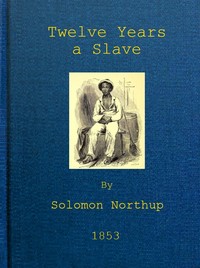
Twelve Years a Slave: Narrative of Solomon Northup, a Citizen of New-York, Kidnapped in Washington City in 1841, and Rescued in 1853, from a Cotton Plantation near the Red River in Louisiana by Solomon Northup — Summary, Key Ideas & Full Text
271 pages23 chapters5h 26m read3h 51m speed read✦ 9-min Big ideas★ 4.5 (11)Free · no account
What is Twelve Years a Slave: Narrative of Solomon Northup, a Citizen of New-York, Kidnapped in Washington City in 1841, and Rescued in 1853, from a Cotton Plantation near the Red River in Louisiana about?
A harrowing true account of Solomon Northup's twelve years in slavery, revealing the brutal reality of human subjugation and the indomitable spirit of a man fighting for freedom
Read full overviewShow less›
Twelve Years a Slave is not just a memoir; it is a profound exploration of the horrors of slavery, seen through the eyes of Solomon Northup, a free man who was kidnapped and sold into bondage. Northup’s narrative details his life before and during slavery, providing a unique perspective on the injustices that plagued America in the 19th century. Readers will gain insight into the psychological and physical torment endured by slaves, as well as the complexities of human relationships under such a cruel system. Northup's eloquent storytelling captures the brutality of his experiences while also highlighting moments of hope, resilience, and the enduring human spirit. This work serves as a crucial historical document that brings awareness to the atrocities of slavery and the fight for freedom.
Twelve Years a Slave is a powerful testament to the resilience of the human spirit in the face of unimaginable adversity. Solomon Northup’s narrative not only documents the brutal realities of slavery but also serves as a call to action for future generations to remember and learn from this dark chapter in history. By sharing his story, Northup invites readers to confront the legacies of racism and injustice that persist today. His experiences highlight the importance of empathy, understanding, and the ongoing struggle for freedom and equality. Ultimately, this narrative is not just a historical account; it is a reminder of the enduring fight against oppression and the unyielding hope for a more just world.
“Such dupes are men to custom, and so prone To reverence what is ancient, and can plead A course of long observance for its use, That even servitude, the worst of ills, Because delivered down from sire to son, Is kept and guarded as a sacred thing.”
“Having been born a freeman, and for more than thirty years enjoyed the blessings of liberty in a free State—and having at the end of that time been kidnapped and sold into Slavery, where I remained, until happily rescued in the month of January, 1853, after a bondage of twelve years—it has been suggested that an account of my life and fortunes would not be uninteresting to the public.”
“I can speak of Slavery only so far as it came under my own observation—only so far as I have known and experienced it in my own person.”
A glimpse inside
The Fragility of Freedom
Northup was born a free man in New York, but his life took a tragic turn when he was kidnapped and sold into slavery. This shocking transition from freedom to bondage und… Read moreNorthup was born a free man in New York, but his life took a tragic turn when he was kidnapped and sold into slavery. This shocking transition from freedom to bondage underscores the precariousness of liberty, especially for Black individuals in America. His narrative illustrates how societal structures and prejudices can strip away one's rights in an instant. The story serves as a reminder that freedom is not guaranteed and can be easily taken away, making Northup's experiences painfully relatable to those who understand the struggle for civil rights. The absolute vulnerability of free Black individuals, often regarded with suspicion regardless of their status, amplifies the need for a robust defense of civil liberties and human rights. His kidnapping highlights the dark underbelly of a society that claimed to uphold freedom while simultaneously participating in the enslavement of others. Show less
The Dehumanization of Slavery
Northup provides a firsthand account of the dehumanizing conditions that slaves endured on a daily basis. From the brutal whippings to the constant threat of violence, he… Read moreNorthup provides a firsthand account of the dehumanizing conditions that slaves endured on a daily basis. From the brutal whippings to the constant threat of violence, he details the physical and emotional toll that slavery exacted on individuals. The narrative reveals how enslaved people were treated as property rather than human beings, with no agency over their own lives. Northup's reflections on the pain inflicted by slave owners and the lack of compassion within the system expose the moral bankruptcy of slavery. He documents specific instances of cruelty, such as Tibeats' abusive treatment, emphasizing that these were not isolated incidents but systemic abuses rooted in the institution of slavery. The narrative also shows how this dehumanization extended beyond the slaves themselves, affecting the slave owners who became desensitized to the suffering of others. Through his experiences, Northup challenges readers to confront the moral implications of slavery and its impact on society as a whole. Show less
Yes — the complete text of Twelve Years a Slave: Narrative of Solomon Northup, a Citizen of New-York, Kidnapped in Washington City in 1841, and Rescued in 1853, from a Cotton Plantation near the Red River in Louisiana is free to read online, with no account and no ads. The 8-minute Big-ideas summary and audio narration are unlocked too