1.The Innocence of Childhood

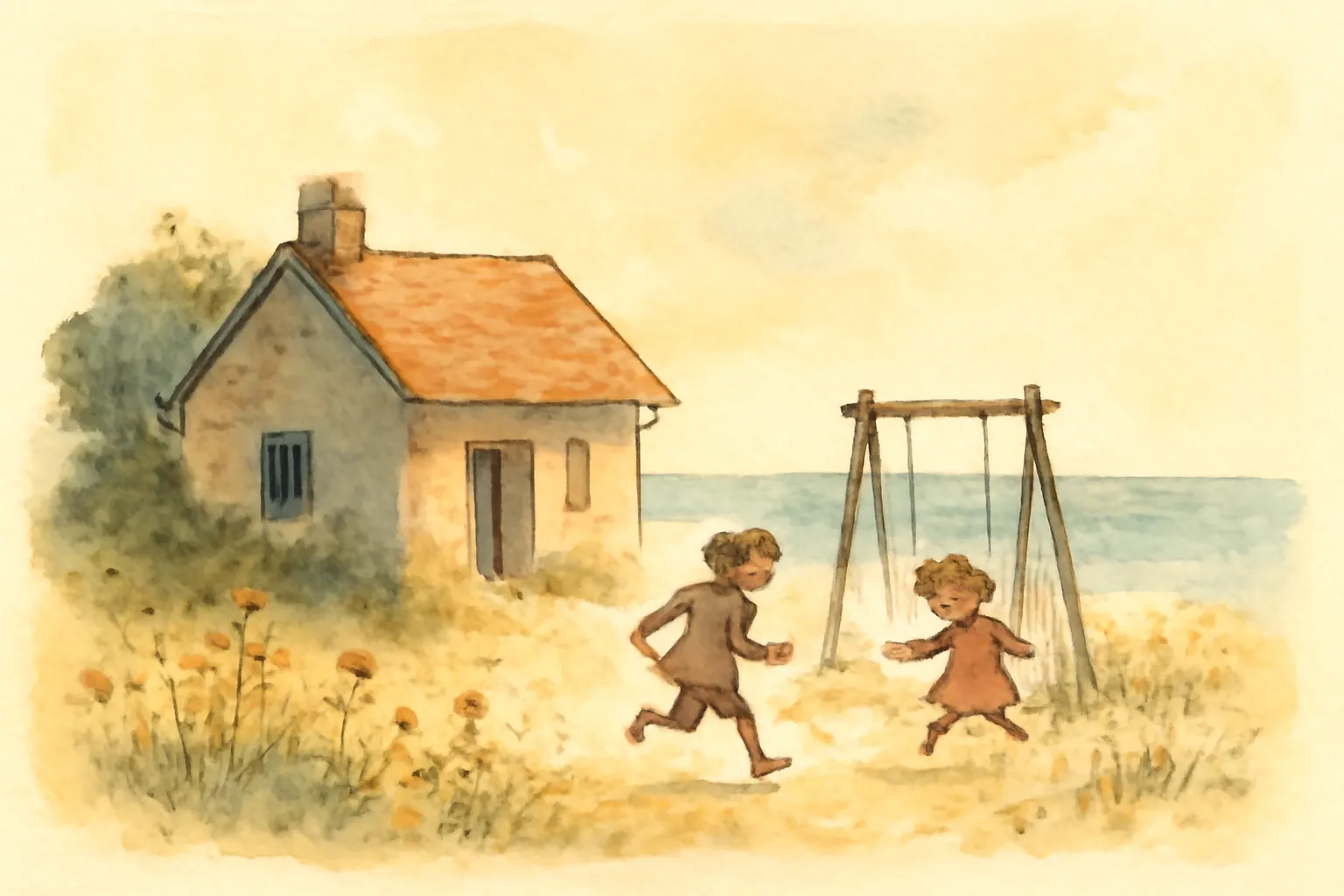
The novel beautifully captures the essence of childhood innocence through the playful interactions of Amy and her sisters, Allie and Daisy. Their carefree banter and simple joys, such as engaging in arithmetic puzzles or dreaming of adventures, reflect a world brimming with possibilities. The author illustrates how children perceive social hierarchies and class distinctions, as seen in Allie's initial reluctance to accept that a servant-boy like Jim could be knowledgeable about arithmetic. This innocence is portrayed not only in their actions but also in their imaginative interpretations of adult behaviors. For example, the excitement of the girls when faced with challenges—like solving a complex arithmetic problem—emphasizes their determination and the way children embrace learning with enthusiasm. The juxtaposition of their innocent exploits against the complexities of adult life serves to highlight the bittersweet nature of growing up, making readers nostalgic for their own experiences of innocence and the gradual loss of that simplicity.
2.Class Distinctions and Social Norms

Mathews explores the theme of social class through the characters' interactions and perceptions, particularly evident in the attitudes of Allie towards Jim. Allie's initial disdain for Jim's superior knowledge illustrates how children absorb societal prejudices and class distinctions from a young age. The narrative highlights the arbitrary nature of such divisions, as the children's true friendships often transcend social barriers. For instance, when Allie is faced with the realization that Jim, a servant, might know more than she does, it challenges her worldview and sparks internal conflict. This theme encourages readers to reflect on their own biases and the ways in which societal expectations shape our interactions with others. The character of Captain Yorke, who interacts with the children without regard for social hierarchy, serves as a counterpoint, demonstrating that egalitarianism can flourish in childhood friendships. This exploration of class distinctions invites readers to critically assess the prejudices present in their own lives and consider how social norms influence their perceptions of others.
3.The Role of Mentorship and Guidance
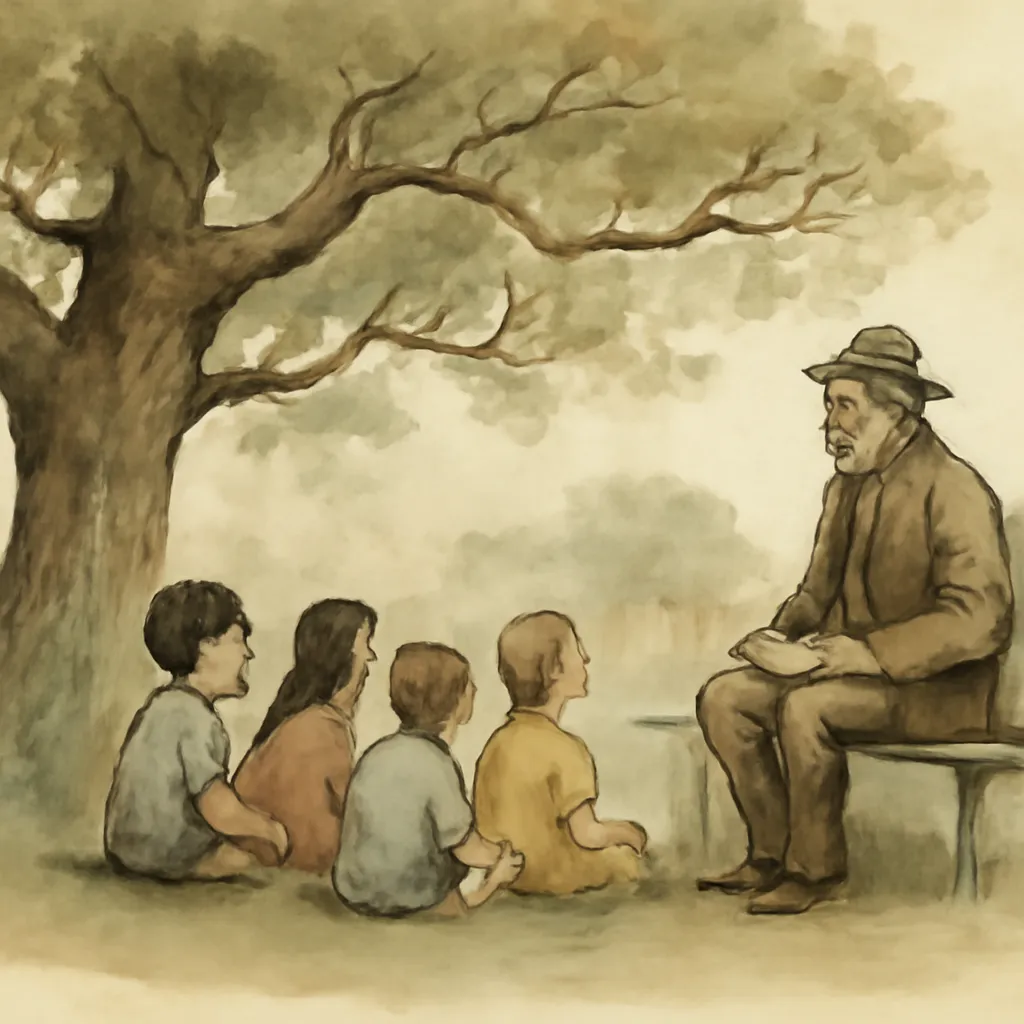
Uncle Rutherford embodies the archetype of the wise mentor, providing guidance and support to the younger characters, particularly Jim. His observations about Jim's temper and character development exemplify the importance of mentorship in shaping a young person's moral compass. Uncle Rutherford’s patient demeanor and thoughtful advice help foster Jim’s understanding of responsibility and integrity. For example, when Uncle Rutherford discusses Jim's challenges at school, it is not just about academics; he encourages Jim to reflect on his actions and emotions. This interaction showcases the significant role that supportive adult figures play in the lives of children, illustrating how mentorship can inspire growth and resilience. Through Uncle Rutherford's guidance, Jim learns valuable lessons about self-control, respect, and the importance of character, all of which resonate with readers and highlight the profound impact of mentorship in forming a young person's identity.
4.Navigating Moral Dilemmas

The characters in the story grapple with moral dilemmas that challenge their values and beliefs, offering a rich exploration of ethics in childhood. Amy’s confession about her diamond earrings serves as a pivotal moment in the narrative, revealing her internal struggles with guilt and the desire for redemption. Her initial pride and subsequent shame illustrate the complexity of moral understanding at a young age. The reactions of Uncle Rutherford and Aunt Emily showcase the importance of compassion and understanding when addressing wrongdoing. Rather than condemning Amy, they focus on her emotional journey and the lessons she learns from her mistakes. This approach emphasizes the idea that moral development is not simply about adhering to rules but about understanding the consequences of one's actions. Throughout the story, characters are faced with choices that test their character and force them to consider the impact of their decisions on others. This theme resonates deeply with readers, prompting them to reflect on their own ethical frameworks and the importance of empathy in navigating moral challenges.
5.Friendship and Loyalty

The bonds of friendship among the children are central to the narrative, illustrating the importance of loyalty and support in their lives. Amy, Allie, and Daisy share a deep affection for one another, navigating the challenges of childhood together with a sense of camaraderie. Their friendships are characterized by playful exchanges, shared secrets, and mutual respect, demonstrating how these relationships are foundational to their development. Jim's friendship with the girls further exemplifies this theme, as he gains support and encouragement from them during his struggles. The children's loyalty is tested when conflicts arise, such as Jim's altercation with Theodore Yorke. This incident not only highlights the importance of standing up for one another but also demonstrates the complexities of loyalty when it comes to moral choices. The exploration of friendship and loyalty enriches the narrative, making it relatable and poignant as readers reflect on their own experiences with these values.
6.The Importance of Family
Family dynamics are intricately woven into the fabric of the story, with each character representing different facets of familial relationships. Amy’s interactions with her parents, Uncle Rutherford, and Aunt Emily reveal the nurturing and supportive environment in which she is raised. The contrast between the Rutherford family and the troubled Yorke family underscores the varying influences of family on a child's development. Amy's family embodies love and guidance, while Theodore's chaotic home life illustrates the potential negative impact of an unstable environment. The warmth and support provided by Uncle Rutherford and Aunt Emily serve as a stabilizing force for Amy and her sisters, contrasting sharply with the challenges faced by Theodore. This theme emphasizes that a strong family foundation is critical in fostering resilience and moral integrity, ultimately shaping a child's character and choices as they grow up.
7.The Journey of Self-Discovery
Amy's journey throughout the novel is one of self-discovery, as she confronts her personal shortcomings and learns valuable life lessons. Initially, her pride in her education and social status is challenged by her experiences with Jim and her reflections on her own moral failings. As she navigates relationships with friends and family, Amy begins to understand the importance of humility, empathy, and personal growth. Her process of confessing her mistakes and seeking forgiveness becomes a significant turning point in her character development. This theme resonates with readers, as it reflects the universal experience of growing up and the ongoing journey of understanding oneself in relation to the world. The story encourages readers to embrace their own journeys of self-discovery and to learn from their experiences, highlighting that self-awareness and reflection are critical aspects of becoming a well-rounded individual.
8.The Impact of Environment on Character

The story's setting plays a crucial role in shaping the characters and their experiences. The contrasting environments of the seaside summer home and the bustling city highlight the different challenges and opportunities faced by the children. The seaside represents freedom, play, and innocence, while the city embodies complexity and moral ambiguity. Jim's experiences in the city, particularly his encounters with Theodore and the pressures of school, showcase how environment influences behavior and character development. For instance, the distractions and temptations of urban life present unique challenges that test Jim's integrity, compelling him to navigate a landscape filled with ethical dilemmas. The narrative suggests that one's surroundings can either nurture or hinder personal growth, prompting readers to reflect on how their own environments shape their values, choices, and identities. This exploration of setting enriches the story by providing a deeper understanding of the characters' journeys and the pressures exerted by their environments.
9.The Value of Kindness and Compassion
Acts of kindness and compassion are pivotal moments that influence the characters' development throughout the novel. Uncle Rutherford's patient guidance, Aunt Emily's nurturing presence, and the children's willingness to support one another illustrate the profound impact of kindness on relationships. For example, the support shown to Jim during his struggles with temper and school challenges highlights how understanding and empathy can foster personal growth. The narrative emphasizes that small gestures of compassion can lead to significant changes in individuals and their interactions. This theme encourages readers to consider the importance of kindness in their own lives and the ripple effect it can have on their communities, reinforcing the idea that compassion is a vital component of moral character. By portraying kindness as an essential value, Mathews invites readers to reflect on how they can contribute positively to the lives of others.