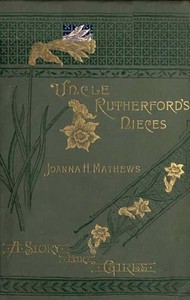

A charming exploration of childhood innocence, social class, and moral lessons through the eyes of a young girl and her family
Read full overviewShow less›
In 'Uncle Rutherford's Nieces: A Story for Girls,' Joanna H. Mathews invites readers into the world of Amy Rutherford, a young girl navigating the complexities of family dynamics, childhood friendships, and the moral lessons that come with growing up. Set against the backdrop of summer days at the seaside and the bustling life of the city, the story weaves together the innocence of childhood with deeper themes of social class distinctions and personal integrity. Through engaging characters such as the spirited Allie, the mischievous Jim, and the wise Uncle Rutherford, readers are treated to a heartfelt narrative that balances humor and serious reflection. As Amy grapples with her own identity and responsibilities, the story encourages readers to reflect on their values and the impact of their choices on themselves and those around them. Ultimately, this delightful tale serves as both a charming coming-of-age story and a thoughtful commentary on the virtues of kindness and character.
In 'Uncle Rutherford's Nieces: A Story for Girls,' Joanna H. Mathews crafts a rich tapestry of childhood experiences that resonate with readers of all ages. Through the lens of Amy and her family, the narrative delves into themes of innocence, social class, mentorship, and moral development, encouraging introspection and growth. The characters' journeys remind us of the importance of kindness, the influence of family, and the complexities of navigating friendships and personal dilemmas. Ultimately, the story serves as a reminder that our choices shape our character and that the lessons learned in childhood can have lasting impacts on our lives. This timeless tale continues to inspire readers to embrace their own journeys of self-discovery and to cultivate compassion in their interactions with others.
- 1The Innocence of Childhood
- 2Class Distinctions and Social Norms
- 3The Role of Mentorship and Guidance
- 4Navigating Moral Dilemmas
- 5Friendship and Loyalty
Notable quotes
“I can't make it out, Jim: it's too hard. You are too mixed up.”
“You've jes' about made up yer mind to do.”
“I do want awful bad to do credit to Miss Milly.”
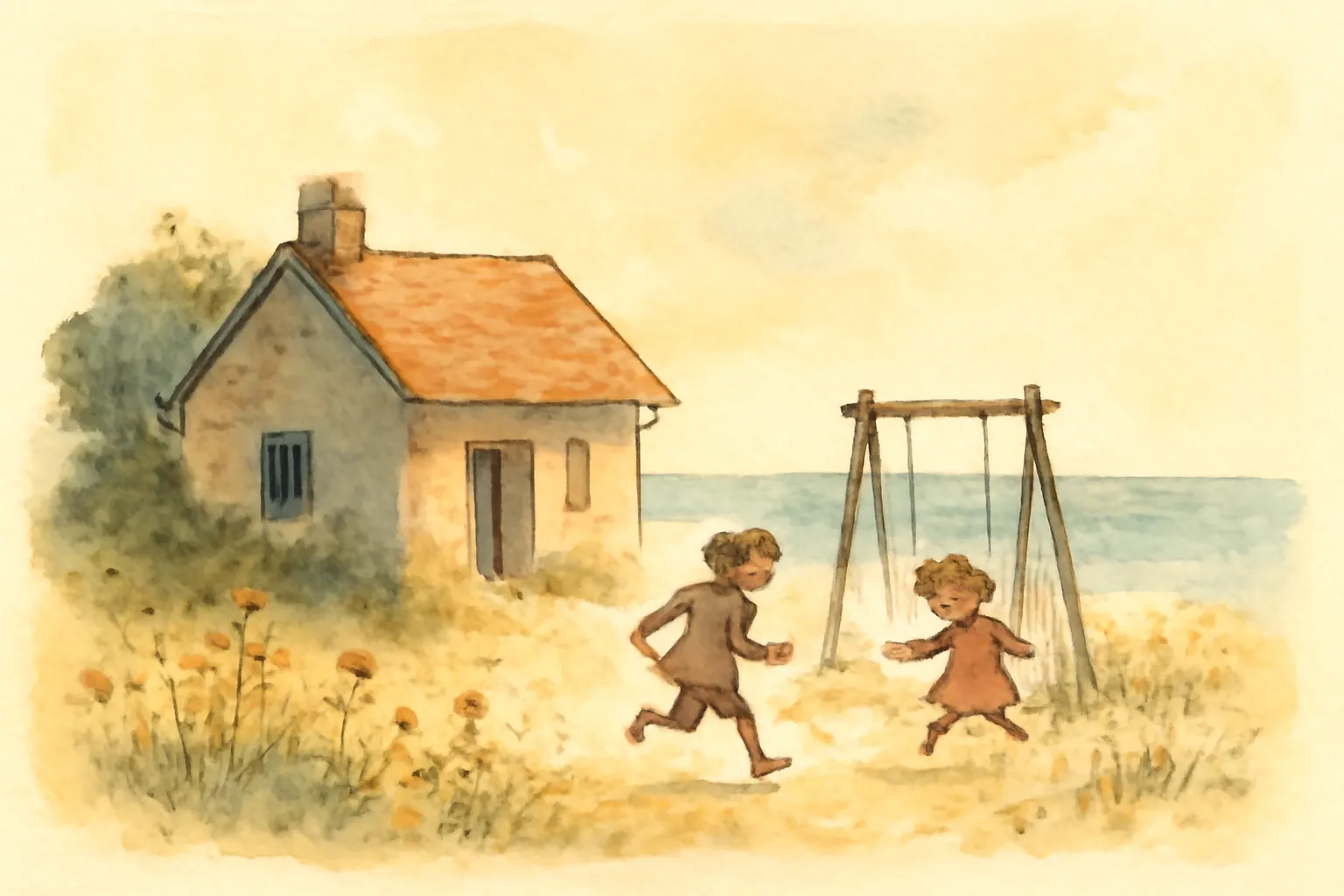
A glimpse inside

The novel beautifully captures the essence of childhood innocence through the playful interactions of Amy and her sisters, Allie and Daisy. Read moreThe novel beautifully captures the essence of childhood innocence through the playful interactions of Amy and her sisters, Allie and Daisy. Their carefree banter and simple joys, such as engaging in arithmetic puzzles or dreaming of adventures, reflect a world brimming with possibilities. The author illustrates how children perceive social hierarchies and class distinctions, as seen in Allie's initial reluctance to accept that a servant-boy like Jim could be knowledgeable about arithmetic. This innocence is portrayed not only in their actions but also in their imaginative interpretations of adult behaviors. For example, the excitement of the girls when faced with challenges—like solving a complex arithmetic problem—emphasizes their determination and the way children embrace learning with enthusiasm. The juxtaposition of their innocent exploits against the complexities of adult life serves to highlight the bittersweet nature of growing up, making readers nostalgic for their own experiences of innocence and the gradual loss of that simplicity. Show less
Mathews explores the theme of social class through the characters' interactions and perceptions, particularly evident in the attitudes of Allie towards Jim. Read moreMathews explores the theme of social class through the characters' interactions and perceptions, particularly evident in the attitudes of Allie towards Jim. Allie's initial disdain for Jim's superior knowledge illustrates how children absorb societal prejudices and class distinctions from a young age. The narrative highlights the arbitrary nature of such divisions, as the children's true friendships often transcend social barriers. For instance, when Allie is faced with the realization that Jim, a servant, might know more than she does, it challenges her worldview and sparks internal conflict. This theme encourages readers to reflect on their own biases and the ways in which societal expectations shape our interactions with others. The character of Captain Yorke, who interacts with the children without regard for social hierarchy, serves as a counterpoint, demonstrating that egalitarianism can flourish in childhood friendships. This exploration of class distinctions invites readers to critically assess the prejudices present in their own lives and consider how social norms influence their perceptions of others. Show less
Read the full text — free
About the author
Read Joanna H. Mathews's work free on Lumina — the complete text plus an 8-minute summary and key ideas, no account needed