1.The Stormy Setting as a Reflection of Inner Turmoil
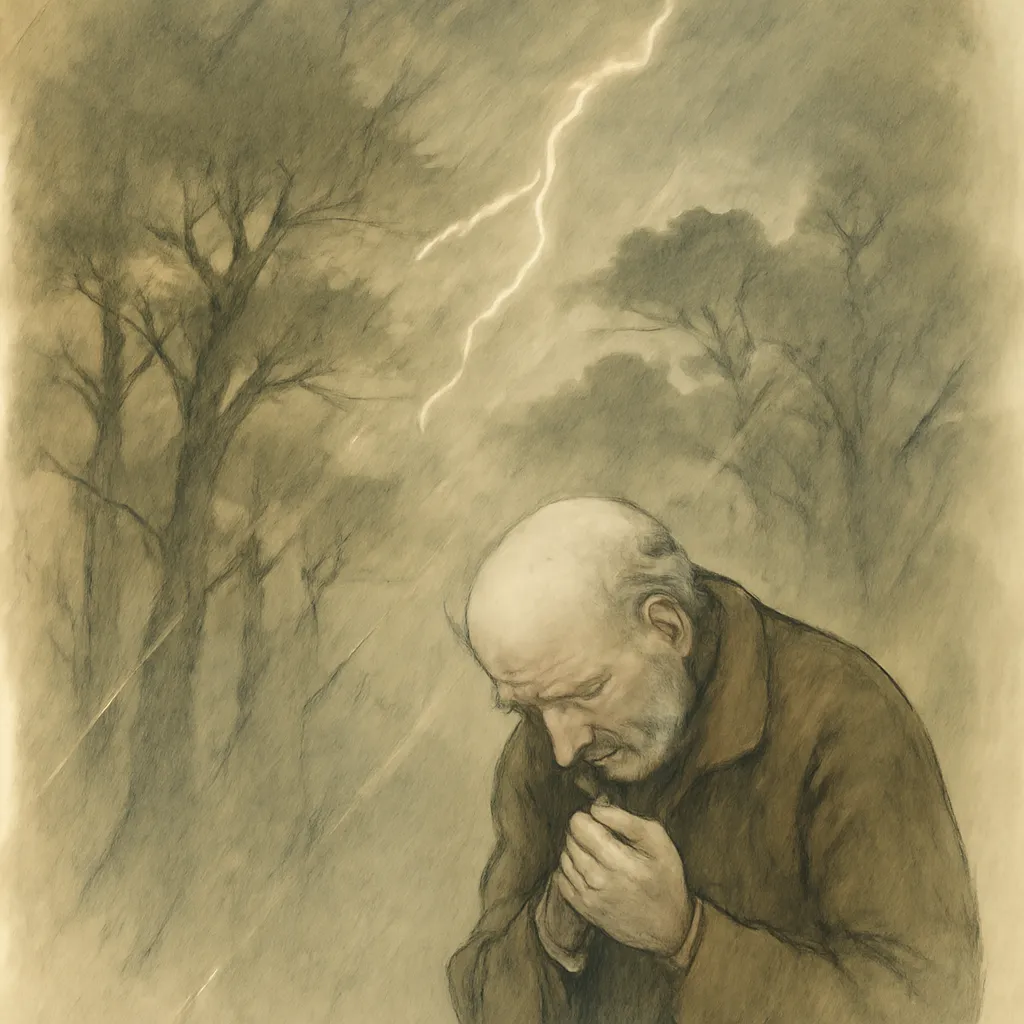
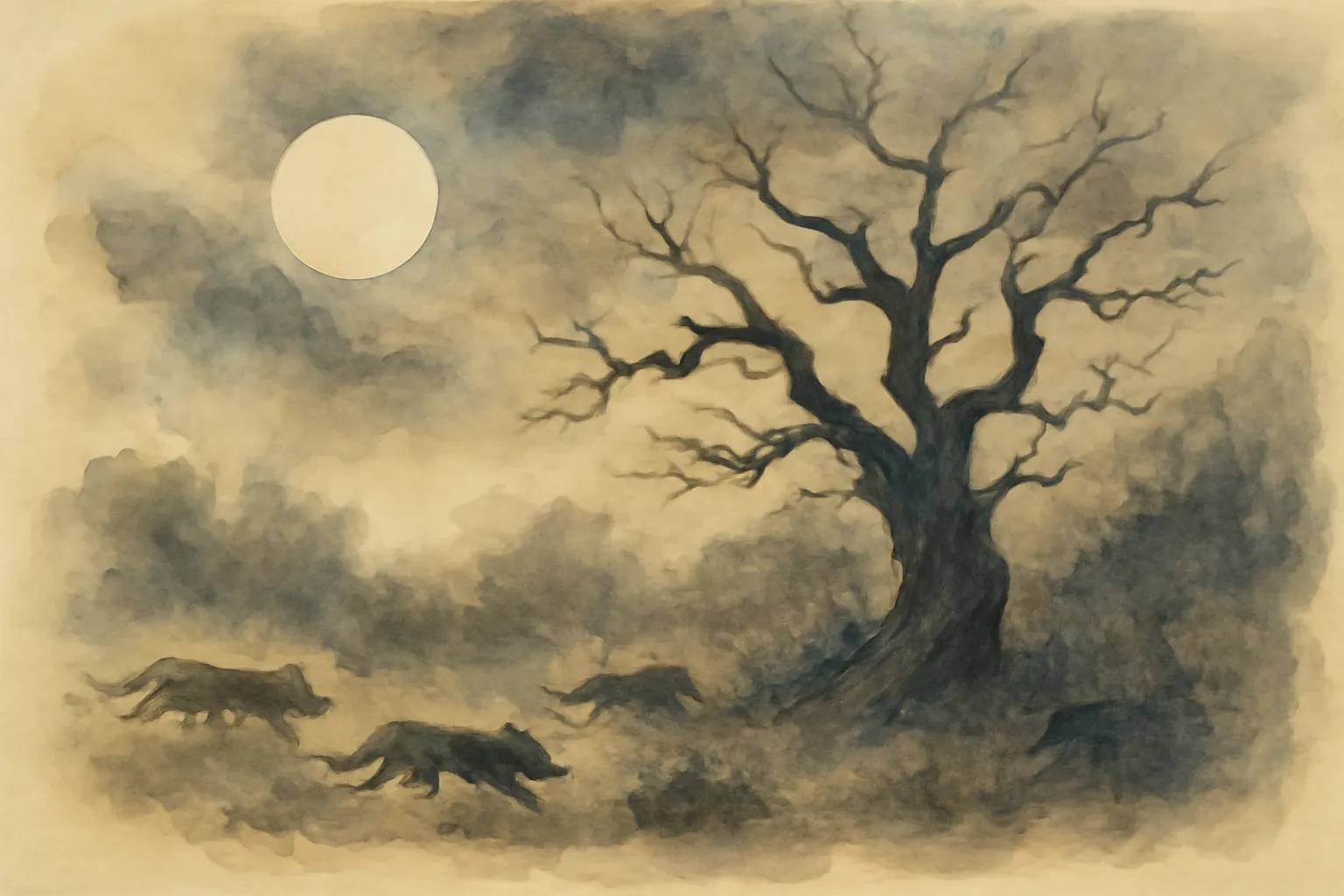
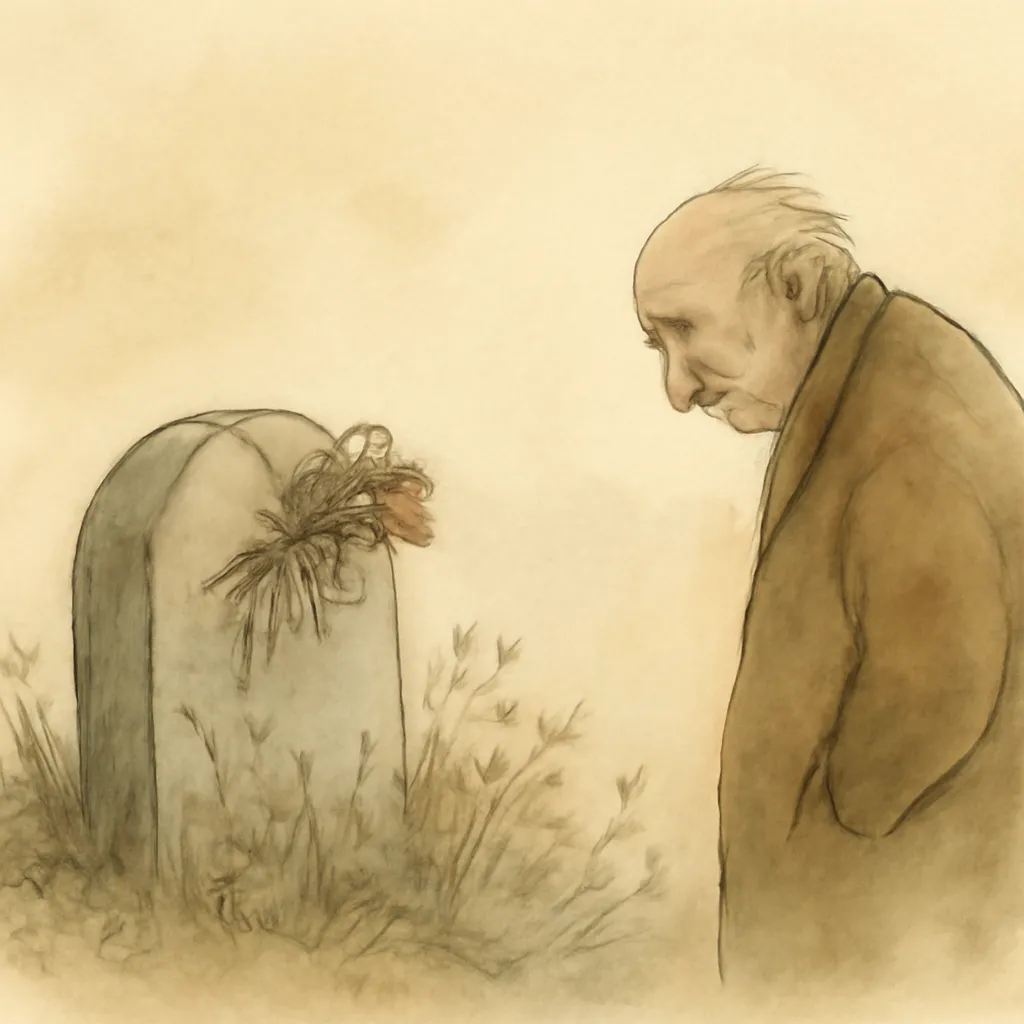
The novel opens with a vivid description of a tempestuous night in the Black Forest, setting a tone of chaos and foreboding. This environment mirrors the emotional states of the characters, particularly the old man mourning the loss of his granddaughter. The storm serves as a metaphor for the turmoil that will unfold throughout the narrative, symbolizing the inner conflicts and dark secrets that plague the characters. Nature itself appears to be alive with the echoes of anguish, as the howling winds and creaking trees suggest the presence of evil spirits. This atmospheric introduction establishes a connection between the external world and the internal struggles of the characters, foreshadowing the tragic events that will transpire. The contrast between the beautiful yet dangerous forest and the emotional chaos of the characters highlights the theme of nature as an active participant in human affairs, illustrating how external conditions can reflect internal states.
2.Familial Bonds and the Weight of Legacy
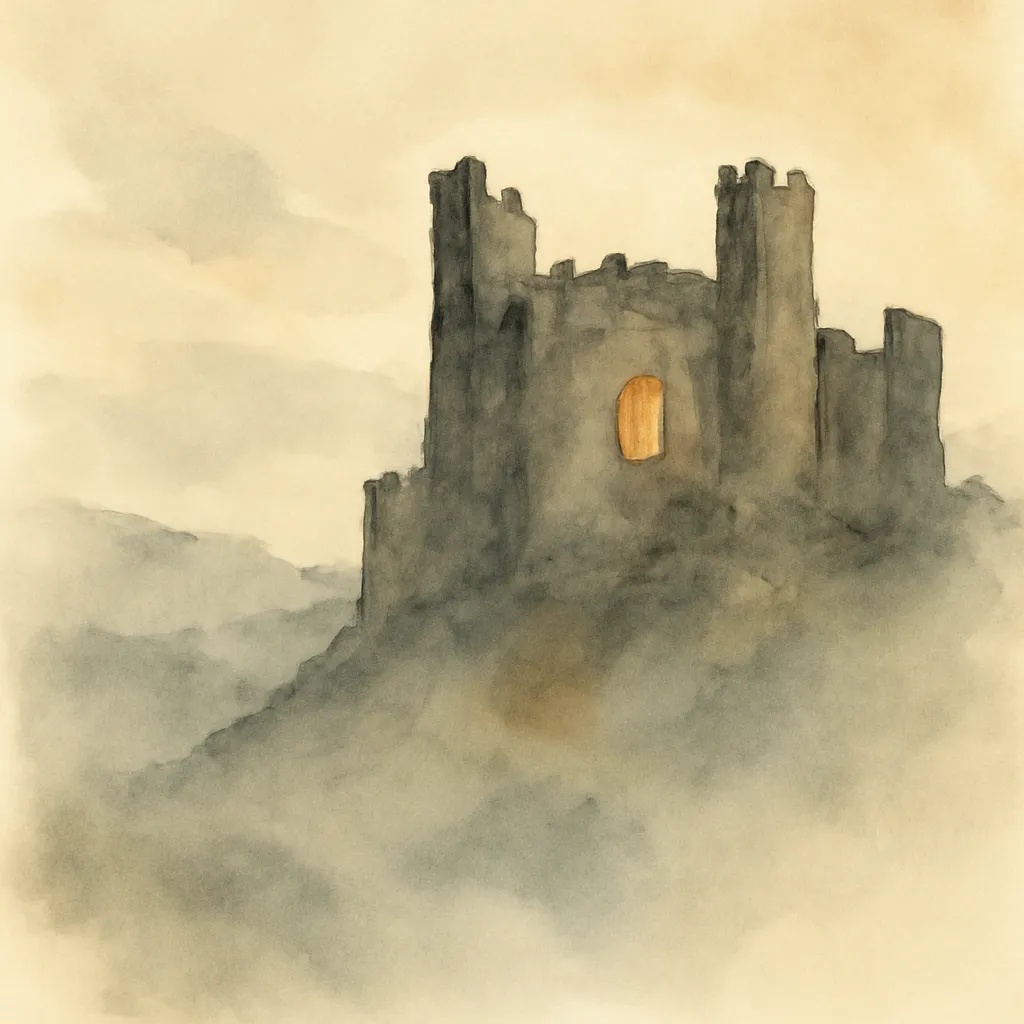
The relationship between Francisco and his sister Nisida reveals the complex dynamics of familial love and responsibility. After the death of their father, Francisco inherits not only the title of Count but also the burden of his father's legacy, which includes the dark secrets tied to their family history. The siblings' bond is tested as they navigate their father's will, which stipulates that Francisco must wait until he is thirty to fully claim his inheritance. This delay creates a tension that drives Francisco's actions and decisions, as he grapples with the expectations placed upon him. The weight of legacy shapes their identities and influences their choices, highlighting how familial obligations can complicate personal desires and ambitions. The story illustrates how such responsibilities can lead individuals to make choices they might not otherwise consider, ultimately questioning whether they should prioritize personal happiness or familial duty.
3.Love as a Source of Strength and Vulnerability

Nisida's passion for Wagner exemplifies the dual nature of love—it can empower and devastate. Her feelings for Wagner are intense, stemming from a deep-seated desire that borders on obsession. This ardent affection transforms her, making her both vulnerable and fiercely protective. When Wagner's mysterious behavior raises doubts in her mind, her love turns to jealousy and suspicion, showcasing how love can warp emotions and lead to destructive actions. Conversely, Wagner's love for Agnes highlights a more innocent and nurturing aspect of affection, contrasting with Nisida's tumultuous feelings. The interplay of these different expressions of love emphasizes that passion can inspire noble deeds or lead to catastrophic consequences. This exploration of love's complexities underscores the idea that love can lead individuals to both great heights and profound lows, often blurring the lines between devotion and madness, which ultimately complicates the characters’ lives.
4.The Role of Fate and Free Will in Human Affairs

The narrative grapples with the tension between fate and free will, particularly through Wagner's character. After being granted a second chance at life, he finds himself entangled in a web of supernatural forces that dictate his destiny. The choices he makes, driven by love and ambition, are constantly influenced by external circumstances, raising questions about the extent of his agency. As he confronts the consequences of his actions, the story suggests that while individuals may strive for control over their lives, they are often at the mercy of larger, uncontrollable forces. This philosophical inquiry invites readers to reflect on their own lives and the balance between personal choices and the unpredictable nature of fate. Wagner's struggle to navigate his newfound existence serves as a poignant reminder of the delicate interplay between destiny and individual choice, ultimately questioning whether one can ever truly escape their fate.
5.The Haunting Presence of the Past
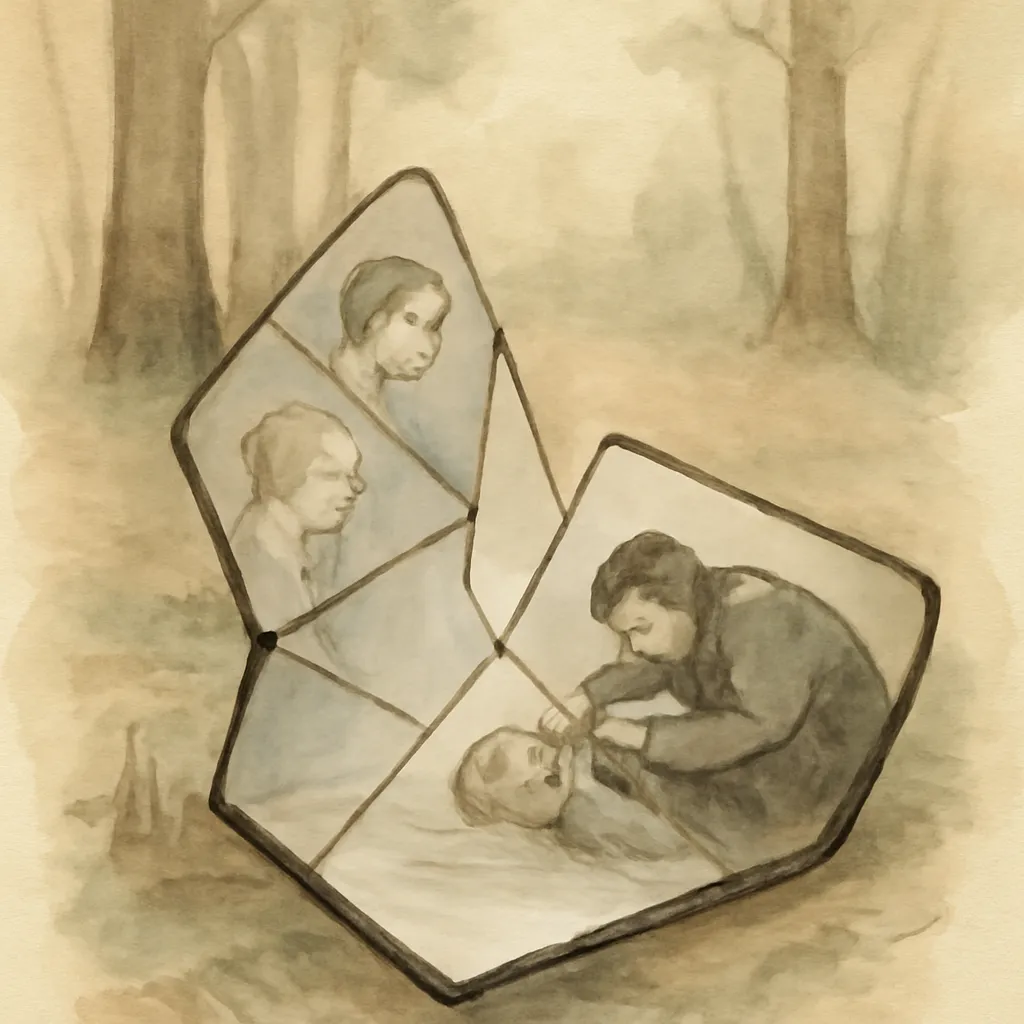
The characters in 'Wagner, the Wehr-Wolf' are haunted by their pasts, which shape their identities and influence their current actions. The old man in the Black Forest, mourning his lost family, embodies the lingering grief that can consume a person's life. His granddaughter's disappearance is a constant reminder of his losses, urging him to seek answers and closure. Similarly, Francisco's struggle with his father's legacy looms over him, manifesting in his desire to prove himself worthy of the title he has inherited. The past is not merely a backdrop but an active force in the characters' lives, propelling them toward decisions that reverberate through time. This theme of the past's haunting influence speaks to the universal human experience of grappling with memories and unresolved issues, suggesting that the past remains an integral part of one’s identity.
6.The Dichotomy of Good and Evil
The novel presents a rich tapestry of characters embodying the complexities of good and evil. Characters like Wagner grapple with inner demons and moral dilemmas, blurring the lines between heroism and villainy. The supernatural elements introduce a sense of malevolence, particularly through the concept of the Wehr-Wolf, which symbolizes the darker aspects of human nature. This duality is reflected in the relationships between characters, where love can inspire noble actions or lead to betrayal and violence. The exploration of good versus evil serves as a central theme, prompting readers to consider the motivations behind each character's choices and the consequences that arise from their actions. The moral ambiguity enhances the narrative's depth, inviting contemplation on the nature of humanity and the choices that define one's character.
7.The Influence of Supernatural Forces
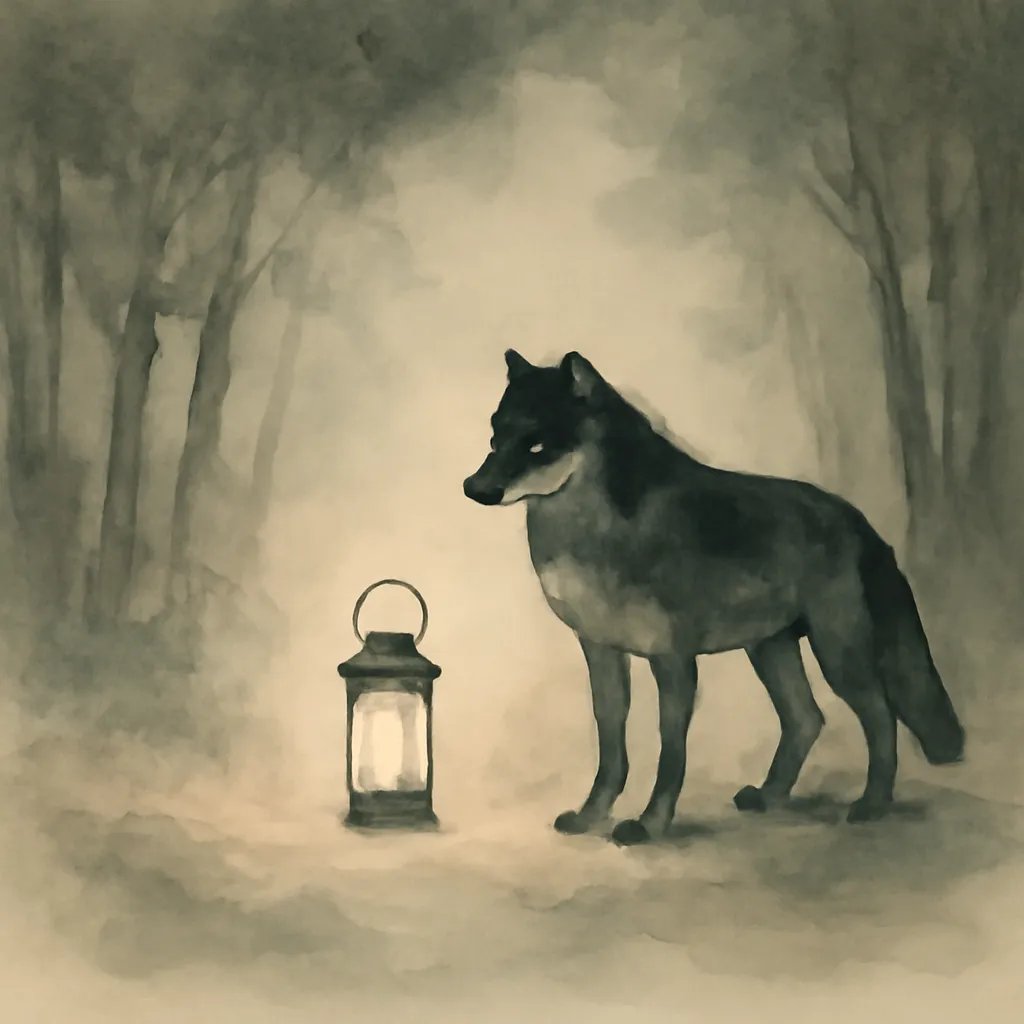
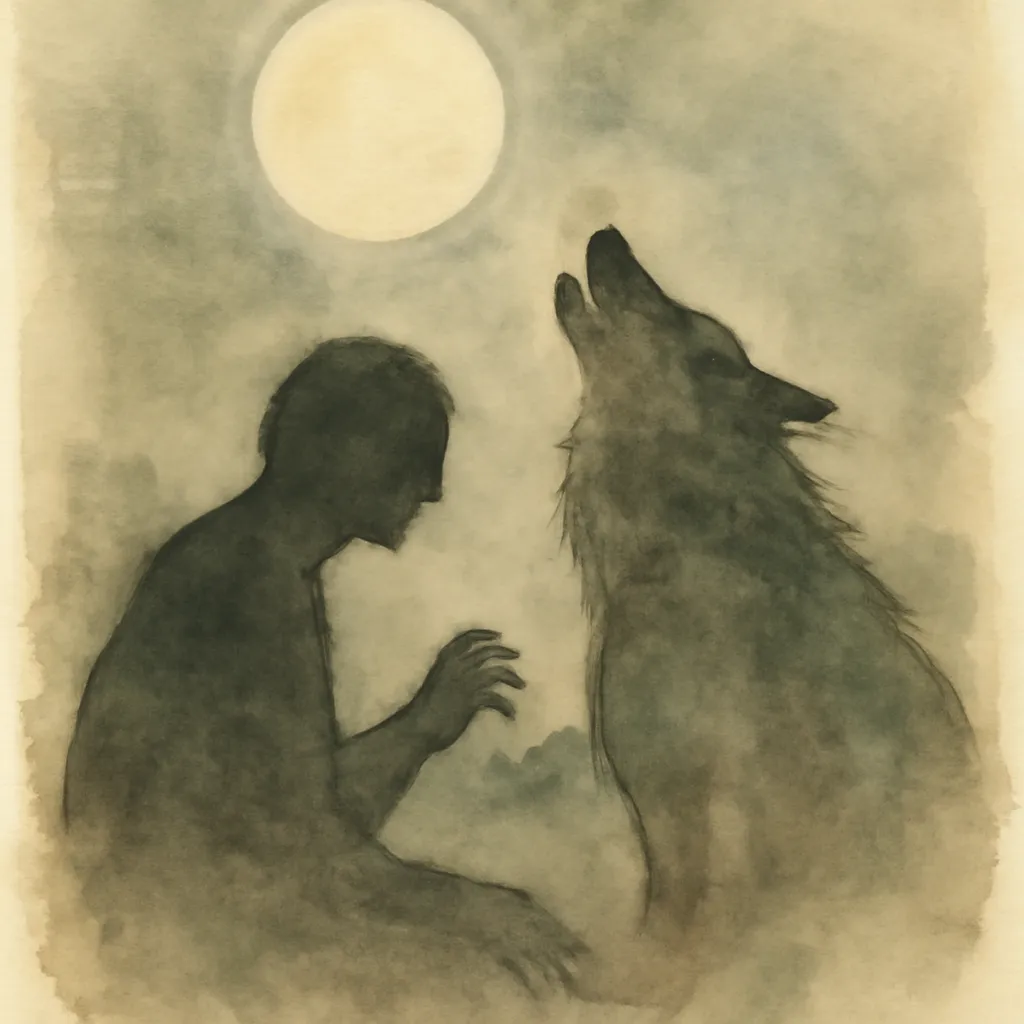
Supernatural elements play a crucial role in 'Wagner, the Wehr-Wolf', particularly in shaping the characters' fates and experiences. The Wehr-Wolf itself serves as a symbol of transformation and the darker side of existence, representing the primal instincts that lie beneath the surface of civilized behavior. Characters are often confronted with forces beyond their understanding, leading to a sense of helplessness as they navigate the repercussions of their actions. The presence of these supernatural elements adds layers of complexity to the narrative, suggesting that human affairs are intertwined with mystical forces that can alter the course of lives. This interplay between reality and the supernatural invites readers to explore themes of belief, fear, and the unknown, emphasizing that the boundaries of human experience may extend beyond what is seen and understood.
8.The Consequences of Betrayal and Revenge
Betrayal emerges as a significant theme, driving the narrative forward and leading to tragic outcomes. Characters who act out of jealousy or vengeance find themselves entangled in a cycle of retribution that spirals out of control. The consequences of these actions are profound, affecting not only the individuals involved but also their loved ones. For instance, the repercussions of Agnes's murder ripple through the lives of those who cared for her, illustrating how betrayal can destroy relationships and lead to irreversible damage. The exploration of revenge highlights the destructive nature of such desires, ultimately questioning whether justice can ever truly be served. The narrative suggests that the quest for vengeance can consume individuals, leading them to become what they despise, further complicating their emotional landscape and moral standing.
9.The Search for Identity and Belonging
Characters in the novel are often on quests for identity and belonging, struggling to find their places in a world filled with chaos and uncertainty. Wagner's journey is emblematic of this search, as he grapples with his past and the implications of his second chance at life. His relationships with Agnes and Nisida further complicate his sense of self, as he navigates the expectations and emotions of those around him. Similarly, Francisco's desire to honor his father's legacy while forging his own path speaks to the universal struggle for identity amidst familial pressures. This exploration of identity resonates deeply, as it reflects the fundamental human desire to understand oneself and find a sense of belonging in a complex world, emphasizing that identity is not a fixed trait but a fluid construct shaped by experiences and relationships.
10.The Power of Secrets and Lies
Secrets and lies are pivotal to the unfolding drama in 'Wagner, the Wehr-Wolf', as characters grapple with hidden truths that shape their relationships and fates. The tension created by these secrets drives the plot, leading to misunderstandings and tragic consequences. Characters like Nisida and Francisco harbor secrets that, if revealed, could alter the course of their lives and those of others. The novel highlights how secrets can bind individuals together or tear them apart, illustrating the fragile nature of trust and the devastating impact of deception. This theme underscores the complexity of human interactions, reminding readers of the delicate balance between truth and the desire to protect oneself or others from painful realities. The consequences of these secrets often lead to a cascade of events that spiral beyond the characters' control, showcasing the far-reaching implications of lies.