Fiction
Wagner, the Wehr-Wolf by George W. M. Reynolds — Summary, Key Ideas & Full Text
626 pages65 chapters12h 34m read8h 55m speed read✦ 9-min Big ideasFree · no account
Rate it
Unravel the intertwining fates of love, betrayal, and the supernatural in 'Wagner, the Wehr-Wolf'
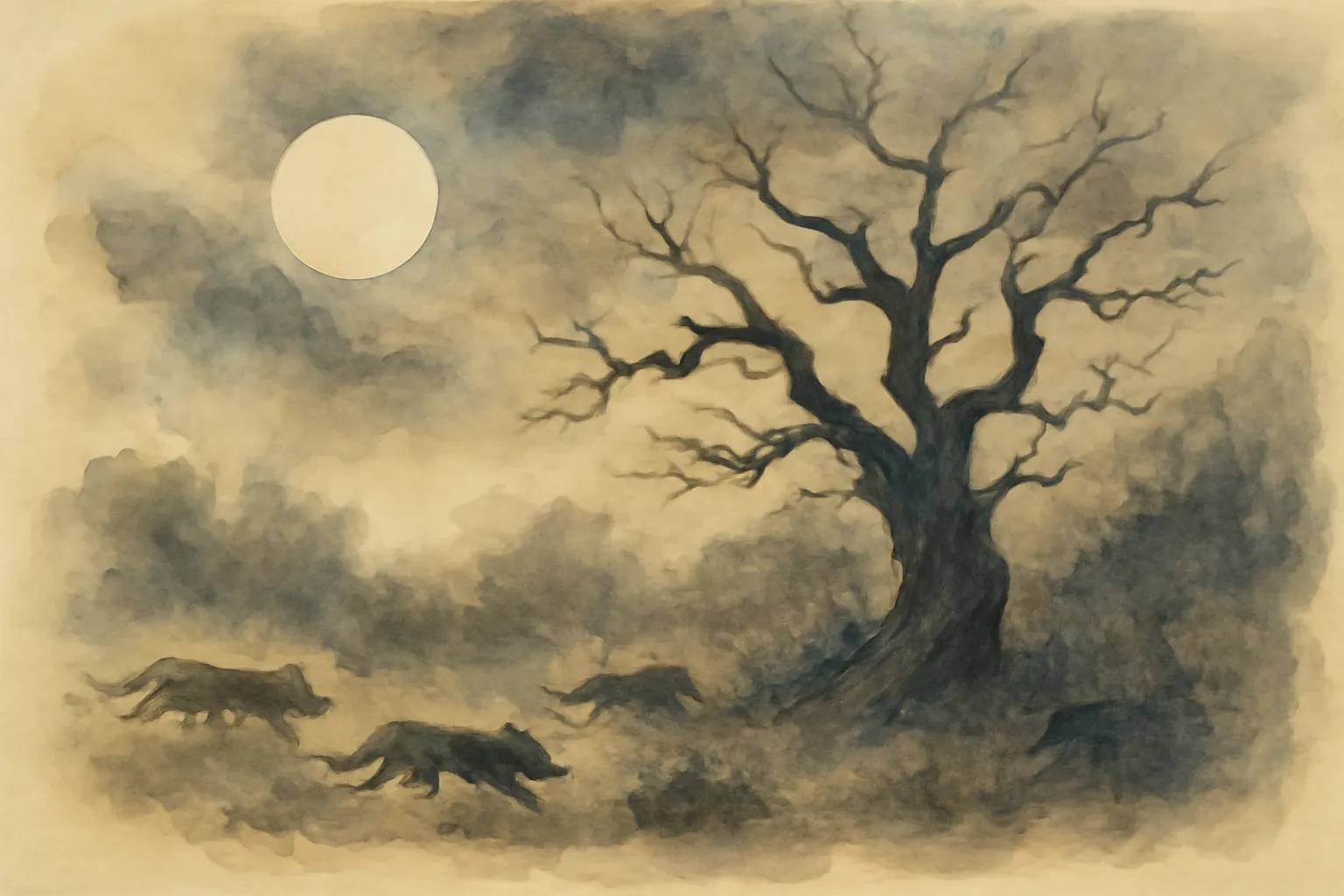
Set against the backdrop of the tumultuous 16th century in Florence and the eerie Black Forest of Germany, 'Wagner, the Wehr-Wolf' weaves a tale of passion, revenge, and supernatural elements that captivate the reader. As characters navigate love's complexities and the looming threat of dark forces, the narrative explores deep emotional landscapes and moral dilemmas. Readers will witness the consequences of choices made in moments of passion and desperation, as well as the haunting effects of loss and betrayal. This rich tapestry of human experience invites reflection on the nature of love, the depths of despair, and the dark side of ambition. Prepare to be immersed in a story where every character's fate is intricately linked, revealing the shadows that lurk beneath the surface of desire and vengeance.
In 'Wagner, the Wehr-Wolf', George W. M. Reynolds crafts a compelling narrative that intertwines the lives of its characters through themes of love, betrayal, and the supernatural. The exploration of these themes invites readers to reflect on their own experiences with passion, loss, and the consequences of choices made in moments of emotional turmoil. As the characters navigate their intertwined fates, the story serves as a poignant reminder of the fragility of human relationships and the haunting effects of the past. Ultimately, the novel challenges readers to consider the complexities of good and evil, the influence of fate, and the enduring power of love in shaping the human experience.
“The sad—the chilling conviction therefore, went to the old man's heart, that the only being left to solace him on earth, had dese.”
“For even the winter sunset of Italy is accompanied with resplendent tints—as if an emperor, decked with a refulgent diadem, were repairing to his imperial couch.”
“And stretching forth her snowy arms (for it was round the waist and by the feet that she was fastened to the chair), she convulsively placed her open palms against the wooden walls of the pit, as if she could by that spasmodic movement arrest the descent of the terrible apparatus that was bearing her down into that hideous, unknown gulf!”
Read George W. M. Reynolds's work free on Lumina — the complete text plus an 8-minute summary and key ideas, no account needed