1.The Interplay of Personal and Historical Narratives
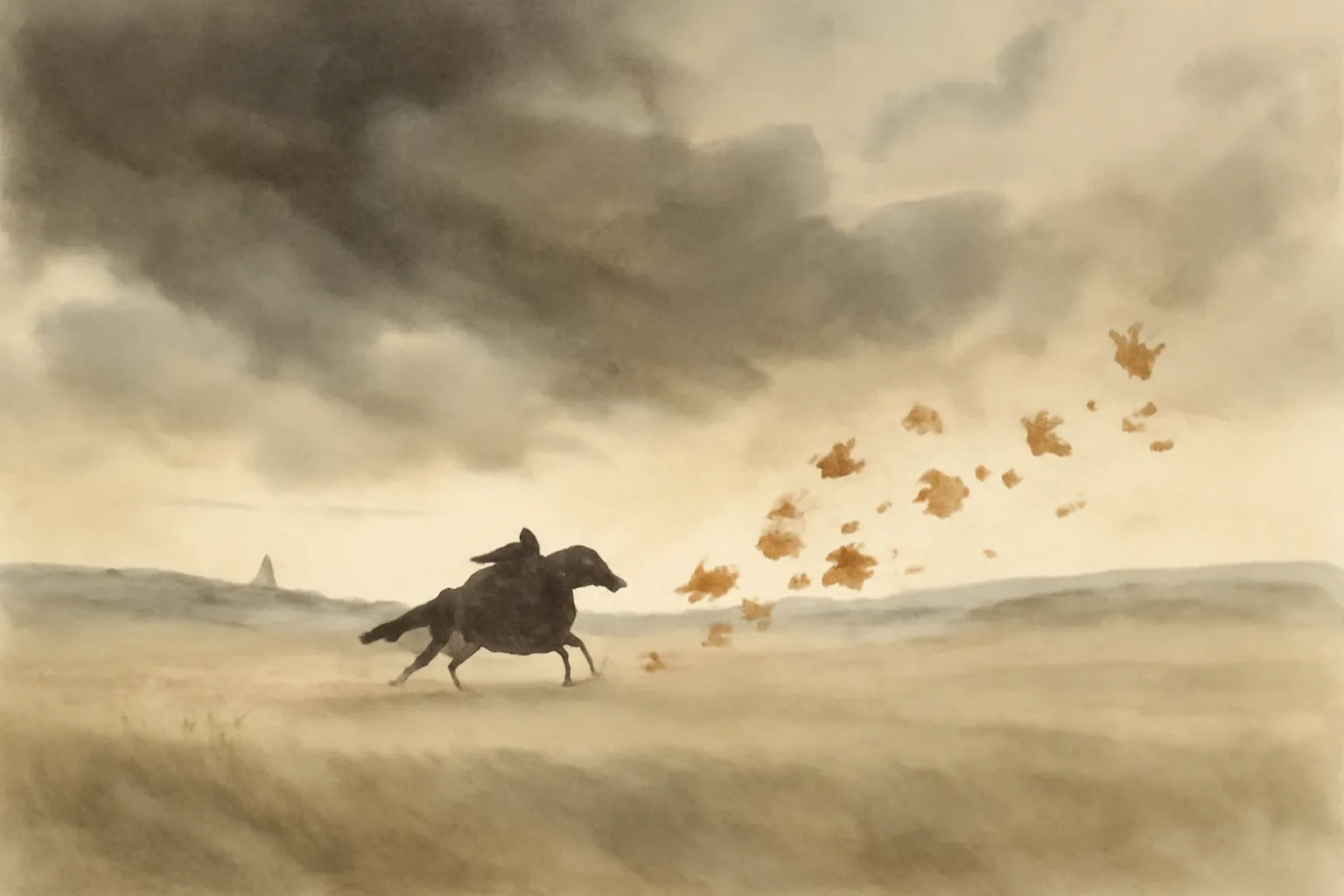
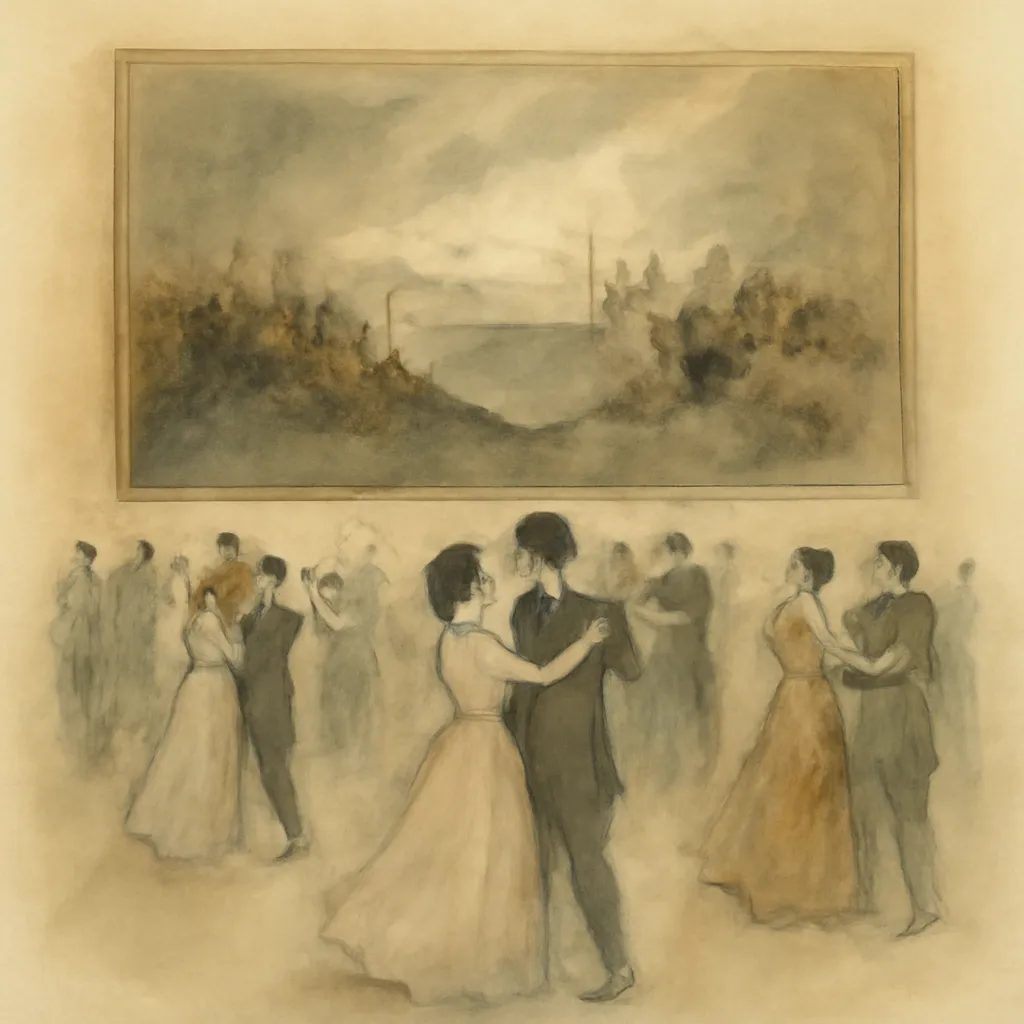
Tolstoy masterfully intertwines personal stories with historical events, illustrating how the lives of individuals are shaped by the larger currents of history. The characters experience love, loss, and transformation amidst the backdrop of the Napoleonic Wars, making their struggles relatable and timeless. For instance, Pierre Bezukhov's journey from a socially awkward outsider to a man of purpose mirrors the chaotic changes in society. Similarly, Prince Andrei's disillusionment with the aristocratic lifestyle reflects the broader societal upheaval as Russia confronts the realities of war. This dual narrative structure emphasizes the idea that personal experiences are deeply influenced by historical forces, urging readers to consider their own place within the continuum of time.
2.The Nature of War
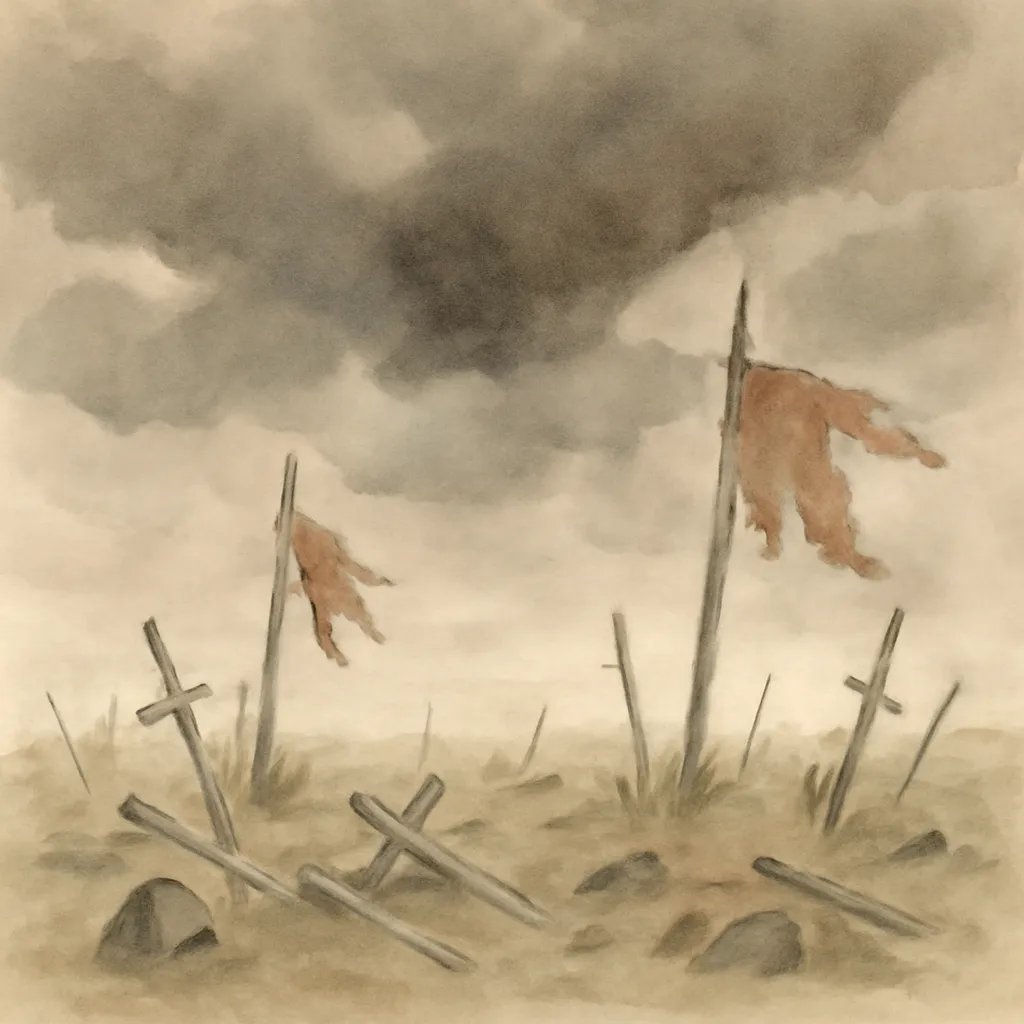
War in 'War and Peace' is depicted not just as a series of battles, but as a profound force that alters the fabric of society and individual lives. Tolstoy presents war as chaotic and unpredictable, challenging the romantic notions of heroism and glory. Through the experiences of characters like Prince Andrei and Pierre, readers witness the brutality and senselessness of conflict. The narrative does not shy away from the horrors of war; instead, it confronts them head-on, revealing the psychological toll it takes on those involved. The portrayal of the battlefield serves as a stark reminder of the fragility of life and the arbitrary nature of fate, highlighting how individuals often find themselves swept up in events beyond their control.
3.The Search for Meaning
Throughout 'War and Peace,' characters grapple with existential questions and the search for purpose. Pierre Bezukhov's transformation from a disillusioned aristocrat to a man seeking genuine meaning in life encapsulates this quest. His journey is marked by self-discovery, philosophical inquiry, and a search for authenticity in a world rife with superficiality. Similarly, Prince Andrei's introspection leads him to question the value of ambition and societal status. Tolstoy suggests that true fulfillment lies in connections with others, love, and a deeper understanding of oneself. This theme resonates with readers, prompting them to reflect on their own lives and the values they hold dear.
4.Love and Relationships
At the heart of 'War and Peace' lies a rich exploration of love in its many forms. Tolstoy delves into romantic love, familial bonds, and friendships, revealing how these connections shape the characters' identities and choices. The relationship between Natasha Rostová and Prince Andrei exemplifies the complexities of love, as their initial passion gives way to misunderstandings and personal growth. Conversely, the bond between Pierre and Natasha reflects a more profound, transformative love that transcends societal expectations. Through these relationships, Tolstoy emphasizes the importance of empathy, understanding, and the capacity for change, illustrating that love is both a source of joy and a catalyst for personal evolution.
5.The Role of Fate and Free Will
Tolstoy engages with the philosophical tension between fate and free will, suggesting that while individuals may strive to exert control over their lives, they remain subject to forces beyond their understanding. The characters' lives are marked by moments of serendipity, chance encounters, and unforeseen consequences that shape their destinies. For example, Pierre's unexpected inheritance and Prince Andrei's decision to join the army are pivotal moments that alter their paths. This interplay prompts readers to consider the extent to which they shape their own lives versus the influence of external circumstances. Tolstoy's nuanced portrayal invites reflection on the nature of agency and the unpredictability of existence.
6.Society and Class Structure
The novel offers a critical examination of Russian society and its class structure, highlighting the disparities between the aristocracy and the common people. Through characters like Prince Vasíli Kurágin and the Rostov family, Tolstoy illustrates the moral dilemmas and ethical compromises inherent in the pursuit of social status and wealth. The superficiality of high society is contrasted with the genuine warmth and authenticity of the Rostovs, who embody a more humane and compassionate approach to life. This social critique serves as a commentary on the limitations of privilege and the importance of character over birthright, encouraging readers to question societal norms and values.
7.The Complexity of War and Peace
Tolstoy's exploration of war extends beyond the battlefield, delving into the psychological and emotional ramifications of conflict. The title itself, 'War and Peace,' encapsulates the duality of human experience, suggesting that peace is often born from the ashes of war. The characters' journeys illustrate that personal peace can be achieved through understanding, love, and reconciliation, even amidst chaos. The resolution of conflicts, both personal and historical, emphasizes the potential for growth and healing. This complexity invites readers to reflect on the cyclical nature of human experience, where moments of tranquility are often interspersed with turmoil, and the importance of resilience in the face of adversity.
8.Philosophical Reflections
Tolstoy intersperses the narrative with profound philosophical reflections, inviting readers to ponder the nature of history, morality, and the human condition. His musings often challenge conventional wisdom, asserting that historical events are shaped by the collective actions of individuals rather than by grand leaders or movements. This democratization of history encourages readers to recognize their agency and responsibility in shaping the world. Furthermore, Tolstoy's exploration of morality raises questions about the ethical implications of war, power, and personal choices. These philosophical threads enrich the narrative, prompting readers to engage deeply with the text and consider their own beliefs and values.
9.The Impact of Family and Legacy
Family dynamics play a crucial role in 'War and Peace,' shaping characters' identities and choices. The relationships between parents and children, siblings, and extended family highlight the complexities of loyalty, love, and obligation. Countess Rostová's nurturing nature contrasts with Prince Andrei's strained relationship with his father, illustrating the diverse expressions of familial love. The legacy of family also influences the characters' decisions, as seen in Pierre's inheritance and Natasha's ties to the Rostov name. Tolstoy emphasizes that family connections can provide both support and conflict, ultimately shaping individuals' paths and sense of belonging in a changing world.
10.The Power of Forgiveness and Redemption
Forgiveness emerges as a central theme in the novel, illustrating the potential for personal transformation and healing. Characters like Pierre and Natasha experience profound growth through their journeys of forgiveness, learning to let go of past grievances and embrace new beginnings. This theme is poignantly reflected in the resolution of conflicts between characters, where understanding and compassion lead to reconciliation. Tolstoy suggests that forgiveness is not merely an act of kindness but a necessary step toward personal liberation and peace. By showcasing the redemptive power of forgiveness, the novel encourages readers to reflect on their own relationships and the importance of empathy in overcoming adversity.