1.The Many Faces of Werwolves
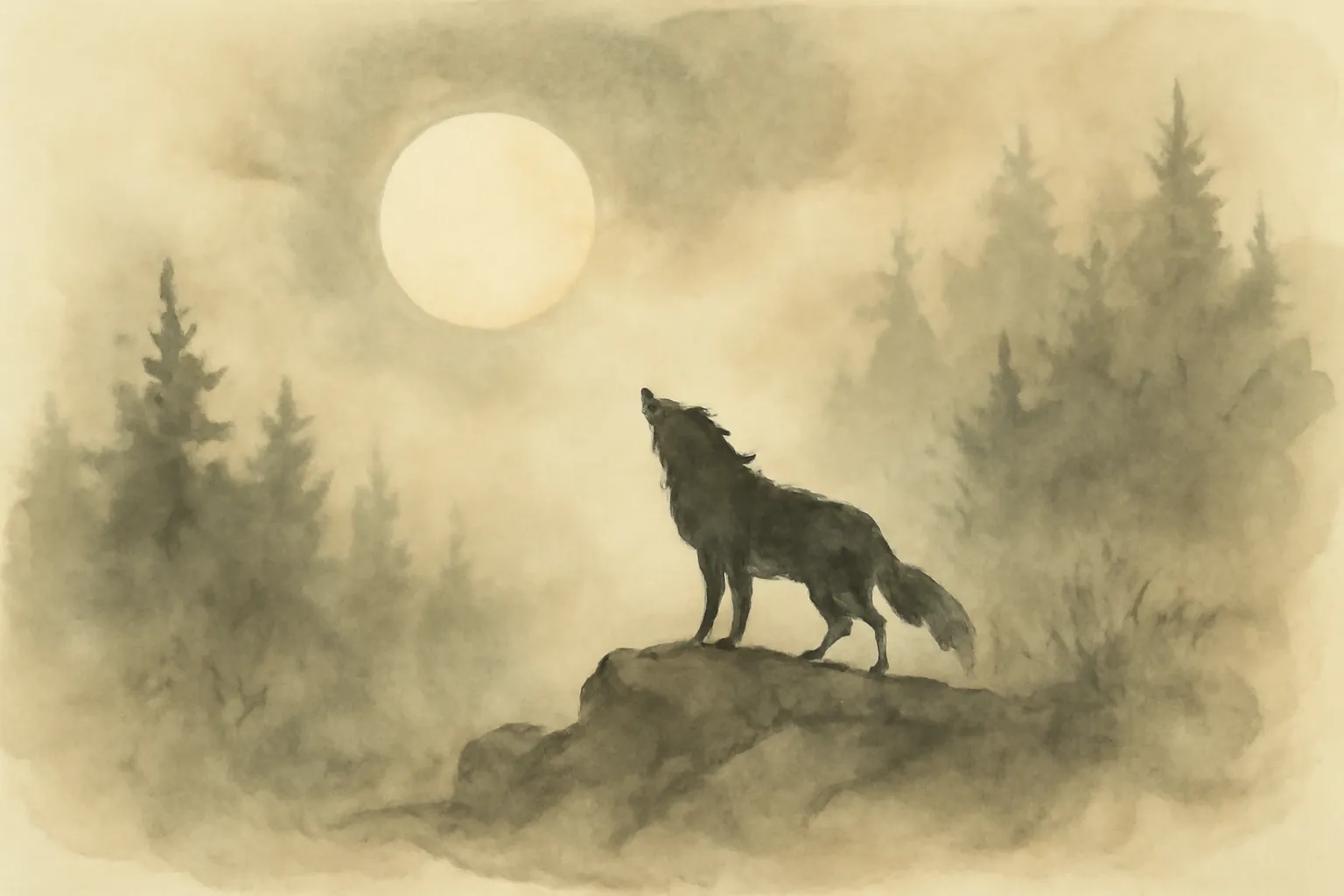
The term 'werwolf' originates from the Anglo-Saxon words for 'man' and 'wolf,' but its interpretations vary widely across cultures, each adding layers to its meaning. In certain societies, werwolves are seen as entirely physical creatures that embody raw animal instincts, while in others, they are regarded as spiritual beings reflecting deeper metaphysical truths. The belief in werwolves is nearly universal, with historical accounts found in Scandinavian, Russian, and Balkan folklore, among many others. For example, in some regions of Eastern Europe, werwolves are strictly male entities, whereas the lore in other areas embraces the transformation in both genders. This diversity illustrates not just a shared human fascination with transformation but also highlights how local customs and beliefs shape the understanding of lycanthropy. Such beliefs allow communities to explore the complexities of identity, gender, and societal norms, making the werwolf a versatile symbol in folklore.
2.Lycanthropy vs. Transmigration of Souls
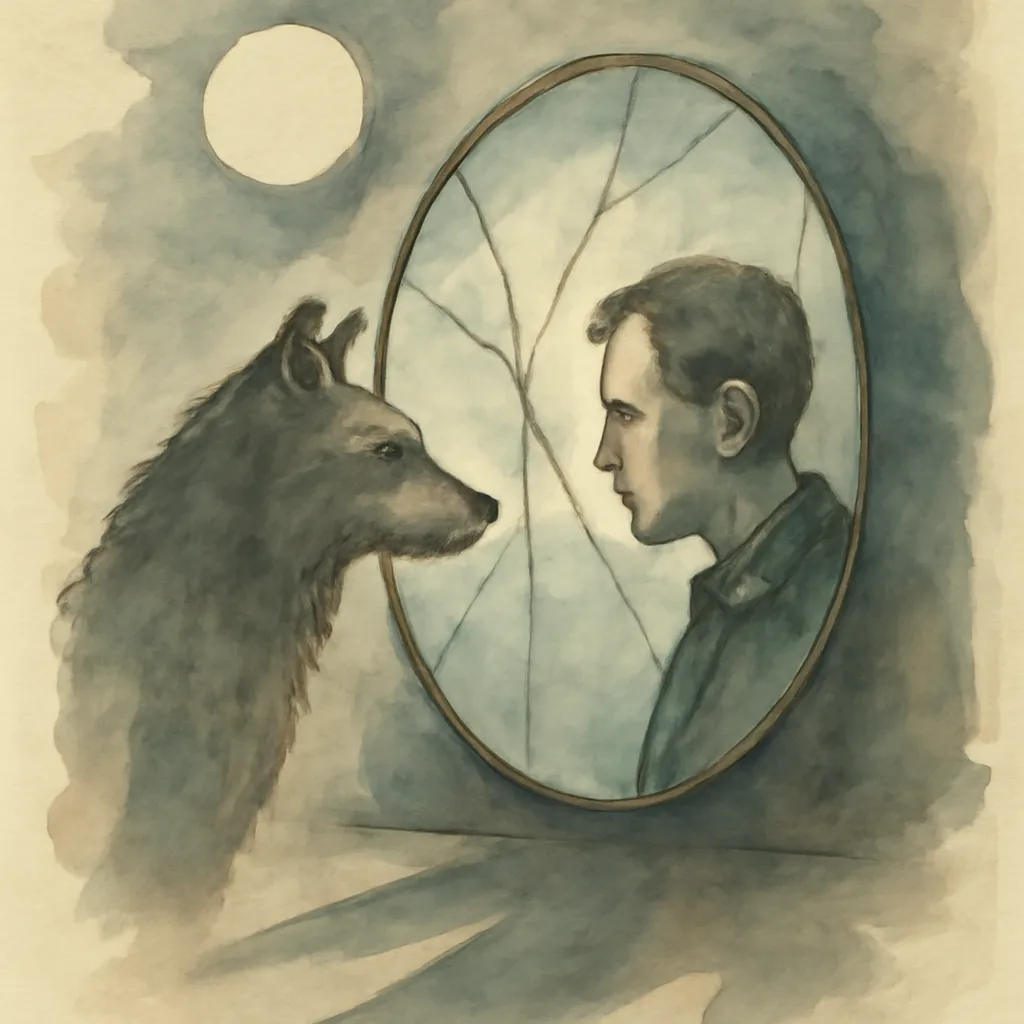
O'Donnell draws a critical distinction between lycanthropy and the concept of metempsychosis, or the transmigration of souls. While metempsychosis concerns the soul's journey after death, lycanthropy is about the physical transformation during a person's life. This differentiation is essential to understanding the psychological and spiritual implications of becoming a werwolf. The metamorphosis is seen not as a punishment or reward for past actions but as an inherent ability or acquired skill through magic or hereditary means. The idea that the wolf persona can exist separately from the human identity opens discussions about the duality within all individuals. For instance, some cultures believe that the transformation can be triggered by specific conditions or rituals, reinforcing the notion that these beings straddle two worlds, embodying both human rationality and animal instinct. This perspective challenges the notion that such transformations are tied to moral or spiritual failings, instead suggesting that they are part of the human experience, reflecting deeper connections to nature and the animal within.
3.Rituals of Transformation
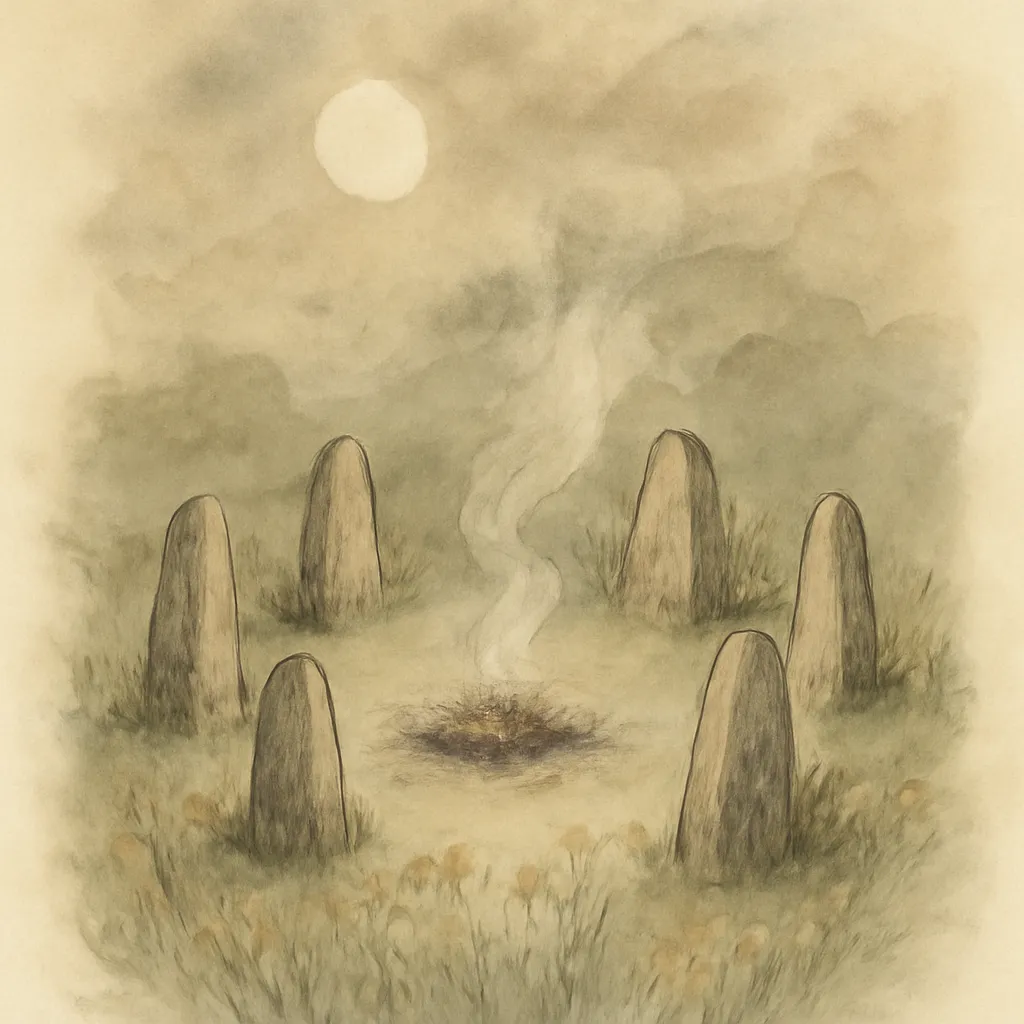
The book outlines various rituals believed to induce lycanthropy, emphasizing the importance of belief and intent in these practices. For example, a practitioner must be earnest in their desire to transform, often seeking solitude in nature to invoke the spirits that can grant such a power. Specific rites involve drawing circles, lighting fires, and reciting incantations while using various herbs and substances. During these rituals, the chosen location is as significant as the actions performed, with remote areas viewed as havens for supernatural entities. The detailed instructions reflect a blend of cultural practices and the universal human desire to connect with the mystical. The rituals are not merely performative; they signify a profound psychological commitment to embracing the wild, untamed aspects of one's identity. The transformative potential of these rituals illustrates a yearning for liberation from societal constraints, suggesting that the desire to become a werwolf is closely tied to the human instinct for self-discovery and exploration of one’s primal nature.
4.The Role of Exorcism
Exorcism plays a significant role in the narrative surrounding werwolves, particularly in how societies attempt to control or rid themselves of this feared transformation. O'Donnell discusses various methods employed to exorcise the 'evil' associated with lycanthropy, including the use of potions and ceremonial rites. The practices vary widely, from sprinkling the afflicted with holy water to invoking powerful spiritual names and performing rituals intended to sever the connection between the person and the supernatural forces at play. However, he expresses skepticism about the efficacy of these practices, noting that historical accounts of successful exorcisms often lack reliable evidence. This skepticism reflects a broader commentary on humanity's struggle against fears of the unknown and the supernatural. The attempts to exorcise werwolves can be seen as a metaphor for society's desire to suppress the primal instincts and darker aspects of human nature, illustrating the ongoing battle between civilization and the wild. The failure of many exorcism attempts further emphasizes the idea that these transformations are not merely supernatural but also deeply rooted in psychological struggles.
5.Cultural Variations in Werwolf Legends
The book explores the rich tapestry of werwolf legends across different cultures, each adding unique elements to the overarching narrative. In France, for example, the loup-garou is often depicted as a vicious creature, yet there are tales of virtuous werwolves who protect the innocent. This duality reflects societal attitudes toward morality, punishment, and redemption. In Germany, werwolves are closely linked to the supernatural elements of the Harz Mountains, where numerous documented cases of lycanthropy emerged, often tied to specific locations that were considered cursed or haunted. O'Donnell's examination of these variations highlights how local geography, historical context, and cultural values shape the interpretation of werwolves, illustrating the adaptability of folklore to convey moral lessons and societal fears. Each culture's version of the werwolf offers insight into their collective psyche, revealing how these stories function as cautionary tales that address the pitfalls of straying too far from societal norms.
6.The Intersection of Werwolves and Vampires
O'Donnell draws intriguing parallels between werwolves, vampires, and ghouls, exploring how these creatures inhabit the same cultural space but embody different fears and desires. The werewolf represents the struggle with primal instincts and the loss of humanity, while the vampire often symbolizes seduction and immortality. The comparison uncovers themes of transformation, the duality of human nature, and the complex relationship individuals have with their desires. Both figures are manifestations of societal anxieties—whether about sexuality, death, or the unknown. This intersection invites readers to consider how folklore serves as a mirror to human fears and desires, reflecting the complexities of the human experience. For instance, both creatures are often seen as cursed beings, yet their narratives diverge significantly in their approach to the struggle between human and beast. The coexistence of these mythical beings within folklore suggests that they provide an outlet for exploring the darker sides of human nature, as well as the duality of civilization and savagery.
7.Historical Context of Werwolves
O'Donnell provides a historical perspective on the belief in werwolves, tracing its roots back to ancient times when humans sought to explain the inexplicable through myth. The historical accounts of trials for lycanthropy highlight the societal need to find scapegoats for violence and misfortune. For instance, during the Middle Ages, accusations of lycanthropy often coincided with witch hunts, reflecting the fears of societal upheaval and the unknown. The book argues that the werwolf legend evolved as a means to navigate these fears, offering a narrative that could both terrify and explain the darker aspects of human behavior. The societal context in which these myths thrived offers valuable insights into the moral and ethical frameworks of those times, emphasizing how fear can shape narratives around justice and punishment. This historical lens enriches the reader's understanding of how these myths persist and transform over time, adapting to the needs of each era and continually reflecting the society that embraces them.
8.Psychological Implications of Lycanthropy
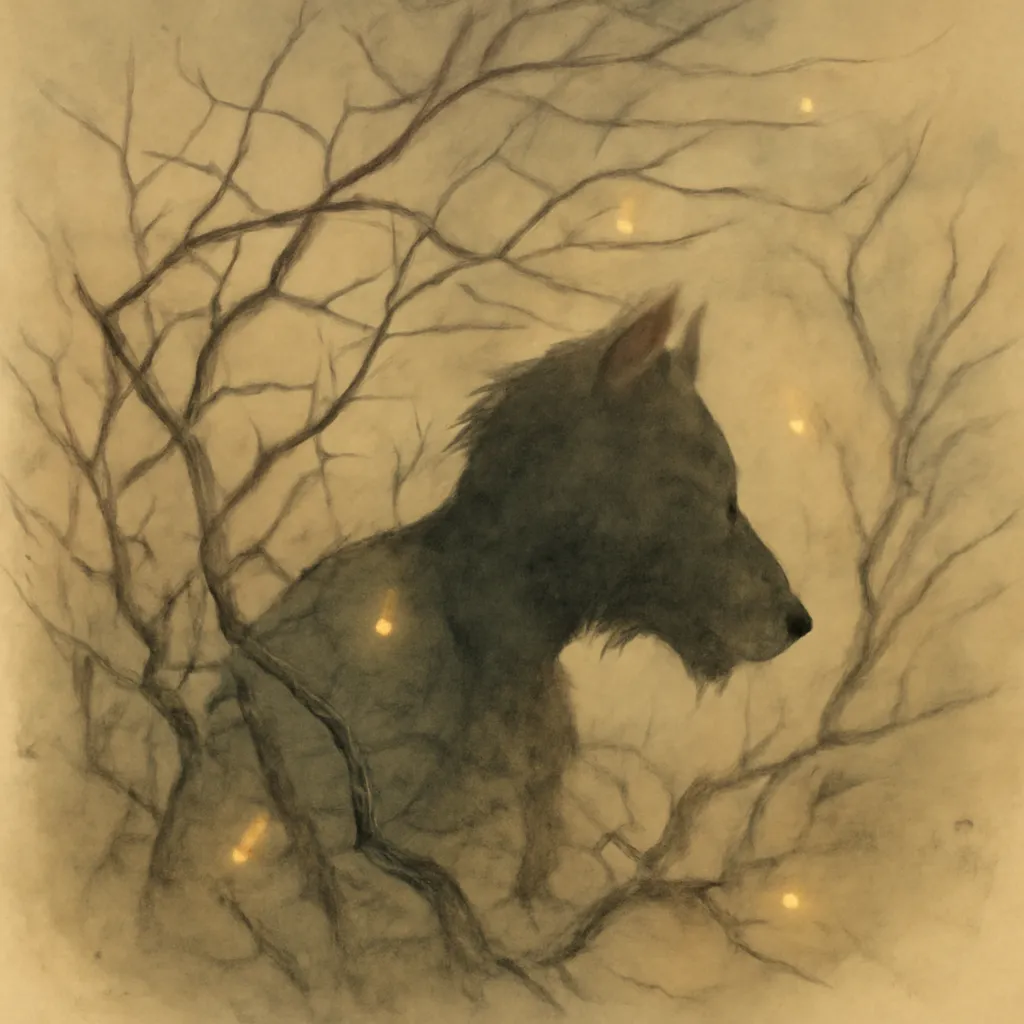
The psychological dimensions of lycanthropy are explored, particularly how the concept can serve as a metaphor for the human experience of transformation and identity crisis. O'Donnell suggests that the desire to become a werwolf may reflect a yearning for freedom from societal constraints and an embrace of one's primal instincts. This notion resonates with contemporary discussions around identity, mental health, and the struggle between the civilized self and the wild self. The idea that individuals might feel a kinship with the wolf speaks to a deeper psychological connection to nature and the instinctual aspects of being human. The transformation into a werwolf is often depicted in literature and media as a metaphor for personal growth, self-acceptance, and the struggle for identity. By framing lycanthropy as a psychological phenomenon, the book invites readers to reflect on their own struggles with identity and transformation, urging a more nuanced understanding of what it means to grapple with one's inner beast.
9.Werwolves as Cultural Commentary
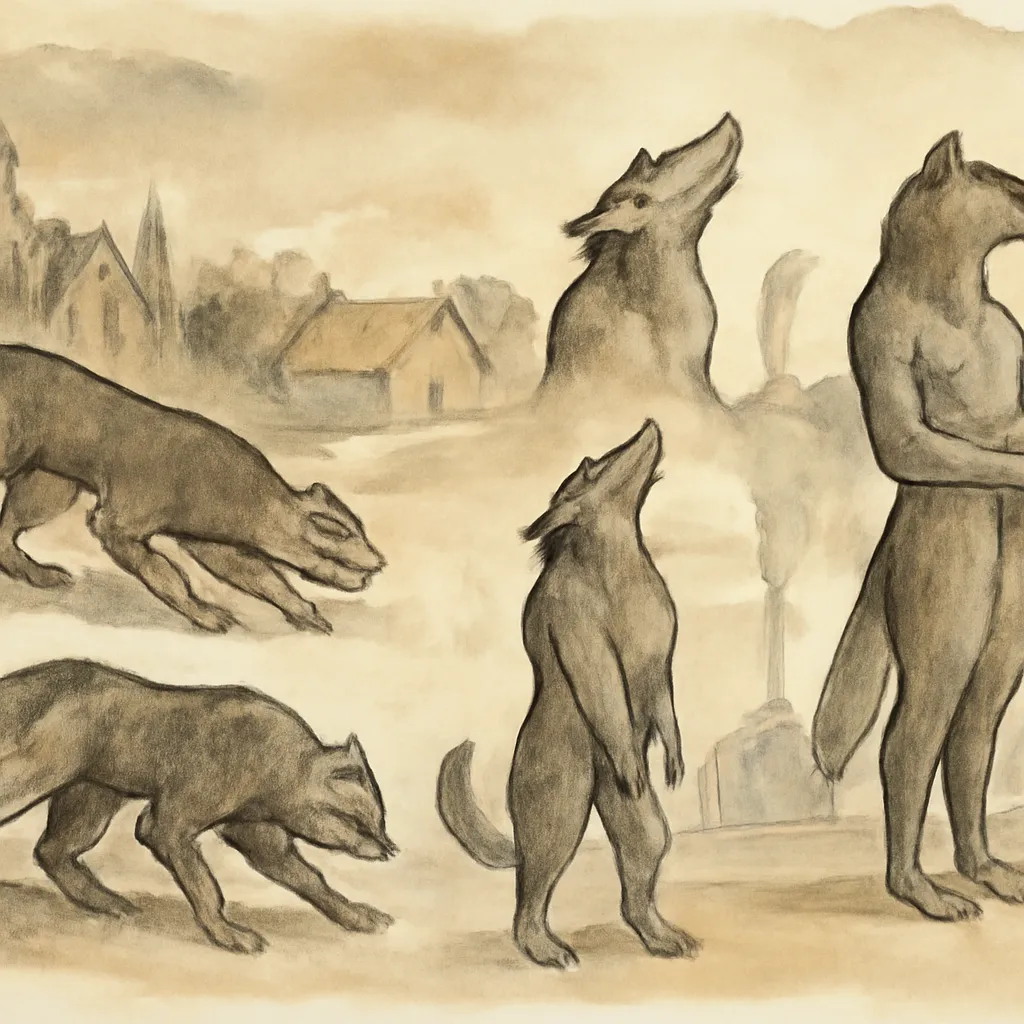
Throughout 'Werwolves,' O'Donnell presents the idea that these legends serve as cultural commentaries, reflecting societal norms, fears, and aspirations. The portrayal of werwolves often mirrors the anxieties of the times, whether regarding gender roles, morality, or the relationship between humanity and nature. For example, in regions where women were marginalized, the figure of the female werwolf may embody a rebellion against oppression, challenging traditional gender norms. Similarly, the male werwolf can symbolize the fear of uncontrolled masculinity and violence, becoming a representation of what lies beneath the surface of civilized society. By examining these cultural narratives, the book reveals how folklore can be a powerful tool for understanding the collective psyche of a society, offering insights into the values and struggles that shape cultural identities. The adaptability of the werwolf myth across cultures signifies its power as a narrative device that can address contemporary issues while remaining rooted in ancient fears.
10.Modern Interpretations of Werwolves
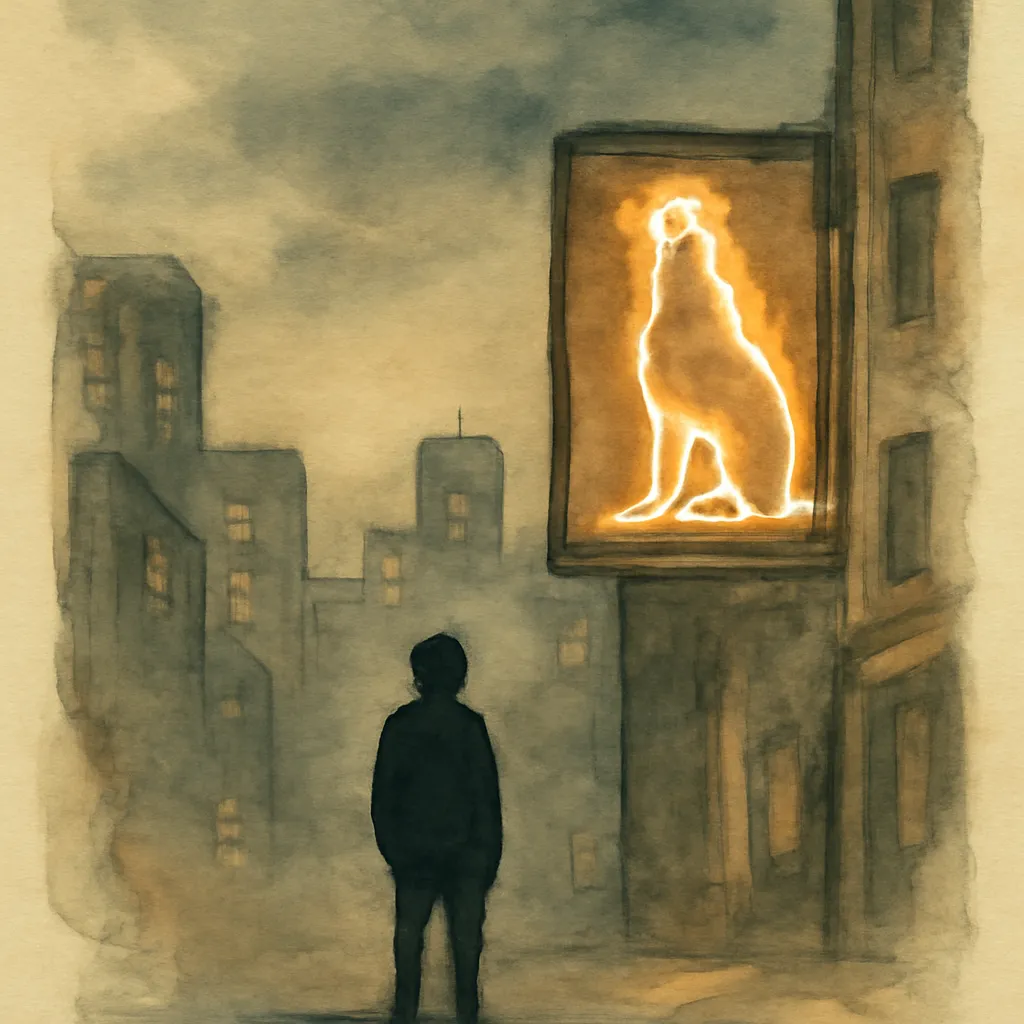
In contemporary culture, the figure of the werwolf has evolved, often appearing in literature, film, and popular media as a symbol of transformation and duality. O'Donnell discusses how modern portrayals frequently romanticize the werwolf, framing it as a misunderstood creature caught between two worlds. This shift reflects changing attitudes toward the primal aspects of human nature, suggesting a growing acceptance of the wild within the civilized self. The transformation into a werwolf is often depicted as an exploration of personal identity, with narratives that emphasize acceptance and understanding of one's darker impulses. This evolution highlights the enduring relevance of the werwolf myth, illustrating how it continues to resonate with contemporary audiences and serve as a vehicle for exploring complex themes of identity, fear, and acceptance. The modern reinterpretations encourage a dialogue about the nature of humanity itself, prompting audiences to reflect on their own inner conflicts and the dualities of existence.