Fiction
Werwolves by Elliott O'Donnell — Summary, Key Ideas & Full Text
262 pages19 chapters5h 16m read3h 44m speed read✦ 10-min Big ideasFree · no account
Rate it
Explore the haunting and multifaceted world of werwolves, where myth intertwines with reality across cultures and centuries
Elliott O'Donnell's 'Werwolves' delves into the enigmatic concept of lycanthropy, unraveling the complex beliefs surrounding the transformation of humans into wolves throughout history and across various cultures. By examining the origins, manifestations, and societal perceptions of werwolves, the book presents a captivating exploration of folklore, magic, and human psychology. Readers will discover how these mythical beings reflect our fears, beliefs, and the darker aspects of human nature. The text challenges the boundaries between reality and superstition, encouraging a deeper understanding of how such legends have shaped cultural identities and individual psyches. This exploration is not just a study of folklore; it’s a journey into the human condition itself, revealing our enduring fascination with transformation and the supernatural.
O'Donnell's 'Werwolves' serves as a comprehensive exploration of the mythos surrounding lycanthropy, revealing the deep-rooted fears, desires, and cultural narratives that shape our understanding of this phenomenon. The book invites readers to reconsider the boundaries between myth and reality, urging a deeper engagement with the primal aspects of human nature. By examining the historical, psychological, and cultural dimensions of werwolves, it becomes clear that these legends are not merely relics of folklore but active reflections of our collective psyche. The enduring fascination with werwolves underscores the complexity of human identity and the continuous struggle between the civilized self and the wild. Ultimately, 'Werwolves' is a thought-provoking journey into the heart of what it means to be human, challenging us to embrace the shadows within ourselves.
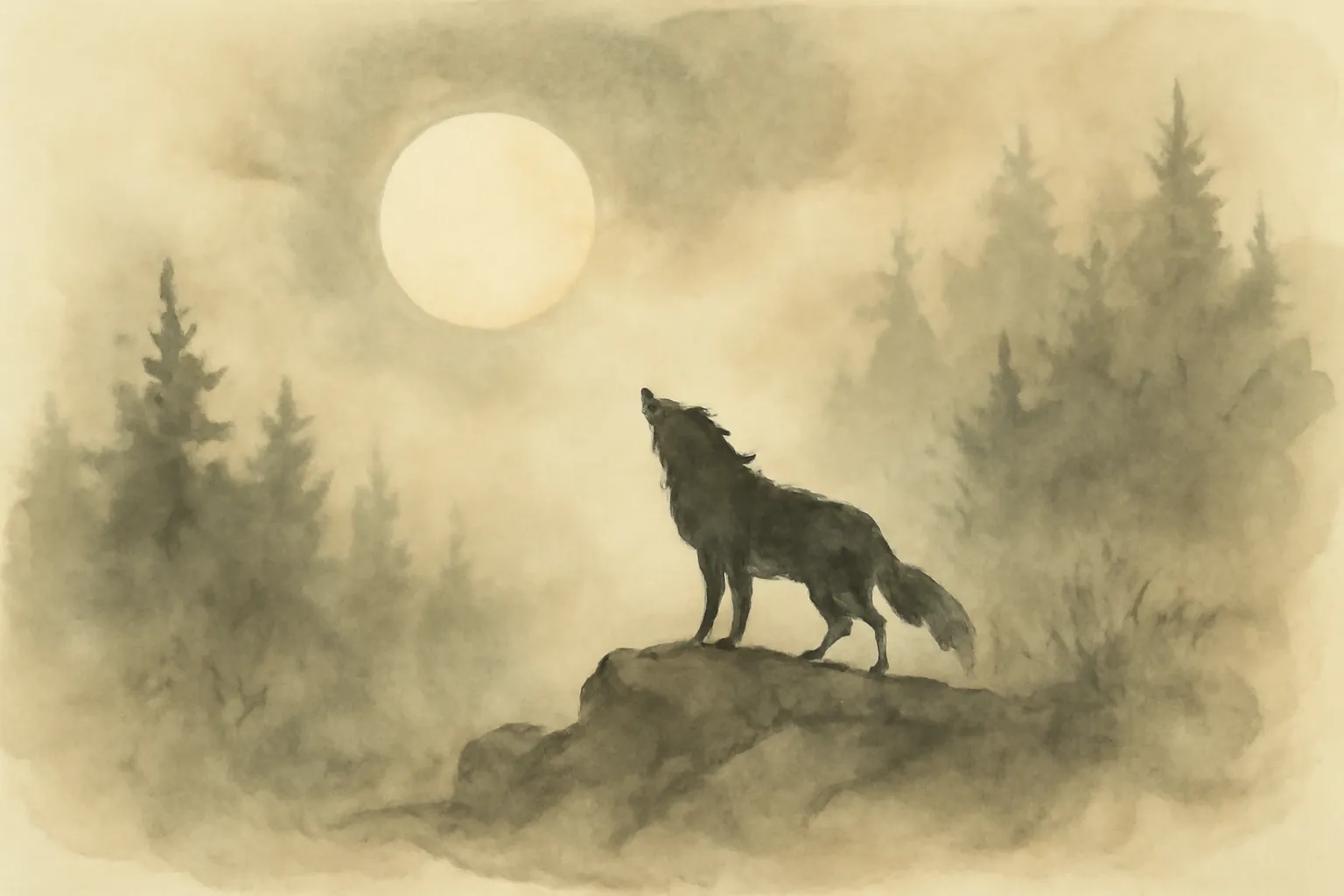
“A werwolf is an anomaly—sometimes man, sometimes woman (or in the guise of man or woman); sometimes adult, sometimes child (or in the guise of such)—that, under certain conditions, possesses the property of metamorphosing into a wolf.”
“In Orissa, the power of metamorphosing into a tiger is asserted by the Kandhs to be hereditary, and also to be acquired through the practice of magic.”
“There is a disposition in certain minds to associate lycanthropy with the doctrine of the transmigration of souls.”
Read Elliott O'Donnell's work free on Lumina — the complete text plus an 8-minute summary and key ideas, no account needed