1.The Power of Maternal Love
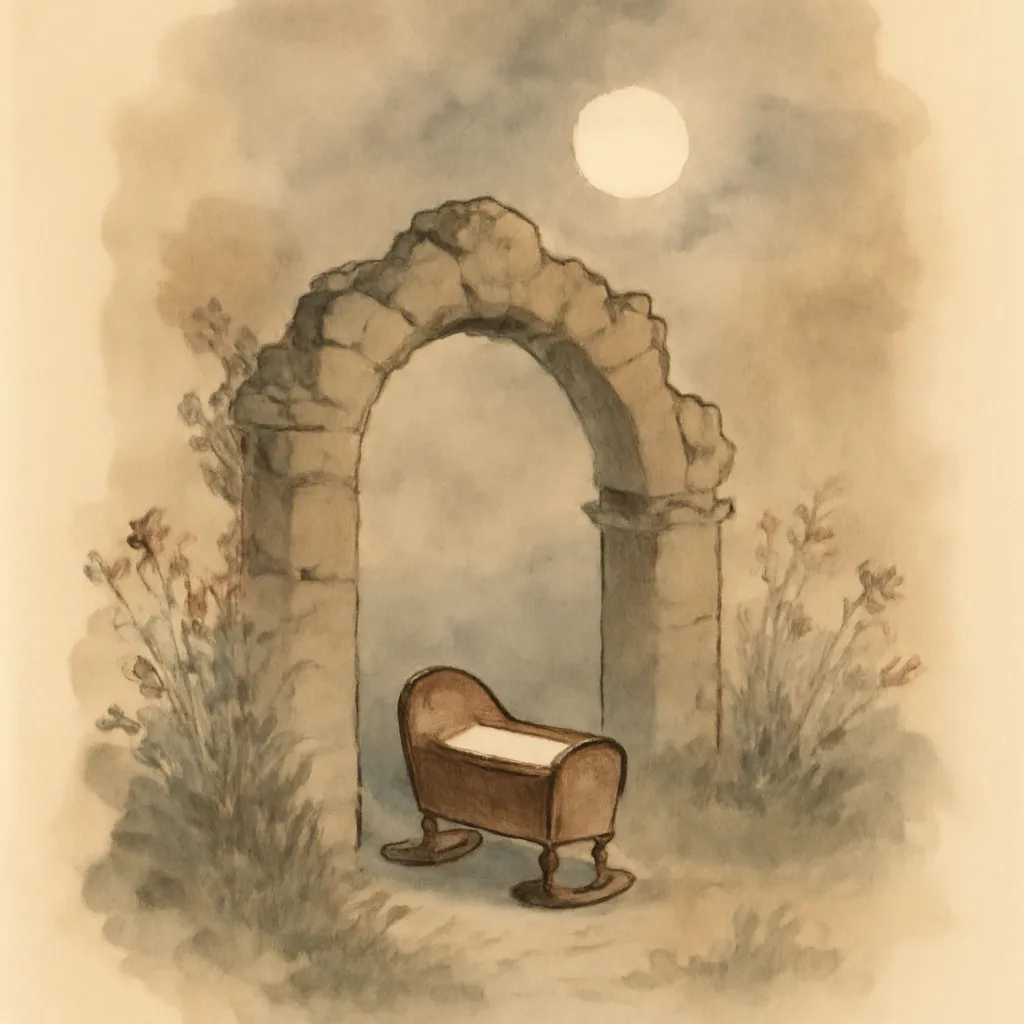
The novel opens with a powerful scene where a gypsy mother, Tiepoletta, flees with her newborn daughter, Dolores, only to tragically die shortly after. This initial event sets the stage for Dolores's future, as she is taken in by the Marquis de Chamondrin and his family. The love and care she receives in the chateau fill the void left by her mother's death, creating an emotional bond that shapes her identity. Tiepoletta's sacrifice resonates throughout the story, highlighting the theme of maternal love as a driving force in Dolores's life. The contrast between the gypsy mother's struggles and the privileged life Dolores leads in the chateau underscores the impact of love and nurture on a child's development. As Dolores grows, she embodies the spirit of her mother while also being shaped by her new family's values, showcasing how maternal love can transcend socioeconomic barriers and influence personal growth.
2.Rivalry and Sacrifice
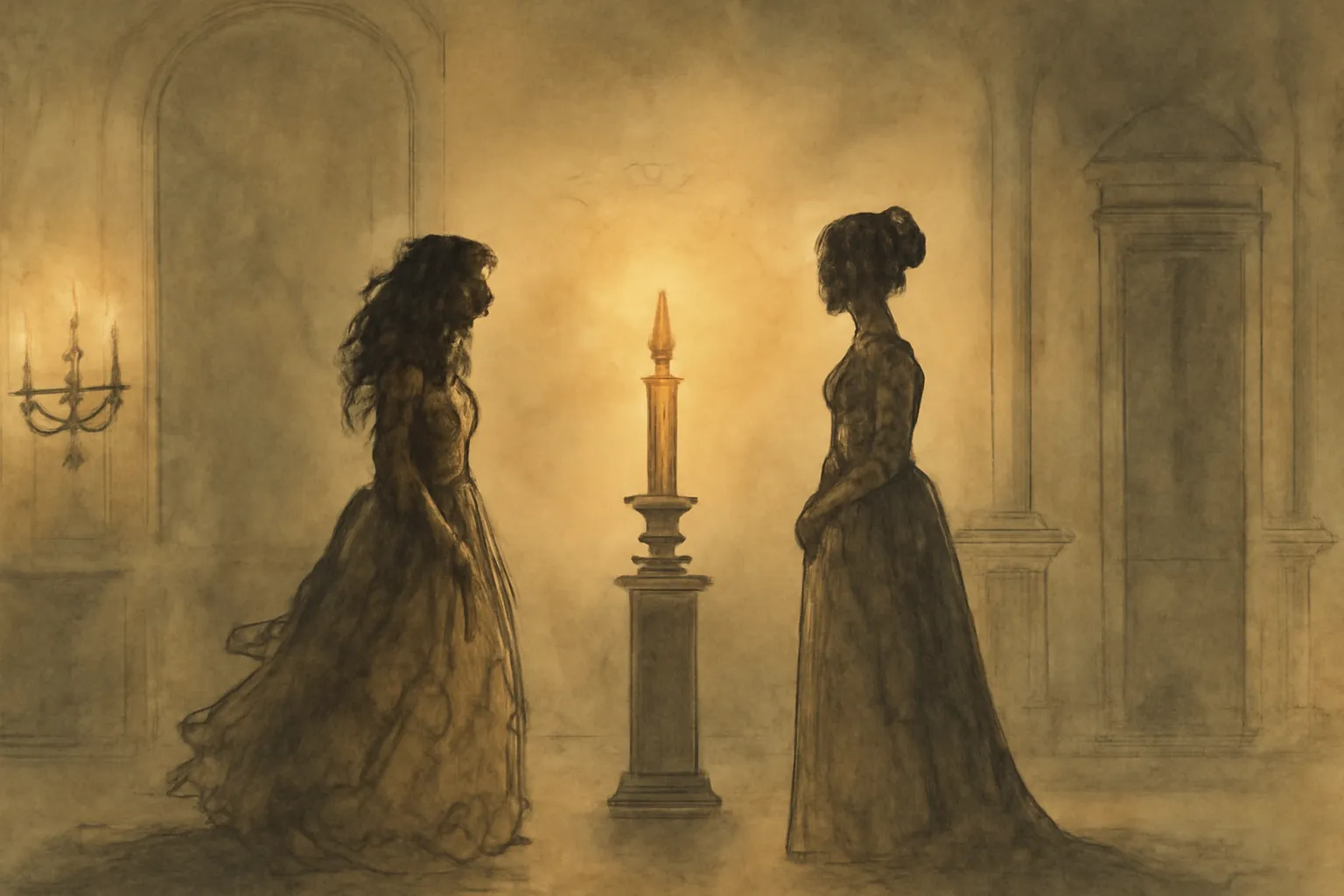
At the heart of the novel is a fierce rivalry between Dolores and Antoinette, both of whom love Philip de Chamondrin. This love triangle is not just a personal conflict but also a reflection of the broader societal changes occurring during the French Revolution. Each woman embodies different aspects of femininity and societal roles; Dolores represents wild passion and freedom, while Antoinette symbolizes stability and societal expectations. The tension between them escalates as they navigate their feelings for Philip, leading to moments of self-sacrifice and emotional turmoil. For instance, Antoinette's reluctance to confront her emotions allows Dolores to shine in Philip's eyes, while Dolores's willingness to put her love for Philip above societal norms illustrates her fierce independence. Their rivalry is further complicated by the political upheaval around them, illustrating how personal relationships are often intertwined with larger historical forces. As they confront their feelings, the characters are forced to make choices that will define their destinies, showcasing the complexities of love, loyalty, and personal ambition.
3.Historical Context as a Character
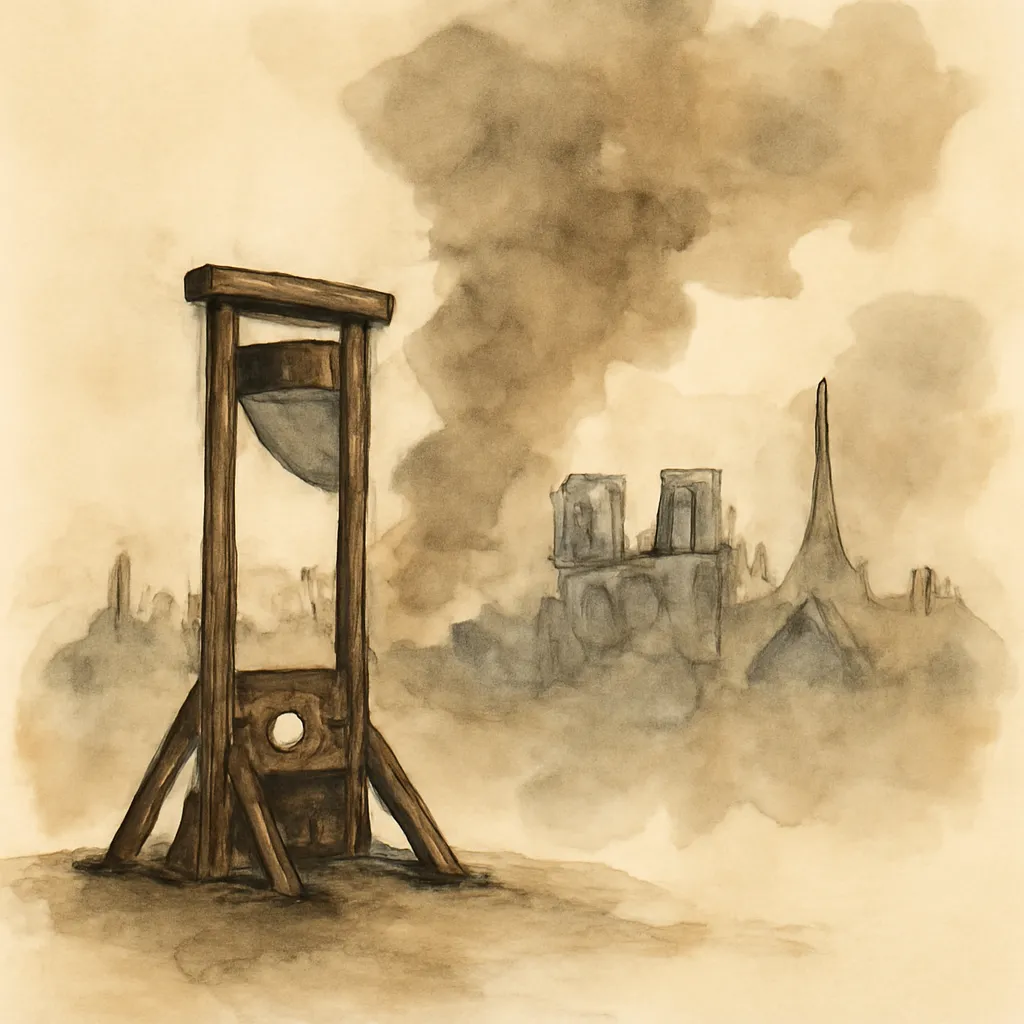
Daudet masterfully integrates the historical context of the French Revolution into the narrative, making it a character in its own right. The backdrop of Paris is vividly depicted, from the opulence of the chateau to the grim realities of the Conciergerie prison. The revolution serves as a catalyst for the characters' actions and decisions, as they must navigate a world that is rapidly changing and often dangerous. Daudet captures the fervor of the times with scenes of political clubs, public executions, and the general atmosphere of fear and uncertainty. For instance, the juxtaposition of Philip's noble upbringing with the revolutionary fervor that threatens his life adds depth to his character and decisions. This historical lens adds depth to the story, allowing readers to understand how the characters' personal struggles mirror the societal upheaval of their time. The revolution not only influences the plot but also shapes the characters' identities, forcing them to confront their beliefs and values in the face of adversity, making the historical context an inseparable part of the narrative.
4.The Complexity of Love

The novel delves deeply into the complexities of love, exploring different forms it can take. Philip's affection for both women creates a moral dilemma as he grapples with his feelings and responsibilities. His relationship with Dolores is marked by passionate love, igniting a fire in him that challenges societal expectations. In contrast, his bond with Antoinette is rooted in duty and expectation, revealing a different side of love that prioritizes societal norms over personal desire. This duality of love is captured poignantly in Philip's internal struggles, as he oscillates between loyalty and desire, ultimately leading him to painful realizations about his true feelings. Daudet examines how love can inspire both noble actions and selfish choices, revealing the duality of human emotions. The characters' struggles with love lead to moments of introspection and growth, as they confront their desires and the consequences of their choices. This exploration of love's multifaceted nature resonates with readers, prompting them to reflect on their own experiences and the impact of love on their lives.
5.Friendship and Loyalty
Amidst the romantic tensions, the novel also highlights the importance of friendship and loyalty. Dolores and Antoinette, despite being rivals, share a bond that is tested throughout the story. Their relationship evolves as they navigate their feelings for Philip and the challenges posed by the revolution. Moments of solidarity and support emerge, showcasing the depth of their connection beyond romantic competition. For instance, Antoinette's willingness to support Dolores during her darkest moments reveals a layer of affection and camaraderie that transcends rivalry. Daudet emphasizes that true friendship can withstand trials and tribulations, revealing the strength of their characters. The theme of loyalty is further complicated by the political landscape, as characters must choose between personal desires and the greater good. This dynamic adds an additional layer of complexity to the narrative, making it not just a love story but a reflection on the nature of human relationships.
6.The Role of Fate and Chance

Fate and chance play significant roles in the lives of the characters, often determining their paths in unexpected ways. The initial flight of Tiepoletta sets off a chain of events that shape Dolores's destiny, illustrating how seemingly small choices can have far-reaching consequences. As the characters navigate the dangers of the revolution, their lives are frequently altered by chance encounters and unforeseen circumstances. For example, Philip's return to Paris and his subsequent arrest highlight the unpredictability of life during this tumultuous period. Daudet uses these elements to reinforce the idea that individuals are often at the mercy of larger forces beyond their control, prompting readers to ponder the interplay between free will and destiny in their own lives. The narrative weaves together moments of serendipity and misfortune, underscoring how characters are propelled by fate while simultaneously making choices that lead to their ultimate fates.
7.The Struggle for Identity
Dolores's journey is also one of self-discovery and the struggle for identity. Raised in the chateau, she grapples with her origins as a gypsy and the expectations placed upon her by society. Her beauty and spirit set her apart, but she constantly seeks to reconcile her past with her present. The tension between her gypsy heritage and the life of privilege she leads creates internal conflict, forcing her to confront who she truly is. Daudet explores themes of belonging and acceptance as Dolores navigates her dual identity, ultimately leading her to make choices that reflect her true self. This struggle for identity resonates with readers, highlighting the universal quest for understanding one's place in the world. Dolores's journey is emblematic of the broader search for identity during times of social upheaval, as many characters grapple with their own pasts and the roles they are expected to play in society.
8.The Impact of Revolution on Personal Lives
The revolution's impact on personal lives is a recurring theme in Daudet's narrative. As political turmoil escalates, the characters find their relationships and futures threatened by external forces. The Conciergerie prison serves as a grim reminder of the consequences of dissent, where Philip and Dolores face the possibility of execution for their beliefs. This environment of fear and uncertainty forces characters to reevaluate their priorities and allegiances. Daudet poignantly illustrates how the revolution disrupts everyday life, affecting not only the political landscape but also the intimate bonds between individuals. The characters' struggles to maintain their humanity amidst chaos serve as a powerful commentary on the resilience of the human spirit. The narrative captures how the revolution creates divisions and alliances, ultimately reshaping the characters' relationships and futures in profound ways.
9.Sacrifice and Redemption
Sacrifice emerges as a central theme in 'Which? Or, Between Two Women,' as characters are faced with choices that necessitate putting others' needs before their own. Dolores's willingness to protect Philip and Antoinette's commitment to her friend showcase the depth of their love and loyalty. This theme of sacrifice is intricately woven into the fabric of the story, as each character grapples with the implications of their decisions. For example, when Dolores chooses to face the consequences of her actions alongside Philip, she embodies the essence of love that transcends self-interest. Daudet uses these moments to explore the possibility of redemption, suggesting that through acts of selflessness, characters can find meaning and purpose even in the darkest times. The novel ultimately posits that true love often demands sacrifice, and it is through these acts that characters can attain a sense of peace amidst the turmoil of their lives.
10.The Nature of Justice
The concept of justice is intricately examined throughout the novel, particularly in the context of the revolutionary tribunal. Philip and Dolores's arrest reflects the harsh reality of a justice system driven by fear and ideology rather than fairness. Daudet critiques the arbitrary nature of justice during the revolution, where individuals are often condemned based on suspicion rather than evidence. This exploration raises questions about morality and the ethical implications of the revolutionary fervor that swept through France. As characters confront their fates, readers are invited to reflect on the complexities of justice and the human capacity for compassion in an unforgiving world. The narrative illustrates how the quest for justice can be corrupted by power and fear, serving as a poignant reminder of the potential for injustice in times of social upheaval.