
A gripping tale of love and sacrifice set against the backdrop of revolutionary France
Read full overviewShow less›
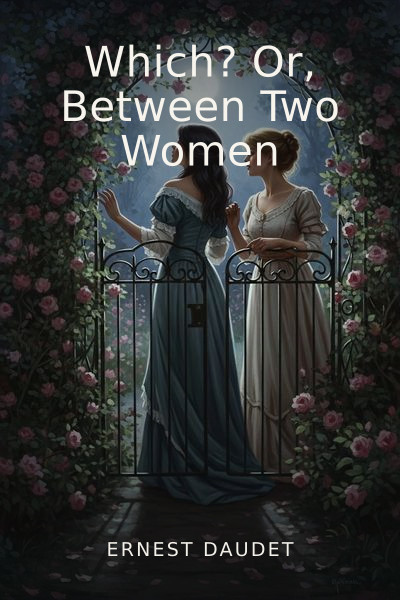
In 'Which? Or, Between Two Women,' Ernest Daudet weaves an enthralling narrative that explores the complexities of love, loyalty, and personal sacrifice amidst the tumult of the French Revolution. The story revolves around two women—Dolores, a beautiful gypsy girl, and Antoinette, an heiress—who compete for the affections of the same man, Philip de Chamondrin. As their lives intertwine, the novel presents a vivid portrayal of historical events, emotional turmoil, and the human capacity for resilience. Readers will be captivated by the intricate relationships and moral dilemmas faced by the characters, as well as the rich depiction of Paris and its societal upheavals during a pivotal moment in history. Prepare to be swept away by a narrative that is both romantic and heart-wrenching, leaving a lasting impression on the reader's mind.
'Which? Or, Between Two Women' is a rich tapestry of love, rivalry, and the struggle for identity, set against the backdrop of one of history's most tumultuous periods. Daudet's characters navigate their emotional landscapes amidst the chaos of the French Revolution, illustrating how personal choices are often influenced by larger societal forces. The novel invites readers to reflect on the complexities of human relationships, the nature of justice, and the sacrifices required for love. Ultimately, it is a story that resonates with timeless themes of loyalty, courage, and the quest for meaning in a world fraught with uncertainty. Through Dolores, Antoinette, and Philip, Daudet crafts a narrative that is not only a romance but also a profound exploration of the human condition.
- 1The Power of Maternal Love
- 2Rivalry and Sacrifice
- 3Historical Context as a Character
- 4The Complexity of Love
- 5Friendship and Loyalty
Notable quotes
“Why should I fear to die? said Dolores, when Philip tried to encourage her by hopes in which he himself had not the slightest confidence.”
“I know all, sir, I cried.”
“I mean that Dolores, whom I received into my house at your request, has been sheltering here, at the risk of compromising and ruining me, Philip de Chamondrin, one of the prime movers in a conspiracy formed for the purpose of saving the widow Capet.”
A glimpse inside

The novel opens with a powerful scene where a gypsy mother, Tiepoletta, flees with her newborn daughter, Dolores, only to tragically die shortly after. Read moreThe novel opens with a powerful scene where a gypsy mother, Tiepoletta, flees with her newborn daughter, Dolores, only to tragically die shortly after. This initial event sets the stage for Dolores's future, as she is taken in by the Marquis de Chamondrin and his family. The love and care she receives in the chateau fill the void left by her mother's death, creating an emotional bond that shapes her identity. Tiepoletta's sacrifice resonates throughout the story, highlighting the theme of maternal love as a driving force in Dolores's life. The contrast between the gypsy mother's struggles and the privileged life Dolores leads in the chateau underscores the impact of love and nurture on a child's development. As Dolores grows, she embodies the spirit of her mother while also being shaped by her new family's values, showcasing how maternal love can transcend socioeconomic barriers and influence personal growth. Show less
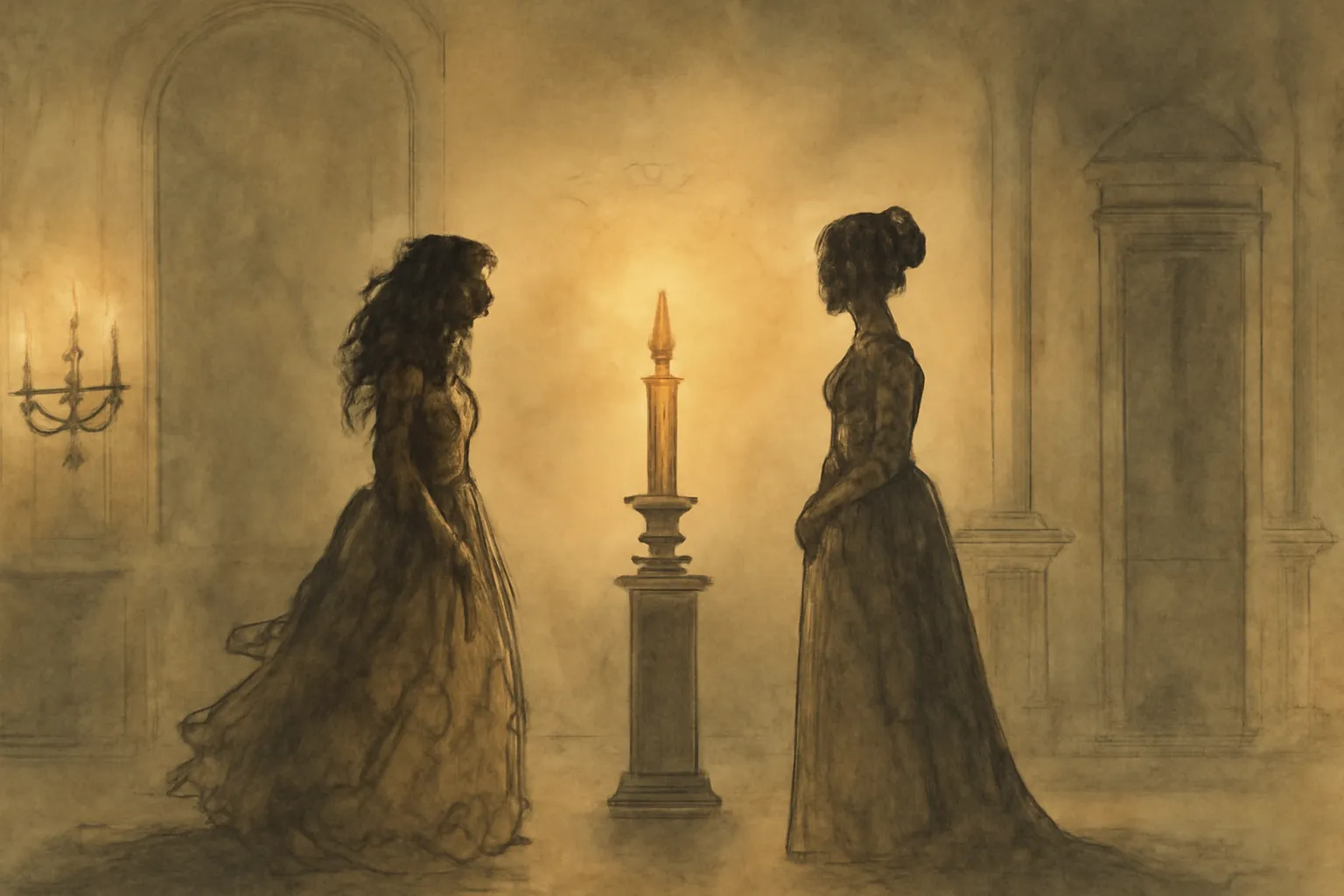
At the heart of the novel is a fierce rivalry between Dolores and Antoinette, both of whom love Philip de Chamondrin. This love triangle is not just a personal conflict b… Read moreAt the heart of the novel is a fierce rivalry between Dolores and Antoinette, both of whom love Philip de Chamondrin. This love triangle is not just a personal conflict but also a reflection of the broader societal changes occurring during the French Revolution. Each woman embodies different aspects of femininity and societal roles; Dolores represents wild passion and freedom, while Antoinette symbolizes stability and societal expectations. The tension between them escalates as they navigate their feelings for Philip, leading to moments of self-sacrifice and emotional turmoil. For instance, Antoinette's reluctance to confront her emotions allows Dolores to shine in Philip's eyes, while Dolores's willingness to put her love for Philip above societal norms illustrates her fierce independence. Their rivalry is further complicated by the political upheaval around them, illustrating how personal relationships are often intertwined with larger historical forces. As they confront their feelings, the characters are forced to make choices that will define their destinies, showcasing the complexities of love, loyalty, and personal ambition. Show less
Read the full text — free
About the author
Read Ernest Daudet's work free on Lumina — the complete text plus an 8-minute summary and key ideas, no account needed