1.The Burden of Awareness
Dostoyevsky's characters often struggle with an acute sense of self-awareness that becomes a burden rather than a gift. In 'Notes from Underground', the protagonist laments that too much consciousness can lead to paralysis and an inability to act. This idea resonates throughout the stories, where characters are trapped in their thoughts, unable to break free from the shackles of overthinking. The underground man expresses a desire to escape his 'excessive' awareness, feeling that it alienates him from the simplicity of life. For him, the more he reflects on his circumstances, the more paralyzed he becomes, leading to a sense of existential dread. This theme underscores a broader commentary on modern existence, where the pressure to be self-aware can lead to existential dread and inaction, ultimately questioning whether ignorance might indeed be bliss for those who overthink their lives.
2.Isolation and Alienation
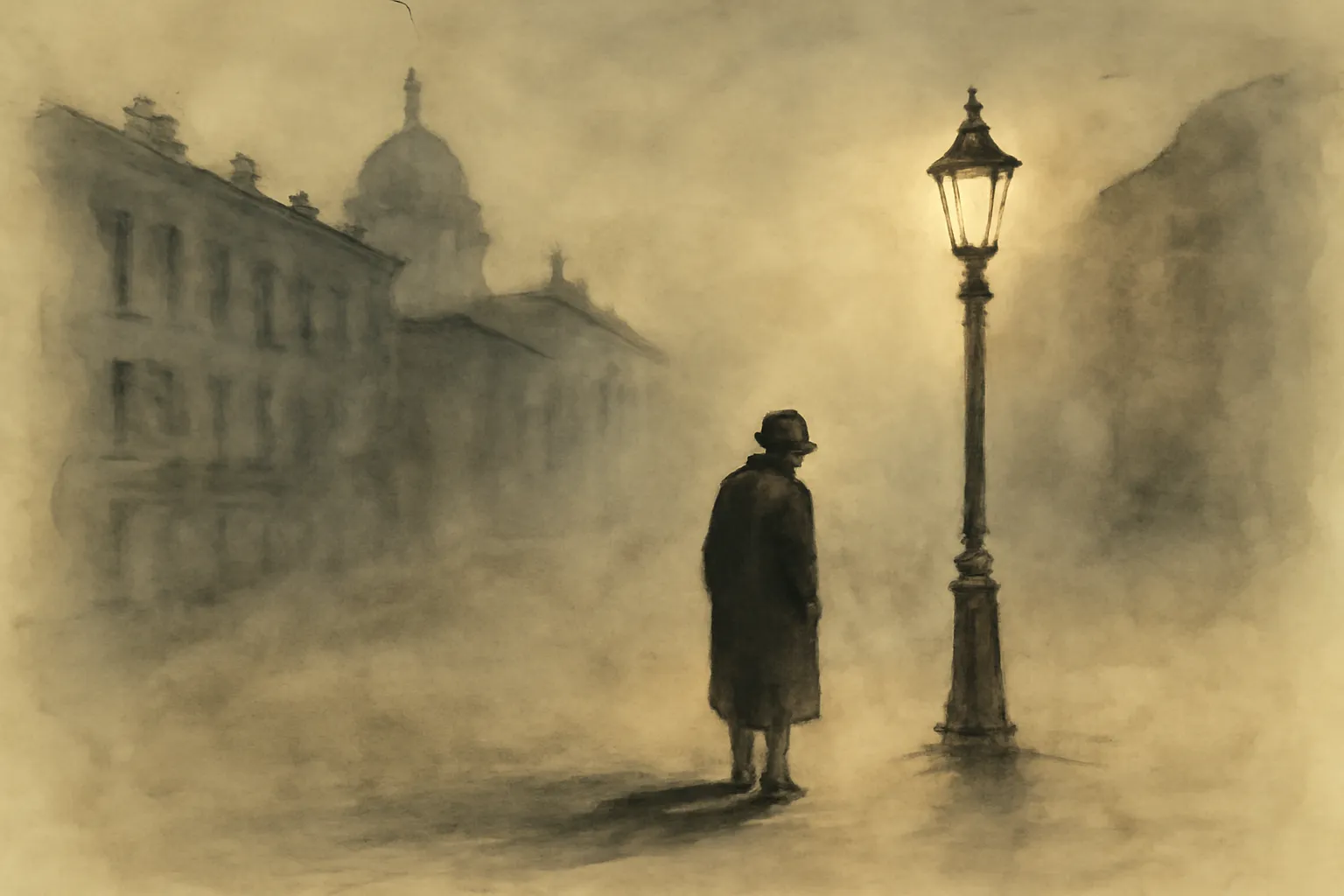
Isolation is a pervasive theme in Dostoyevsky's works, with many characters grappling with profound loneliness. The unnamed narrator in 'White Nights' exemplifies this sense of solitude, wandering the streets of St. Petersburg and reflecting on his disconnectedness from society. He observes the world through a lens of bitter longing, desperately wishing for connection yet feeling utterly unworthy of it. His encounters are fleeting, creating an atmosphere of transience that underscores the loneliness that permeates his existence. Dostoyevsky masterfully illustrates how isolation breeds a yearning for companionship, yet the very awareness of one's loneliness can act as a barrier to forming meaningful relationships. Characters push others away, even as they crave connection, creating a tragic cycle of isolation that reflects the human condition. This exploration of alienation emphasizes the need for empathy and understanding in an increasingly disconnected world.
3.The Quest for Meaning
Throughout the collection, characters embark on a quest for meaning in a seemingly indifferent world, a pursuit that often leads to despair. The underground man grapples with existential questions about free will, morality, and the nature of happiness. Dostoyevsky suggests that this search for meaning is inherently human, yet fraught with difficulty. The characters confront the absurdity of their desires and the futility of their pursuits, reflecting Dostoyevsky's belief that meaning must be wrestled with rather than passively accepted. For example, in 'White Nights', the protagonist's dreams of a romantic connection with Nastenka serve as a refuge from his discontent, yet they ultimately reveal the emptiness of his fantasies when confronted with reality. This struggle reveals the complexities of human nature, challenging readers to reflect on their own experiences and the inherent contradictions of their desires.
4.Love as Redemption
In 'White Nights', love emerges as a potential source of redemption for the lonely protagonist. His infatuation with Nastenka offers a glimpse of hope amidst his despair, suggesting that love can provide a pathway out of isolation. However, Dostoyevsky complicates this notion by depicting love as both a saving grace and a source of suffering. The protagonist’s idealization of Nastenka reflects his deep-seated desire for connection, yet his inability to engage with reality ultimately leads to heartbreak. When Nastenka reveals her own struggles, the protagonist's reaction serves to highlight his selfishness, as he retreats into his fantasies rather than embracing the messy complexities of real love. This duality emphasizes the idea that love can be redemptive, but it requires vulnerability and the willingness to confront discomfort—an aspect that Dostoyevsky suggests is often avoided in the pursuit of idealized connections.
5.The Nature of Suffering
Suffering is a central theme in Dostoyevsky's work, often portrayed as an inescapable aspect of the human experience. Characters endure various forms of suffering, from existential angst to social alienation, highlighting the pervasive nature of pain in life. Dostoyevsky suggests that suffering can lead to personal growth and self-discovery, as characters confront their limitations and desires. The underground man finds a perverse enjoyment in his own suffering, viewing it as a form of agency in a world where he feels powerless. This paradoxical relationship with suffering invites readers to reflect on their own experiences, exploring how moments of pain can lead to profound insights. By closely examining the nature of suffering, Dostoyevsky highlights its potential to illuminate one's path, revealing that pain can sometimes serve as a catalyst for transformation, urging individuals to confront and redefine their identities.
6.The Dichotomy of Action and Inaction

Dostoyevsky's characters frequently grapple with the tension between action and inaction. The underground man embodies this struggle, oscillating between a desire to take control of his life and a paralyzing fear of the consequences of his actions. This dichotomy reflects a broader philosophical inquiry into free will and determinism, questioning whether individuals are truly capable of shaping their destinies. The characters' hesitations and failures to act serve as a critique of societal norms that discourage individuality and self-determination. The protagonist's reluctance to pursue a genuine relationship with Nastenka is emblematic of a broader existential crisis, as he grapples with the fear of rejection and the weight of his own self-doubt. Dostoyevsky's exploration of this tension invites readers to consider the implications of their own choices, emphasizing the importance of embracing action, even in the face of uncertainty, as a means of asserting one’s existence.
7.The Complexity of Human Nature
Dostoyevsky's portrayal of human nature is multifaceted, revealing the coexistence of conflicting desires and motivations within individuals. Characters often embody contradictions, such as the underground man's simultaneous yearning for connection and desire for isolation. This complexity reflects Dostoyevsky's belief that human beings are inherently flawed, driven by a mix of noble aspirations and base instincts. The stories challenge simplistic notions of good and evil, illustrating that individuals are shaped by their experiences, environment, and psychological struggles. For instance, the protagonist's idealization of love juxtaposed with his self-loathing reveals the intricate layers of human emotions and motivations. This nuanced depiction encourages readers to embrace the complexity of their identities, recognizing that the struggle between conflicting desires is a universal aspect of the human experience.
8.The Role of Dreams and Imagination

Dreams and imagination play a crucial role in Dostoyevsky's narratives, serving as both an escape from reality and a lens through which characters explore their desires. In 'White Nights', the protagonist's dreams of love and connection contrast sharply with his bleak reality, highlighting the power of imagination to offer solace amidst despair. When he dreams of a future with Nastenka, it provides a temporary reprieve from his loneliness and serves as a coping mechanism for his unfulfilled life. However, Dostoyevsky warns of the dangers of living too much in one's fantasies, as the protagonist's idealization of Nastenka ultimately leads to heartbreak. This duality emphasizes the importance of balancing dreams with the realities of life, urging readers to find meaning both in their aspirations and in their lived experiences. The interplay between dreams and reality serves as a reminder that while imagination can inspire hope, it must not overshadow the necessity of engagement with one’s actual circumstances.
9.Social Critique and Class Struggle

Dostoyevsky's stories often reflect a deep awareness of social issues and class struggles prevalent in 19th-century Russia. Characters navigate a landscape marked by inequality and injustice, revealing the ways in which societal structures shape individual experiences. The underground man's disdain for the societal norms of his time underscores a broader critique of the bourgeois values that prioritize material success over genuine human connection. Dostoyevsky's exploration of class dynamics invites readers to consider the implications of social hierarchies on personal identity and relationships, emphasizing the need for empathy and understanding in a fractured society. The protagonist’s struggles seem to echo the plight of the lower classes, showcasing how societal expectations and economic pressures exacerbate feelings of alienation and despair. Through this lens, Dostoyevsky compels readers to reflect on the moral responsibilities of individuals within their social context.
10.The Search for Authenticity

A recurring theme in Dostoyevsky's work is the quest for authenticity in a world filled with pretense and superficiality. Characters often struggle to reconcile their inner selves with societal expectations, leading to feelings of alienation and despair. The underground man embodies this struggle, rejecting societal norms in favor of a more authentic existence, yet he remains trapped in his own contradictions. Dostoyevsky suggests that the search for authenticity is fraught with challenges, as individuals must confront their fears, insecurities, and the masks they wear in public. In 'White Nights', the protagonist's interactions are governed by his idealized notions of love and connection, which often clash with the mundane realities of human relationships. This theme resonates with readers who grapple with their own desires for authenticity in a world that often prioritizes appearances over genuine connection, highlighting the universality of the longing for a more meaningful existence.