
Dostoyevsky's exploration of the tortured psyche reveals the depths of human consciousness and the struggle between action and inaction
Read full overviewShow less›
In 'White Nights and Other Stories', Fyodor Dostoyevsky delves into the complexities of the human experience, examining themes of isolation, love, and the nature of existence. The stories reflect the struggles of individuals who grapple with their inner demons, revealing how societal constraints and personal failings can lead to a profound sense of alienation. Readers will encounter characters who oscillate between dreams and harsh realities, highlighting the tension between aspiration and despair. Dostoyevsky's vivid prose invites readers to reflect on their own lives, urging them to confront the uncomfortable truths of their existence. This collection serves not only as a compelling narrative but also as a philosophical inquiry into the very essence of what it means to be human.
Dostoyevsky's 'White Nights and Other Stories' offers a profound exploration of the human condition, delving into the intricacies of consciousness, love, and suffering. Through his rich and nuanced characters, he invites readers to confront the complexities of their own lives and the societal structures that shape their experiences. The themes of isolation, the search for meaning, and the tension between action and inaction resonate deeply, encouraging reflection on the nature of existence itself. Ultimately, Dostoyevsky's work serves as a reminder of the enduring struggle for connection and authenticity in a world often marked by alienation and despair.
- 1The Burden of Awareness
- 2Isolation and Alienation
- 3The Quest for Meaning
- 4Love as Redemption
- 5The Nature of Suffering
Notable quotes
“I am a sick man.... I am a spiteful man. I am an unattractive man.”
“To be too conscious is an illness—a real thorough-going illness.”
“The enjoyment of the sufferer finds expression in those moans; if he did not feel enjoyment in them he would not moan.”
A glimpse inside

Dostoyevsky's characters often struggle with an acute sense of self-awareness that becomes a burden rather than a gift. In 'Notes from Underground', the protagonist lamen… Read moreDostoyevsky's characters often struggle with an acute sense of self-awareness that becomes a burden rather than a gift. In 'Notes from Underground', the protagonist laments that too much consciousness can lead to paralysis and an inability to act. This idea resonates throughout the stories, where characters are trapped in their thoughts, unable to break free from the shackles of overthinking. The underground man expresses a desire to escape his 'excessive' awareness, feeling that it alienates him from the simplicity of life. For him, the more he reflects on his circumstances, the more paralyzed he becomes, leading to a sense of existential dread. This theme underscores a broader commentary on modern existence, where the pressure to be self-aware can lead to existential dread and inaction, ultimately questioning whether ignorance might indeed be bliss for those who overthink their lives. Show less
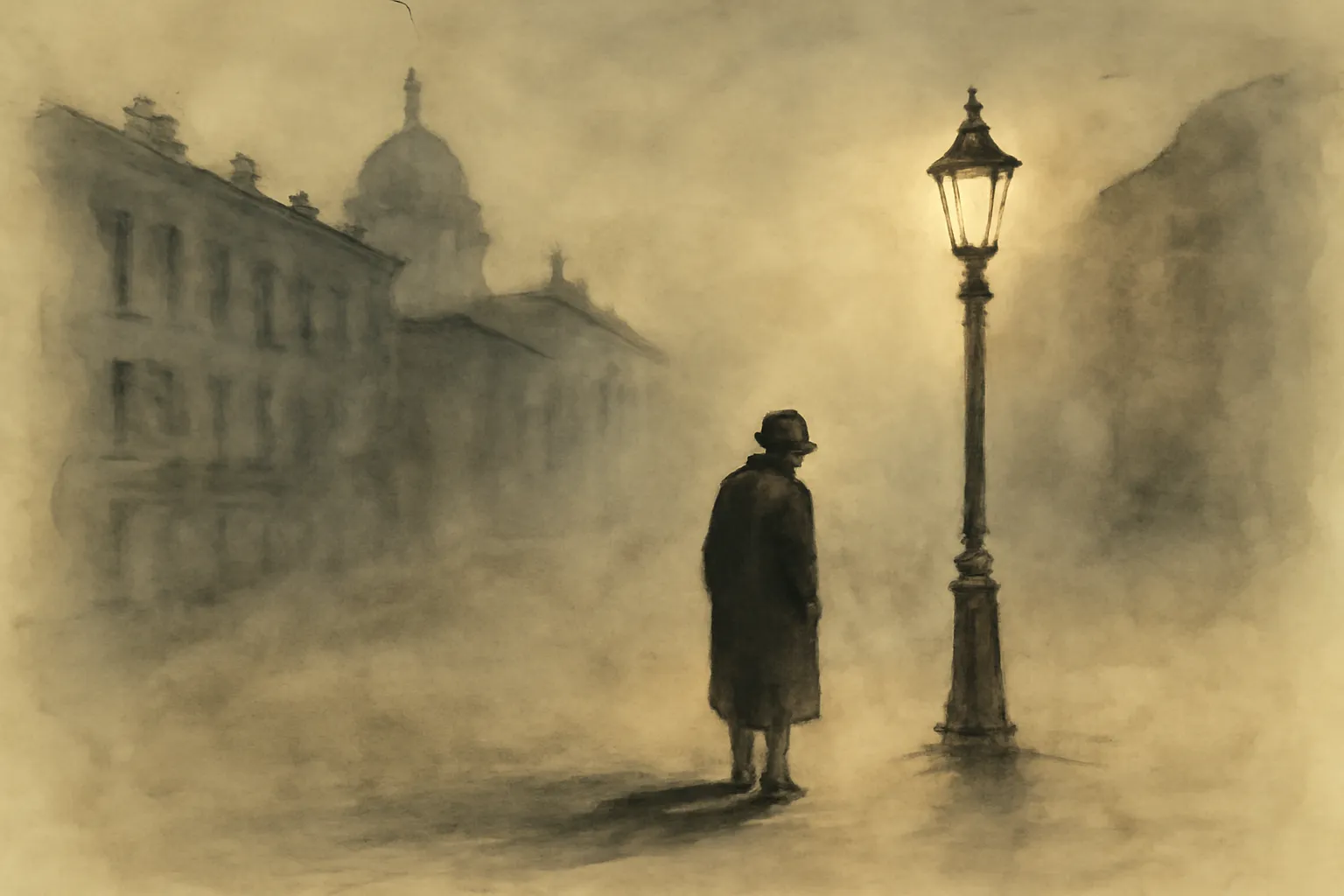
Isolation is a pervasive theme in Dostoyevsky's works, with many characters grappling with profound loneliness. The unnamed narrator in 'White Nights' exemplifies this se… Read moreIsolation is a pervasive theme in Dostoyevsky's works, with many characters grappling with profound loneliness. The unnamed narrator in 'White Nights' exemplifies this sense of solitude, wandering the streets of St. Petersburg and reflecting on his disconnectedness from society. He observes the world through a lens of bitter longing, desperately wishing for connection yet feeling utterly unworthy of it. His encounters are fleeting, creating an atmosphere of transience that underscores the loneliness that permeates his existence. Dostoyevsky masterfully illustrates how isolation breeds a yearning for companionship, yet the very awareness of one's loneliness can act as a barrier to forming meaningful relationships. Characters push others away, even as they crave connection, creating a tragic cycle of isolation that reflects the human condition. This exploration of alienation emphasizes the need for empathy and understanding in an increasingly disconnected world. Show less
Read the full text — free
About the author
Read Fyodor Dostoyevsky's work free on Lumina — the complete text plus an 8-minute summary and key ideas, no account needed