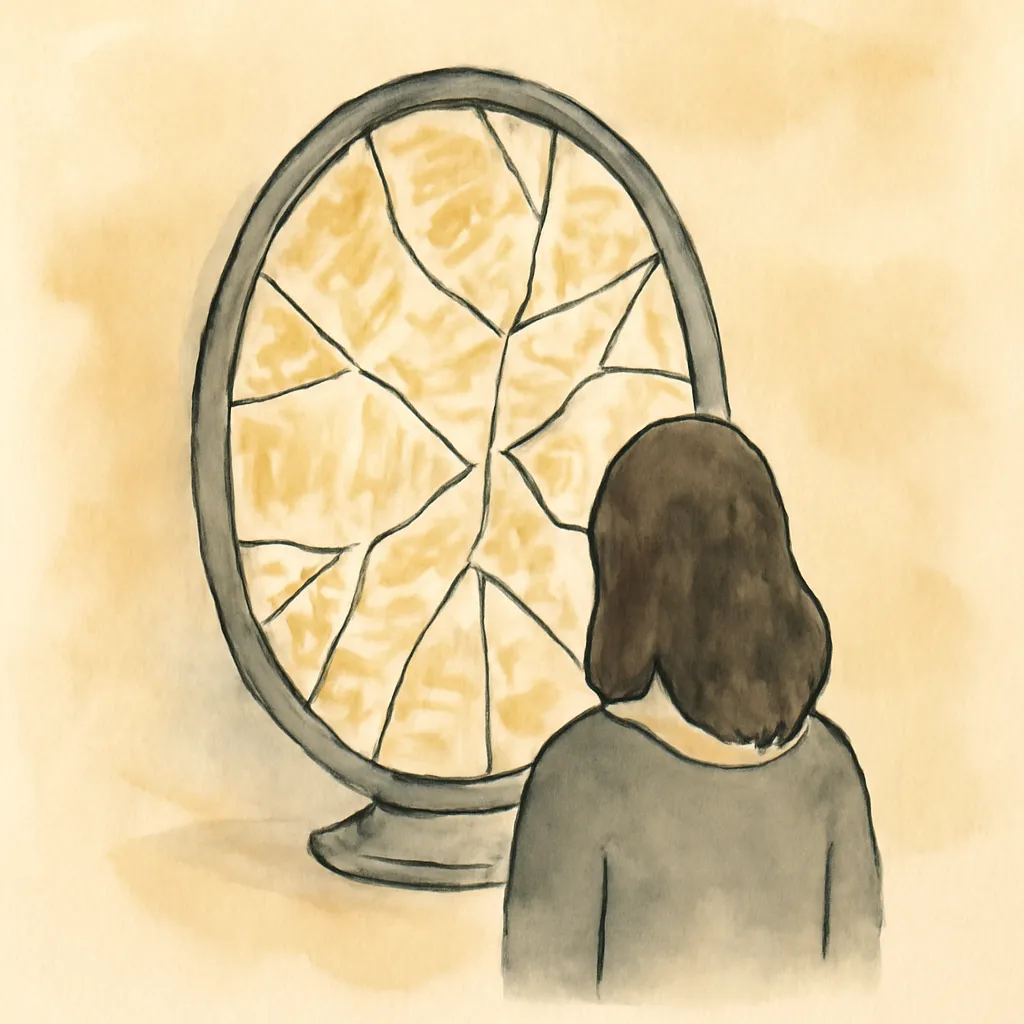
1.The Power of Isolation
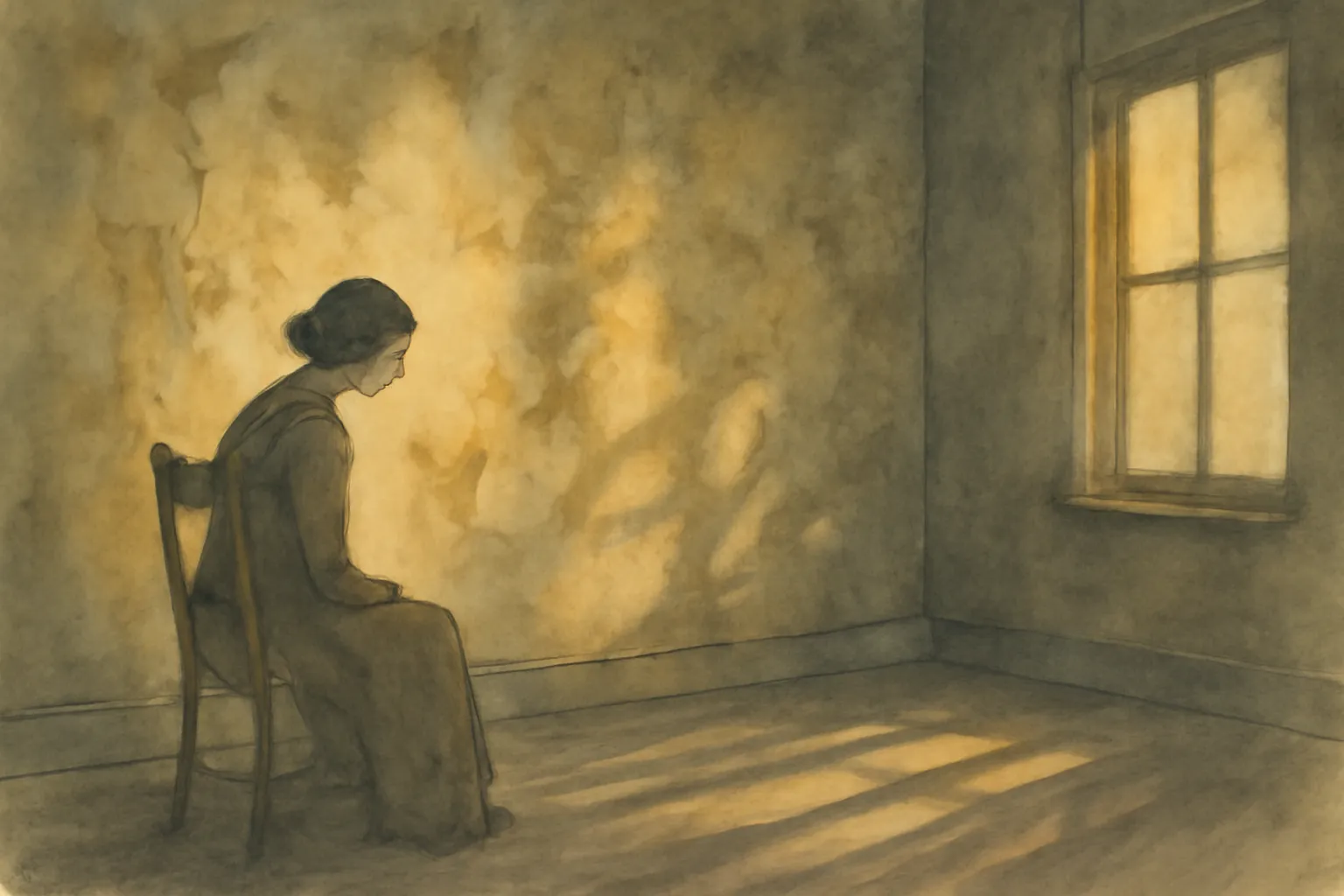
The protagonist's confinement in a colonial mansion highlights the detrimental effects of isolation on mental health. Initially described as a beautiful and serene environment, the house quickly becomes a prison for the narrator, who is forced to adhere to strict limitations imposed by her husband, John. This isolation is not just physical; it is also emotional and intellectual. The narrator is cut off from stimulating conversations and meaningful work, which she believes would aid her recovery. Instead, she is relegated to a life of silence and stasis, which exacerbates her condition. The story illustrates how isolation can distort perception and lead to a decline in mental health, a theme that resonates with many who have experienced the repercussions of social alienation.
2.The Role of Gender in Mental Health
The narrative critiques the patriarchal structures that dictate women's lives during the late 19th century. The protagonist's husband, John, embodies the medical and societal authority that dismisses her feelings and experiences. He insists that she is merely suffering from 'temporary nervous depression,' which reflects a broader trend of women's mental health being trivialized. John's practical and dismissive approach to her condition reveals the lack of understanding and compassion for women's struggles during this period. The narrator's gradual descent into madness serves as a powerful commentary on how gender roles can limit women's autonomy and exacerbate mental health issues, ultimately leading to a loss of self.
3.The Symbolism of the Yellow Wallpaper
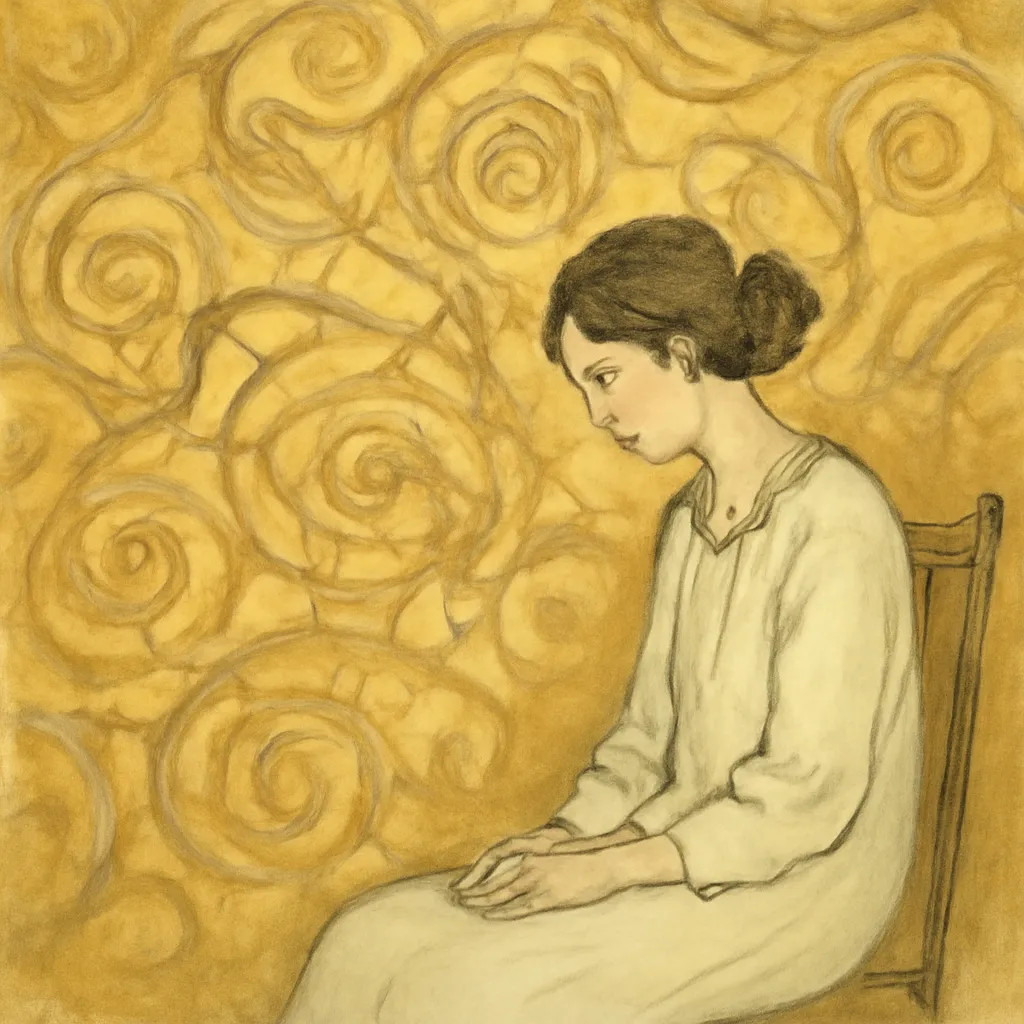
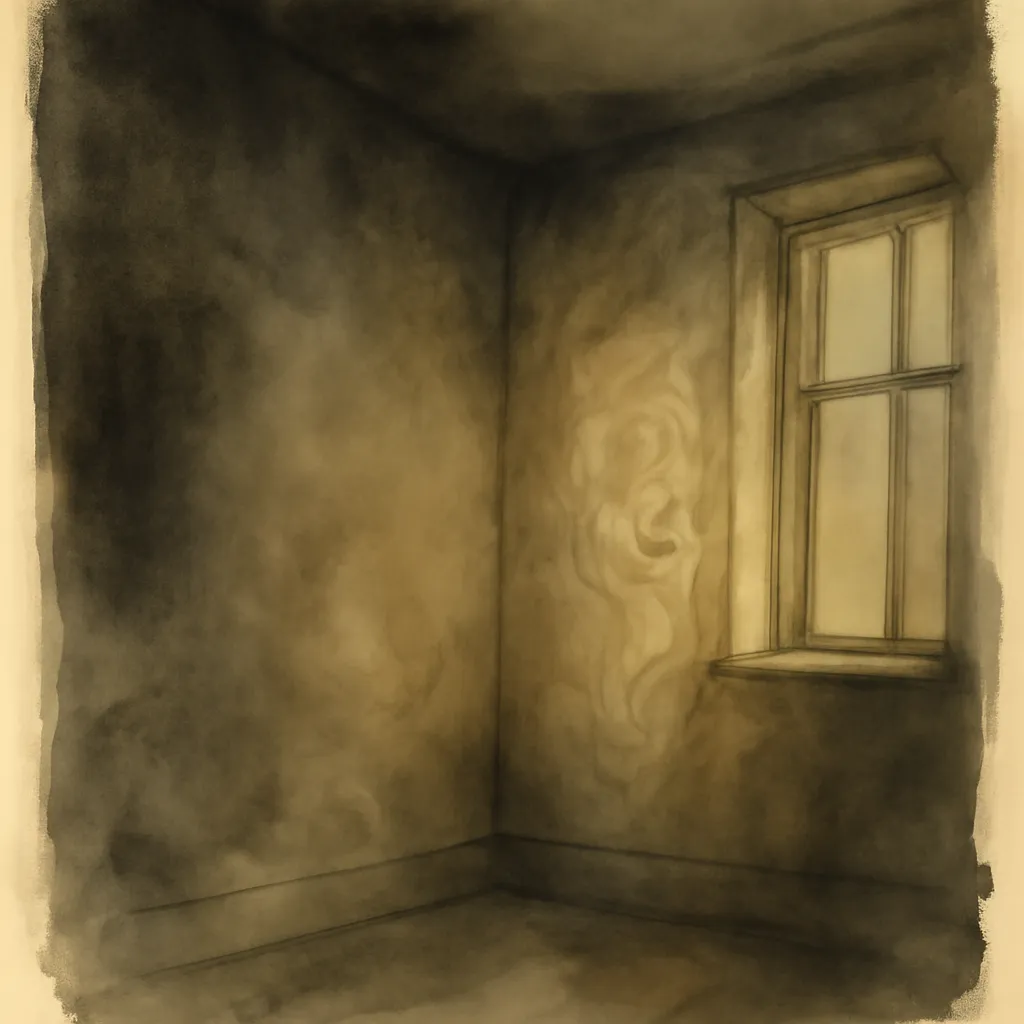
The yellow wallpaper itself becomes a central symbol in the story, representing the constraints placed upon the narrator. As she becomes increasingly obsessed with the wallpaper's intricate and chaotic patterns, it reflects her own mental unraveling. The wallpaper is described in grotesque detail, evoking feelings of disgust and confusion, much like the narrator's own feelings about her confinement. Over time, she perceives a woman trapped behind the wallpaper, mirroring her own entrapment within societal expectations and her marriage. This symbolism deepens as the story progresses; the wallpaper transforms from a mere decoration to a representation of her struggle for freedom and identity.
4.The Conflict Between Reality and Perception
The story explores the tension between the narrator's reality and the perceptions of those around her, particularly her husband. John, as a physician, represents the rational, scientific approach to mental health, which ultimately fails to address the narrator's needs. He insists on controlling her environment, believing that rest and avoidance of 'work' will cure her. Yet, the narrator perceives her reality differently, feeling stifled and misunderstood. This conflict highlights the theme of subjective experience versus objective authority; the narrator's truth is dismissed, leading her to seek solace in the wallpaper. As her grip on reality loosens, the reader is drawn into her fragmented perception, illustrating the complexities of mental illness.
5.The Importance of Self-Expression
The narrator's desire for self-expression is stifled by the very people who claim to care for her. Despite her belief that writing would help her heal, she is forbidden from engaging in any creative work. This suppression leads her to feel increasingly desperate and isolated. Her secret writings serve as a form of rebellion against her constraints, allowing her to articulate her feelings and thoughts, however fragmented they may be. The act of writing becomes a lifeline for her sanity, emphasizing the importance of self-expression in mental health. Gilman suggests that the denial of creative outlets can exacerbate feelings of entrapment and despair, particularly for women who are often silenced.
6.The Journey Toward Madness
As the story unfolds, the narrator's mental state deteriorates, culminating in a profound transformation. Initially, she is a passive observer, but as her obsession with the wallpaper grows, she begins to identify with the woman she perceives trapped within it. This identification marks a significant shift; she transitions from being a victim of her circumstances to a figure of rebellion. The descent into madness is depicted with unsettling clarity, as her grasp on reality slips. This journey reflects not only her personal struggle but also serves as a critique of the societal norms that confine women. Her final act of tearing down the wallpaper symbolizes her desperate bid for freedom and self-assertion, even at the cost of her sanity.
7.The Role of the Domestic Sphere
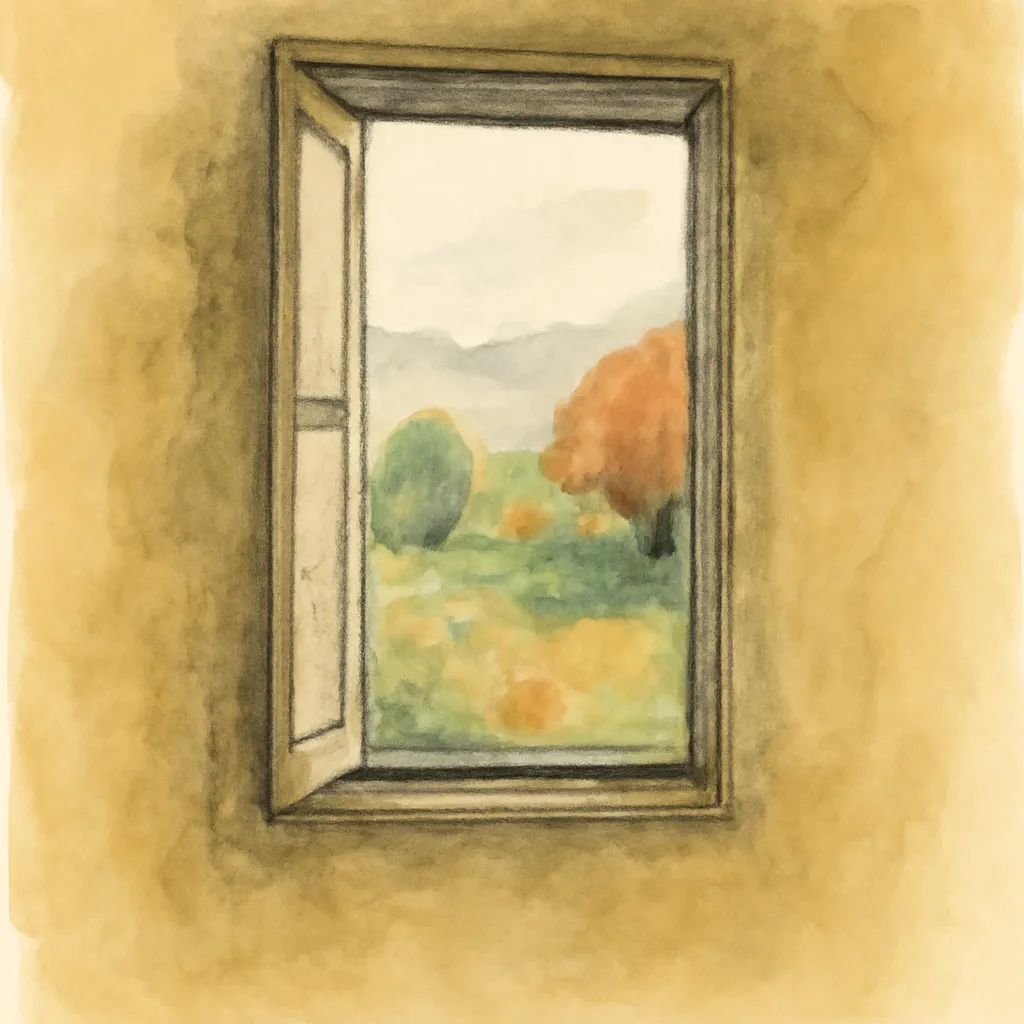
The domestic space in 'The Yellow Wallpaper' serves as both a sanctuary and a prison. While the house is initially portrayed as a charming retreat, it quickly becomes a site of oppression for the narrator. The confines of her room, particularly the barred windows and the yellow wallpaper, reflect the societal expectations of women during the era. Women were often relegated to the domestic sphere, expected to embody virtues of obedience and submission. The story critiques this domestic ideal, revealing how it can stifle individuality and creativity. The protagonist's struggle within her home mirrors the larger societal constraints on women, making a powerful statement about the need for autonomy and self-determination.
8.The Influence of Medical Authority
The figure of John as a physician represents the medical authority that often misinterprets women's mental health issues. His treatment of the narrator is emblematic of the broader medical practices of the time, which often disregarded women's voices and experiences. The insistence on rest and the dismissal of her desires for creative work exemplify how medical authority can contribute to a cycle of oppression. The narrator's deterioration under his care highlights the dangers of a one-size-fits-all approach to mental health, particularly when it is rooted in patriarchal values. This critique of the medical establishment underscores the importance of listening to patients and recognizing their individual needs.
9.The Complexity of Relationships
The dynamics between the narrator, John, and Jennie reveal the complexities of relationships within the context of mental illness. John's authoritative stance creates a power imbalance, leaving the narrator feeling powerless and trapped. Jennie, while appearing to be supportive, also embodies the societal norms that perpetuate the narrator's oppression. The interactions between these characters illustrate how relationships can be both nurturing and suffocating, particularly in the context of mental health. The story invites readers to consider the impact of societal expectations on personal relationships and how these dynamics can influence one's mental well-being.
10.A Reflection of Societal Norms
Gilman's 'The Yellow Wallpaper' serves as a reflection of the societal norms and attitudes toward women during the late 19th century. The protagonist's experiences mirror the struggles faced by many women who were confined to traditional roles and denied agency over their lives. The story critiques the medical, social, and familial structures that perpetuated these norms, revealing the detrimental effects they have on women's mental health. By exposing the limitations placed on women, Gilman calls for a reevaluation of societal attitudes and the need for greater understanding and support for women's mental health issues. The narrative remains relevant today as it challenges readers to consider the ongoing struggles for autonomy and self-expression.