

A woman confined for a “rest cure” descends into obsession with the wallpaper of her room — a chilling, pioneering study of madness and control.
Read full overviewShow less›
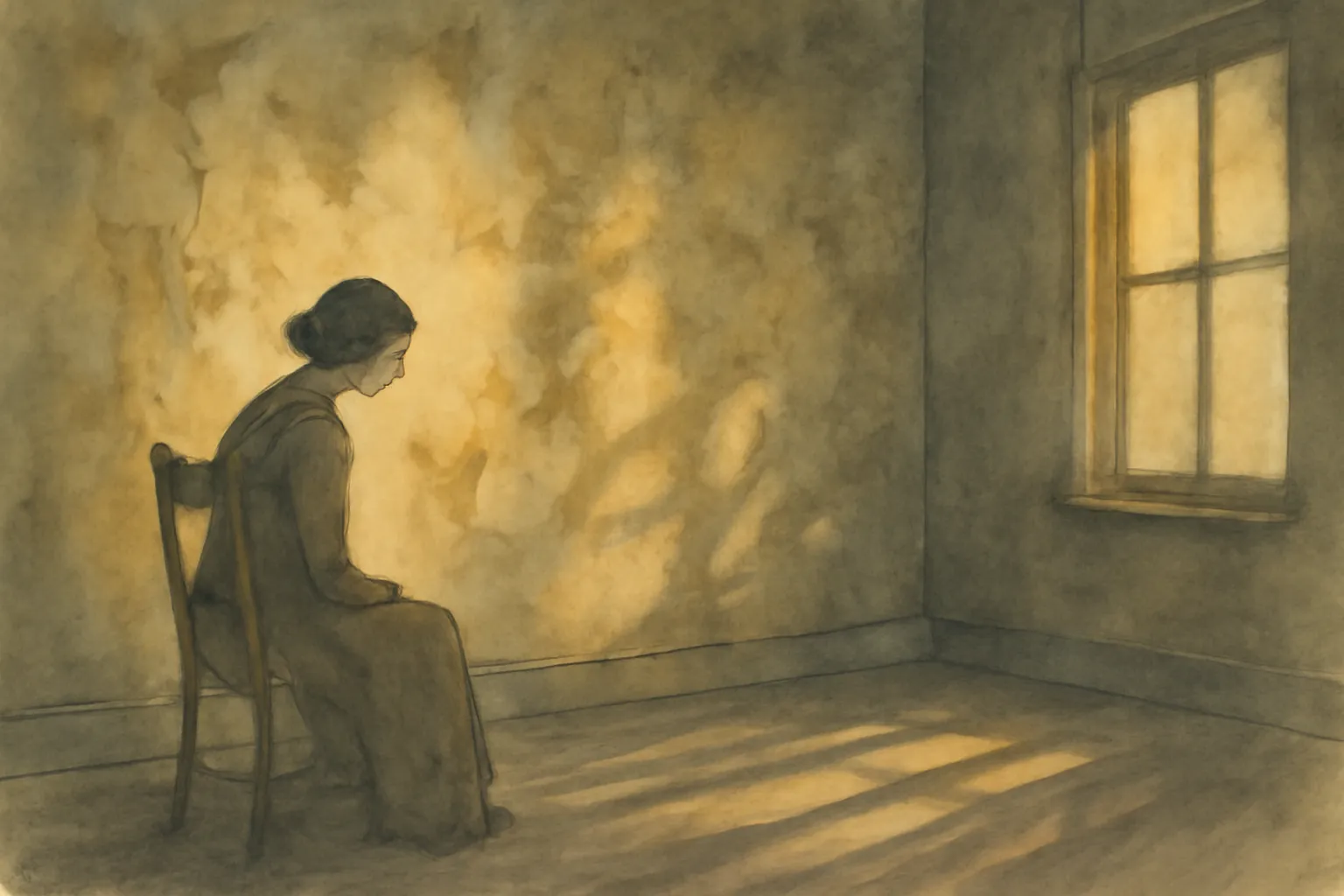
Charlotte Perkins Gilman's 'The Yellow Wallpaper' is a powerful exploration of mental illness, gender roles, and the quest for autonomy. Through the lens of a woman confined to a room and driven to madness by her oppressive treatment, the narrative unpacks the complexities of mental health and the societal expectations placed on women. As the protagonist grapples with her deteriorating mental state, she becomes increasingly obsessed with the yellow wallpaper in her room, which symbolizes her own entrapment and the struggle for freedom. This summary delves into the key themes, character dynamics, and the profound implications of the protagonist's journey, offering insights into the historical context and the relevance of Gilman's work today.
The haunting narrative of 'The Yellow Wallpaper' serves as a poignant reminder of the historical struggles faced by women in a patriarchal society. Through the lens of mental illness, Gilman critiques the oppressive structures that limit women's autonomy and expression. The story's powerful symbolism and complex character dynamics invite readers to reflect on the ongoing challenges women face in asserting their identities and reclaiming their voices. As relevant today as it was over a century ago, Gilman's work urges society to recognize and dismantle the barriers that continue to confine individuals, advocating for a world where mental health is understood, and all voices are heard.
- 1The Power of Isolation
- 2The Role of Gender in Mental Health
- 3The Symbolism of the Yellow Wallpaper
- 4The Conflict Between Reality and Perception
- 5The Importance of Self-Expression
A glimpse inside

The protagonist's confinement in a colonial mansion highlights the detrimental effects of isolation on mental health. Initially described as a beautiful and serene enviro… Read moreThe protagonist's confinement in a colonial mansion highlights the detrimental effects of isolation on mental health. Initially described as a beautiful and serene environment, the house quickly becomes a prison for the narrator, who is forced to adhere to strict limitations imposed by her husband, John. This isolation is not just physical; it is also emotional and intellectual. The narrator is cut off from stimulating conversations and meaningful work, which she believes would aid her recovery. Instead, she is relegated to a life of silence and stasis, which exacerbates her condition. The story illustrates how isolation can distort perception and lead to a decline in mental health, a theme that resonates with many who have experienced the repercussions of social alienation. Show less
The narrative critiques the patriarchal structures that dictate women's lives during the late 19th century. The protagonist's husband, John, embodies the medical and soci… Read moreThe narrative critiques the patriarchal structures that dictate women's lives during the late 19th century. The protagonist's husband, John, embodies the medical and societal authority that dismisses her feelings and experiences. He insists that she is merely suffering from 'temporary nervous depression,' which reflects a broader trend of women's mental health being trivialized. John's practical and dismissive approach to her condition reveals the lack of understanding and compassion for women's struggles during this period. The narrator's gradual descent into madness serves as a powerful commentary on how gender roles can limit women's autonomy and exacerbate mental health issues, ultimately leading to a loss of self. Show less
Read the full text — free
About the author
Read Charlotte Perkins Gilman's work free on Lumina — the complete text plus an 8-minute summary and key ideas, no account needed.
Frequently asked
Worlds to get lost in
Take Lumina everywhere
Read offline, listen to AI summaries, speed-read, and sync your progress across devices — free on iPhone.
Download for iPhone