Fiction
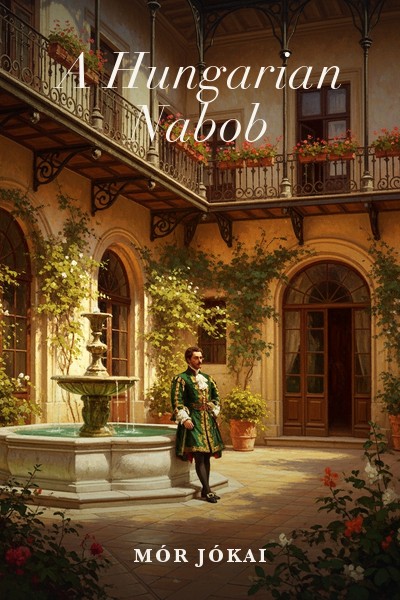
A Hungarian Nabob by Mór Jókai — Summary, Key Ideas & Full Text
349 pages23 chapters7h read4h 58m speed read✦ 10-min Big ideasFree · no account
Rate it
A Hungarian Nabob reveals the complex interplay between wealth, identity, and societal expectations in 19th-century Hungary
Mór Jókai's 'A Hungarian Nabob' is a captivating exploration of social class, ambition, and the human condition set against the backdrop of early 19th-century Hungary. Through the lives of its richly drawn characters, the novel delves into the struggles of the wealthy and the poor alike, revealing a tapestry of love, betrayal, and redemption. Readers will encounter a world where fortunes can rise and fall with the change of the seasons, and where the quest for status often leads to moral dilemmas. This translation brings to life a classic that has resonated with Hungarian readers for generations, making it accessible to a wider audience. Engaging and thought-provoking, this novel invites readers to reflect on their own values and the societal structures that shape their lives.
A Hungarian Nabob is not just a tale of wealth and status; it is a profound exploration of human nature, societal expectations, and the quest for identity. Jókai's characters navigate a world where personal ambitions often clash with moral values, revealing the complexities of the human experience. The novel invites readers to reflect on their own lives, the choices they make, and the values they uphold. It serves as a timeless reminder that true fulfillment lies not in material possessions but in the connections we forge with others and the integrity we maintain in our pursuits. As readers journey through the richly woven narrative, they are left with the enduring question of what it truly means to live a meaningful life.
“This judgment weather began on St. Medardus' Day, and will last now for forty days longer, but if it does last, I know not where we are to find the Noah to save man and beast from a partial deluge.”
“The greatest dandies, nay, even magnates, delighted to dance with them, and they were universally known as 'the pretty Meyer girls.”
“Oh, sir! oh, my dear sir! most worthy, honourable, magnanimous Mr. Boltay, suffer me to kiss the dust from your boots!”
Mór Jókai has 3 works free to read on Lumina, including Debts of Honor, The Day of Wrath
All 3 books by Mór Jókai →