1.The Weight of Wealth
Wealth in 'A Hungarian Nabob' is depicted not merely as a source of power but as a burden that shapes the identities and fates of the characters. The protagonist, Squire John Karpathy, embodies this duality; he is a man of considerable wealth yet grapples with the expectations and responsibilities that accompany his status. Initially, Squire John's extravagant lifestyle and lavish birthday celebrations paint a picture of a joyous life filled with plenty. However, Jókai illustrates how the acquisition of wealth can lead to a disconnect from one's roots and the community. For instance, while Squire John revels in celebration, he becomes increasingly isolated from genuine human connections, highlighting the emptiness that often accompanies wealth. The novel suggests that true fulfillment comes not from riches but from meaningful connections and integrity, challenging the notion that wealth equates to happiness.
2.The Burden of Identity
Characters in the novel often struggle with their identities concerning their social status. Squire John’s transformation from a carefree nobleman to a responsible landowner illustrates this theme well. After inheriting his fortune, he realizes that his position carries societal expectations and responsibilities that weigh heavily on him. This shift from a life of carefree debauchery to serious political engagement reflects Jókai's broader commentary on the nature of identity—how it is shaped by external perceptions and internal values. Additionally, Fanny, the shopkeeper's daughter who marries into the nobility, faces her own identity crisis as she navigates the complexities of her new life. Her evolution from a humble background to the mistress of a grand estate raises questions about authenticity and the sacrifices one must make for acceptance in high society, ultimately leading her to seek out her true self amidst the facade of aristocracy.
3.Love and Sacrifice

Romantic relationships in 'A Hungarian Nabob' are deeply intertwined with themes of sacrifice and societal expectation. Fanny's love for Alexander is portrayed as pure and idealistic, yet it is constantly challenged by the harsh realities of their social standings. Fanny's decision to marry Squire John despite her feelings for Alexander highlights the sacrifices made in the pursuit of stability and acceptance. Jókai uses this love triangle to explore the tension between personal desire and societal obligations, illustrating how love can be both a source of strength and a catalyst for personal turmoil. Fanny's struggle between her heart and her duty reflects the broader social commentary on women's roles, where love is often sacrificed on the altar of societal expectations. The contrast between Fanny's love for Alexander and her marriage to Squire John illustrates how the demands of status can reshape personal relationships, raising profound questions about the authenticity of love in a world driven by status and wealth.
4.The Role of Women

The novel presents a nuanced portrayal of women’s roles in 19th-century Hungarian society, emphasizing their struggles for independence and agency. Fanny, initially depicted as a passive character, gradually evolves into a figure of resilience and strength. Her character arc is a compelling response to the limitations placed upon women during this era. Through her experiences, Jókai critiques the limited options available to women, who are often seen as pawns in the social games of men. The character of Aunt Teresa serves as a foil to Fanny, representing the traditional values that stifle female ambition. However, Teresa's eventual recognition of Fanny's potential signifies a shift towards a more progressive understanding of women's capabilities. Jókai advocates for the empowerment of women, suggesting that true progress in society depends on the acknowledgment and elevation of women's voices. Through Fanny’s journey, the narrative challenges readers to consider the social structures that confine women and the potential for transformation within these frameworks.
5.Social Class and Morality
The intricate relationship between social class and morality is a central theme in 'A Hungarian Nabob.' Jókai illustrates how wealth can corrupt and distort moral values, as seen in the character of Abellino, whose aristocratic background does not shield him from unscrupulous behavior. In contrast, characters from lower social strata, such as hardworking peasants, often exhibit greater integrity and compassion. This moral dichotomy challenges the reader to reconsider preconceived notions about virtue and vice, suggesting that true character is not determined by wealth but by one's actions and choices. The novel posits that societal structures often reward immoral behavior while punishing those who adhere to ethical principles, reflecting a critical view of the social order. Fanny’s unwavering moral compass, even amidst the temptations of high society, reinforces the idea that integrity is paramount, regardless of social standing.
6.The Influence of Politics

Political dynamics play a significant role in shaping the lives of the characters in 'A Hungarian Nabob.' The backdrop of Hungary's political landscape serves as a constant reminder of the impact of governance on individual lives. Squire John’s involvement in political affairs reflects the responsibilities of the elite to engage with the state, yet it also exposes the corruption and inefficiency that often accompany power. Jókai employs political intrigue as a narrative device to explore themes of loyalty, betrayal, and the quest for justice. The characters navigate a world where political maneuvering can determine their fates, illustrating the complex interplay between personal ambition and public duty. This portrayal resonates with contemporary issues, highlighting the timeless relevance of political engagement in shaping society. As Squire John grapples with his political responsibilities, readers are prompted to reflect on their roles in their communities and the importance of civic engagement.
7.The Nature of Friendship

Friendship in 'A Hungarian Nabob' is portrayed as both a refuge and a source of conflict. The bonds between characters are tested by social expectations and personal ambitions, revealing the fragility of human connections in a competitive society. The friendship between Squire John and Mike Kis exemplifies this theme; their camaraderie is rooted in mutual respect but strained by the pressures of their respective social standings. Jókai emphasizes the importance of loyalty and trust in friendships, suggesting that true companionship can transcend social barriers. However, the novel also illustrates how societal norms complicate relationships, leading to misunderstandings and estrangement. This exploration of friendship serves as a poignant reminder of the need for empathy and understanding in an increasingly divided world. The struggles faced by characters in maintaining their friendships highlight the emotional toll of societal pressures, urging readers to consider the value of authentic relationships.
8.The Illusion of Happiness
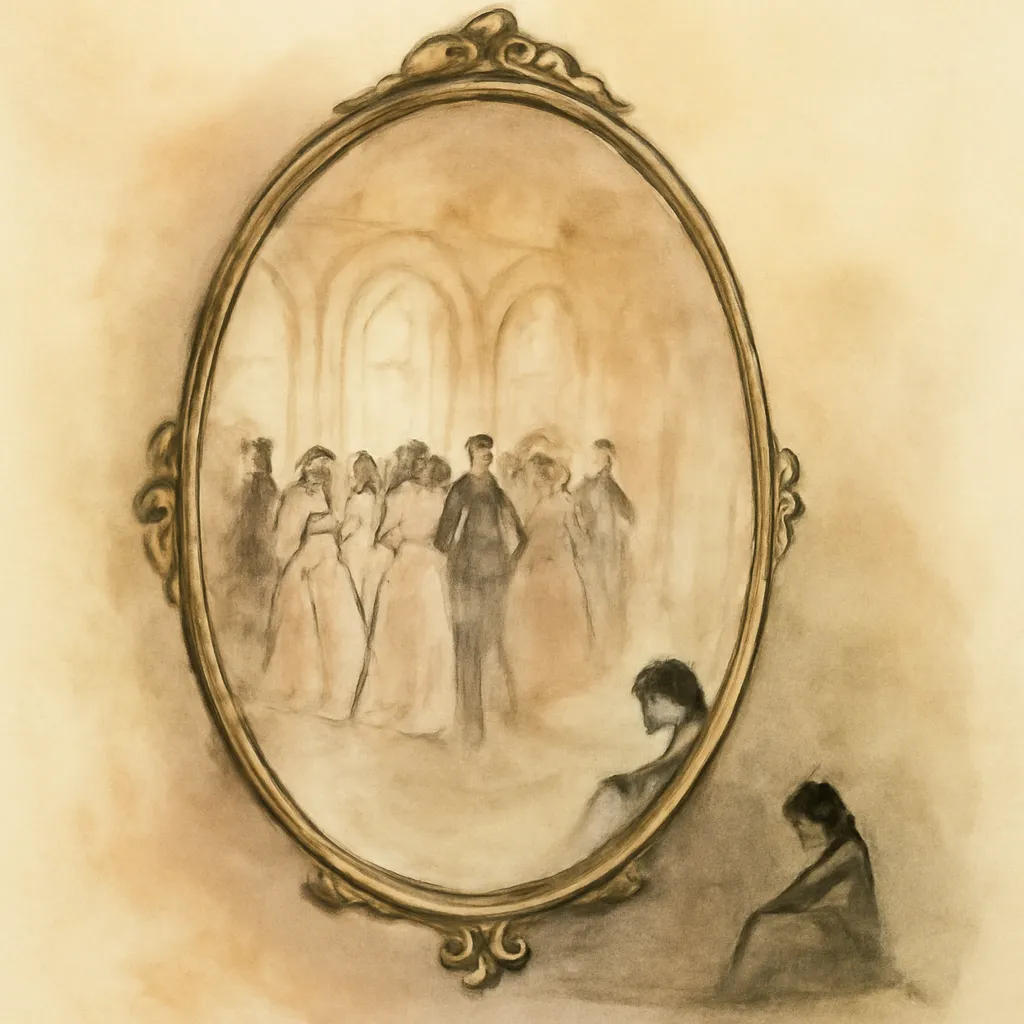
Jókai masterfully portrays the illusion of happiness that wealth and status can create, often leading characters to a profound sense of emptiness. Squire John's extravagant lifestyle and his lavish celebrations mask a deeper dissatisfaction with his life. Despite his riches, he grapples with loneliness and a lack of genuine fulfillment. The novel critiques the notion that material wealth equates to happiness, suggesting that true contentment arises from meaningful relationships and personal integrity. Through Fanny’s journey, Jókai reveals how the superficiality of high society can be suffocating, compelling individuals to confront their own desires and values. The characters’ quests for happiness expose the fallacy of equating social standing with fulfillment, illustrating the human need for authentic connections and self-awareness. Jókai's narrative serves as a cautionary tale, urging readers to look beyond the façade of wealth to discover the deeper sources of joy and fulfillment.
9.The Cycle of Life and Death

The theme of life and death is poignantly woven throughout 'A Hungarian Nabob,' reflecting the inevitability of mortality and the impact it has on the living. Squire John's reflections on death, particularly his desire to prepare his will, underscore the transient nature of existence. Jókai uses this theme to explore the legacies that individuals leave behind, both in terms of material wealth and moral values. The deaths of key characters serve as significant turning points in the narrative, prompting others to reevaluate their lives and choices. Through these moments, the novel highlights the interconnectedness of life and death, suggesting that the way one lives ultimately shapes how they are remembered. The cycle of life is portrayed not just as a personal journey but as a communal experience, where the fates of individuals are intricately linked. This exploration of mortality invites readers to reflect on their own lives and the legacies they wish to create, emphasizing the importance of living authentically and with purpose.
10.The Interplay of Fate and Free Will
Jókai intricately weaves the themes of fate and free will throughout 'A Hungarian Nabob,' illustrating how characters navigate their destinies within the constraints of societal norms and personal choices. The characters often find themselves at the mercy of circumstances beyond their control, yet their responses to these challenges reveal their agency and resilience. Squire John, for instance, grapples with the expectations placed upon him by his wealth and position while simultaneously striving to forge his own path. This tension between fate and free will is particularly evident in Fanny's life, as she is torn between her love for Alexander and her obligations to Squire John. Jókai emphasizes that while fate may set the stage, it is the choices characters make in response that ultimately shape their destinies. This interplay invites readers to reflect on their own lives, questioning the extent to which they are shaped by external forces versus their decisions.