
A vivid portrayal of human suffering and moral reckoning amidst the turmoil of political upheaval
Read full overviewShow less›
In 'The Day of Wrath', Mór Jókai crafts a haunting narrative set against the backdrop of Hungary's turbulent history following the failed 1848-49 revolution. This tale weaves together themes of suffering, crime, and punishment, while serving as a scathing critique of the societal injustices and feudal conditions that plagued Hungary. Readers will encounter a rich tapestry of characters, each grappling with their own struggles, as they navigate a world filled with despair and moral ambiguity. The book not only captures the essence of a nation in turmoil but also reflects the deeper human experience of loss, redemption, and the quest for justice. Jókai's masterful storytelling and vivid imagery invite readers to reflect on the complexities of human nature and the impact of fate on our lives.
In 'The Day of Wrath', Mór Jókai crafts a powerful narrative that transcends its historical context to explore timeless themes of suffering, justice, and the human condition. Through the lens of a nation in turmoil, the author delves into the complexities of morality, fate, and the possibility of redemption. The vivid imagery, rich characterizations, and poignant themes invite readers to reflect on their own lives and the societal structures that shape them. Jókai's work serves as a reminder of the enduring power of literature to illuminate the human experience, urging us to confront our own moral dilemmas and strive for a more just and compassionate world. Ultimately, 'The Day of Wrath' is not just a tale of suffering but also a call to action, encouraging readers to recognize the interconnectedness of humanity and the importance of empathy in the face of adversity.
- 1The Weight of History
- 2Suffering as a Central Theme
- 3A Critique of Social Injustice
- 4The Duality of Human Nature
- 5The Role of Fate and Destiny
Notable quotes
“The whole world seemed out of joint.”
“With God there is mercy!”
“Death is the judge of the gentry as well as of the serfs.”
A glimpse inside

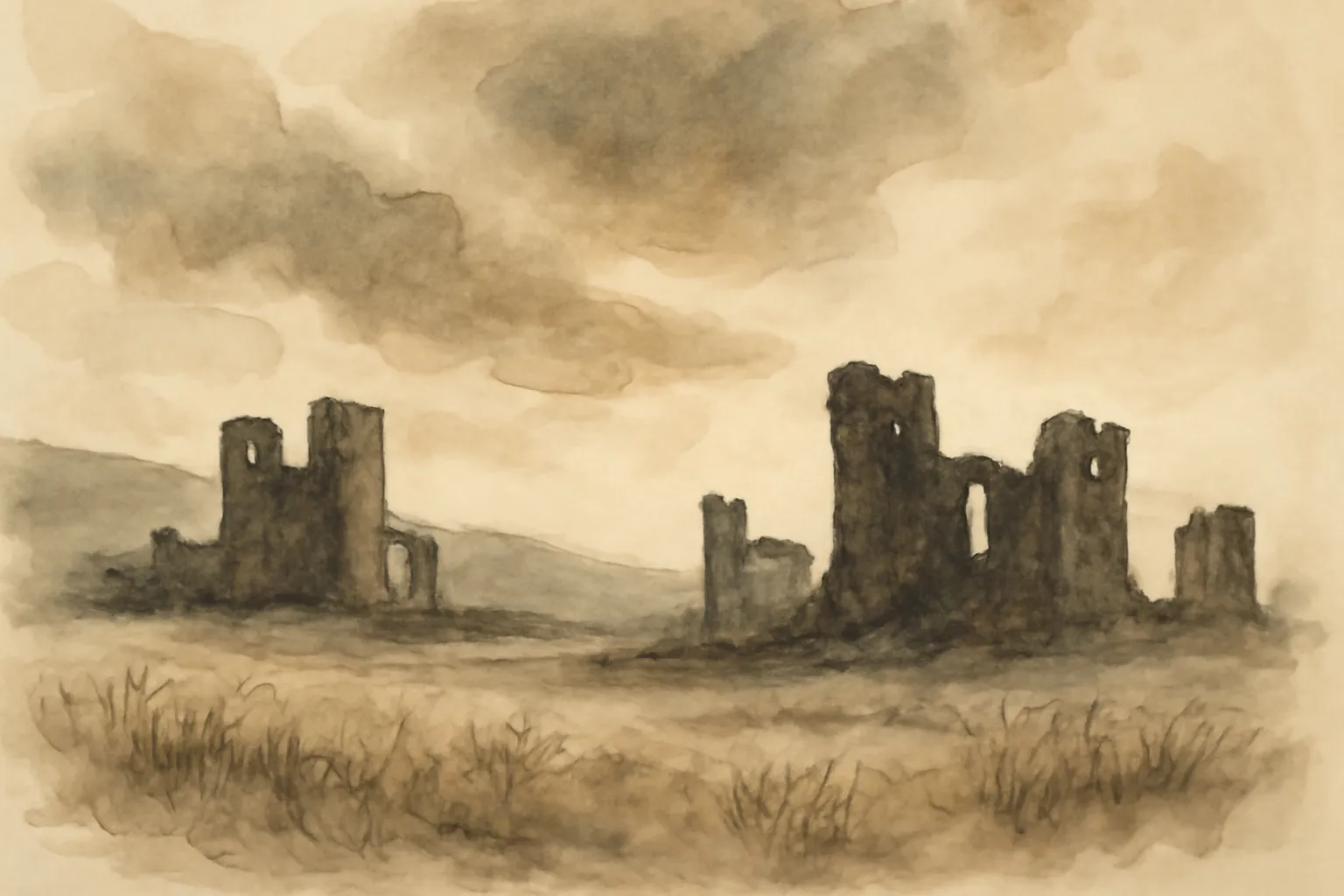
Jókai's narrative is deeply rooted in the historical context of Hungary's failed revolution. The story unfolds in a land marked by defeat and despair, where the remnants… Read moreJókai's narrative is deeply rooted in the historical context of Hungary's failed revolution. The story unfolds in a land marked by defeat and despair, where the remnants of the Magyar Revolution still echo in the lives of its characters. The author evokes a palpable sense of loss, as the country grapples with the aftermath of political oppression and the harsh realities of life under foreign rule. This historical backdrop serves not only as a setting but also as a character in itself, shaping the destinies of individuals and communities alike. The weight of history is further illustrated through the desolate landscapes and abandoned buildings, symbolizing the shattered dreams of a nation and its people. Jókai's exploration of history invites readers to consider how past events shape present realities and influence future possibilities. Show less
At the heart of 'The Day of Wrath' lies the theme of suffering, manifesting in various forms throughout the narrative. Characters endure personal tragedies, loss, and mor… Read moreAt the heart of 'The Day of Wrath' lies the theme of suffering, manifesting in various forms throughout the narrative. Characters endure personal tragedies, loss, and moral dilemmas, reflecting the broader societal suffering experienced by the Hungarian people. For instance, the plight of little Neddy, who falls ill after the mysterious disappearance of his sister, serves as a microcosm of the collective grief felt by families torn apart by war and strife. Jókai does not shy away from depicting the raw emotions associated with suffering, allowing readers to empathize with the characters' struggles. This focus on suffering compels readers to confront uncomfortable truths about the human condition and the societal structures that perpetuate pain. Through vivid descriptions and poignant scenes, Jókai evokes a sense of urgency, urging readers to acknowledge and respond to the suffering of others. Show less
Read the full text — free
About the author
Mór Jókai has 3 works free to read on Lumina, including A Hungarian Nabob, Debts of Honor
All 3 books by Mór Jókai →