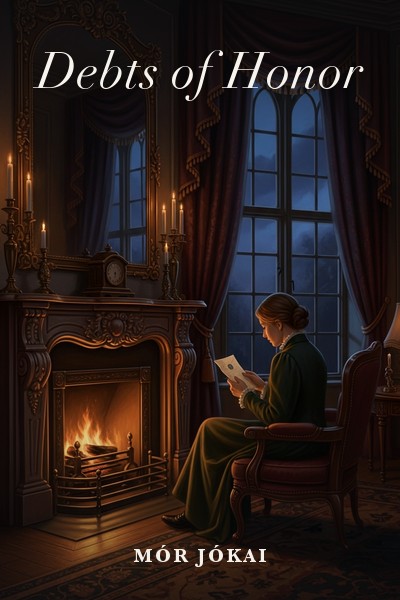

In 'Debts of Honor,' Mór Jókai weaves a tale of familial bonds, youthful aspirations, and the moral dilemmas of honor and duty amidst the backdrop of societal turmoil
Read full overviewShow less›
Set against the vibrant cultural tapestry of 19th-century Hungary, 'Debts of Honor' explores the intricacies of family loyalty, love, and the pursuit of personal identity. Through the lives of young Desiderius and his brother Lorand, the narrative unfolds themes of honor, sacrifice, and the societal pressures that shape their destinies. Jókai's rich character development and detailed settings immerse the reader in a world where personal desires often clash with familial expectations. As the brothers navigate their paths, they face moral quandaries that challenge their very notions of honor and integrity. This summary delves into the key ideas and lessons from the text, offering insights into the human condition and the complexities of love and loyalty.
Mór Jókai's 'Debts of Honor' is a rich exploration of the complexities of human relationships set against the vibrant backdrop of 19th-century Hungary. Through the intertwined lives of Desiderius and Lorand, the narrative delves into themes of family, honor, and the moral dilemmas faced in a rapidly changing society. Jókai's masterful storytelling invites readers to reflect on the nature of sacrifice, the weight of choices, and the enduring power of hope. As the characters navigate their tumultuous journeys, they embody the universal struggles of love, loyalty, and the quest for identity. Ultimately, 'Debts of Honor' serves as a timeless reminder of the connections that bind us and the sacrifices we make for those we cherish.
- 1The Power of Family Bonds
- 2Cultural Exchange and Identity Formation
- 3The Burden of Honor
- 4The Role of Women in Society
- 5Friendship and Rivalry
Notable quotes
“I never heard any quarrelling in our family.”
“A mother's love cannot be bought at a price but only gained by love.”
“The devil take official business.”

A glimpse inside

At the heart of 'Debts of Honor' lies the profound bond between brothers Desiderius and Lorand, which serves as a fundamental pillar of the narrative. Read moreAt the heart of 'Debts of Honor' lies the profound bond between brothers Desiderius and Lorand, which serves as a fundamental pillar of the narrative. Their relationship is characterized by deep affection, mutual support, and an unspoken understanding that transcends the ordinary. Desiderius, at a tender age, idolizes his elder brother Lorand, viewing him as an embodiment of strength and virtue. This admiration shapes his childhood aspirations and moral compass, establishing a framework through which he perceives the world. As the narrative evolves, however, this bond is tested when Lorand becomes embroiled in political turmoil, and Desiderius grapples with the fear of losing his brother to the dangers of dissent. Jókai poignantly illustrates how family can serve as both a source of strength and a catalyst for conflict, emphasizing that the emotional weight of familial bonds can guide individuals through even the most tumultuous times. The narrative ultimately advocates for the enduring power of love and loyalty in navigating life's challenges. Show less
Jókai introduces the concept of cultural exchange through the practice of temporarily swapping children between German and Magyar families, a tradition that serves both p… Read moreJókai introduces the concept of cultural exchange through the practice of temporarily swapping children between German and Magyar families, a tradition that serves both practical and emotional purposes. This practice reflects the societal necessity of fostering understanding amid linguistic and cultural differences. Desiderius's experience with this exchange highlights the complexities of identity formation in a diverse cultural landscape. As he navigates life in a new environment, he grapples with feelings of displacement and belonging, questioning his own identity in the context of contrasting cultural values. The narrative illustrates how such exchanges can enrich personal growth and broaden perspectives, while also exposing the inherent challenges of adapting to unfamiliar customs and familial dynamics. By portraying these experiences, Jókai emphasizes the importance of cultural dialogue in shaping individual identities and underscores the richness that comes from embracing diversity. Show less
Read the full text — free
About the author
Mór Jókai has 3 works free to read on Lumina, including A Hungarian Nabob, The Day of Wrath
All 3 books by Mór Jókai →