1.The Power of Family Bonds

At the heart of 'Debts of Honor' lies the profound bond between brothers Desiderius and Lorand, which serves as a fundamental pillar of the narrative. Their relationship is characterized by deep affection, mutual support, and an unspoken understanding that transcends the ordinary. Desiderius, at a tender age, idolizes his elder brother Lorand, viewing him as an embodiment of strength and virtue. This admiration shapes his childhood aspirations and moral compass, establishing a framework through which he perceives the world. As the narrative evolves, however, this bond is tested when Lorand becomes embroiled in political turmoil, and Desiderius grapples with the fear of losing his brother to the dangers of dissent. Jókai poignantly illustrates how family can serve as both a source of strength and a catalyst for conflict, emphasizing that the emotional weight of familial bonds can guide individuals through even the most tumultuous times. The narrative ultimately advocates for the enduring power of love and loyalty in navigating life's challenges.
2.Cultural Exchange and Identity Formation

Jókai introduces the concept of cultural exchange through the practice of temporarily swapping children between German and Magyar families, a tradition that serves both practical and emotional purposes. This practice reflects the societal necessity of fostering understanding amid linguistic and cultural differences. Desiderius's experience with this exchange highlights the complexities of identity formation in a diverse cultural landscape. As he navigates life in a new environment, he grapples with feelings of displacement and belonging, questioning his own identity in the context of contrasting cultural values. The narrative illustrates how such exchanges can enrich personal growth and broaden perspectives, while also exposing the inherent challenges of adapting to unfamiliar customs and familial dynamics. By portraying these experiences, Jókai emphasizes the importance of cultural dialogue in shaping individual identities and underscores the richness that comes from embracing diversity.
3.The Burden of Honor
The theme of honor permeates the lives of the characters, particularly Lorand, who embodies the struggle between personal integrity and societal expectations. As he becomes embroiled in the clandestine world of political journalism, Lorand faces the moral dilemma of adhering to his principles or succumbing to the pressures of authority. Jókai deftly explores the costs associated with maintaining one's honor, as Lorand's choices lead him down a path of potential sacrifice and peril. This exploration of honor becomes increasingly complex when Lorand finds himself at odds with the prevailing political climate, highlighting the tension between individual conscience and collective responsibility. The narrative poignantly illustrates how the weight of honor can compel individuals to act against their own interests for the sake of family and country, ultimately leading to the exploration of what it means to be honorable in a world rife with corruption and dissent.
4.The Role of Women in Society

Jókai's portrayal of female characters in 'Debts of Honor' reflects the complexities of women's roles in a patriarchal society. Figures like Melanie and Czipra navigate their identities amidst societal expectations and personal desires, often finding themselves constrained by the norms of their time. Melanie, in particular, embodies the struggle for autonomy as she grapples with her feelings for Lorand while being pressured into a marriage with Gyali. This tension illustrates the limited agency afforded to women in the social order of the time, as they are often viewed as pawns in the games of men. Jókai uses these characters to critique societal norms and highlight the resilience of women who seek to assert their identities despite the constraints imposed upon them. Through Melanie's journey, readers are invited to reflect on the sacrifices women make for love and the pursuit of happiness, revealing the multifaceted nature of romance and duty in a woman’s life.
5.Friendship and Rivalry
The dynamics of friendship and rivalry are central to the relationships between characters in 'Debts of Honor.' The bond between Desiderius and Lorand contrasts sharply with the competitive nature of their relationships with other young men, most notably Gyali. As Desiderius observes Lorand’s interactions with their peers, he grapples with feelings of jealousy and admiration, particularly as Lorand’s involvement in political activism intensifies. These rivalries are not merely personal but reflect larger societal tensions, illustrating how ambition and competition can strain relationships. Jókai's nuanced depiction of these interactions reveals the complexities of male friendships in a competitive environment, where loyalty is often tested by ambition and desire. The narrative explores how rivalry can spur personal growth but also lead to heartache, ultimately questioning the nature of true friendship in the face of external pressures.
6.The Impact of Societal Change
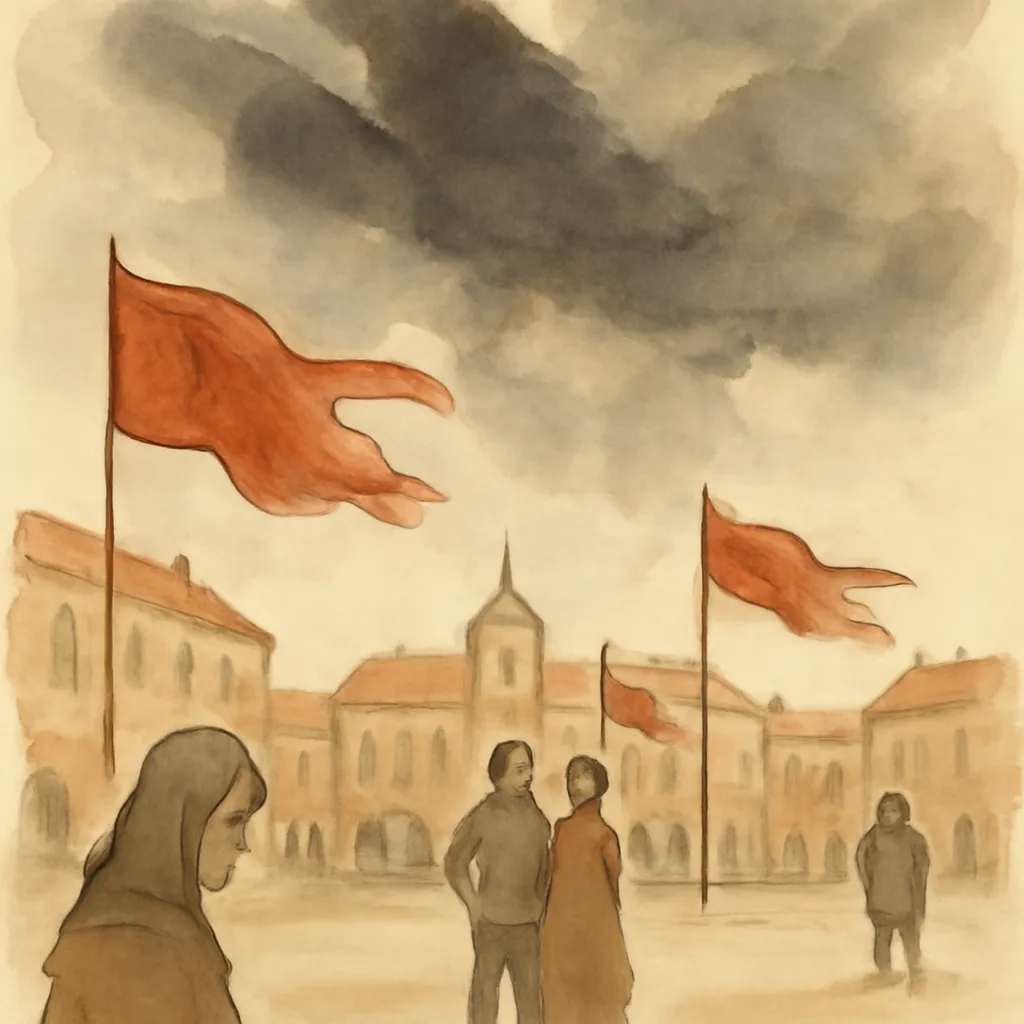
Set against the backdrop of political upheaval, 'Debts of Honor' captures the impact of societal change on personal lives. The characters’ experiences are intricately shaped by the larger political landscape, particularly the struggles for national identity and freedom in Hungary. Lorand's foray into journalism and political activism reflects the burgeoning desire for change among the youth of his generation, as they become increasingly aware of their role in shaping the future of their nation. Jókai illustrates how these societal changes catalyze personal transformations, as individuals respond to the call for action in various ways. The narrative serves as a powerful reminder of the interconnectedness of personal and political spheres, emphasizing that individual choices can have far-reaching consequences in times of societal upheaval. By juxtaposing personal dilemmas with the broader context of political change, Jókai underscores the importance of civic engagement in the pursuit of justice and equality.
7.Secrets and Betrayals
The theme of secrets runs throughout 'Debts of Honor,' as characters grapple with the consequences of hidden truths and betrayals. Lorand's clandestine activities in journalism are fraught with danger, particularly as he navigates the treacherous waters of political dissent. The tension between loyalty to family and the pursuit of truth creates a moral quandary that resonates throughout the narrative. Jókai masterfully depicts how secrets can both protect and destroy, illustrating the duality of human relationships where trust and betrayal coexist. The eventual revelations of these secrets serve as pivotal moments in the characters' journeys, leading to profound transformations and resolutions that highlight the complexity of human emotions. The narrative emphasizes that while secrets can provide temporary safety, they often come at a higher cost, leading to irrevocable changes in relationships and personal identities.
8.The Weight of Choices
As the characters in 'Debts of Honor' face critical life choices, Jókai emphasizes the weight of these decisions and their implications for the future. Lorand's journey is marked by pivotal moments where he must choose between personal desires and familial obligations. These choices are often laden with moral complexity, forcing characters to confront their values and priorities. For instance, Lorand's decision to pursue political journalism places him at odds with societal expectations and endangers his familial relationships. Jókai illustrates how each choice reverberates through the lives of those involved, impacting not only the characters themselves but also their families and communities. This exploration of choice underscores the idea that individual actions have the power to shape destinies, reinforcing the notion that every decision carries significant weight in the tapestry of life.
9.The Nature of Sacrifice
Sacrifice is a recurring theme in 'Debts of Honor,' as characters grapple with the demands of love, loyalty, and honor. Lorand's journey is emblematic of the sacrifices individuals make for their families and beliefs. His willingness to risk everything for the sake of his principles and his brother's safety illustrates the profound nature of sacrifice in the face of adversity. Jókai deftly portrays the emotional toll of these sacrifices, revealing the inner conflicts that arise when personal desires clash with familial duty. The narrative serves as a powerful reminder of the lengths individuals will go to protect those they love, even when faced with insurmountable challenges. Through the characters' sacrifices, Jókai emphasizes that love often requires deep personal cost, raising questions about the nature of duty and the moral complexities inherent in such choices.
10.Hope and Redemption
Despite the trials faced by the characters, 'Debts of Honor' ultimately conveys a message of hope and redemption. As Lorand and Desiderius navigate their tumultuous paths, they encounter moments of clarity and realization that pave the way for personal growth and reconciliation. Jókai emphasizes the potential for renewal and transformation, illustrating that even in the darkest of times, hope can emerge. The characters' journeys toward understanding and acceptance reflect the resilience of the human spirit, reinforcing the idea that redemption is possible through love, forgiveness, and the willingness to confront the past. This overarching theme of hope serves as a beacon for readers, highlighting the enduring power of human connection in overcoming life's challenges. Through the characters' struggles, Jókai ultimately affirms that the human capacity for love and redemption can illuminate even the most shadowy paths.