1.The Weight of History
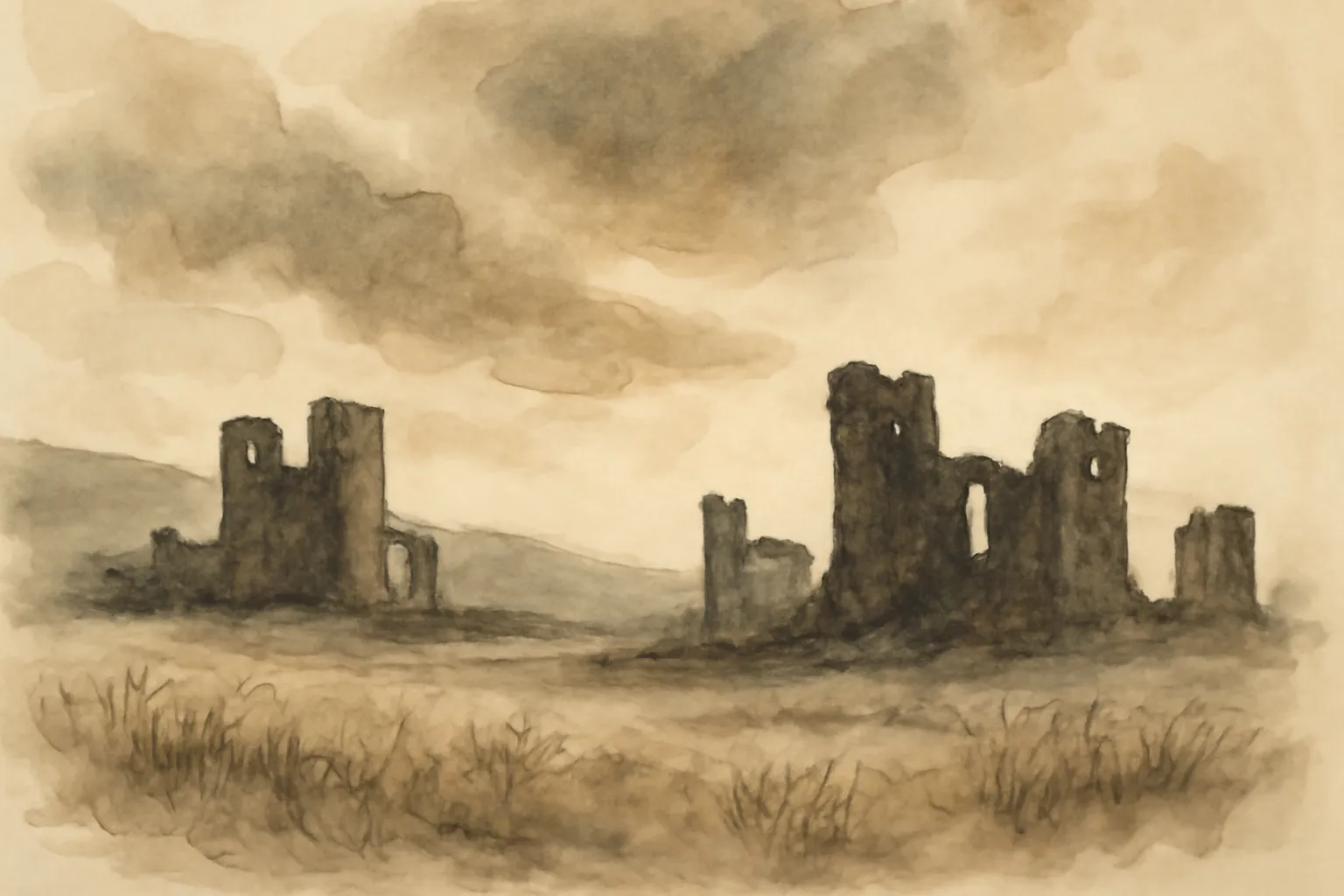
Jókai's narrative is deeply rooted in the historical context of Hungary's failed revolution. The story unfolds in a land marked by defeat and despair, where the remnants of the Magyar Revolution still echo in the lives of its characters. The author evokes a palpable sense of loss, as the country grapples with the aftermath of political oppression and the harsh realities of life under foreign rule. This historical backdrop serves not only as a setting but also as a character in itself, shaping the destinies of individuals and communities alike. The weight of history is further illustrated through the desolate landscapes and abandoned buildings, symbolizing the shattered dreams of a nation and its people. Jókai's exploration of history invites readers to consider how past events shape present realities and influence future possibilities.
2.Suffering as a Central Theme
At the heart of 'The Day of Wrath' lies the theme of suffering, manifesting in various forms throughout the narrative. Characters endure personal tragedies, loss, and moral dilemmas, reflecting the broader societal suffering experienced by the Hungarian people. For instance, the plight of little Neddy, who falls ill after the mysterious disappearance of his sister, serves as a microcosm of the collective grief felt by families torn apart by war and strife. Jókai does not shy away from depicting the raw emotions associated with suffering, allowing readers to empathize with the characters' struggles. This focus on suffering compels readers to confront uncomfortable truths about the human condition and the societal structures that perpetuate pain. Through vivid descriptions and poignant scenes, Jókai evokes a sense of urgency, urging readers to acknowledge and respond to the suffering of others.
3.A Critique of Social Injustice
Jókai's work serves as a biting satire of the social injustices that permeated Hungarian society during his time. The author critiques the semi-feudal conditions that allowed the gentry to exploit the common people, highlighting the brutal ignorance and neglect that perpetuated this cycle of oppression. Through characters like the headsman, who embodies the moral decay of a society steeped in violence and retribution, Jókai illustrates the consequences of unchecked power and authority. The stark contrast between the lives of the aristocracy and the plight of the peasants underscores the deep-rooted inequalities that define the social landscape. Jókai's sharp observations compel readers to reflect on the moral implications of societal structures and the responsibilities of individuals within them. The novel's critique of social injustice resonates with contemporary issues, making it a timeless exploration of power dynamics and human rights.
4.The Duality of Human Nature
Throughout 'The Day of Wrath', Jókai delves into the complexities of human nature, revealing the duality that exists within individuals. Characters are not simply good or evil; rather, they embody a spectrum of moral ambiguity that reflects the multifaceted nature of humanity. For example, General Vertessy, who is initially portrayed as a heroic figure, grapples with the consequences of his decisions and the weight of his actions. His internal conflict reveals the struggle between duty and compassion, highlighting the moral dilemmas faced by those in positions of power. Jókai’s exploration of human duality invites readers to consider the motivations behind actions and the factors that lead individuals to commit both noble and reprehensible acts. This nuanced portrayal of character encourages empathy and understanding, prompting readers to reflect on their own moral choices.
5.The Role of Fate and Destiny
Fate plays a pivotal role in shaping the destinies of characters in 'The Day of Wrath', often leading to tragic outcomes. Jókai weaves a narrative that suggests a sense of inevitability, as characters are swept along by forces beyond their control. The theme of fate is particularly evident in the story of Benjamin Hetfalusy and his family, whose lives are irrevocably altered by the whims of circumstance and the harsh realities of their environment. Jókai's portrayal of fate raises questions about free will and the extent to which individuals can shape their own destinies. The characters' struggles against the currents of fate evoke a sense of poignancy, as they grapple with the limitations of their agency. This exploration of fate invites readers to ponder the balance between destiny and personal choice, and the impact of external forces on individual lives.
6.Imagery of Desolation
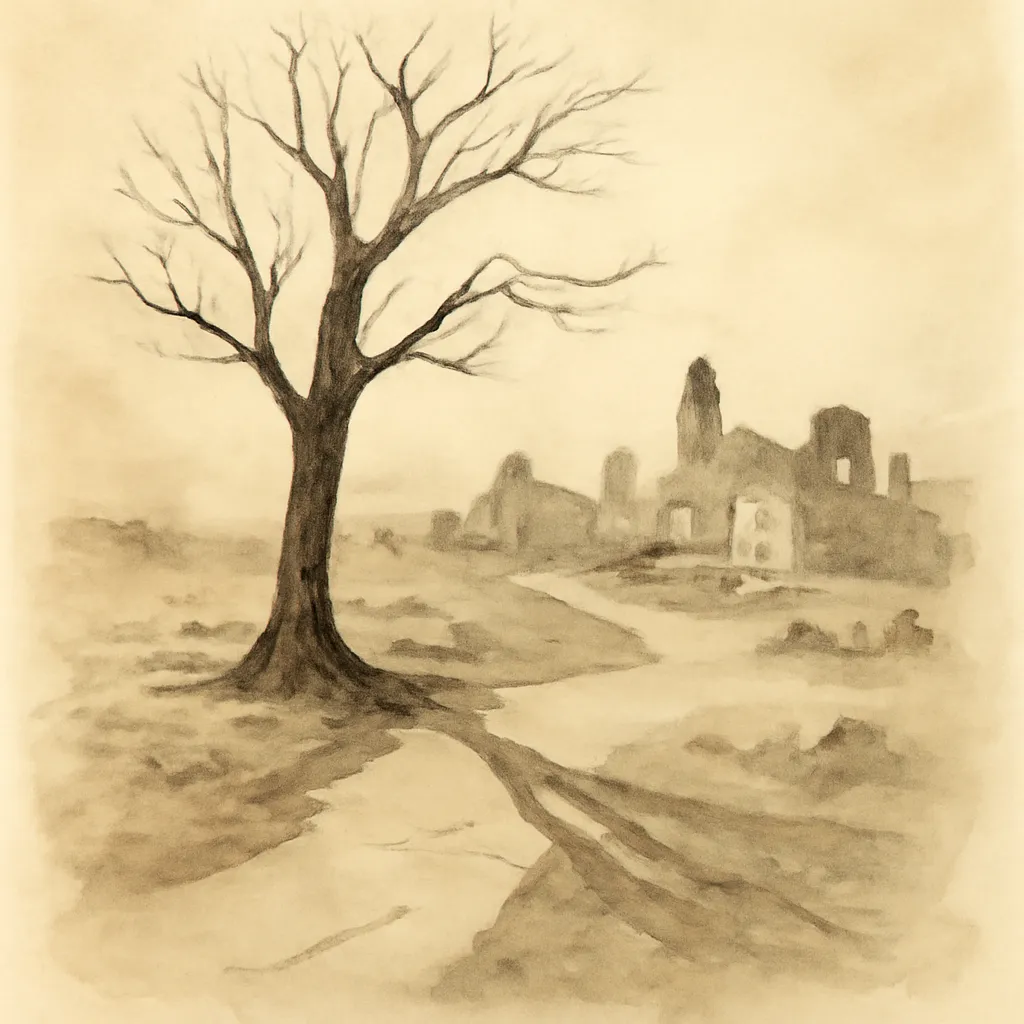
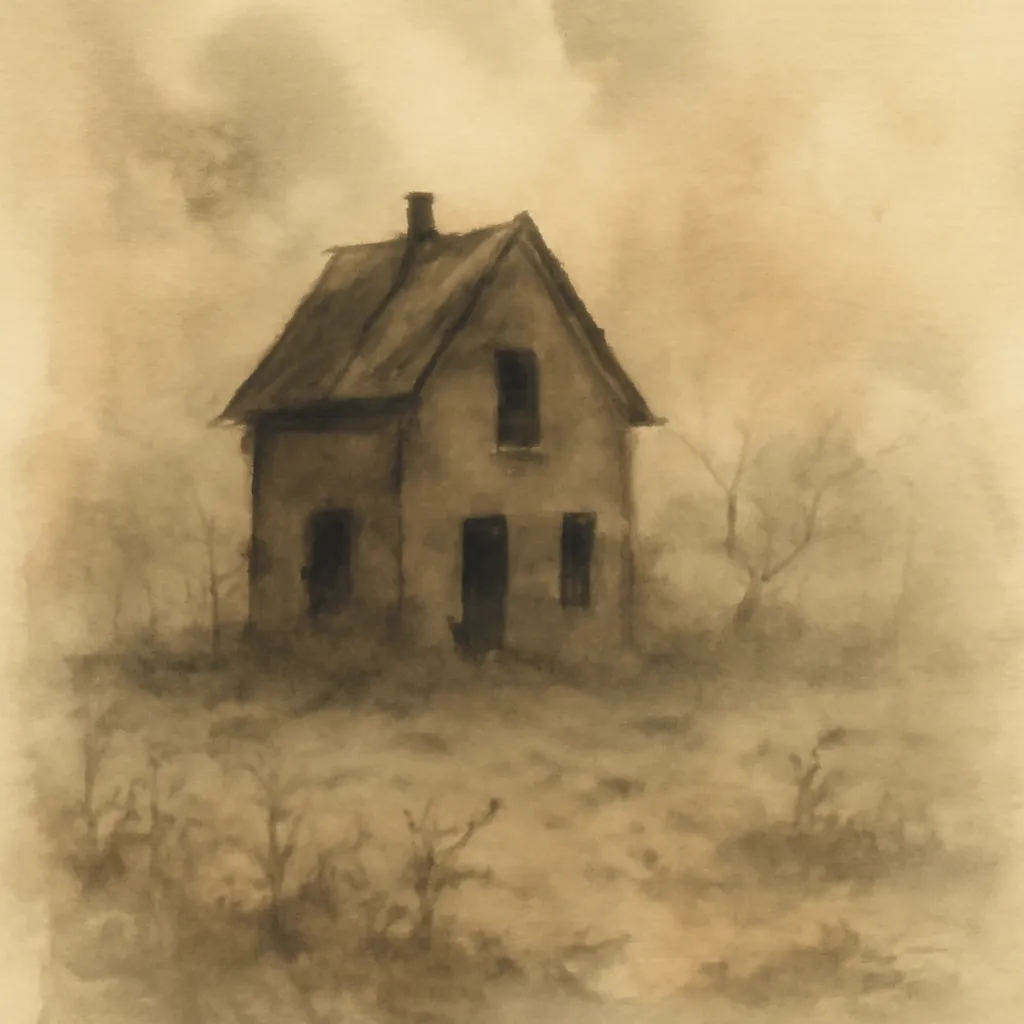
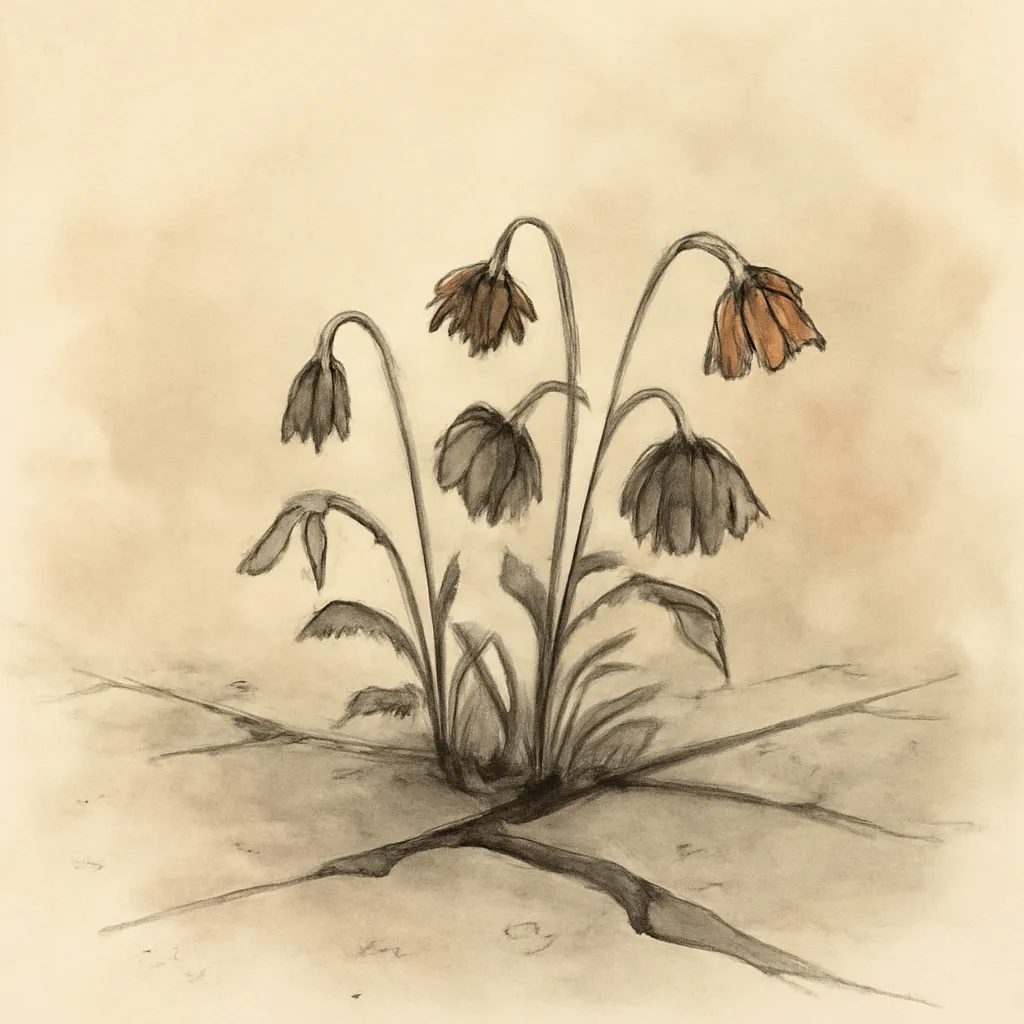
Jókai's vivid imagery brings to life the desolation and despair that permeate the world of 'The Day of Wrath'. The author paints haunting scenes of abandoned houses, plague-stricken landscapes, and desolate villages that reflect the suffering of the characters and the nation. The imagery serves as a powerful tool, evoking emotional responses from readers and immersing them in the bleak reality of life in post-revolution Hungary. The descriptions of the plague-stricken land and the eerie silence that envelops Hetfalu create a palpable sense of dread and hopelessness. Jókai's use of nature as a reflection of human emotions reinforces the connection between the environment and the characters' inner turmoil. Through this evocative imagery, readers are drawn into the heart of the narrative, experiencing the weight of despair alongside the characters.
7.Redemption and Forgiveness
Despite the overwhelming themes of suffering and despair, 'The Day of Wrath' also explores the possibilities of redemption and forgiveness. Jókai presents moments where characters confront their past actions and seek to make amends, highlighting the potential for growth and transformation. The relationship between the headsman and the community serves as a poignant example of how forgiveness can lead to healing and reconciliation. Characters grapple with their guilt and the consequences of their choices, ultimately striving for redemption in a world fraught with moral ambiguity. Jókai's exploration of forgiveness invites readers to consider the importance of empathy and understanding in the face of wrongdoing. This theme resonates with the human experience, reminding readers that redemption is often a complex journey that requires courage and self-reflection.
8.The Impact of Community
Community plays a vital role in shaping the experiences of the characters in 'The Day of Wrath', as they navigate the challenges of their environment together. Jókai emphasizes the interconnectedness of individuals within a community, illustrating how collective suffering and solidarity can influence personal journeys. The interactions between characters reveal the strength and resilience that emerge from shared experiences, even in the face of adversity. The communal response to the plague and the social upheaval serves as a testament to the power of unity and the human spirit. Jókai's portrayal of community underscores the importance of social bonds in overcoming hardship, inviting readers to reflect on their own relationships and the support systems that sustain them. This theme of community resonates deeply, reminding readers of the strength that can be found in collective action and empathy.
9.The Nature of Justice
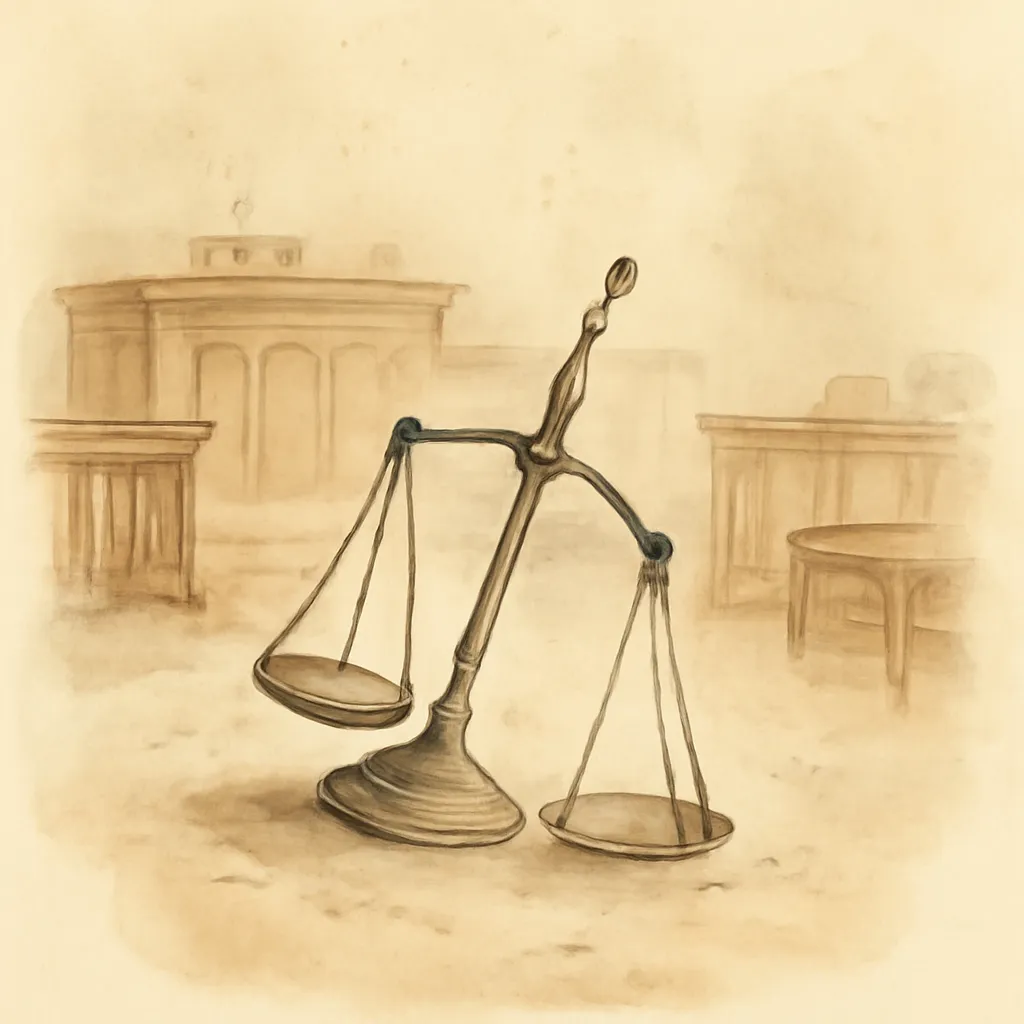
Justice is a recurring theme in 'The Day of Wrath', as characters grapple with the complexities of moral and legal accountability. Jókai poses challenging questions about the nature of justice and the often arbitrary application of laws, particularly in a society marked by inequity and oppression. The harsh realities faced by the condemned characters underscore the limitations of a legal system that fails to account for individual circumstances and humanity. Through the lens of justice, Jókai critiques the societal norms that perpetuate violence and retribution, urging readers to consider the moral implications of their own actions. The exploration of justice invites a deeper understanding of the balance between law and morality, prompting readers to reflect on the ways in which justice can be served—or denied—in their own lives.
10.Romanticism and Realism
Jókai's 'The Day of Wrath' masterfully blends elements of romanticism and realism, creating a rich and layered narrative. The romantic aspects are evident in the lush descriptions of nature, the idealized portrayals of love and heroism, and the overarching quest for meaning amid chaos. Conversely, the realistic portrayal of suffering, social injustice, and the harshness of life brings a grounded perspective to the story. This interplay between romanticism and realism allows Jókai to explore the complexities of human experience, capturing both the beauty and tragedy of life. The tension between these two literary styles invites readers to engage with the narrative on multiple levels, fostering a deeper appreciation for the intricacies of the human condition. Jókai's ability to navigate this delicate balance enriches the reading experience, leaving a lasting impact on the audience.