Fiction · Philosophy
The Divine Comedy by Dante Alighieri — Summary, Key Ideas & Full Text
359 pages100 chapters7h 13m read5h 7m speed read✦ 8-min Big ideasFree · no account
Rate it
Dante's 'The Divine Comedy' is a profound journey through the afterlife that explores sin, redemption, and the nature of divine justice
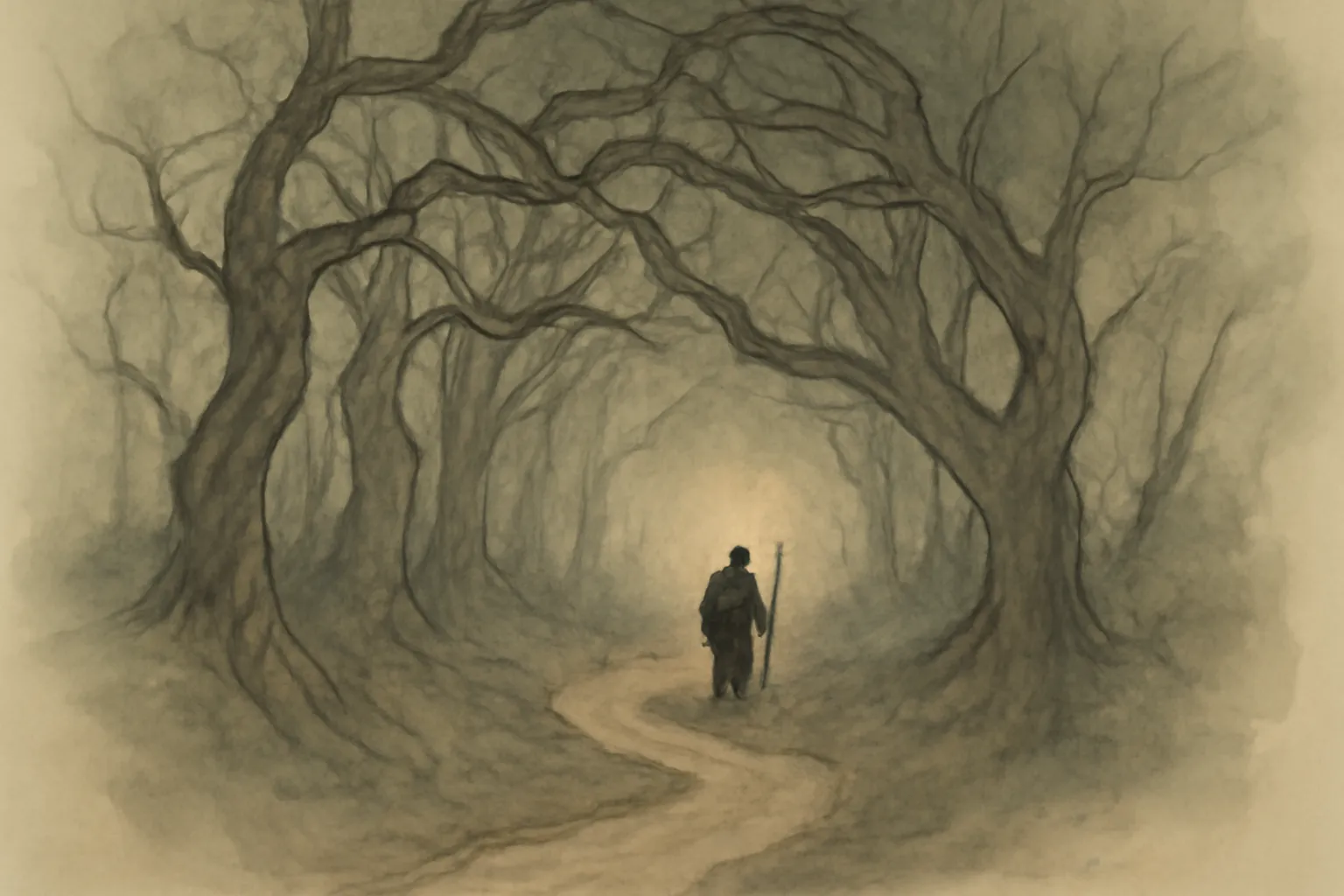
In 'The Divine Comedy', Dante Alighieri takes readers on an extraordinary pilgrimage through the realms of the afterlife, beginning in the dark woods of sin and leading to the heights of heaven. This monumental work offers not only a vivid depiction of Hell, Purgatory, and Paradise but also serves as a reflection on human morality and the quest for salvation. As Dante navigates through these realms, guided by the Roman poet Virgil and later by his idealized love, Beatrice, he encounters a diverse array of characters, each representing different moral lessons and consequences of their earthly lives. This epic poem is rich in allegory, symbolism, and philosophical inquiry, making it a timeless exploration of the human condition and the eternal struggle between good and evil. Readers will find themselves not only captivated by the narrative but also challenged to reflect on their own lives and beliefs about justice, virtue, and divine love.
Dante's 'The Divine Comedy' is not merely a story of a journey through the afterlife; it is a profound exploration of the human experience, morality, and the quest for divine truth. Through its intricate allegories and vivid imagery, the poem invites readers to confront their own beliefs about sin, justice, and redemption. Dante's encounters with historical and mythological figures serve as a mirror reflecting the complexities of human nature and the consequences of our choices. Ultimately, the work emphasizes that while the journey may be fraught with challenges, the pursuit of love, faith, and virtue leads to the ultimate goal of union with the divine. This timeless message continues to resonate, reminding us of the importance of striving for a life of meaning and moral integrity.
Dante Alighieri has 3 works free to read on Lumina, including Divine Comedy, Longfellow's Translation, Hell, The Divine Comedy of Dante Alighieri: The Inferno
All 3 books by Dante Alighieri →