Fiction · Short Reads
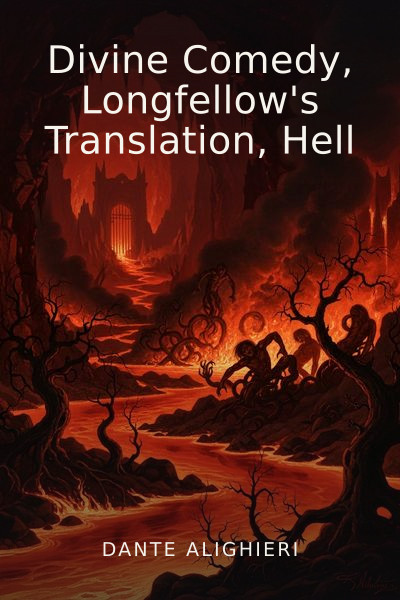
Divine Comedy, Longfellow's Translation, Hell by Dante Alighieri — Summary, Key Ideas & Full Text
125 pages11 chapters2h 30m read1h 47m speed read✦ 10-min Big ideasFree · no account
Rate it
Journey through Hell reveals the consequences of sin and the path to redemption
Dante Alighieri's "Divine Comedy, Longfellow's Translation, Hell" is an exploration of the human soul’s journey through the realms of the afterlife, specifically the harrowing descent into Hell. This allegorical epic captures the essence of moral and spiritual reckoning, presenting a vivid landscape filled with sinners facing the consequences of their earthly actions. As Dante navigates through the dark and twisted paths of this infernal realm, he encounters a variety of souls, each embodying specific sins and their inherent punishments. Readers are invited to reflect on themes of justice, redemption, and the nature of sin while gaining insight into the human condition and the choices that shape our destinies. This profound narrative serves as both a cautionary tale and a guide towards spiritual awakening and moral clarity.
Dante Alighieri's "Divine Comedy, Longfellow's Translation, Hell" is a profound exploration of the human soul's journey through sin, punishment, and the quest for redemption. Each encounter in Hell serves not only as a reflection of the consequences of earthly actions but also as a reminder of the hope and possibility for transformation. The vivid imagery and rich symbolism throughout the narrative invite readers to engage in self-reflection, considering their own choices and the moral implications of their lives. Ultimately, Dante's journey through Hell is a timeless reminder of the struggle between light and darkness, and the enduring quest for spiritual awakening and divine love.
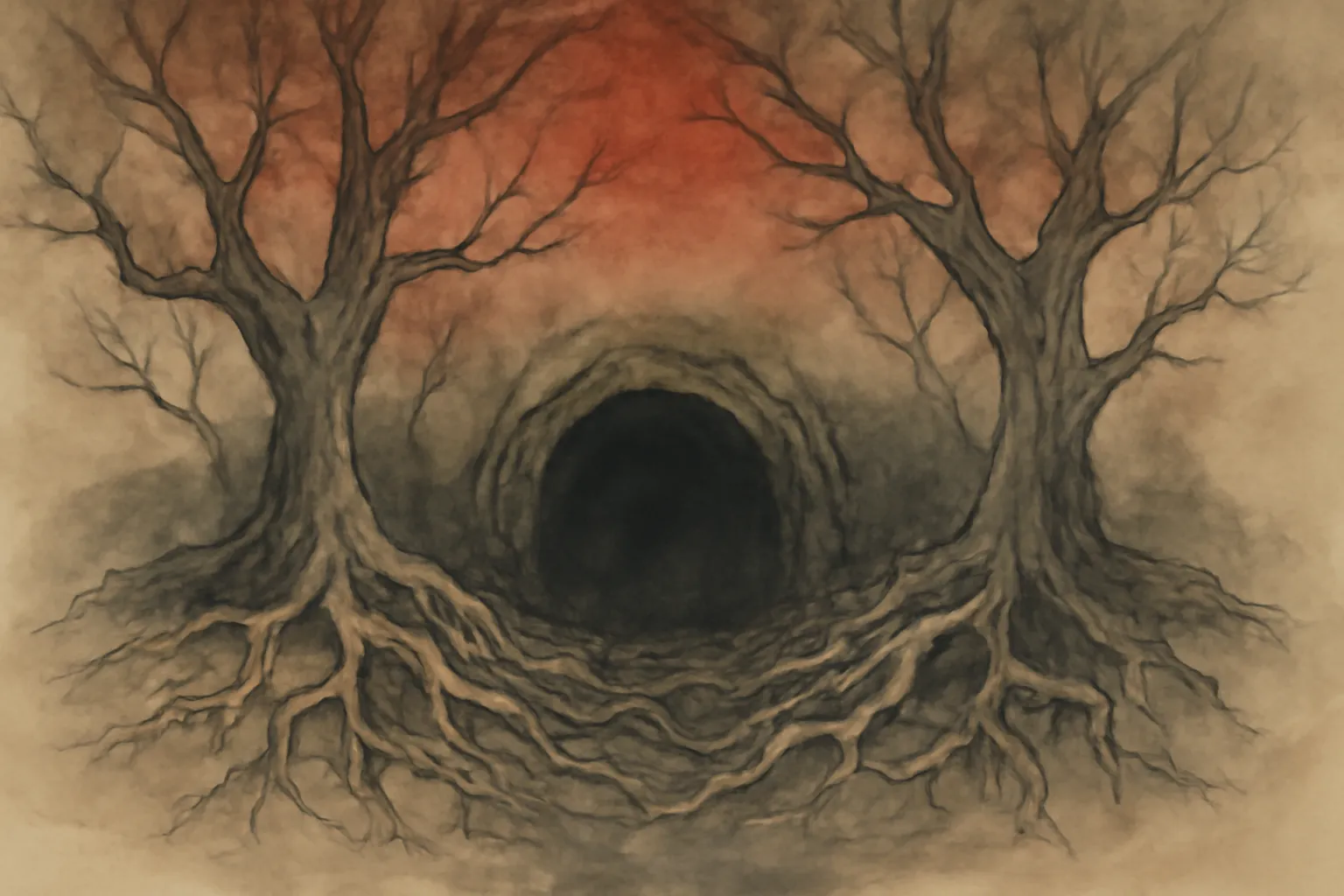
“Midway upon the journey of our life I found myself within a forest dark, For the straightforward pathway had been lost.”
“Great grief seized on my heart when this I heard, Because some people of much worthiness I knew, who in that Limbo were suspended.”
“O thou who honourest every art and science, Who may these be, which such great honour have, That from the fashion of the rest it parts them?”
Dante Alighieri has 3 works free to read on Lumina, including The Divine Comedy, The Divine Comedy of Dante Alighieri: The Inferno
All 3 books by Dante Alighieri →