1.The Lost Path
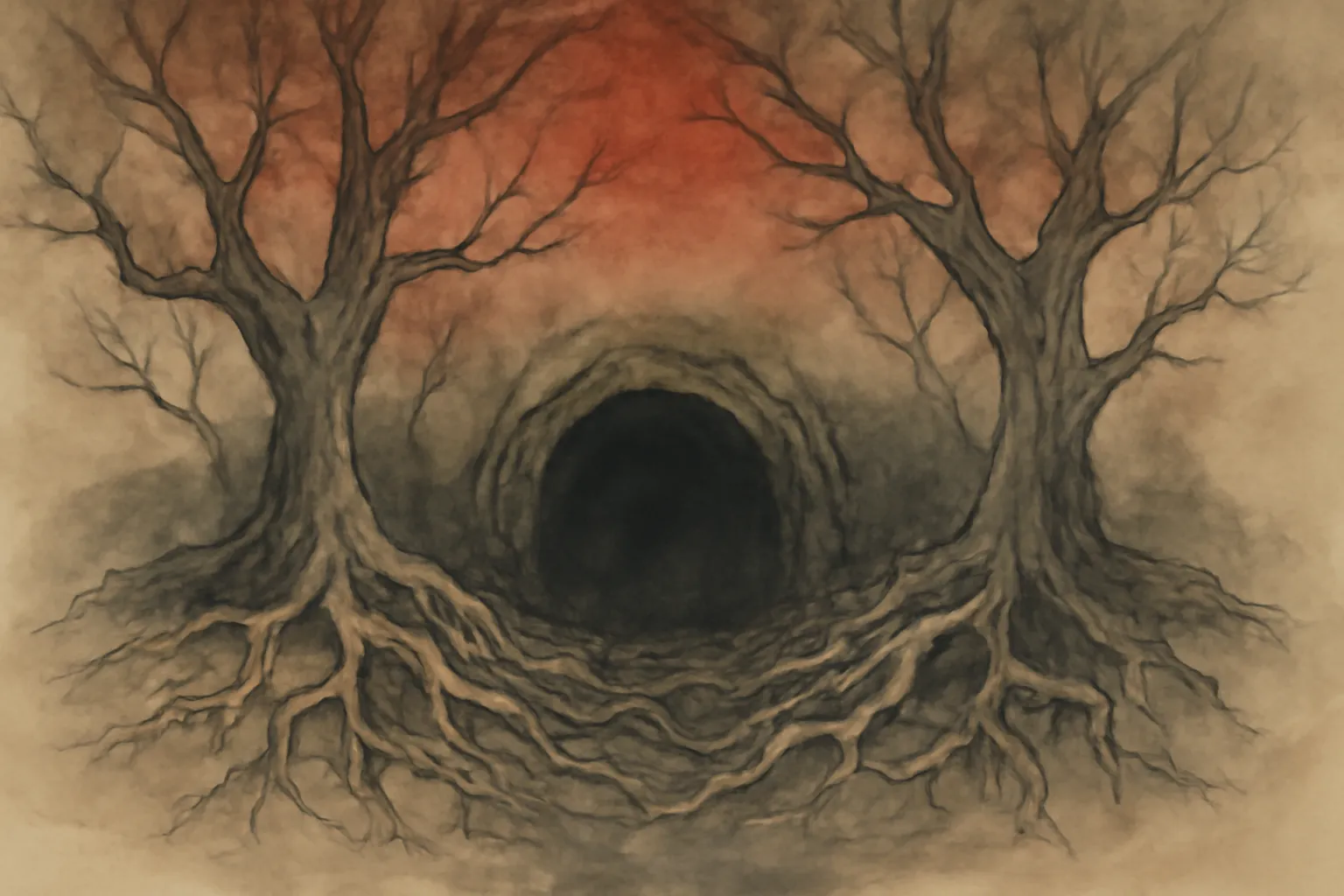
Dante begins his journey in a dark forest, symbolizing confusion and moral disarray. This forest represents the distractions and sins that lead individuals away from the righteous path. As he expresses his despair over losing the 'straightforward pathway,' it becomes evident that this journey is not merely physical but deeply spiritual. The forest serves as a metaphor for the struggles everyone faces in life when confronted with temptation and sin. Dante's feelings of fear and trepidation echo the universal human experience of grappling with moral dilemmas. The pivotal moment of awakening occurs at the foot of a mountain, where the rays of light symbolize hope and divine guidance. This transition from darkness to light underscores the importance of seeking redemption and clarity amidst life's chaos, illustrating that the quest for virtue often requires confronting and overcoming internal fears.
2.The Beasts of Despair

As Dante ascends the mountain, he encounters three fearsome beasts: a panther, a lion, and a she-wolf. Each beast embodies different aspects of sin and moral failure. The panther, swift and alluring, represents lust and the seductive nature of sin. It is not just a physical obstacle for Dante but a representation of the temptations that can derail one's spiritual journey. The lion, fierce and hungry, symbolizes pride and violence, instilling fear and representing the chaos that unchecked ambition can bring. Meanwhile, the she-wolf embodies greed and avarice, showcasing how material desires can lead individuals into despair and ultimately away from salvation. These beasts impede Dante's progress, illustrating how sin can trap individuals in cycles of despair and prevent them from achieving spiritual enlightenment. This allegorical representation of the beasts serves as a reminder of the internal and external struggles that accompany the pursuit of righteousness, emphasizing the continuous battle between temptation and virtue.
3.The Concept of Limbo
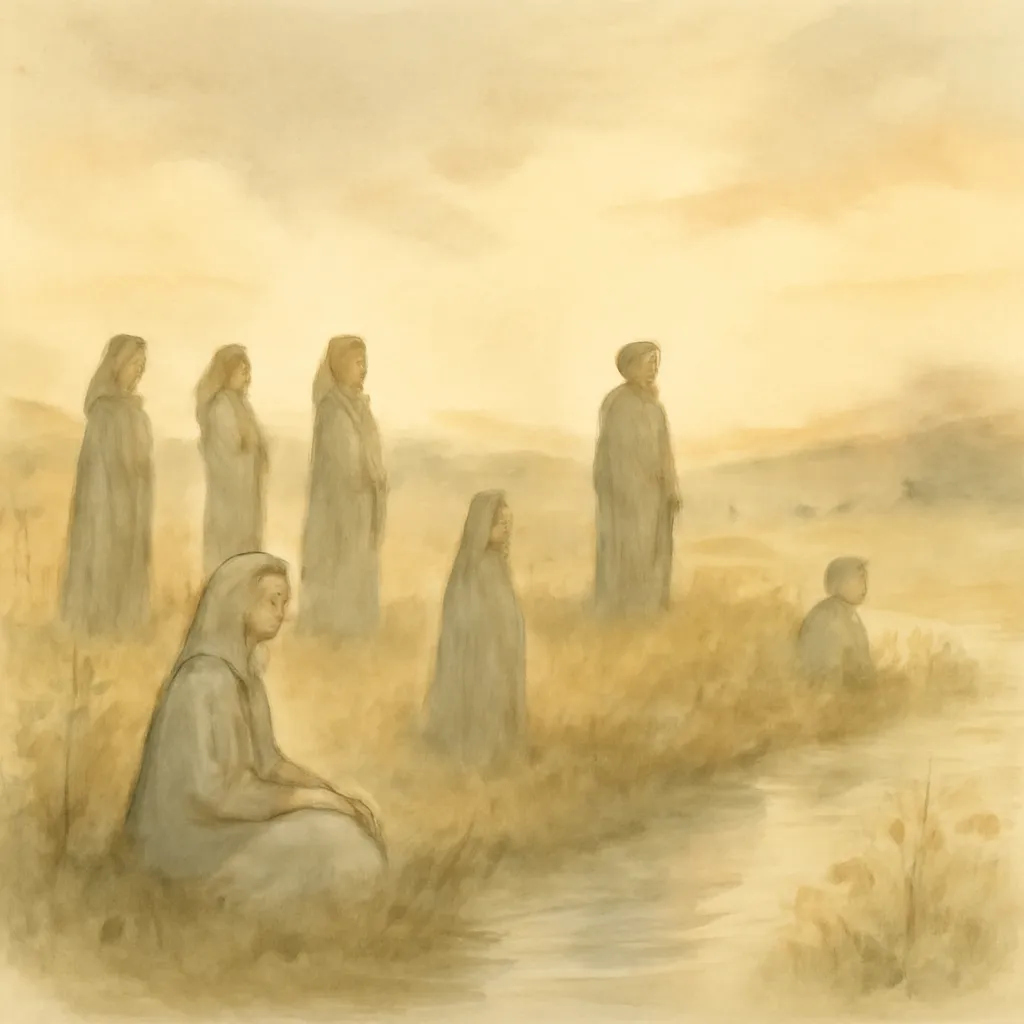
Upon entering Limbo, Dante encounters virtuous souls who lived before the advent of Christianity. They are not punished but remain in a state of eternal longing, highlighting the theme of hope and the importance of faith. Dante learns from his guide, Virgil, that these souls are denied the ultimate joy of Heaven due to the absence of baptism, which symbolizes the necessity of faith in the journey toward salvation. This poignant moment raises questions about the nature of justice and mercy in the divine order, suggesting that even the most worthy souls can be left in a state of yearning if they do not embrace the teachings of Christ. Among the notable figures Dante meets, such as Homer and Socrates, there is a profound acknowledgment of their moral worth, yet their inability to attain salvation speaks to the broader theme of divine grace. Dante's recognition of these figures emphasizes the universality of human experience and the quest for understanding and higher truth, reminding readers of the nuanced nature of morality and redemption.
4.The Fire of Punishment
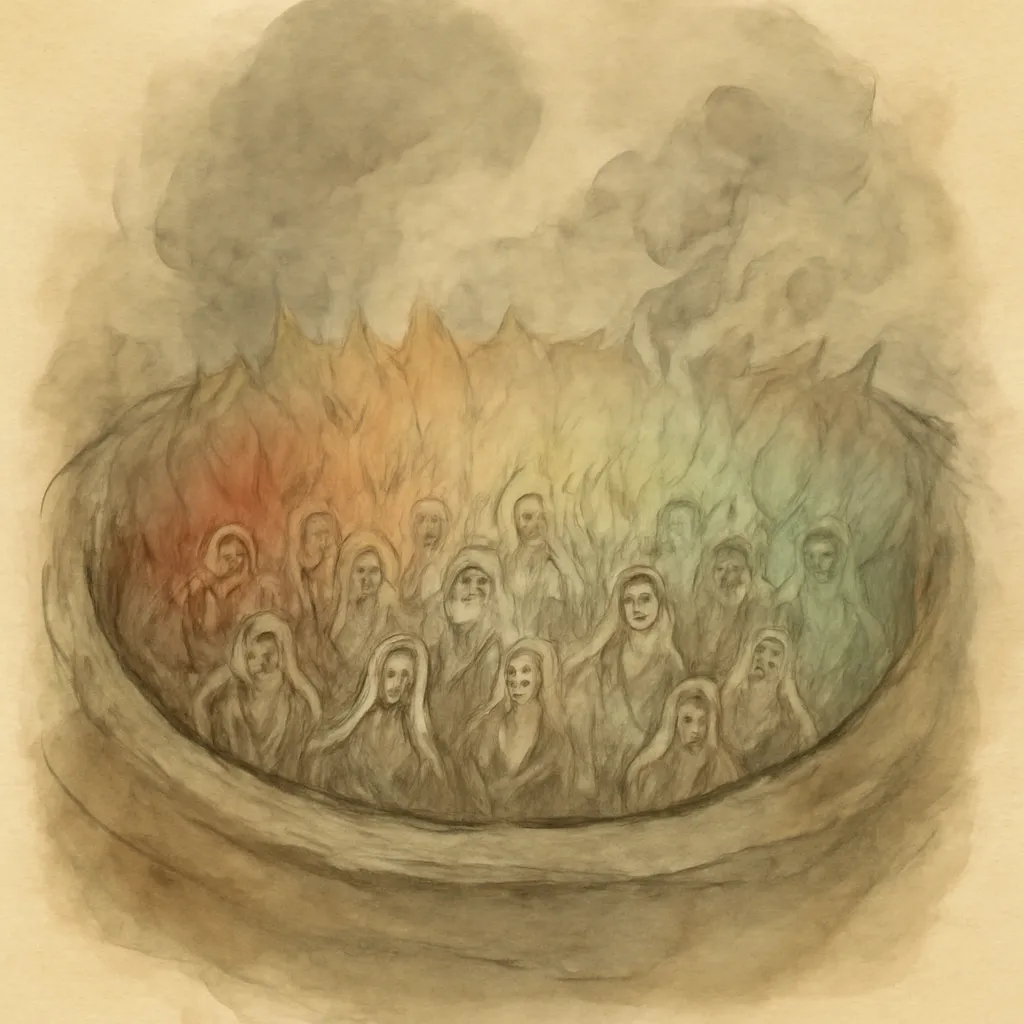
Dante's journey through Hell reveals the various forms of punishment that correspond to the sins committed in life. The structure of Hell is meticulously organized, with different circles designated for specific sins, reflecting the principle of 'contrapasso'—the idea that the punishment mirrors the sin itself. This is vividly illustrated through the punishment of the wrathful souls who, consumed by anger in life, are seen fighting and tearing each other apart in a muddy swamp. Similarly, the sullen are submerged in the mire, eternally lamenting their inability to experience joy, thus reinforcing the idea that one's earthly actions have direct repercussions in the afterlife. The meticulous nature of these punishments serves not only as a warning to the living but also as a powerful commentary on the consequences of moral failure. Dante's exploration of justice in the afterlife invites readers to consider their own actions and the potential repercussions they may face, challenging them to live with moral integrity and awareness.
5.The Nature of Divine Justice

Throughout the narrative, Dante grapples with the concept of divine justice, questioning the fairness of the punishments meted out to the souls in Hell. He learns that the severity of punishment is proportionate to the gravity of the sin, and that those who commit fraud face the harshest consequences. This hierarchical structure of sin and punishment illustrates the moral framework within which Dante operates, emphasizing that justice is not arbitrary but rather a reflection of divine order. The conversations Dante has with various souls reveal their regrets and the understanding that their choices led them to their current torment. For instance, they express sorrow not merely for their fate but for the missed opportunities to choose righteousness. This exploration of justice serves to reinforce the moral lessons embedded within the text, urging readers to reflect on their own lives and the weight of their choices, ultimately presenting a vision of a just universe governed by a moral code.
6.The Role of Virgil
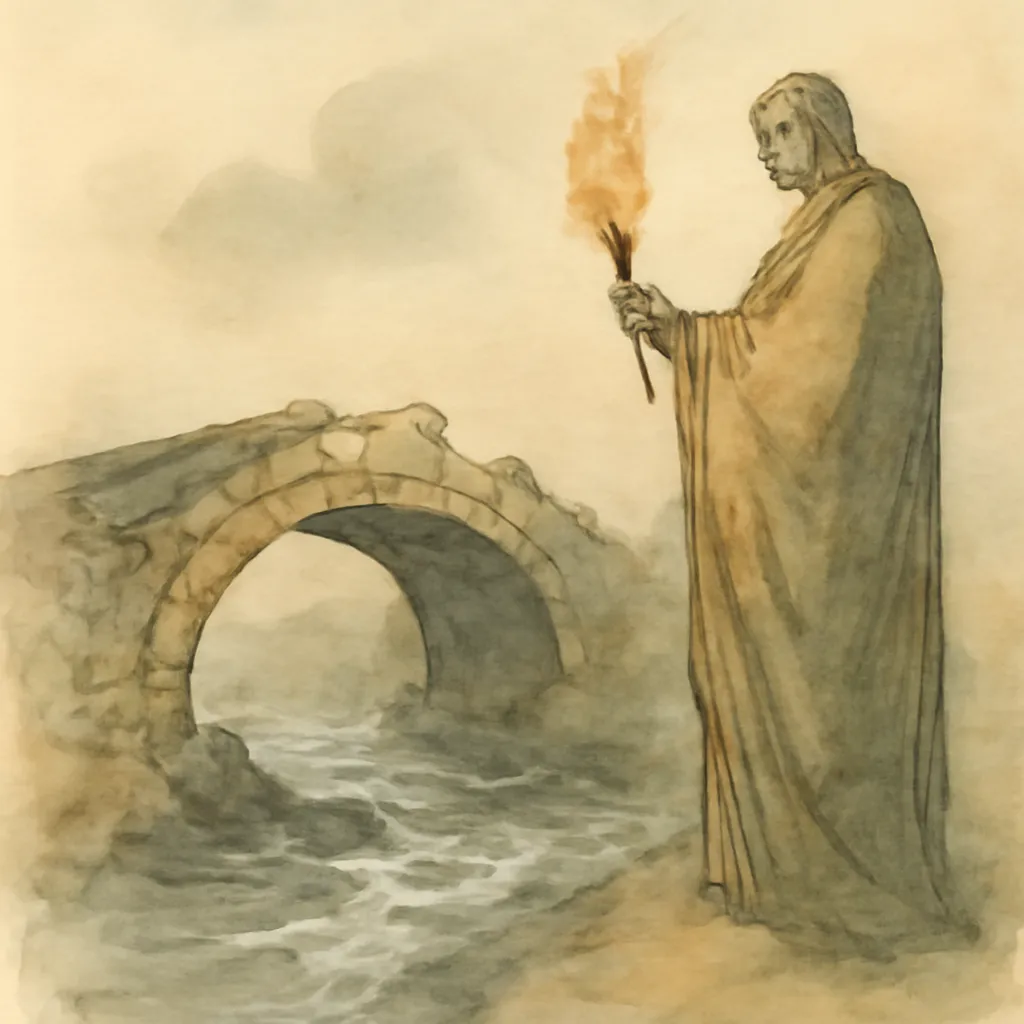
Virgil serves as Dante's guide through Hell, embodying reason and human wisdom. His presence illustrates the importance of knowledge and understanding in the journey towards redemption. As a poet and philosopher, Virgil represents the highest ideals of classical antiquity, providing Dante with the insight needed to navigate the complexities of sin and morality. However, Virgil's limitations are evident, as he cannot lead Dante beyond the confines of Hell and into Heaven, highlighting the necessity of faith in spiritual journeys. This dynamic between the two characters underscores the tension between human reason and divine revelation, suggesting that while reason is a valuable tool, it ultimately must be complemented by faith to achieve true understanding and salvation. Virgil embodies the idea that human wisdom can illuminate the path towards virtue, but it cannot replace the divine grace that is essential for redemption.
7.The Encounter with Historical Figures
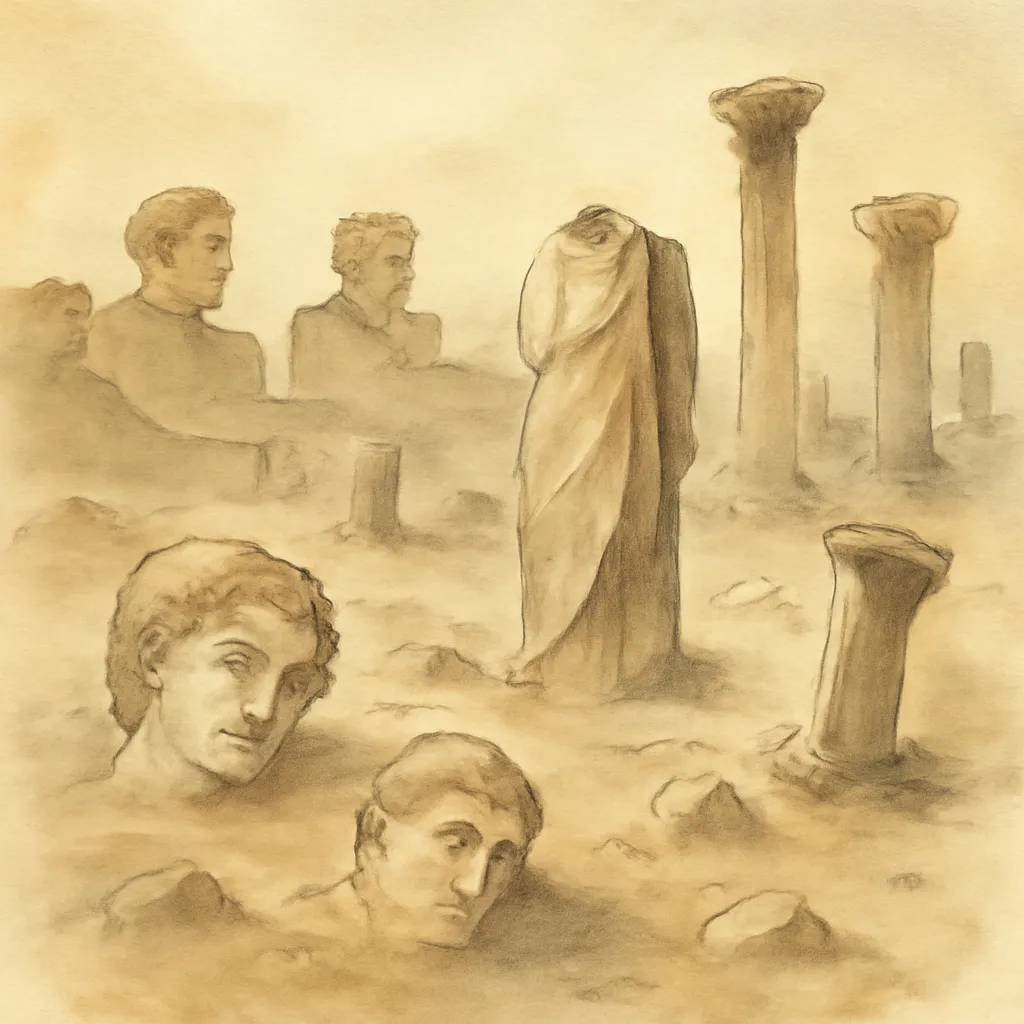
Dante's journey is marked by encounters with historical and mythological figures, each illustrating various moral lessons. For instance, meeting characters like Capaneus, who defies divine authority even in death, serves to exemplify the consequences of hubris and arrogance. Dante's interactions with figures such as Francesca da Rimini also reveal the complexities of passion and its potential for destruction. These interactions provide a rich tapestry of narratives that enhance the moral and philosophical themes of the poem. Each figure represents different facets of human experience, from betrayal and greed to love and sacrifice, offering Dante—and the reader—insight into the complexities of human nature. Through these encounters, Dante emphasizes the interconnectedness of all souls and the shared consequences of their actions, reinforcing the idea that every life has significance in the grand narrative of existence and that moral choices resonate through time.
8.The Symbolism of Water and Fire

Water and fire serve as powerful symbols throughout Dante's Hell, representing purification and suffering, respectively. The river Styx, a muddy and polluted body of water, signifies the murky nature of anger and despair, while the flames that engulf the fraudulent serve to reflect the burning consequences of deceit. The duality of these elements highlights the contrasting natures of sin and redemption, suggesting that while sin leads to suffering, the potential for purification and redemption exists. The imagery of water and fire is not merely aesthetic; it serves to deepen the emotional and spiritual impact of Dante's journey. For instance, the contrasting experiences of the souls submerged in the Styx versus those engulfed in flames articulate the varying nature of sin's consequences—some sins lead to a slow and painful suffocation under the weight of despair, while others incite immediate and fiery retribution. This interplay of elements prompts readers to reflect on the transformative power of suffering and the hope for redemption that lies beyond it.
9.The Importance of Choice

A central theme in Dante's journey through Hell is the significance of choice. Each soul he encounters is there because of the choices they made in life, illustrating the idea that free will is paramount in shaping one's destiny. Dante emphasizes that individuals are not merely victims of fate; rather, they have agency in their actions and decisions. This exploration of choice underscores the moral responsibility that accompanies human existence, urging readers to consider the implications of their own choices. The consequences faced by the souls in Hell serve as a stark reminder that every decision carries weight and that the pursuit of virtue is essential for a fulfilling life. Dante's encounters with these figures reveal their regrets and the acknowledgment of their misguided choices. This theme of choice is vital in understanding the nature of sin—sin is often portrayed as a conscious decision that leads to moral degradation rather than an unavoidable fate.
10.The Path to Redemption
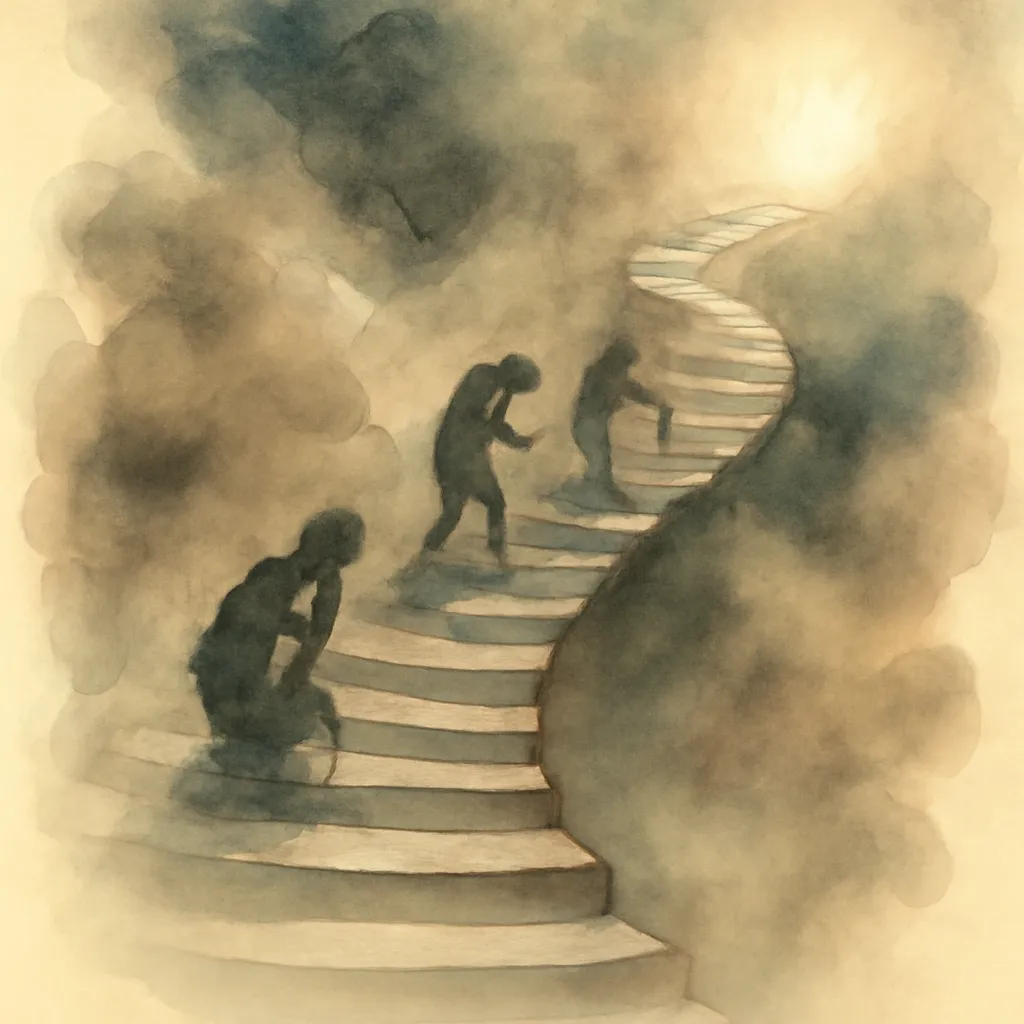
Dante's journey ultimately serves as a metaphor for the human quest for redemption. Each step he takes through Hell is a confrontation with the sins that plague humanity, and through this confrontation, he gains insight into the nature of sin and the necessity of repentance. The encounters with various souls highlight the importance of acknowledging one's faults and seeking forgiveness. For instance, the recognition of one's own shortcomings and the willingness to repent is a recurring theme in Dante's interactions, suggesting that self-awareness is the first step towards redemption. As Dante progresses, he moves closer to understanding the divine love that awaits him beyond the gates of Hell. This journey is not just about punishment; it is about the potential for transformation and the hope that redemption is attainable for all who seek it. The narrative emphasizes that while the path may be fraught with challenges, the possibility of returning to the light remains ever-present, inspiring readers to embark on their own journeys of self-discovery and moral clarity.