1.The Journey Begins in Darkness
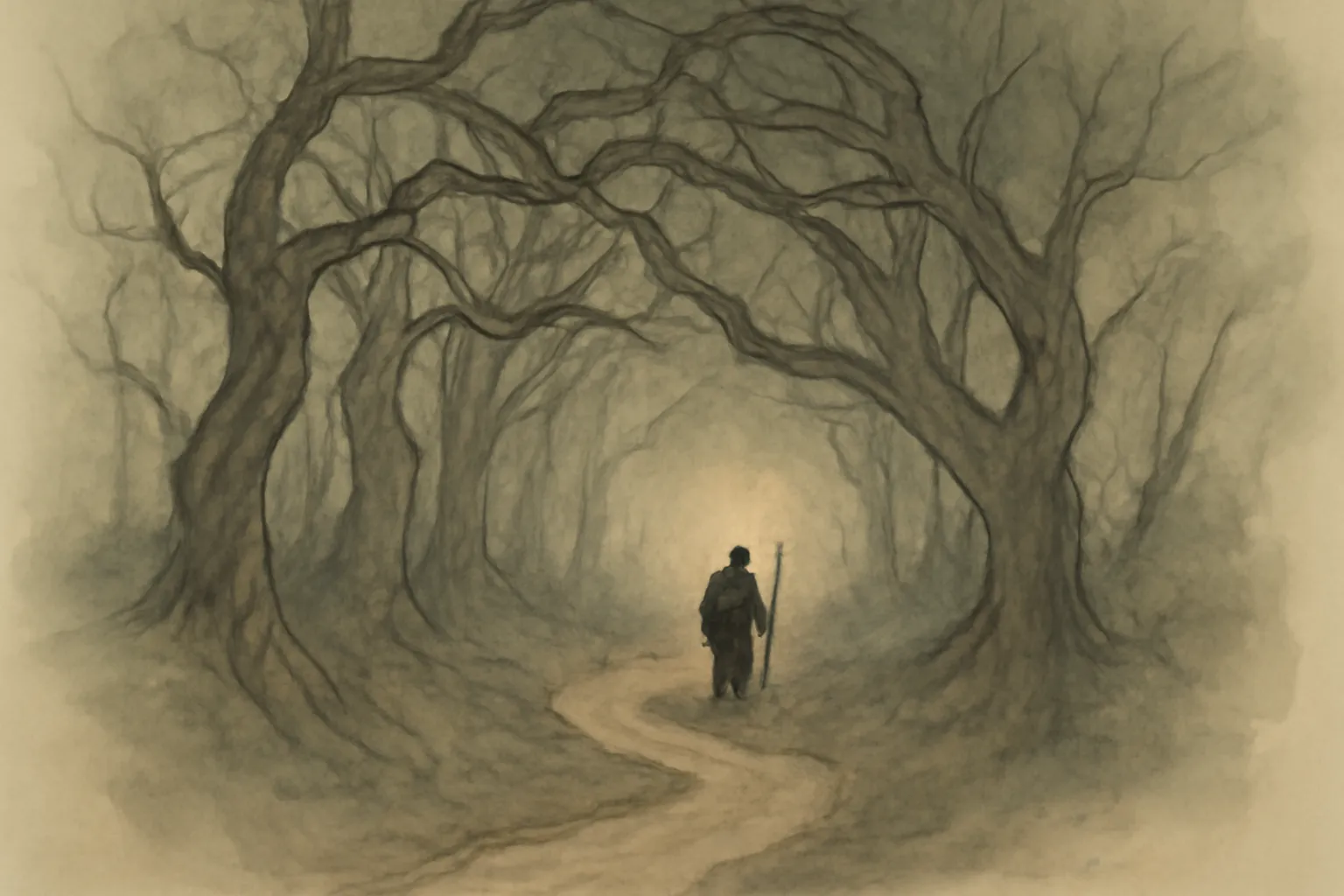
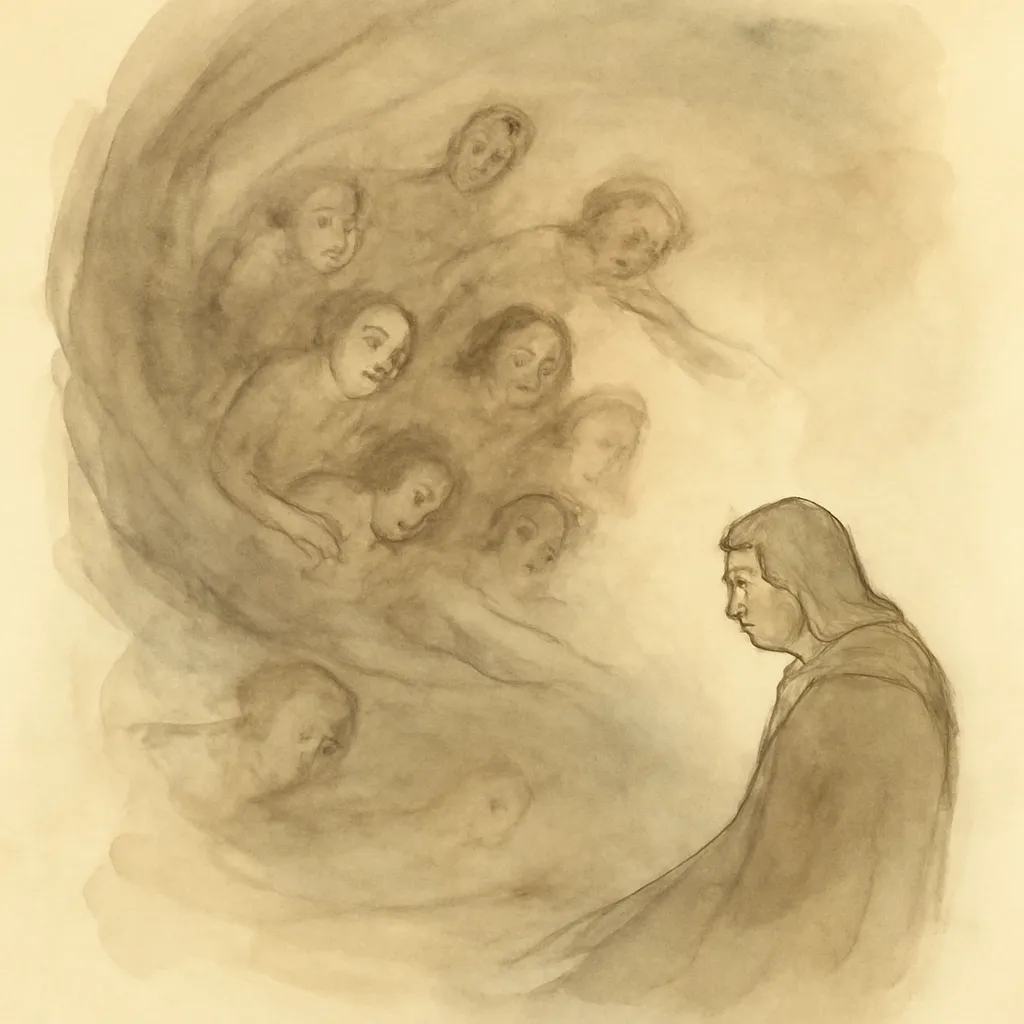
Dante's journey starts in a dark forest, symbolizing confusion and moral uncertainty. He finds himself lost, having strayed from the 'straight path' of righteousness. This setting serves as a metaphor for the human condition, where individuals often wander away from virtue and find themselves in despair. The forest's wildness and the beasts he encounters—such as the leopard, lion, and she-wolf—represent various sins and obstacles that prevent souls from achieving salvation. These creatures embody lust, pride, and greed, respectively, each one pushing Dante to retreat further into darkness. The moment he spots the sun shining on the mountain above signifies hope; it is a call to pursue a higher moral ground, emphasizing that redemption is possible even when one feels lost.
2.Virgil: The Guide of Reason
Virgil, the Roman poet, represents human reason and wisdom, guiding Dante through the realms of the afterlife. His presence underscores the theme that reason is essential for understanding sin and seeking redemption. Virgil explains the nature of Hell and the consequences of sin, helping Dante navigate his fears and uncertainties. Their dialogue reveals deep philosophical insights about the nature of justice and divine order. Virgil's limitation, however, is that he cannot enter Paradise, representing the idea that human reason alone cannot achieve divine grace. His role is crucial as he prepares Dante for the more profound spiritual truths that Beatrice will later reveal. This dynamic illustrates the balance between intellect and faith—a recurring theme throughout the poem.
3.The Structure of Hell: A Reflection of Human Sin
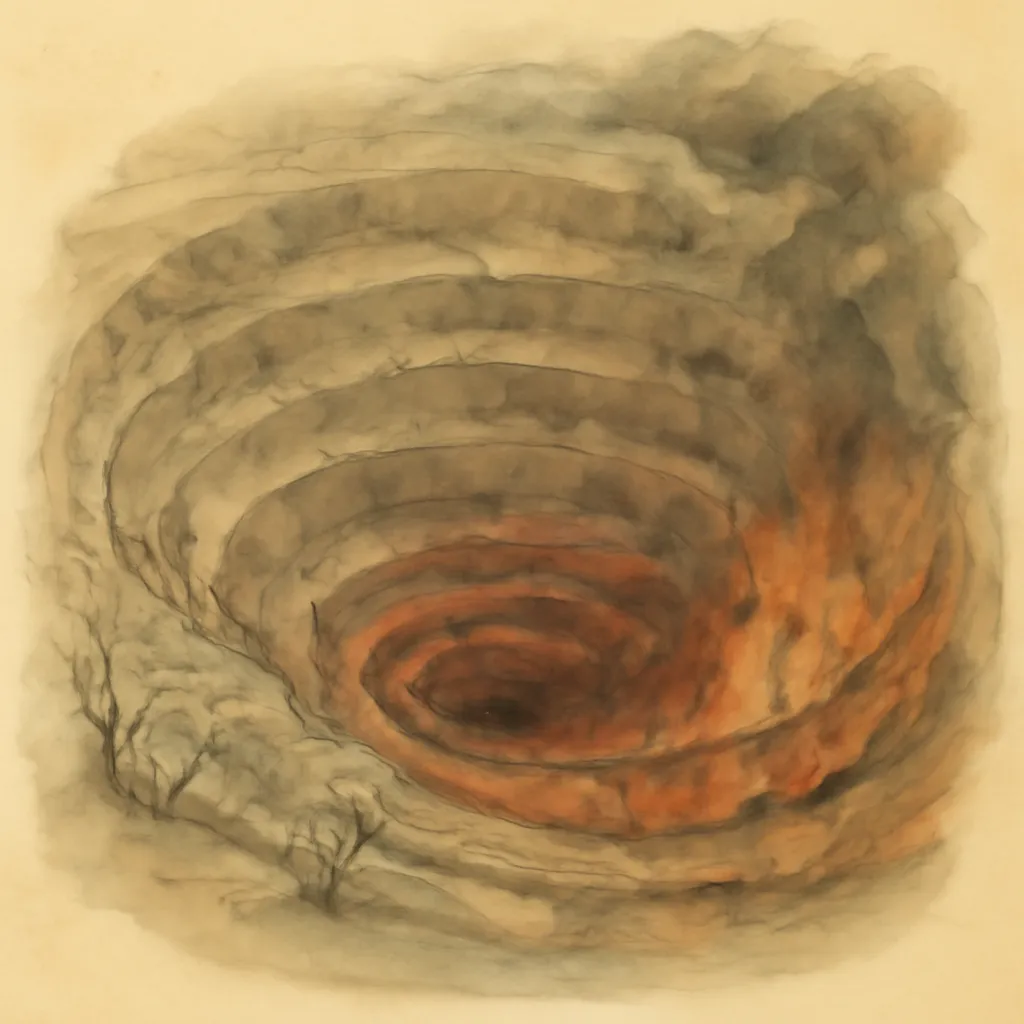
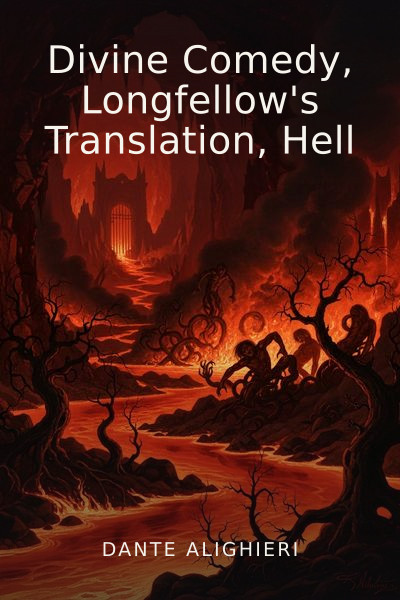
Hell is meticulously structured into nine circles, each designed to punish specific sins with poetic justice. This arrangement reflects Dante's belief in divine retribution, where the punishment fits the crime. The first circle, Limbo, houses virtuous pagans like Virgil, who, though unbaptized, lived honorable lives. As Dante descends, he encounters increasingly severe punishments, such as the lustful being swept away by a violent storm in the second circle and the gluttons being eternally pelted by rain and hail in the third. Each circle's torment serves as a stark reminder of the consequences of earthly actions and choices, illustrating the moral order that governs the universe. This vivid imagery not only captivates the reader but also serves to instill a sense of accountability for one's actions in life.
4.The Power of Pity and Empathy
Throughout his journey, Dante grapples with feelings of pity and empathy for the souls he encounters. His initial reactions range from horror to sorrow, reflecting the complexity of human emotions in response to suffering. For instance, when he meets Francesca and Paolo, two lovers condemned for their adultery, Dante is overwhelmed with compassion, highlighting the theme of tragic love and the consequences of passion. This moment illustrates how personal connections can evoke deep feelings, even in the midst of divine judgment. However, Dante's pity often leads to moments of introspection about justice and the moral order of the universe. The poem suggests that while empathy is a human virtue, it must be balanced with an understanding of the consequences of sin.
5.The Role of Divine Justice
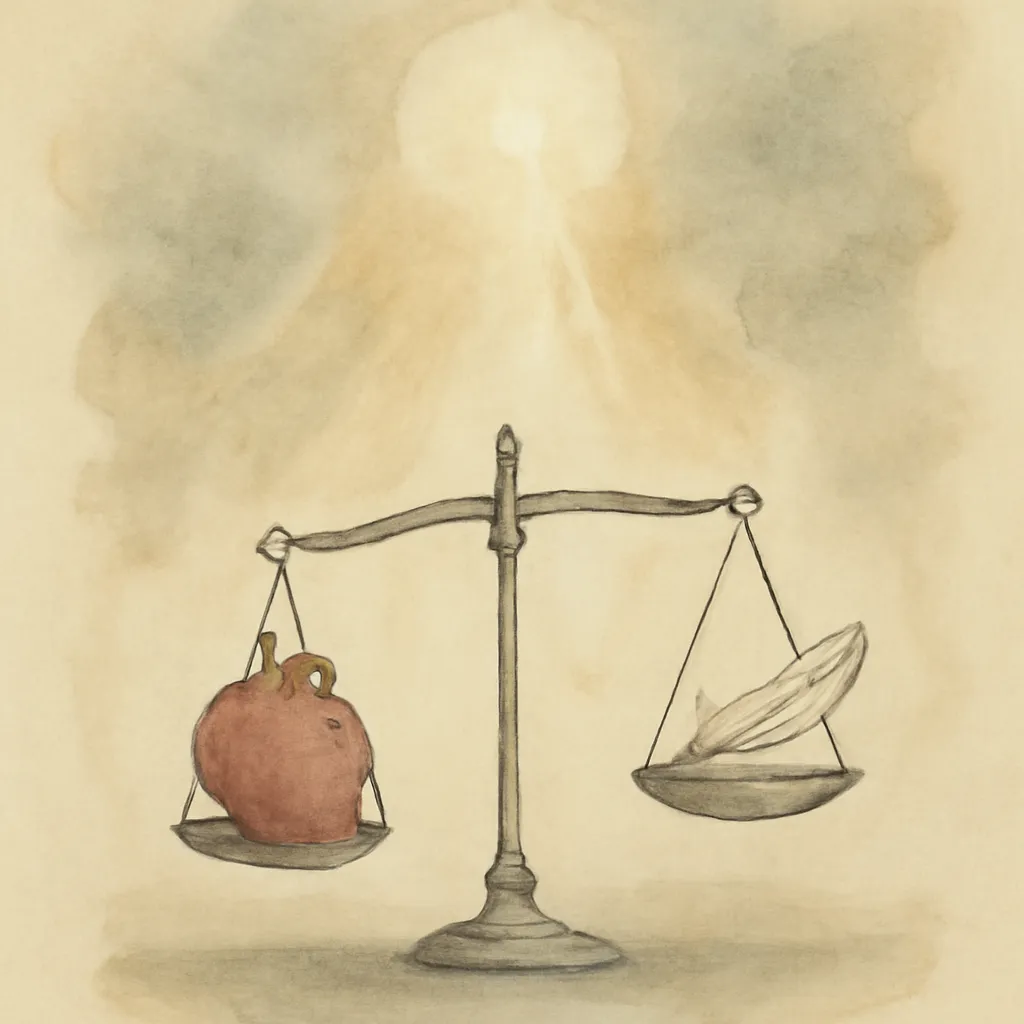
Divine justice is a central theme in 'The Divine Comedy', manifesting through the structure of Hell and the punishments meted out to the damned. Dante emphasizes that God's justice is perfectly aligned with His mercy; every soul receives a punishment that reflects their earthly sins. This concept of 'contrapasso'—the idea that the punishment mirrors the sin—is a key element of Dante's vision of justice. For example, the fraudulent are punished in ways that reflect their deception, such as the hypocrites walking in heavy cloaks that appear beautiful but are leaden. This intricate design of punishment not only serves to uphold moral order but also reinforces the notion that divine justice is ultimately benevolent, aiming to guide souls toward repentance and redemption.
6.Purgatory: A Place of Hope and Redemption
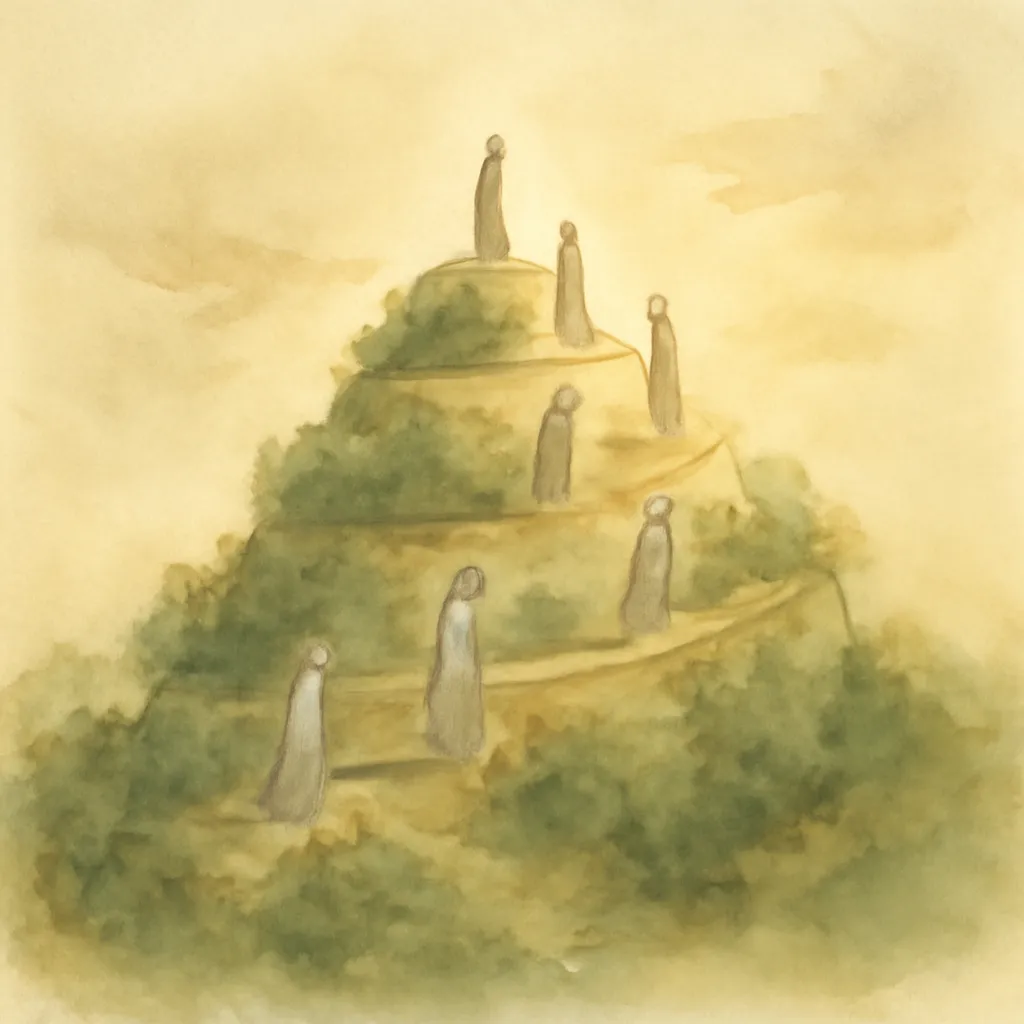
Purgatory, as depicted in Dante's work, contrasts sharply with Hell, representing a place of hope and the potential for redemption. Souls here are not eternally damned but are purifying themselves of sin in preparation for entry into Paradise. The seven terraces of Purgatory correspond to the seven deadly sins, and each terrace presents challenges that encourage spiritual growth. For instance, the proud must carry heavy stones on their backs to learn humility. This process of purification emphasizes the importance of repentance and the possibility of transformation. Dante's portrayal of Purgatory serves as a reminder that all souls, no matter their past, have the opportunity to seek forgiveness and ultimately attain divine grace.
7.The Vision of Beatrice: Faith and Divine Love
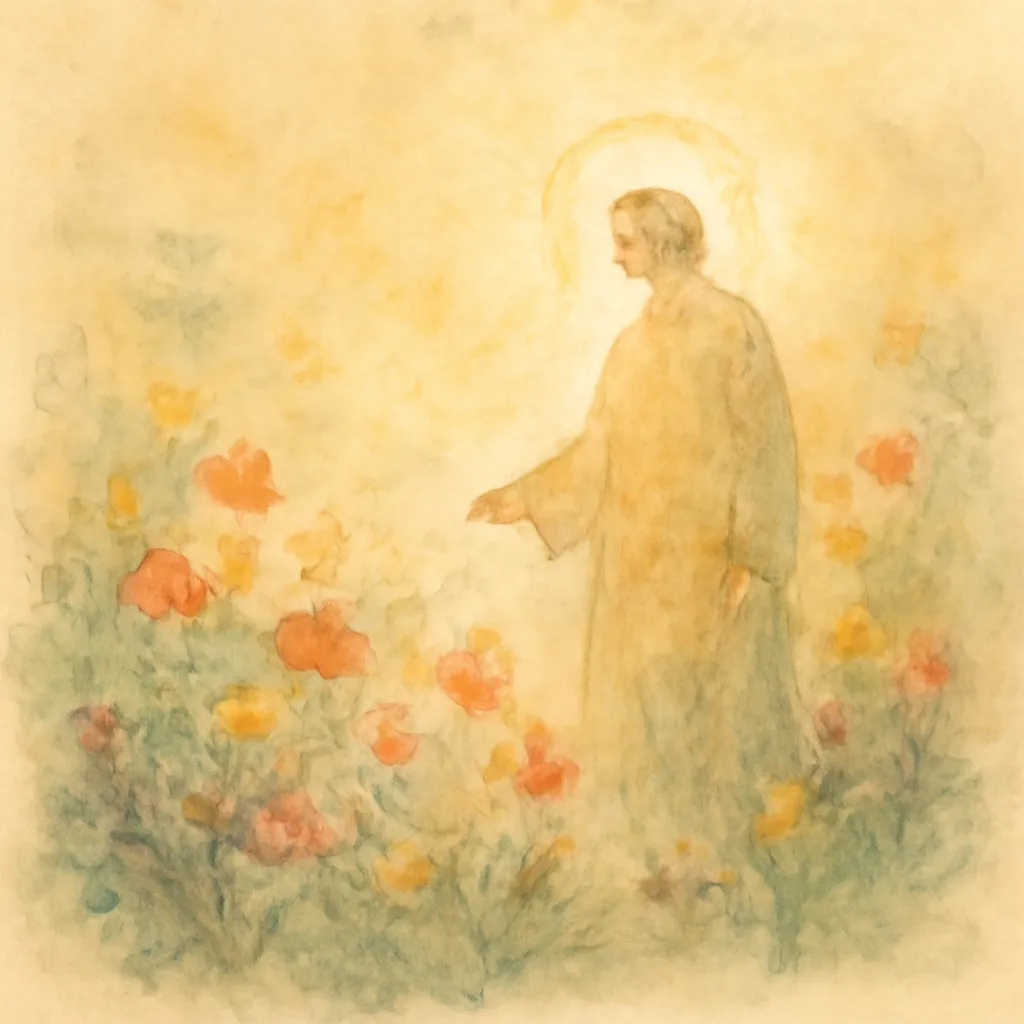
Beatrice represents divine love and faith, guiding Dante toward a deeper understanding of spiritual truths. Her introduction marks a significant transition in Dante's journey from reason, embodied by Virgil, to faith. Beatrice's loving yet authoritative presence challenges Dante to confront his sins and strive for higher ideals. She embodies the grace that transcends human reasoning, emphasizing that true enlightenment comes through love and faith rather than intellect alone. Their reunion is laden with spiritual significance, symbolizing the transformative power of love and the ultimate goal of human existence: to return to God. This relationship elevates the narrative from a mere exploration of sin to a profound meditation on the nature of divine love and the human soul's yearning for connection with the divine.
8.The Celestial Paradise: The Ultimate Union with God
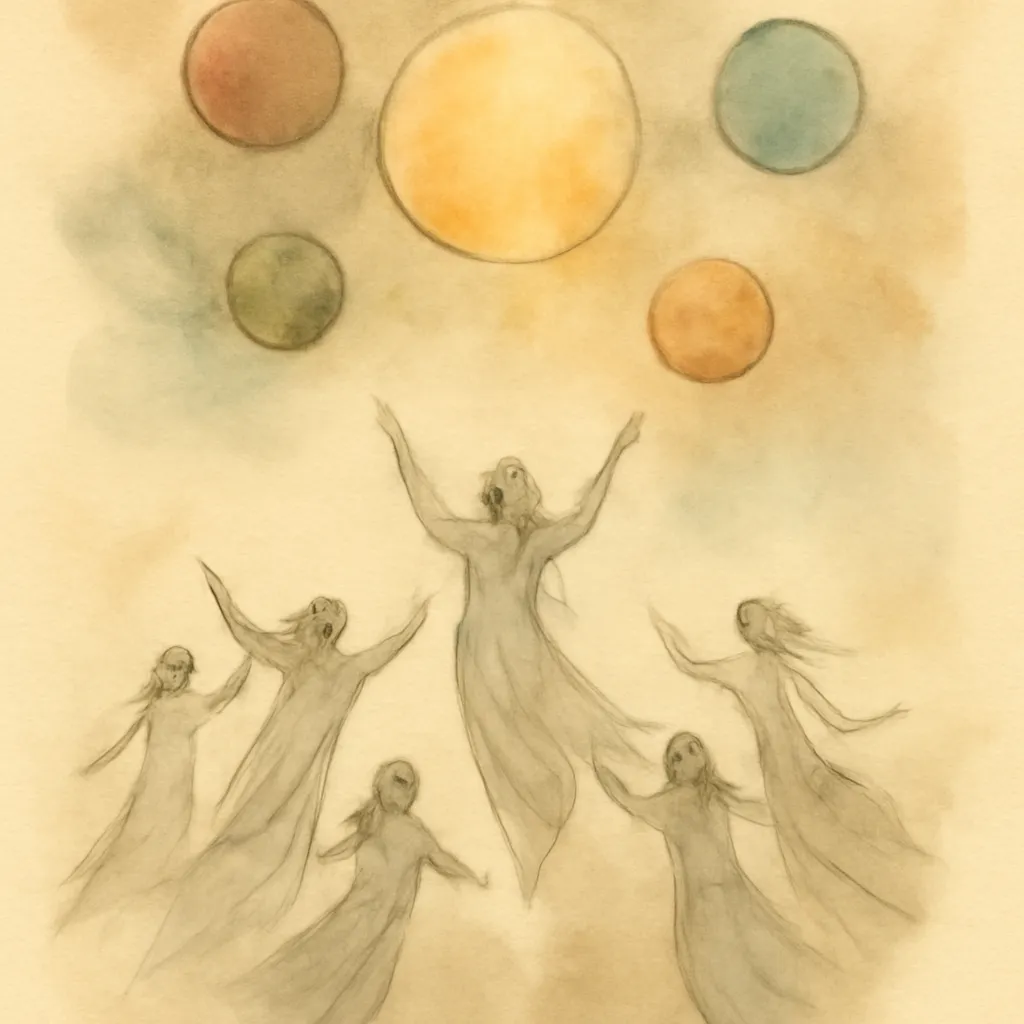
Paradise, the final realm in Dante's journey, represents the ultimate union with God and the fulfillment of the human soul's deepest desires. Here, Dante encounters souls in various spheres of heaven, each reflecting different virtues and divine attributes. The structure of Paradise is organized into nine spheres, each representing a different aspect of divine love and grace. The souls Dante meets embody the virtues he must aspire to, illustrating the transformative power of divine love. The experience in Paradise culminates in the vision of the Beatific Vision—seeing God face-to-face—symbolizing the ultimate goal of human existence. This climax reinforces the idea that true happiness and fulfillment come from aligning oneself with divine will and embracing love as the highest virtue.
9.The Enduring Legacy of 'The Divine Comedy'
Dante's 'The Divine Comedy' has left an indelible mark on literature, art, and philosophy, influencing countless works and thinkers throughout history. Its exploration of morality, justice, and the human condition resonates with readers across time and cultures. The poem's rich allegories and vivid imagery continue to inspire interpretations and adaptations in various forms, from literature to visual arts. Moreover, its thematic depth invites ongoing discussions about the nature of sin, redemption, and the quest for meaning in life. Dante's work serves as a bridge between the medieval worldview and the Renaissance, reflecting the evolving understanding of humanity's place in the universe. Its enduring relevance speaks to the universal truths it encapsulates, reminding readers of the importance of moral reflection and the pursuit of a virtuous life.