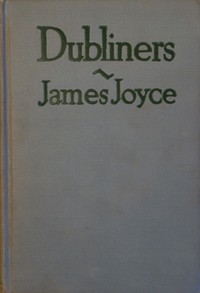

Fifteen quietly devastating stories of ordinary Dublin lives — paralysis, longing, and the famous epiphanies of modern fiction.
Read full overviewShow less›
James Joyce's 'Dubliners' is a collection of short stories that portrays the intricate lives of ordinary Dubliners, revealing their struggles, aspirations, and moments of clarity. Each story captures a snapshot of life in Dublin, exploring themes of paralysis, identity, and the quest for meaning. Joyce's rich, evocative language and keen observations illuminate the characters' internal conflicts and societal constraints, making their experiences universally relatable. Readers will encounter poignant moments that resonate with their own lives, prompting reflections on the nature of existence and the human condition. Through the lens of Joyce’s characters, the mundane transforms into the profound, inviting readers to ponder the beauty and tragedy of everyday life.
In 'Dubliners,' James Joyce masterfully captures the essence of life in early 20th-century Dublin, weaving together themes of paralysis, identity, and the search for meaning. Through vivid storytelling and rich characterizations, he invites readers to reflect on the complexities of the human experience, reminding us that even in the mundane, there are moments of beauty and revelation. The stories serve as a mirror to our own lives, prompting us to consider the forces that shape our identities and the choices that define our paths. Joyce's exploration of the ordinary becomes a profound commentary on the nature of existence, encouraging us to seek our own epiphanies amidst the challenges of life. Ultimately, 'Dubliners' remains a timeless exploration of the human condition, resonating with readers across generations.
- 1The Theme of Paralysis
- 2Epiphany and Self-Realization
- 3The Role of Women in Dublin Society
- 4The Influence of Religion
- 5The Complexity of Identity
A glimpse inside

Paralysis is a recurring motif in 'Dubliners,' symbolizing the stagnation and lack of agency experienced by many characters. Read moreParalysis is a recurring motif in 'Dubliners,' symbolizing the stagnation and lack of agency experienced by many characters. This theme manifests in various forms, from the literal paralysis of Father Flynn to the emotional and social paralysis of characters like Gabriel Conroy and Eveline. Each character grapples with their inability to change their circumstances or break free from societal expectations. For example, in the story 'The Sisters,' the young boy’s reflections on Father Flynn’s death reveal how the community is stifled by superstition and fear. Similarly, Eveline's inability to leave Dublin for a new life with Frank highlights the suffocating grip of familial duty and societal norms. Joyce uses paralysis to critique the broader social and cultural environment of Dublin, suggesting that it traps individuals in a cycle of despair and unfulfilled potential. Show less
Joyce's characters often undergo moments of epiphany—sudden realizations that illuminate their lives and choices. These moments serve as pivotal turning points, revealing… Read moreJoyce's characters often undergo moments of epiphany—sudden realizations that illuminate their lives and choices. These moments serve as pivotal turning points, revealing deeper truths about themselves and their relationships. In 'Araby,' the protagonist's journey to the bazaar symbolizes his yearning for adventure and romantic idealism, only to confront the harsh reality of disillusionment when he arrives. His realization that the bazaar is a mere commercial enterprise shatters his youthful dreams. Similarly, in 'The Dead,' Gabriel Conroy’s epiphany about his own life and marriage comes during a moment of reflection at the party. He understands his emotional distance from his wife, Gretta, and the weight of their unspoken regrets. These epiphanies are not just personal revelations; they are deeply tied to the cultural and historical contexts of Dublin, illustrating how individual lives are influenced by the collective experience. Show less
Read the full text — free
About the author
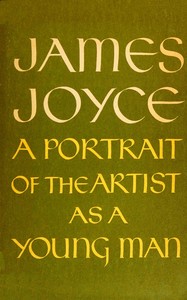
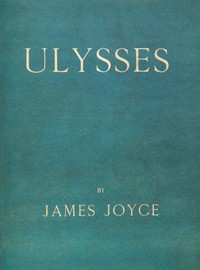
James Joyce has 3 works free to read on Lumina, including A Portrait of the Artist as a Young Man, Ulysses.
All 3 books by James Joyce →Frequently asked
Worlds to get lost in
Take Lumina everywhere
Read offline, listen to AI summaries, speed-read, and sync your progress across devices — free on iPhone.
Download for iPhone