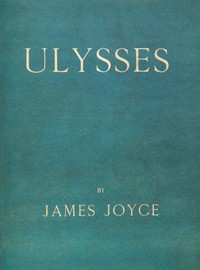

One ordinary Dublin day, June 16, 1904, retold as a sprawling modern Odyssey — Leopold Bloom’s wanderings and the dazzling stream of consciousness that remade the novel.
Read full overviewShow less›
James Joyce's 'Ulysses' intricately maps a single day in Dublin through the interwoven lives of its characters, primarily focusing on Leopold Bloom, Stephen Dedalus, and Molly Bloom. This literary masterpiece employs stream-of-consciousness narrative techniques, challenging traditional storytelling while capturing the richness of human experience. Readers will embark on a journey through the streets of Dublin, witnessing the characters' thoughts, desires, and interactions as they navigate universal themes of identity, love, and mortality. Joyce’s groundbreaking use of language and structure invites readers to engage deeply with the text, making it a rewarding exploration of both the mundane and the profound. By the end of this journey, one will appreciate how a single day can encapsulate the entirety of human experience, filled with struggles, joys, and revelations.
Ultimately, 'Ulysses' is a profound exploration of the human experience, encapsulating the complexities of identity, love, and the quest for meaning within the mundane. Through its innovative narrative techniques and rich characterizations, Joyce invites readers to reflect on their own lives and the world around them. The novel's enduring relevance lies in its ability to resonate with universal themes, making it a timeless work that continues to inspire and challenge. As readers journey through Dublin with Bloom and Stephen, they are reminded of the beauty and significance found in everyday moments, encouraging a deeper appreciation for the intricacies of life and the connections that bind us all.
- 1The Everyday as Epic
- 2Stream of Consciousness Technique
- 3The Symbolism of Dublin
- 4Exploration of Identity
- 5Themes of Love and Desire
Notable quotes
“—Introibo ad altare Dei.”
“—You, Cochrane, what city sent for him?”
“—A disappointed bridge.”
A glimpse inside

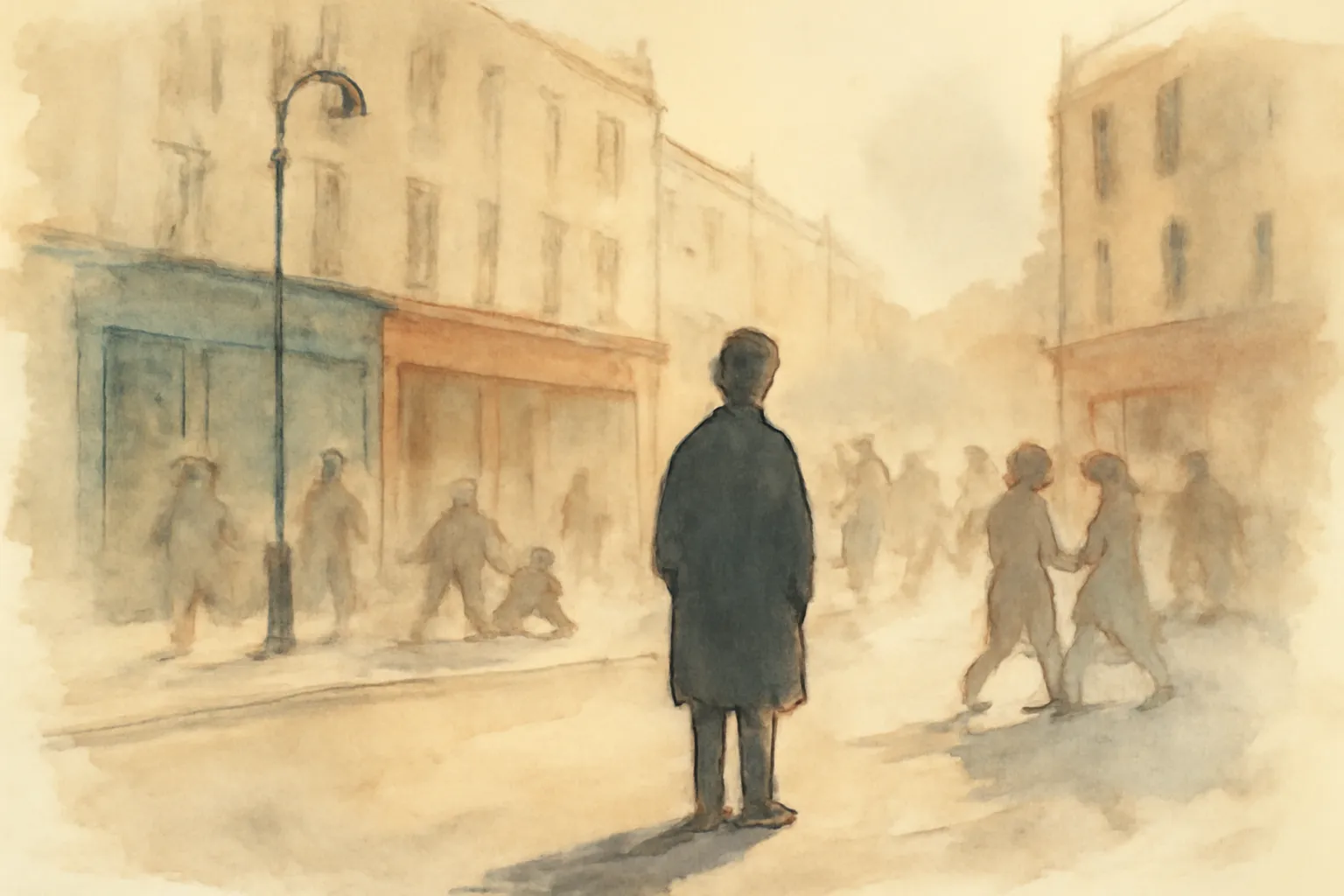
Joyce elevates the ordinary to the extraordinary by framing the mundane activities of a single day as an epic journey. The structure of 'Ulysses' mirrors Homer's 'Odyssey… Read moreJoyce elevates the ordinary to the extraordinary by framing the mundane activities of a single day as an epic journey. The structure of 'Ulysses' mirrors Homer's 'Odyssey', with Bloom representing Odysseus and his day reflecting the hero's journey. Each chapter corresponds to an episode from the epic, yet Joyce’s focus remains on the trivialities of daily life—eating breakfast, walking through the city, and attending a funeral. This juxtaposition highlights the heroism found in everyday existence, suggesting that profound meaning can be derived from the simplest actions. For example, Bloom’s breakfast of grilled kidneys becomes a moment of reflection on life, sustenance, and the nature of desire, transforming a routine meal into a philosophical exploration. Joyce's narrative invites readers to find beauty and significance in their own daily lives, encouraging a deeper appreciation for the ordinary. Show less
One of the most striking features of 'Ulysses' is Joyce's innovative use of stream of consciousness, a narrative style that captures the flow of thoughts and feelings in… Read moreOne of the most striking features of 'Ulysses' is Joyce's innovative use of stream of consciousness, a narrative style that captures the flow of thoughts and feelings in real-time. This technique immerses readers in the inner workings of characters' minds, revealing their subconscious processes and emotional landscapes. For instance, through Stephen Dedalus' reflections, readers experience his struggles with identity, artistic ambition, and familial relationships. The fragmented and often chaotic nature of this narrative mirrors the complexity of human thought, allowing for a more intimate connection with the characters. Joyce's mastery of language creates vivid imagery and sensory details, making the reader feel as if they are experiencing the characters' realities firsthand. This stylistic choice not only enriches the narrative but also challenges readers to engage with the text on a deeper level, as they must navigate the intricacies of thought processes and emotions. Show less
Read the full text — free
About the author
James Joyce has 3 works free to read on Lumina, including A Portrait of the Artist as a Young Man, Dubliners.
All 3 books by James Joyce →Frequently asked
Worlds to get lost in
Take Lumina everywhere
Read offline, listen to AI summaries, speed-read, and sync your progress across devices — free on iPhone.
Download for iPhone