Fiction
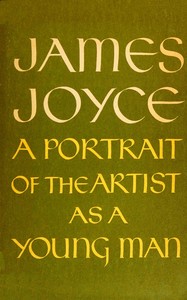
A Portrait of the Artist as a Young Man by James Joyce — Summary, Key Ideas & Full Text
281 pages5 chapters5h 39m read4h 1m speed read✦ 9-min Big ideas★ 3.4 (41)Free · no account
Rate it
A young man's journey to self-discovery amid the constraints of family, religion, and society
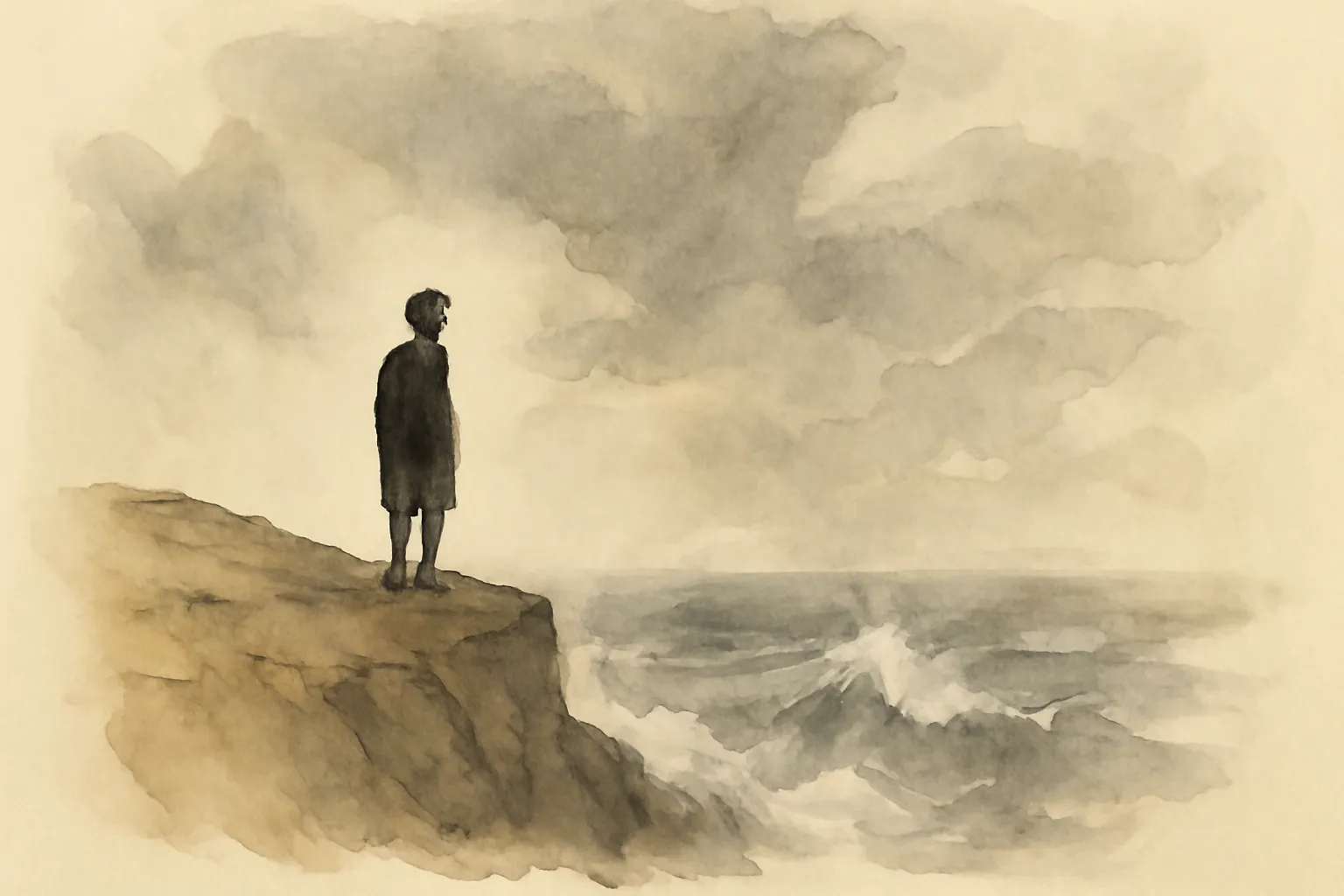
James Joyce's 'A Portrait of the Artist as a Young Man' is a profound exploration of the formative years of Stephen Dedalus, a character who embodies the struggle of the artist against societal norms. Through a rich tapestry of sensory experiences and introspective insights, Joyce captures the complexities of identity, faith, and the pursuit of artistic freedom. This novel not only reflects the personal evolution of Stephen but also serves as a commentary on the broader cultural and religious context of early 20th-century Ireland. Readers will delve into the mind of a young man grappling with his upbringing, the weight of tradition, and the desire to forge his own path as an artist. Joyce's innovative narrative style and vivid imagery invite readers to experience the world through Stephen's eyes, making this a timeless story of self-discovery and rebellion against conformity.
'A Portrait of the Artist as a Young Man' is a rich and complex exploration of the journey toward self-discovery, framed through the experiences of Stephen Dedalus. Joyce's innovative narrative style and deep psychological insights invite readers to engage with the struggles of an artist navigating the challenges of family, faith, and societal expectations. The themes of rebellion, identity, and the transformative power of art resonate across time, making Stephen's journey a universal tale of the pursuit of authenticity. As readers accompany Stephen on his quest for individuality, they are reminded of the importance of embracing one's true self in a world that often seeks to impose conformity. This novel not only celebrates the artist's journey but also serves as a poignant reflection on the complexities of human experience and the enduring quest for meaning and purpose.
James Joyce has 3 works free to read on Lumina, including Dubliners, Ulysses
All 3 books by James Joyce →