1.Childhood Innocence and Imagination
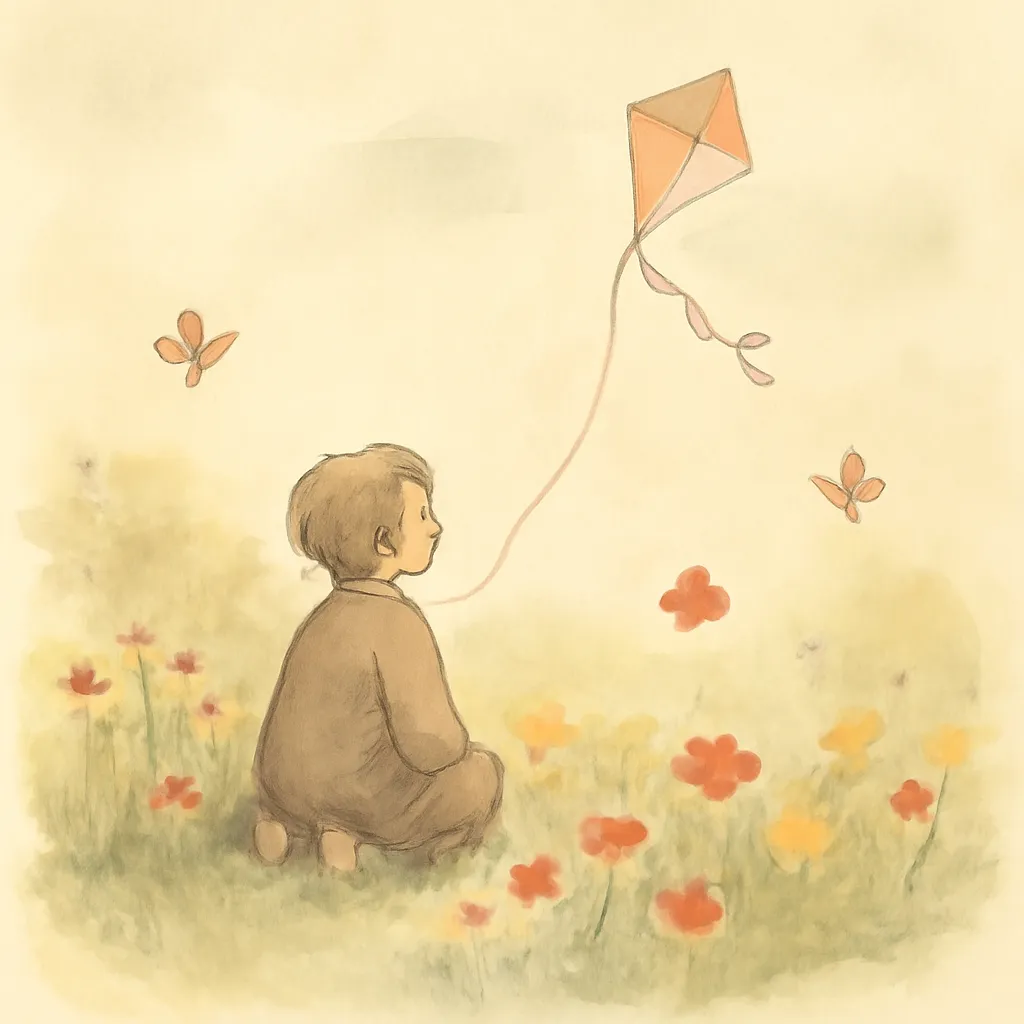
The novel opens with a glimpse into Stephen's early childhood, where his perception of reality is shaped by the whimsical stories told by his father and the vivid sensory experiences of his environment. The playful language and childlike wonder reflect a world filled with magic and simplicity, exemplified by the moocow and the 'nicens little boy' named baby tuckoo. This innocence is contrasted with the harsh realities of life that Stephen begins to encounter as he grows older. The early chapters establish a foundation for Stephen's character, illustrating how his imagination serves as a refuge from the complexities of adult life. Joyce's use of stream-of-consciousness narrative allows readers to witness the fluidity of a child's thoughts, revealing how imagination intertwines with reality in the formative years of youth.
2.The Burden of Family Expectations
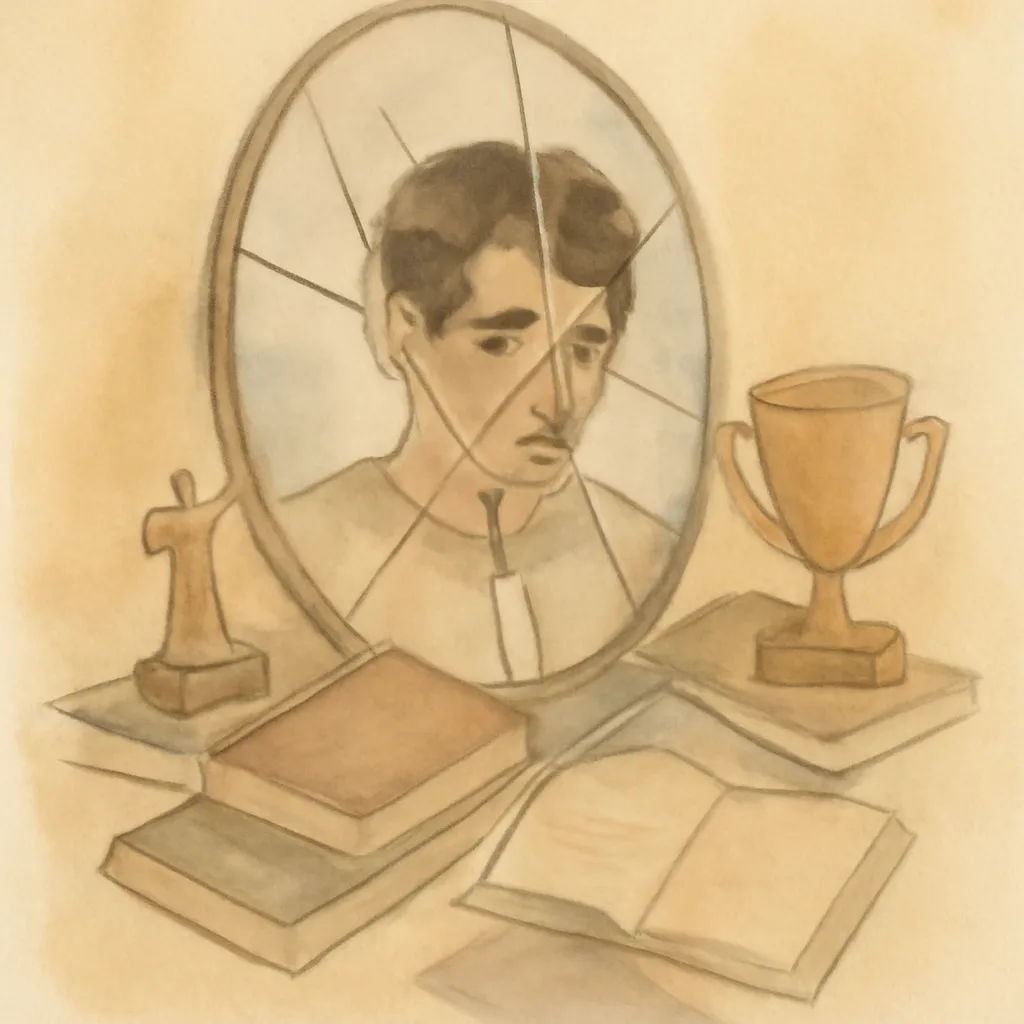
As Stephen matures, he becomes increasingly aware of the expectations placed upon him by his family, particularly his father, Simon Dedalus. The relationship between Stephen and his father is fraught with tension, as Simon embodies the traditional values and aspirations that Stephen feels alienated from. This conflict is emblematic of the struggle between personal desires and familial obligations. Joyce illustrates how Stephen grapples with his identity amid the weight of his father's expectations, which often feel suffocating. The portrayal of Uncle Charles as a more sympathetic figure provides a contrast to Simon's authoritarian presence, highlighting the complexities of familial relationships and the impact they have on Stephen's burgeoning sense of self. This dynamic sets the stage for Stephen's eventual rebellion against those expectations as he seeks to carve out his own identity.
3.Religious Influence and Guilt
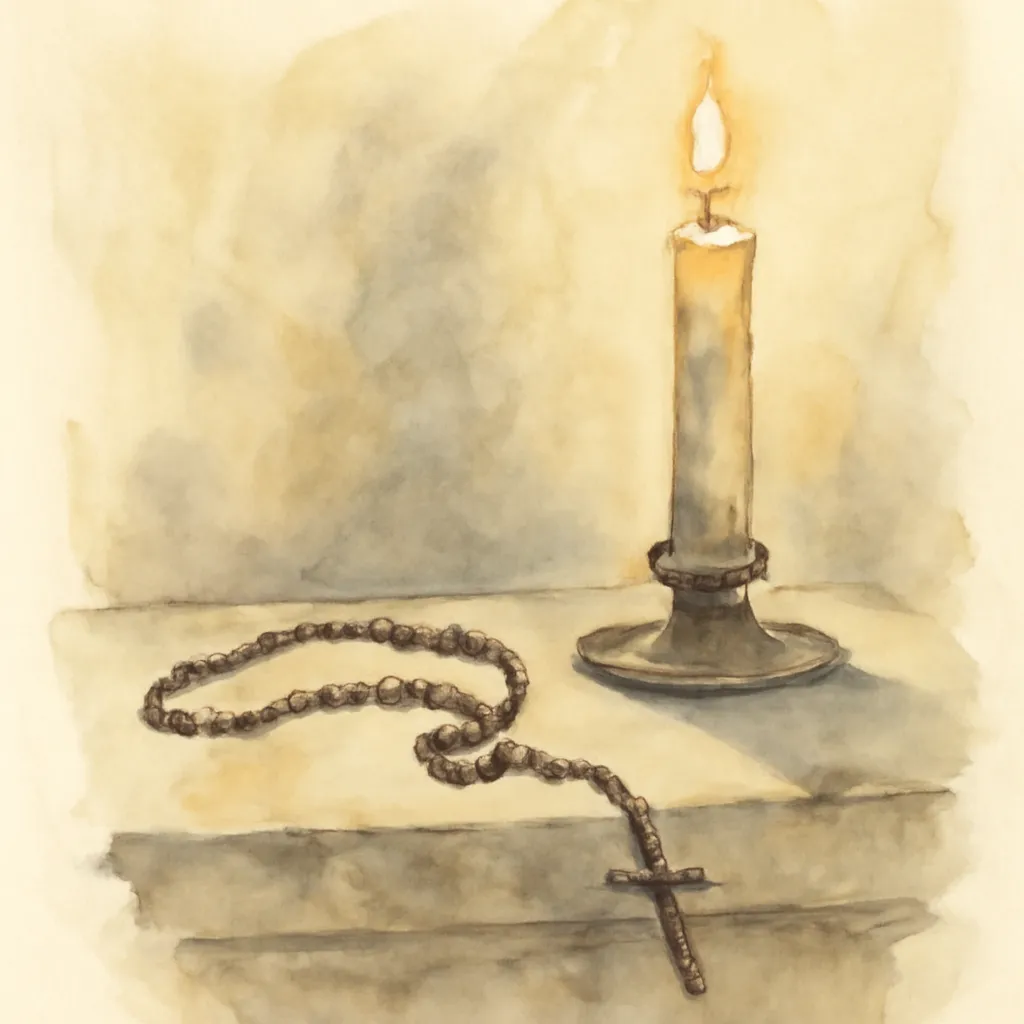
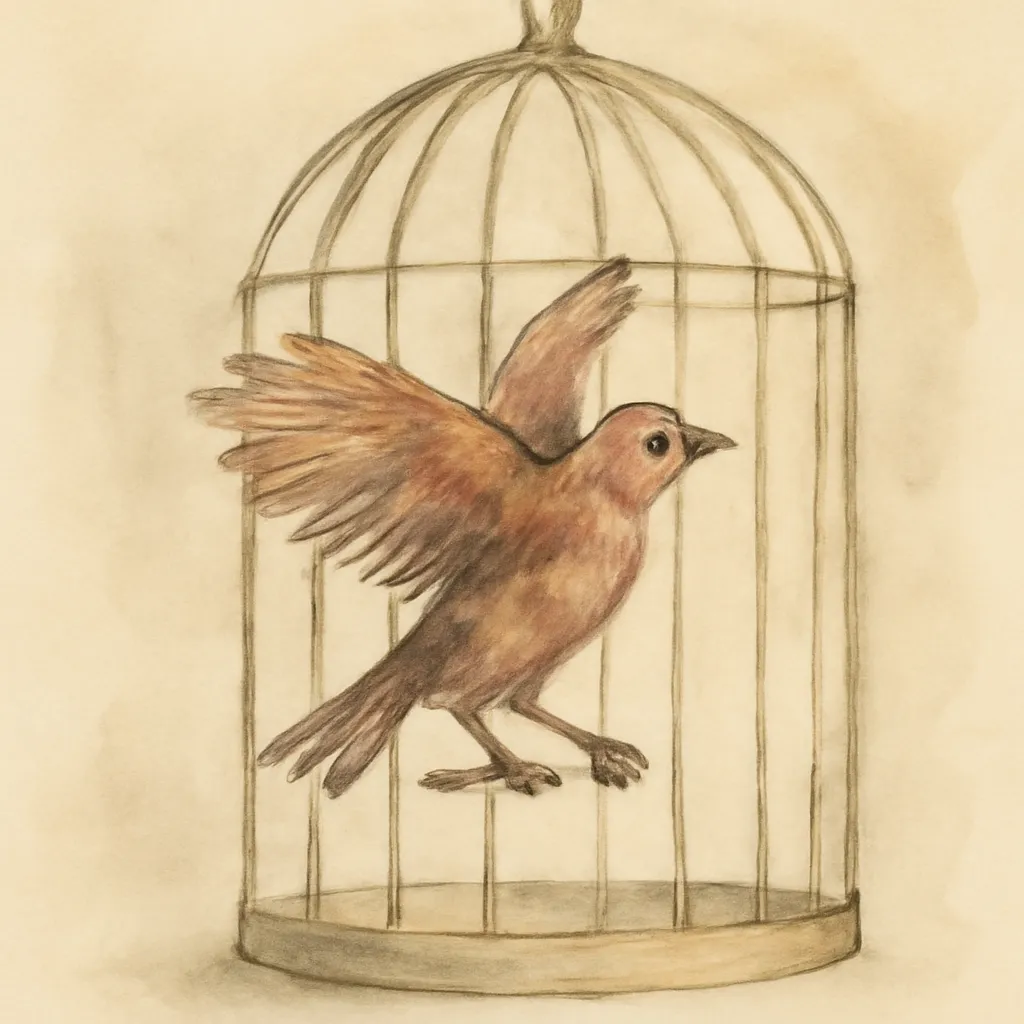
Religion plays a pivotal role in Stephen's life, shaping his moral framework and instilling a sense of guilt that he struggles to reconcile with his artistic inclinations. The rituals and doctrines of Catholicism permeate his upbringing, instilling a sense of piety and fear of sin that weighs heavily on his conscience. Joyce vividly depicts Stephen's internal conflict as he navigates the teachings of the Church, which often clash with his burgeoning sense of individuality and desire for creative expression. The repetition of prayers and the emphasis on penance illustrate how deeply ingrained these religious beliefs are in Stephen's psyche. As he grows, Stephen becomes increasingly disillusioned with the dogma of the Church, leading to a profound crisis of faith that serves as a catalyst for his artistic awakening. This tension between spirituality and creativity underscores the broader theme of the artist's struggle against societal constraints.
4.The Search for Identity
Stephen's journey is fundamentally a quest for identity, as he grapples with the conflicting influences of family, religion, and society. His experiences at school and within his community further complicate his sense of self, as he encounters peer pressure, rivalry, and a longing for acceptance. Joyce masterfully captures the nuances of adolescent angst through Stephen's interactions with his classmates, particularly the contrast between Stephen's sensitive nature and the more boisterous, often cruel behavior of his peers. The theme of isolation emerges as Stephen feels increasingly alienated from those around him, intensifying his desire to seek out his own path. This search for identity culminates in his exploration of art as a means of self-expression, as he begins to understand that true identity lies not in conformity but in the authenticity of his artistic voice.
5.Art as a Means of Liberation
As Stephen navigates the complexities of his adolescence, he discovers that art offers him a means of liberation from the constraints imposed by his family and society. Joyce portrays Stephen's growing fascination with literature and the creative process, highlighting how art becomes a sanctuary for his thoughts and emotions. His encounters with various artistic influences, including literature, music, and philosophy, inspire him to embrace his identity as an artist. The act of creating becomes a form of rebellion against the expectations of his upbringing, allowing Stephen to assert his individuality. Joyce's exploration of the artistic process emphasizes the transformative power of creativity, illustrating how it enables Stephen to transcend the limitations of his environment. This realization marks a turning point in Stephen's journey, as he begins to understand that art is not merely a pursuit but an essential aspect of his existence.
6.Rebellion Against Tradition
Stephen's rebellion against tradition is a central theme in the novel, as he increasingly rejects the societal norms that have defined his upbringing. This rebellion manifests in various forms, from his rejection of religious dogma to his desire to break free from the constraints of familial expectations. Joyce illustrates how Stephen's artistic ambitions are at odds with the conservative values of early 20th-century Ireland, creating a tension that propels his journey forward. As he grapples with his desire to forge an independent path, Stephen becomes increasingly aware of the sacrifices that come with such a choice. His rejection of traditional authority figures, including his father and the Church, symbolizes a broader critique of a society that stifles individuality and creativity. This theme resonates with the universal struggle of artists seeking to carve out their own identities in the face of societal pressures.
7.The Role of Female Figures
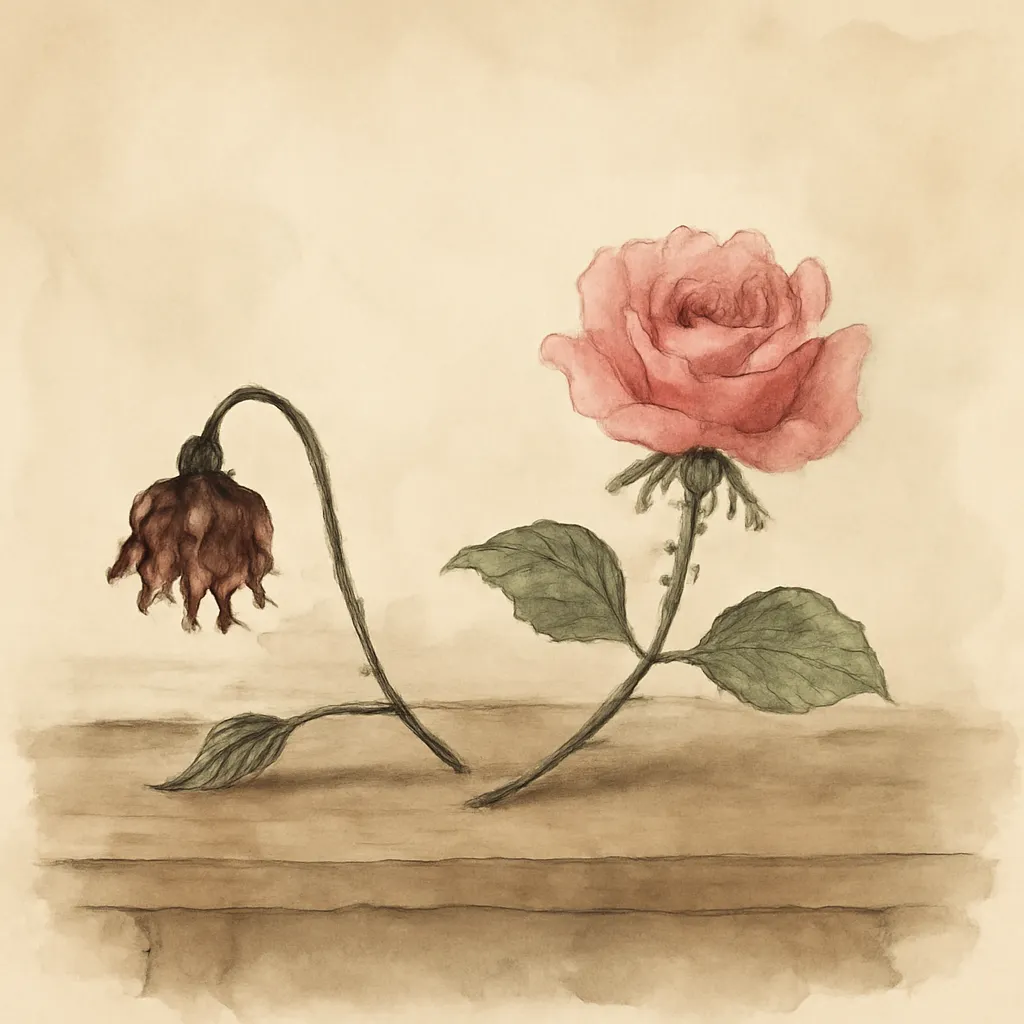
The female figures in Stephen's life play a significant role in shaping his understanding of love, desire, and artistic inspiration. From his mother, who embodies nurturing and traditional values, to the more complex relationships he develops with women, Joyce explores the multifaceted nature of femininity in Stephen's world. The tension between his desire for connection and his fear of vulnerability is palpable as he navigates these relationships. Joyce's portrayal of women reflects the societal constraints placed upon them, as well as the ways in which they influence Stephen's perception of himself as an artist. The character of Emma emerges as a muse for Stephen, symbolizing the ideal of beauty and inspiration that he yearns for. However, this idealization also leads to feelings of inadequacy and fear of rejection, further complicating his artistic journey. Through these interactions, Joyce delves into the complexities of desire and the impact of female figures on the male artist's psyche.
8.The Crisis of Faith
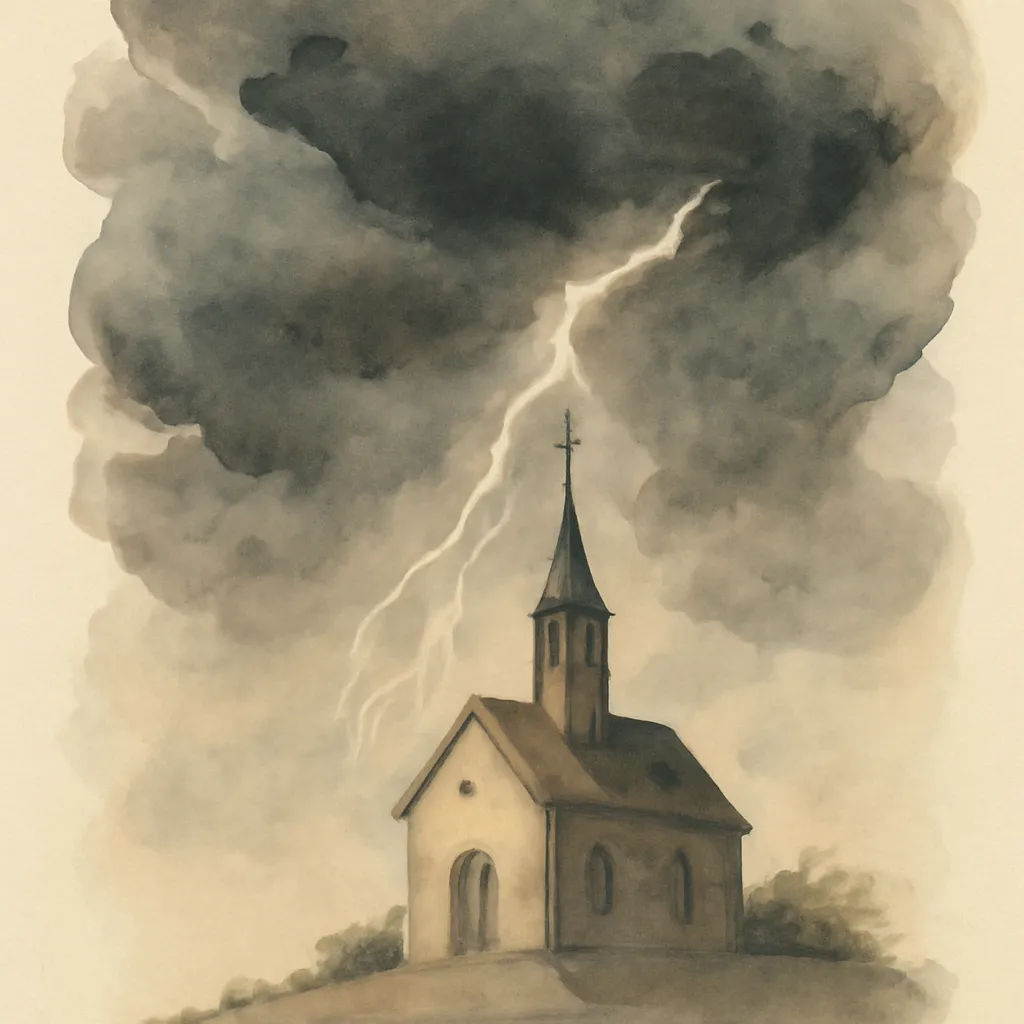
Stephen's crisis of faith is a pivotal moment in his journey, encapsulating the inner turmoil he experiences as he confronts the contradictions between his religious upbringing and his artistic aspirations. This crisis is marked by a profound sense of doubt and disillusionment, as Stephen begins to question the teachings of the Church that once provided him with a moral compass. Joyce portrays this struggle with vivid imagery and introspective thoughts, illustrating how Stephen's desire for spiritual fulfillment clashes with his need for artistic freedom. The moment of epiphany, where he ultimately chooses to reject the constraints of his religious upbringing, signifies a crucial turning point in his development. This rejection is not merely an act of rebellion; it represents Stephen's commitment to pursuing his true identity as an artist, unencumbered by the guilt and expectations imposed by his faith. The crisis of faith serves as a catalyst for Stephen's transformation, propelling him toward a more authentic existence.
9.The Artistic Epiphany
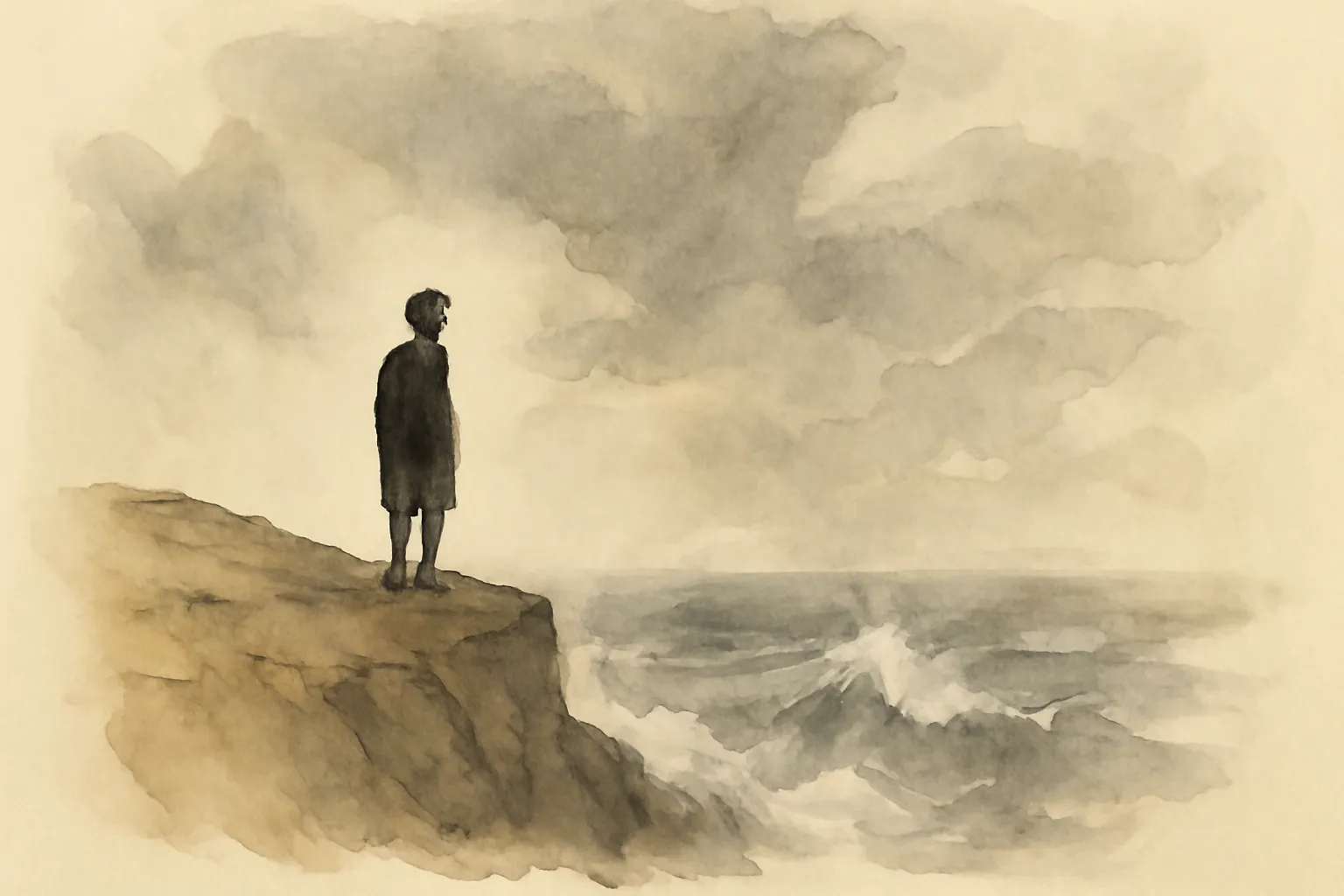
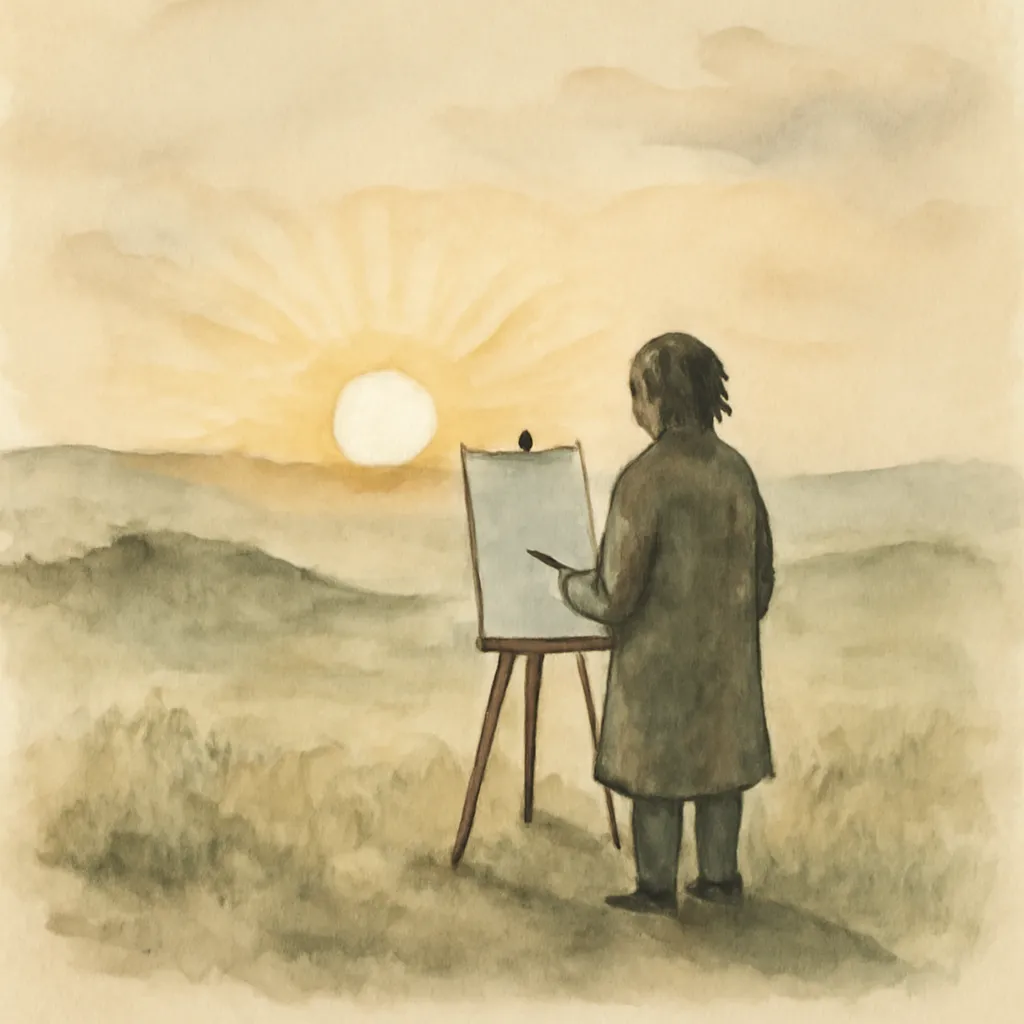
The culmination of Stephen's journey occurs during a moment of artistic epiphany, where he fully embraces his identity as an artist. This realization is marked by a profound sense of clarity and purpose, as Stephen recognizes that his art is not just a means of expression but an essential part of his being. Joyce captures this moment with lyrical prose, emphasizing the beauty and power of creation. Through this epiphany, Stephen understands that his experiences, struggles, and observations are valid sources of inspiration, allowing him to forge a unique artistic voice. This transformative moment signifies a departure from the constraints of his past, as Stephen resolves to pursue a life dedicated to art and individuality. Joyce's exploration of this epiphany serves as a celebration of the creative spirit, highlighting the importance of authenticity and self-discovery in the life of an artist.
10.The Journey Continues
The novel concludes with Stephen's resolve to embrace his identity as an artist and to reject the societal constraints that have hindered his growth. This decision marks the beginning of a new chapter in his life, as he prepares to embark on his journey toward self-actualization. Joyce leaves readers with a sense of hope and possibility, suggesting that while the path of the artist is fraught with challenges, it is also rich with opportunities for growth and discovery. The closing lines resonate with a sense of determination, reflecting Stephen's commitment to his artistic vision and the pursuit of truth. This journey is not merely a personal quest; it represents the universal struggle of all artists seeking to find their voice amid the cacophony of societal expectations. Joyce's portrayal of Stephen's evolution serves as a powerful reminder of the importance of self-discovery and the courage to forge one's own path in the world.