1.The Everyday as Epic
Joyce elevates the ordinary to the extraordinary by framing the mundane activities of a single day as an epic journey. The structure of 'Ulysses' mirrors Homer's 'Odyssey', with Bloom representing Odysseus and his day reflecting the hero's journey. Each chapter corresponds to an episode from the epic, yet Joyce’s focus remains on the trivialities of daily life—eating breakfast, walking through the city, and attending a funeral. This juxtaposition highlights the heroism found in everyday existence, suggesting that profound meaning can be derived from the simplest actions. For example, Bloom’s breakfast of grilled kidneys becomes a moment of reflection on life, sustenance, and the nature of desire, transforming a routine meal into a philosophical exploration. Joyce's narrative invites readers to find beauty and significance in their own daily lives, encouraging a deeper appreciation for the ordinary.
2.Stream of Consciousness Technique
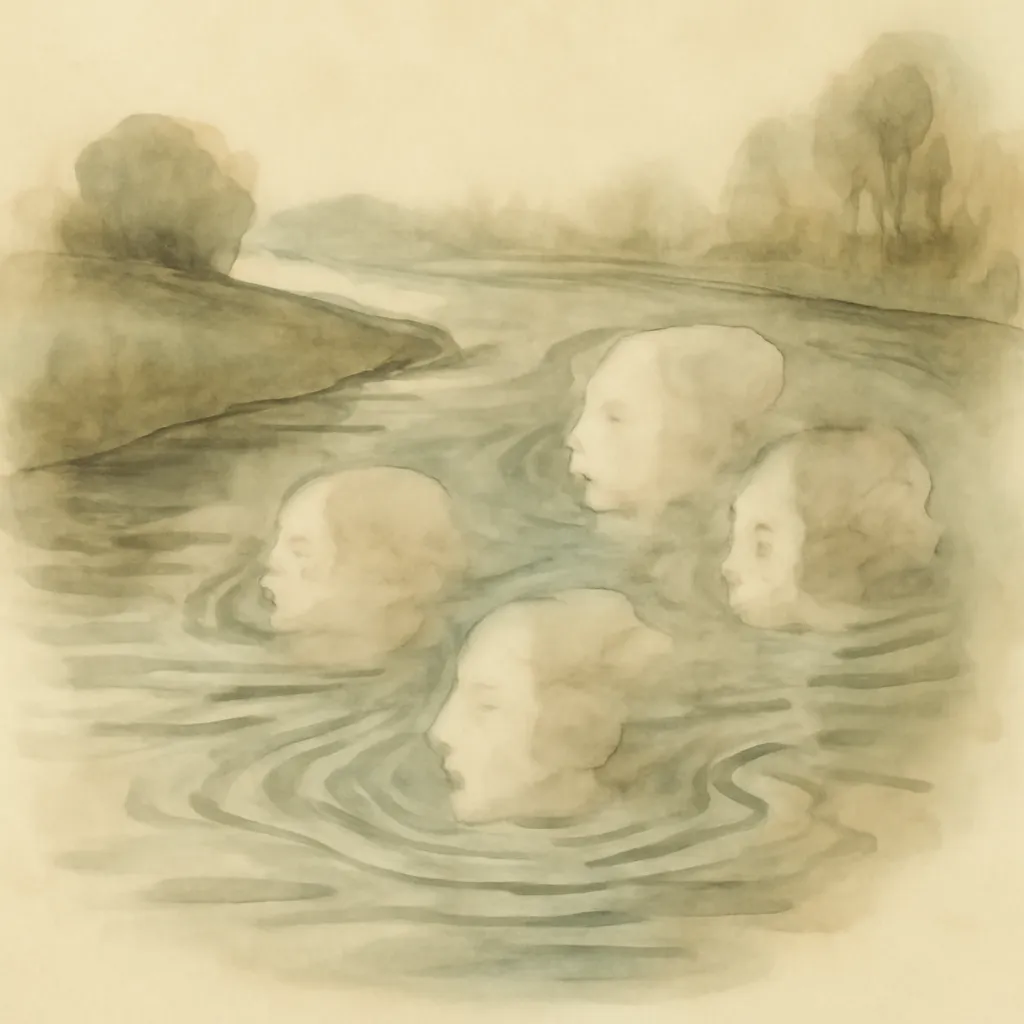
One of the most striking features of 'Ulysses' is Joyce's innovative use of stream of consciousness, a narrative style that captures the flow of thoughts and feelings in real-time. This technique immerses readers in the inner workings of characters' minds, revealing their subconscious processes and emotional landscapes. For instance, through Stephen Dedalus' reflections, readers experience his struggles with identity, artistic ambition, and familial relationships. The fragmented and often chaotic nature of this narrative mirrors the complexity of human thought, allowing for a more intimate connection with the characters. Joyce's mastery of language creates vivid imagery and sensory details, making the reader feel as if they are experiencing the characters' realities firsthand. This stylistic choice not only enriches the narrative but also challenges readers to engage with the text on a deeper level, as they must navigate the intricacies of thought processes and emotions.
3.The Symbolism of Dublin
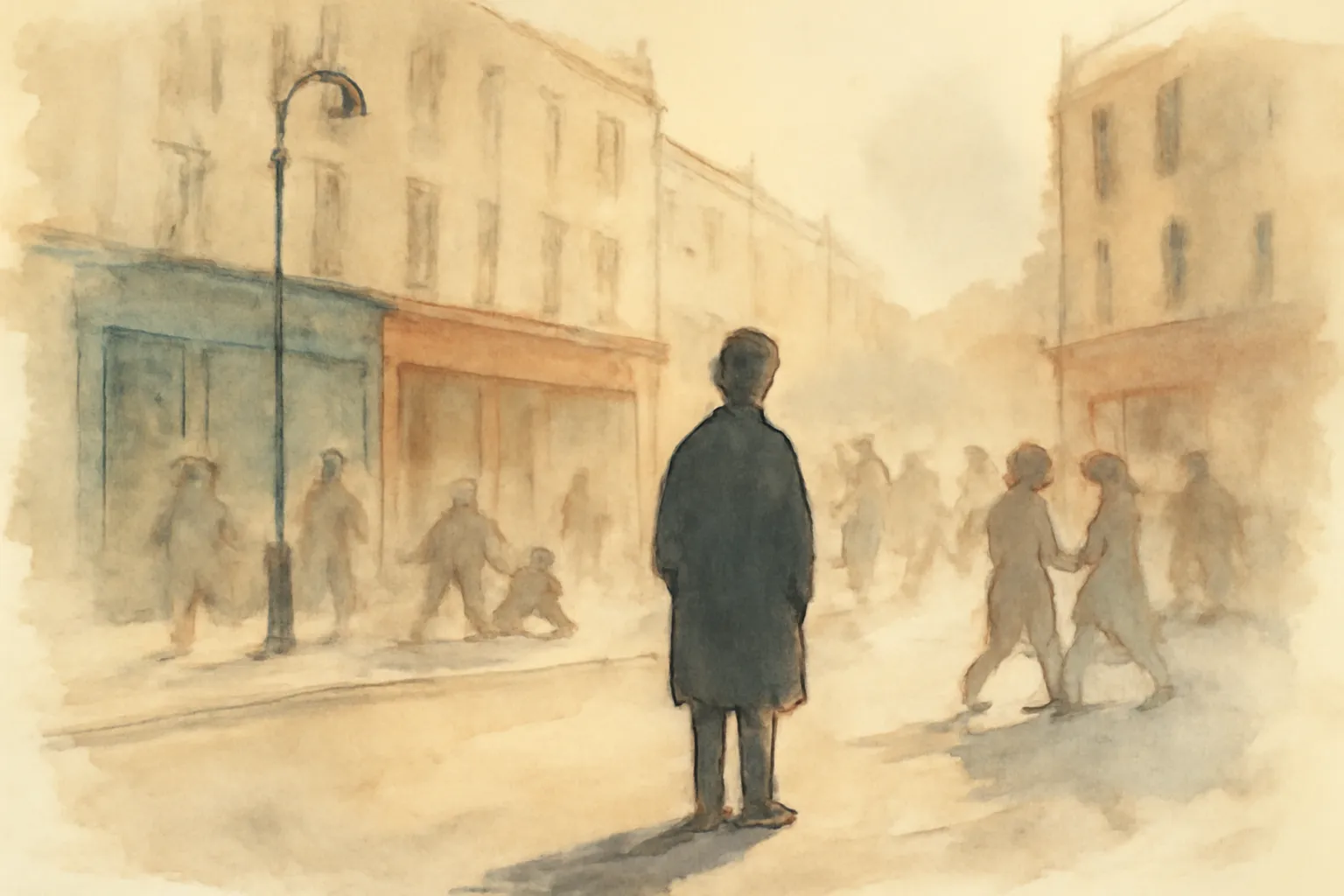
Dublin serves not just as a backdrop but as a living character in 'Ulysses', symbolizing the complexities of Irish identity and culture. Joyce meticulously details the city's streets, landmarks, and social dynamics, creating a vivid portrait of early 20th-century Dublin. Each location carries significance, reflecting the characters' internal states and societal issues. For instance, Bloom's journey through the city—from the bustling streets to the quiet corners—mirrors his search for belonging and understanding within the community. The city itself is imbued with history, politics, and social challenges, highlighting the struggle for Irish identity in a post-colonial context. Through Bloom's interactions with various Dubliners, Joyce comments on themes of alienation, nationalism, and the search for personal and cultural identity. This rich tapestry of Dublin life encourages readers to consider how place shapes experience and identity.
4.Exploration of Identity
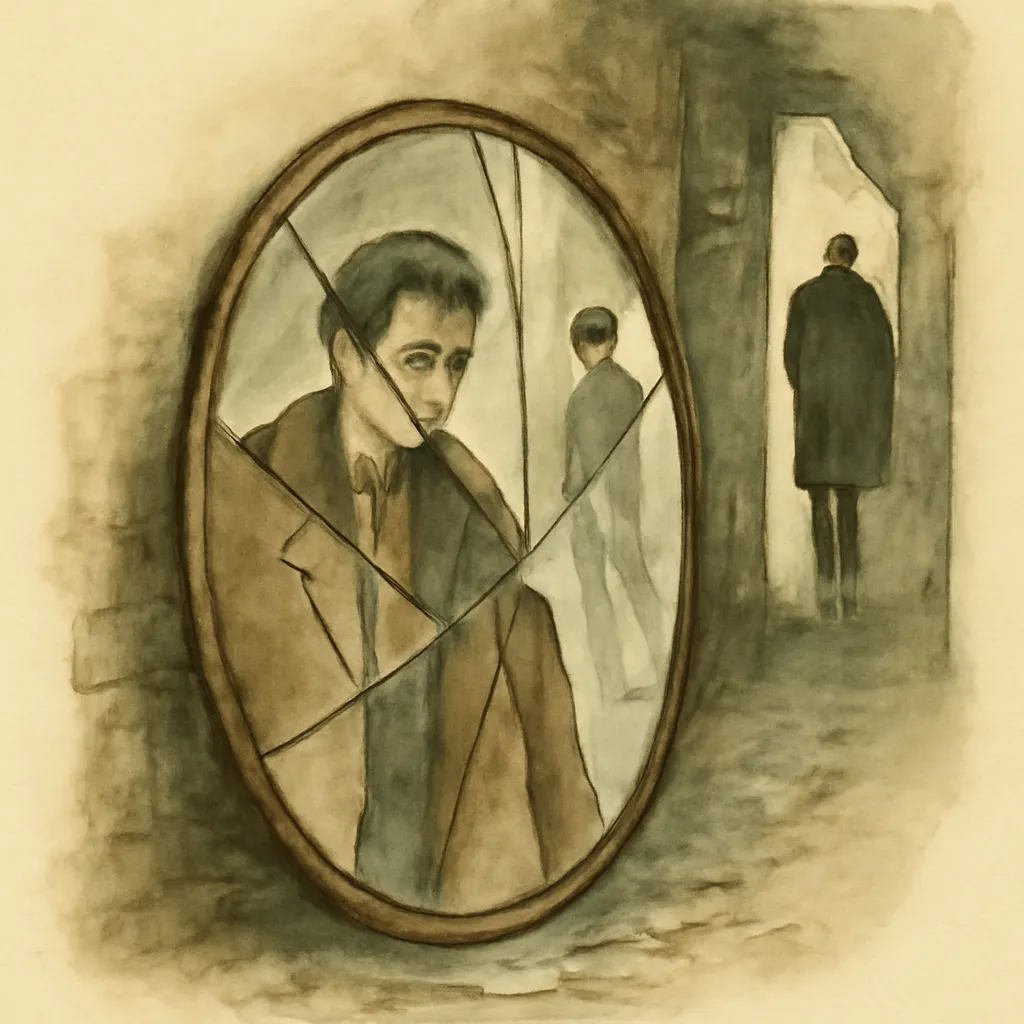
The characters in 'Ulysses' grapple with their identities in various forms, reflecting broader questions of self and society. Leopold Bloom, a Jewish man in predominantly Catholic Dublin, embodies the theme of otherness, navigating a world that often marginalizes him. His experiences highlight the complexities of belonging, as he seeks acceptance both in his personal life and within the larger community. Stephen Dedalus represents the struggle of the artist and intellectual, wrestling with his heritage, his role in society, and his aspirations. The contrast between Bloom and Stephen illustrates different facets of identity—one grounded in everyday life and the other in artistic ambition. Molly Bloom, through her internal monologue, challenges traditional notions of femininity and marital fidelity, asserting her own desires and autonomy. This exploration of identity resonates with readers, prompting reflections on their own experiences of self-discovery and societal roles.
5.Themes of Love and Desire
Love and desire permeate 'Ulysses', manifesting in various forms through the relationships and inner thoughts of the characters. Bloom’s love for his wife, Molly, is complex and layered, marked by longing, fidelity, and the challenges of marital life. His reflections on their relationship reveal his deep emotional investment, even as he grapples with feelings of inadequacy and jealousy. In contrast, Stephen’s relationships with women are fraught with idealism and disappointment, reflecting his struggles with intimacy and connection. Molly’s own desires and infidelities offer a candid exploration of female sexuality, challenging societal norms of the time. The interplay of love and desire in the narrative highlights the tension between physical attraction and emotional connection, inviting readers to consider the multifaceted nature of human relationships and the ways they shape our identities.
6.Mortality and the Human Condition
Joyce confronts themes of mortality and the human condition throughout 'Ulysses', particularly through the characters' reflections on death and legacy. The funeral of Paddy Dignam serves as a poignant reminder of life's transience, prompting Bloom and his companions to contemplate their own mortality and the legacies they will leave behind. This theme resonates deeply in Bloom’s thoughts as he navigates the streets, reflecting on his life, choices, and the inevitability of death. Stephen, too, grapples with existential questions, seeking meaning in a world that often feels chaotic and indifferent. Through these reflections, Joyce invites readers to confront their own mortality, encouraging a deeper understanding of life’s fragility and the importance of making meaningful connections with others.
7.The Role of Art and Creativity
Art and creativity are central themes in 'Ulysses', particularly through the character of Stephen Dedalus, who embodies the artist's struggle for expression and recognition. Stephen’s aspirations as a poet reflect Joyce’s own artistic journey, grappling with the tension between personal vision and societal expectations. The narrative highlights the challenges that artists face in a world that often undervalues their contributions, illustrating the sacrifices required for creative expression. Additionally, Joyce’s innovative narrative techniques serve as a commentary on the power of art to capture the complexities of human experience. Through the act of writing, Joyce creates a space for reflection and exploration, demonstrating how art can illuminate the human condition and challenge prevailing norms. This theme resonates with readers, inspiring them to consider their own creative pursuits and the role of art in their lives.
8.The Complexity of Relationships
The relationships in 'Ulysses' are marked by complexity, reflecting the intricacies of human connection and communication. Bloom and Molly's marriage, for instance, is fraught with tension, misunderstandings, and unspoken desires. Their interactions reveal the challenges of intimacy and the ways in which love can be both nurturing and painful. Stephen’s relationships with his peers and family are similarly complicated, characterized by a longing for connection that often leads to feelings of isolation. Joyce captures the nuances of dialogue and inner thought, illustrating how individuals can be deeply connected yet profoundly misunderstood. This exploration of relationships invites readers to reflect on their own connections, emphasizing the importance of empathy, communication, and the often-unseen barriers that can hinder understanding.
9.The Influence of Memory and the Past
Memory plays a crucial role in 'Ulysses', shaping the characters' identities and experiences as they navigate their present lives. Joyce employs flashbacks and reflective moments to explore how the past informs the characters' thoughts and actions. Bloom’s memories of his deceased son, Rudy, deeply affect his emotional state, influencing his interactions and sense of self. Similarly, Stephen’s recollections of his childhood and family dynamics inform his struggles with identity and belonging. This interplay between memory and the present underscores the idea that our past experiences are inextricably linked to our current realities. Joyce’s treatment of memory encourages readers to consider how their own histories shape their identities and perceptions of the world.
10.Joyce's Linguistic Innovation
Joyce's linguistic innovation is a hallmark of 'Ulysses', as he employs a diverse range of styles, puns, and wordplay throughout the narrative. Each chapter showcases different linguistic techniques, reflecting the characters’ thoughts and the thematic content of their experiences. For instance, the playful and musical language in the 'Sirens' chapter mirrors the setting of a bar and the themes of desire and temptation. Joyce’s use of language not only enhances the narrative’s richness but also challenges readers to engage with the text on multiple levels. The innovative linguistic style invites analysis and interpretation, encouraging readers to appreciate the artistry of Joyce's writing. This focus on language as a tool for expression and exploration underscores the transformative power of words in shaping our understanding of reality.