1.The Theme of Paralysis
Paralysis is a recurring motif in 'Dubliners,' symbolizing the stagnation and lack of agency experienced by many characters. This theme manifests in various forms, from the literal paralysis of Father Flynn to the emotional and social paralysis of characters like Gabriel Conroy and Eveline. Each character grapples with their inability to change their circumstances or break free from societal expectations. For example, in the story 'The Sisters,' the young boy’s reflections on Father Flynn’s death reveal how the community is stifled by superstition and fear. Similarly, Eveline's inability to leave Dublin for a new life with Frank highlights the suffocating grip of familial duty and societal norms. Joyce uses paralysis to critique the broader social and cultural environment of Dublin, suggesting that it traps individuals in a cycle of despair and unfulfilled potential.
2.Epiphany and Self-Realization
Joyce's characters often undergo moments of epiphany—sudden realizations that illuminate their lives and choices. These moments serve as pivotal turning points, revealing deeper truths about themselves and their relationships. In 'Araby,' the protagonist's journey to the bazaar symbolizes his yearning for adventure and romantic idealism, only to confront the harsh reality of disillusionment when he arrives. His realization that the bazaar is a mere commercial enterprise shatters his youthful dreams. Similarly, in 'The Dead,' Gabriel Conroy’s epiphany about his own life and marriage comes during a moment of reflection at the party. He understands his emotional distance from his wife, Gretta, and the weight of their unspoken regrets. These epiphanies are not just personal revelations; they are deeply tied to the cultural and historical contexts of Dublin, illustrating how individual lives are influenced by the collective experience.
3.The Role of Women in Dublin Society
Women in 'Dubliners' are depicted as both central to the narrative and constrained by societal expectations. Characters like Eveline and Gretta Conroy embody the struggles faced by women in a patriarchal society, where their desires and ambitions are often suppressed. Eveline's internal conflict about leaving Dublin for a new life with Frank reflects the societal pressures to remain within familial roles. Her ultimate decision to stay is a poignant commentary on the limitations placed on women’s agency. In contrast, Gretta’s emotional awakening at the end of 'The Dead' highlights the complexity of female experience, as her reminiscence of a lost love reveals the depth of her unfulfilled desires. Joyce’s nuanced portrayals challenge the reader to consider the broader implications of gender roles and the societal constraints that shape women's lives.
4.The Influence of Religion
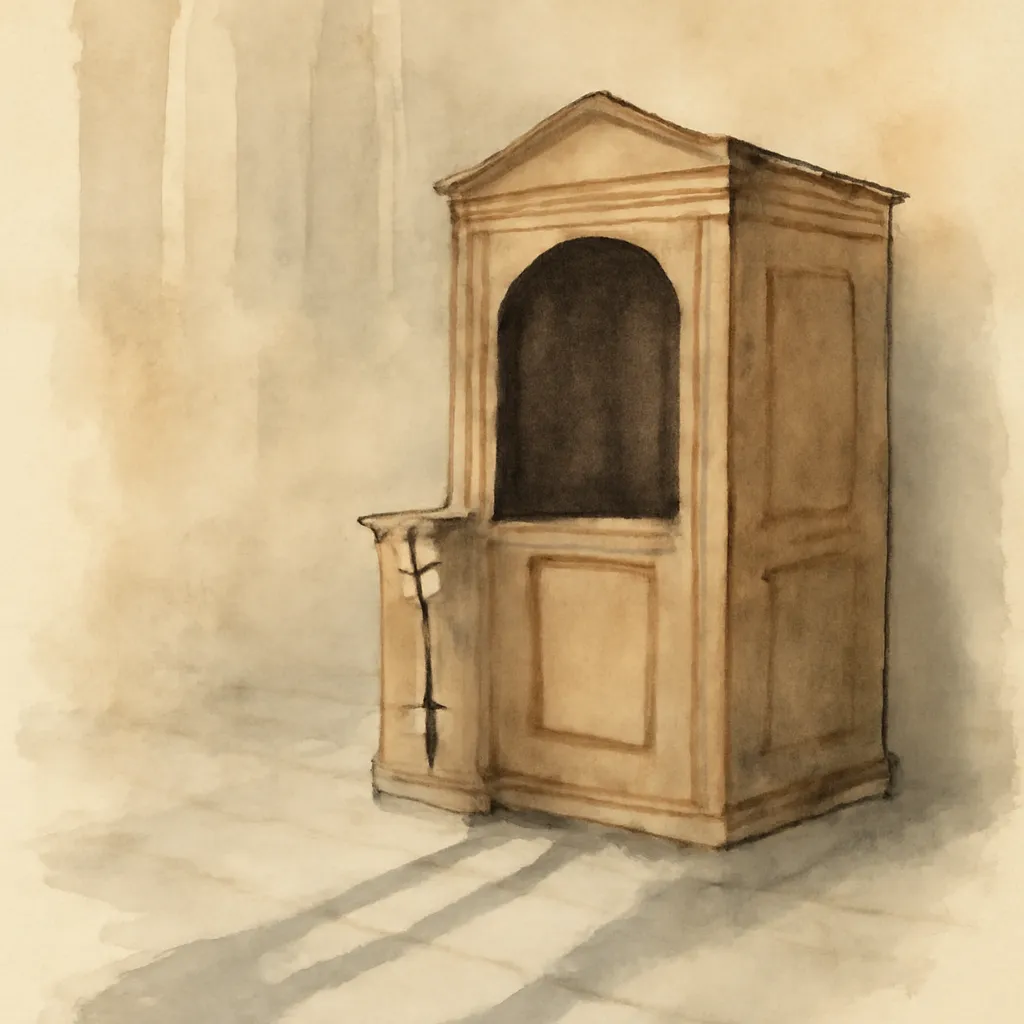
Religion plays a significant role in shaping the characters' lives and choices in 'Dubliners.' Joyce explores the impact of Catholicism on the moral and ethical dilemmas faced by his characters. In stories like 'The Sisters,' the influence of the Church is palpable, as the young boy grapples with the implications of Father Flynn’s death and the secrets surrounding his life. The Church's teachings often create a sense of guilt and fear, leading to the paralysis experienced by many characters. In 'A Little Cloud,' Little Chandler's ambivalence towards his own aspirations is compounded by the weight of religious expectations. Joyce critiques the institution of the Church for its role in perpetuating guilt and inhibiting personal growth, suggesting that the characters’ struggles are often intertwined with their spiritual conflicts.
5.The Complexity of Identity
Identity is a central theme in 'Dubliners,' as characters navigate their personal and social identities within the confines of Dublin society. Joyce's exploration of identity is multifaceted, revealing how external factors such as nationality, class, and gender influence self-perception. In 'The Dead,' Gabriel Conroy’s struggles with his Irish identity and his place within the cultural landscape highlight the complexities of belonging. His interactions with others at the party reveal his insecurities and the pressure to conform to societal expectations. Similarly, in 'Eveline,' the protagonist's internal battle between her family obligations and her desire for independence underscores the tension between personal identity and social roles. Joyce’s characters often grapple with conflicting identities, illustrating the fluidity and fragmentation of self in a rapidly changing society.
6.The Power of Memory and the Past
Memory serves as a powerful force in 'Dubliners,' shaping characters' identities and influencing their present actions. Joyce skillfully weaves memories into the narratives, revealing how the past continues to haunt and inform the characters' lives. In 'The Sisters,' the boy’s recollections of Father Flynn illustrate how memories can be both comforting and troubling. Similarly, in 'The Dead,' Gabriel’s reflections on his past and his late father’s influence reveal the weight of familial legacy and the impact of unresolved emotions. Joyce suggests that memories are not merely remnants of the past; they actively shape the characters' perceptions and decisions, often trapping them in cycles of regret and longing. The interplay between memory and identity underscores the complexity of human experience, as characters navigate their pasts in search of meaning.
7.The Significance of Place
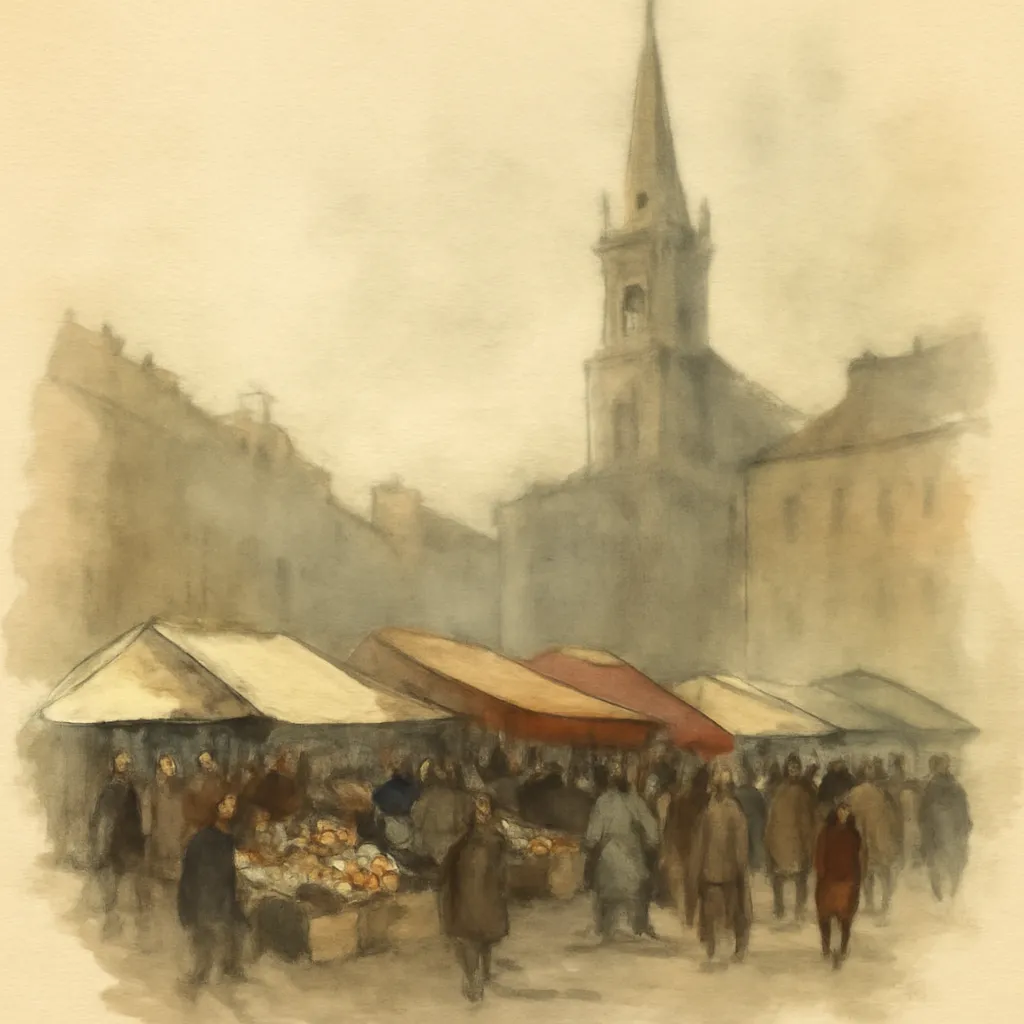
Dublin itself is a character in 'Dubliners,' with its streets, neighborhoods, and cultural landmarks deeply embedded in the narratives. Joyce’s vivid descriptions of the city create a rich backdrop that reflects the characters' internal struggles and societal constraints. The setting of Dublin serves as a microcosm of broader themes such as paralysis, identity, and community. In stories like 'Eveline' and 'Araby,' the physical spaces are imbued with emotional significance, shaping the characters' experiences and decisions. Joyce’s attention to detail in depicting the city’s geography highlights the inextricable link between place and identity, suggesting that the characters are not only shaped by their surroundings but also by the historical and cultural legacy of Dublin itself.
8.Social Class and Economic Struggles
Economic conditions and social class are pivotal elements in 'Dubliners,' influencing characters' aspirations and relationships. Joyce portrays the struggles of the working class, revealing the impact of poverty and economic hardship on individual lives. In 'A Little Cloud,' Little Chandler’s dreams of becoming a poet are stifled by his mundane job and financial limitations, highlighting the constraints of social mobility. Similarly, in 'The Boarding House,' Mrs. Mooney’s efforts to secure a better future for her daughter illustrate the lengths to which individuals will go to escape their economic circumstances. Joyce critiques the social structures that perpetuate inequality and hinder personal growth, suggesting that economic status is a significant barrier to self-actualization in Dublin society.
9.The Intersection of Art and Life
Art and its relationship to life is a recurring theme in 'Dubliners,' as Joyce explores the role of creativity in shaping identity and experience. Characters like Little Chandler aspire to artistic expression but find themselves trapped by the realities of their lives. In 'A Little Cloud,' Chandler's yearning for artistic fulfillment clashes with his responsibilities as a husband and father, illustrating the tension between aspiration and obligation. Joyce uses these characters to reflect on the broader question of what it means to live an authentic life. The struggle for artistic expression is often fraught with challenges, as societal expectations and personal limitations hinder the pursuit of creativity. Joyce emphasizes the importance of art as a means of self-discovery and liberation, while also acknowledging the difficulties inherent in this pursuit.