Fiction · Philosophy · Short Reads
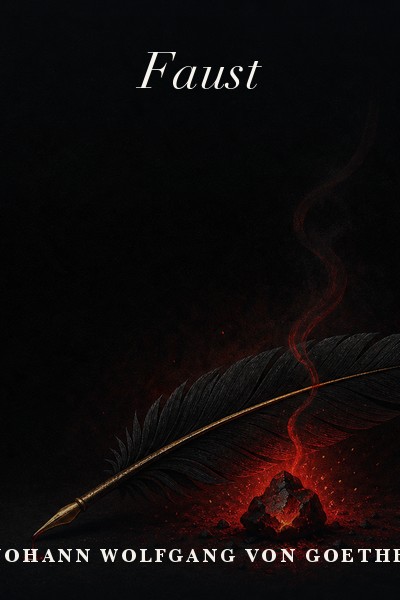
Faust by Johann Wolfgang von Goethe — Summary, Key Ideas & Full Text
125 pages25 chapters2h 30m read1h 47m speed read✦ 7-min Big ideas★ 4.0 (39)Free · no account
Rate it
In Goethe's 'Faust', the eternal struggle between desire and consequence unfolds as a scholar makes a pact with the devil in search of ultimate knowledge and experience
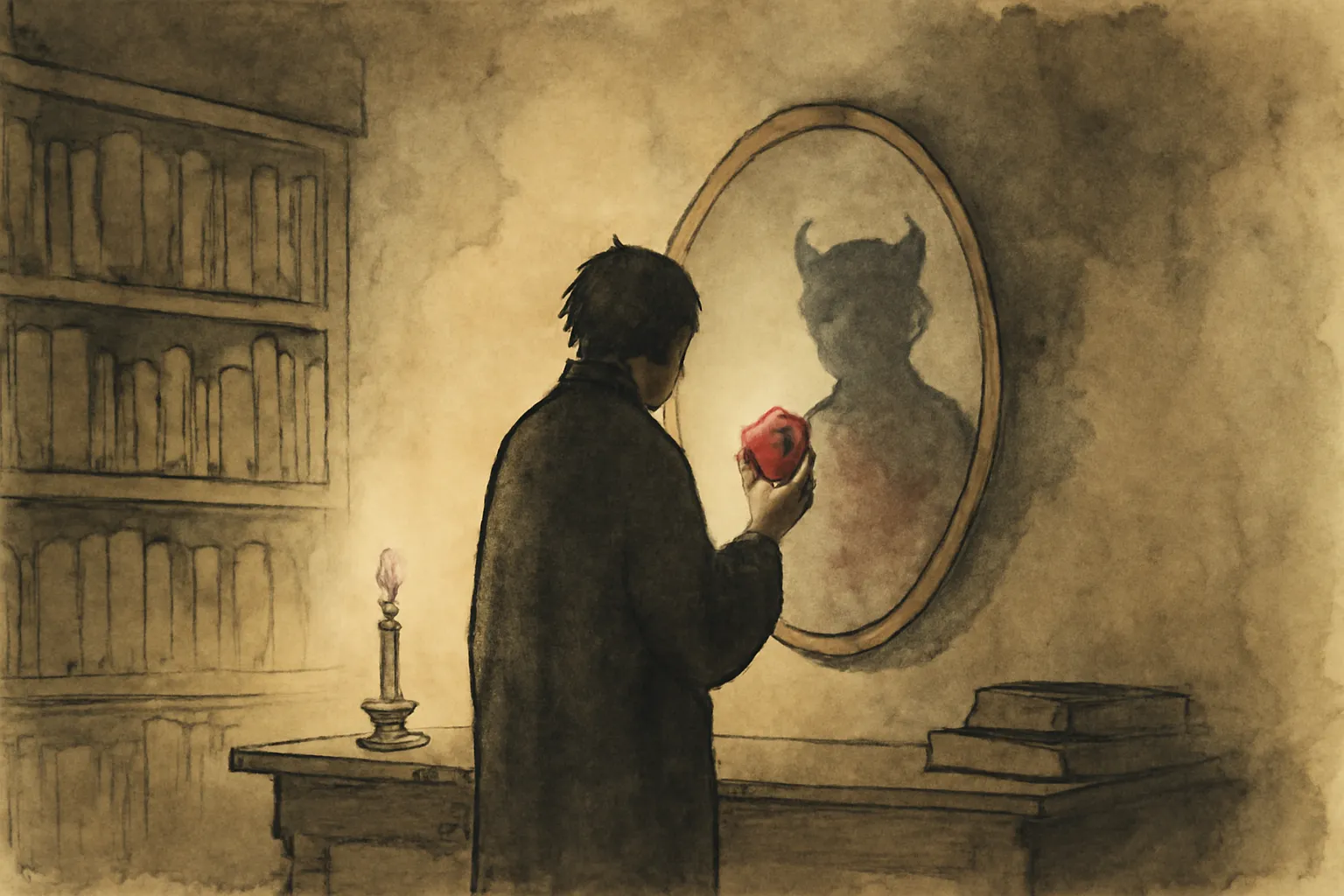
Goethe's 'Faust' is a profound exploration of human ambition, desire, and the moral dilemmas that accompany the quest for knowledge and fulfillment. It tells the story of Dr. Faust, a disillusioned scholar who, dissatisfied with the limits of human understanding, makes a pact with Mephistopheles, a devilish figure, in exchange for his soul. This timeless narrative delves into themes of love, redemption, and the consequences of our choices. Through Faust's journey, readers are invited to reflect on the nature of ambition, the pursuit of happiness, and the moral costs of our desires. As Faust navigates the complexities of life, love, and mortality, the tale remains a poignant reminder of the eternal struggle between good and evil within each of us.
Goethe's 'Faust' remains a timeless exploration of the human condition, grappling with existential questions that resonate across generations. Through the lens of Faust's ambition, love, and the quest for meaning, readers are invited to confront their own desires and the moral implications of their choices. The narrative serves as a reminder that the pursuit of knowledge and fulfillment is fraught with challenges and consequences, urging us to consider the ethical dimensions of our ambitions. As Faust's journey unfolds, it becomes clear that redemption is possible, suggesting that even in our darkest moments, the potential for transformation and self-discovery remains. Ultimately, 'Faust' challenges us to reflect on our own paths, the nature of our desires, and the enduring struggle between good and evil within us.
Johann Wolfgang von Goethe has 3 works free to read on Lumina, including Erotica Romana, The Sorrows of Young Werther
All 3 books by Johann Wolfgang von Goethe →