1.The Quest for Knowledge
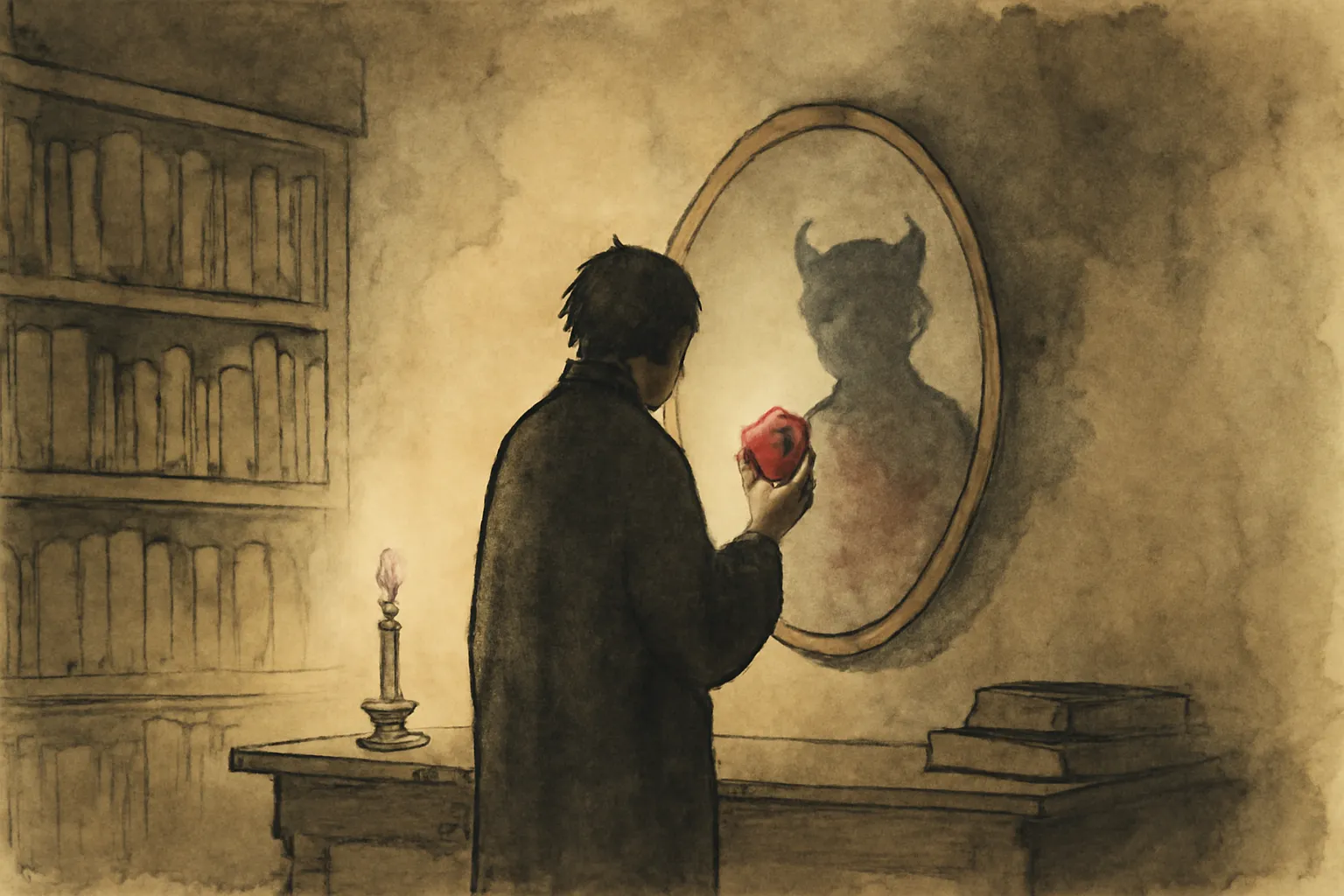
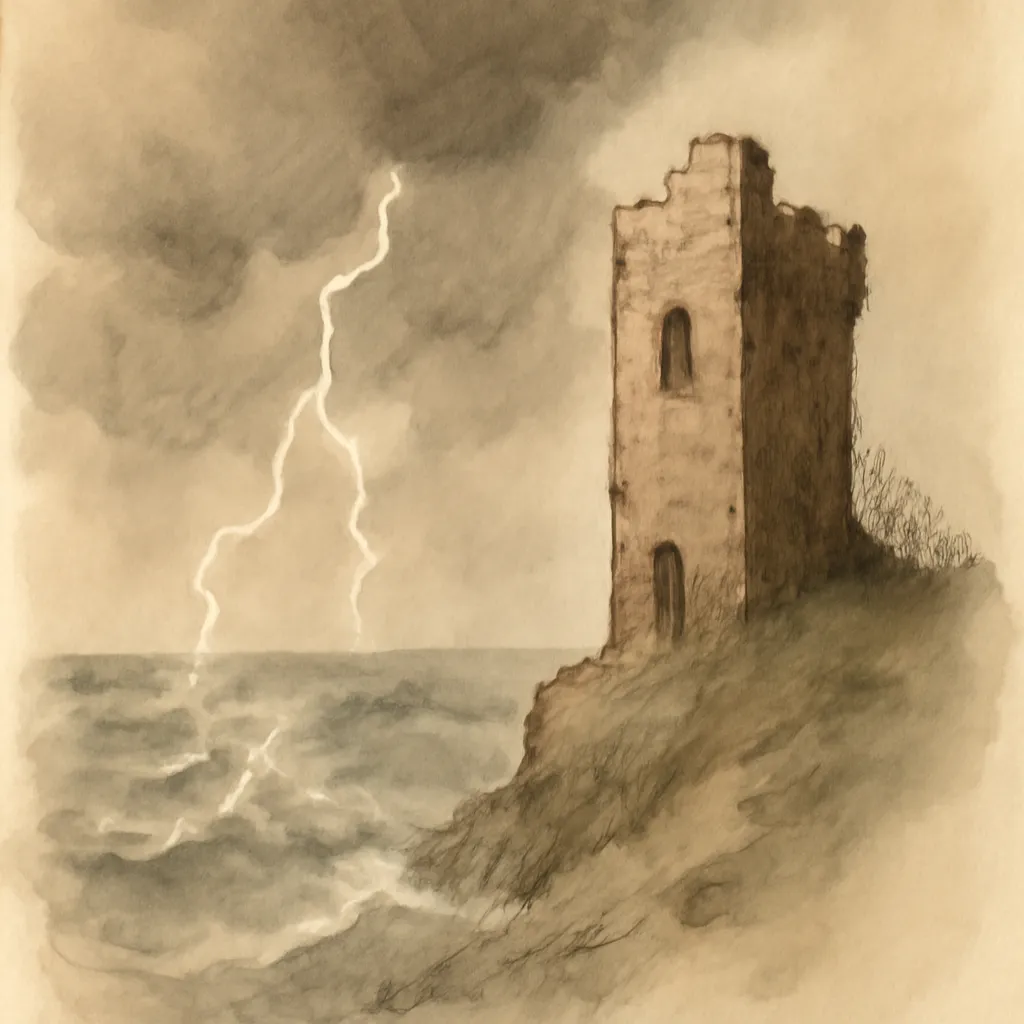
Dr. Faust embodies the archetype of the restless intellectual, yearning for deeper truths that lie beyond the confines of traditional education. He has mastered various fields—philosophy, law, medicine, and theology—but finds himself unsatisfied and yearning for more. This dissatisfaction leads him to magic and the supernatural, hoping to unlock the secrets of existence itself. Faust's initial disillusionment reflects a universal struggle faced by many intellectuals: the realization that knowledge alone does not equate to wisdom or fulfillment. His turn to magic symbolizes humanity's eternal quest for power and understanding, presenting a cautionary tale about the lengths one might go to seek enlightenment.
2.The Pact with Mephistopheles
Faust's decision to forge a pact with Mephistopheles marks a pivotal moment in his journey. In exchange for his soul, Faust seeks to experience the fullness of life, beyond mere scholarly pursuits. This bargain represents the quintessential Faustian bargain—a theme that has echoed through literature and culture ever since. It poses a critical question: what are we willing to sacrifice for knowledge and experience? Faust's choice reveals the seductive nature of power and the potential for self-destruction that accompanies it. The pact serves as a metaphor for the moral compromises individuals make in the pursuit of their desires, igniting discussions about ethics, ambition, and the nature of evil.
3.Love and Redemption
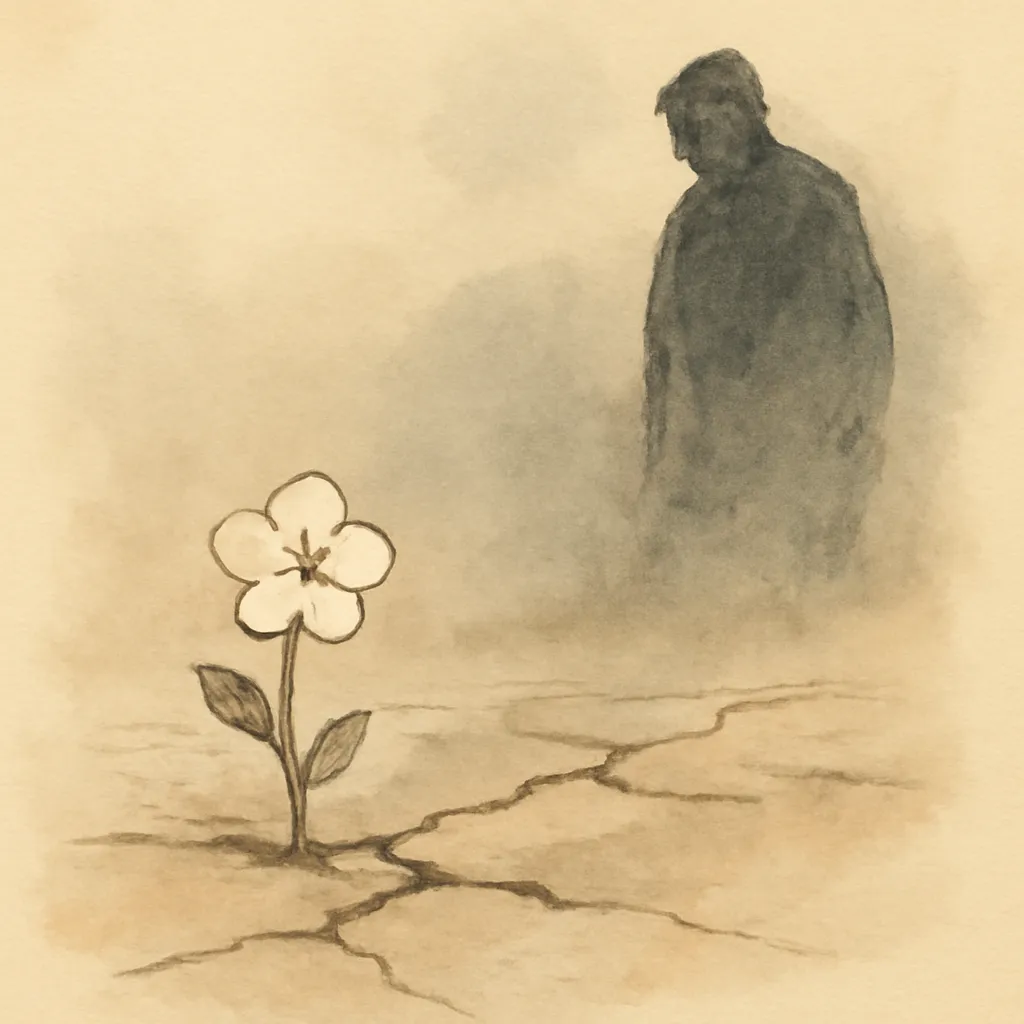
The character of Gretchen (Margaret) serves as a poignant contrast to Faust's ambitious pursuits. Their love story unfolds against the backdrop of Faust's pact, illustrating the complexities of desire and the consequences of one's actions. Gretchen, initially innocent and pure, becomes ensnared in Faust's world, leading to tragic outcomes. Her descent into despair and madness highlights the destructive power of unchecked ambition and the moral implications of Faust's choices. Through Gretchen, Goethe explores themes of redemption, guilt, and the possibility of salvation. Faust's relationship with her ultimately serves as a mirror, reflecting his inner turmoil and the consequences of his quest for meaning.
4.The Nature of Evil
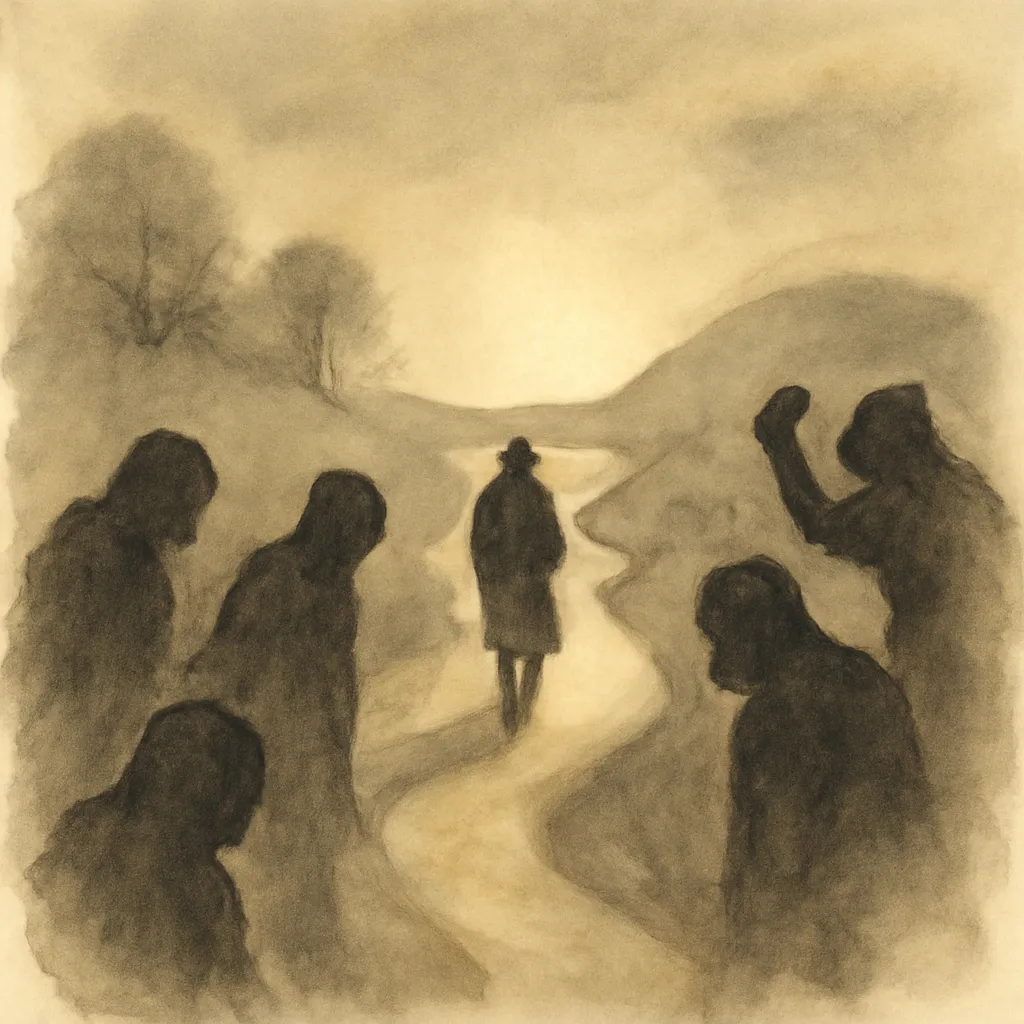
Mephistopheles, as the embodiment of evil, plays a critical role in Faust's journey. He is not merely a tempter but a complex character who challenges Faust's perceptions of good and evil. Through their interactions, Goethe invites readers to contemplate the nature of evil itself. Is Mephistopheles a force of chaos, or does he reveal the darker aspects of human nature? His clever manipulations and philosophical dialogues with Faust expose the thin line between ambition and moral corruption. This exploration of evil prompts readers to question their own values and the moral dilemmas they face in pursuit of their desires.
5.The Role of Destiny and Free Will
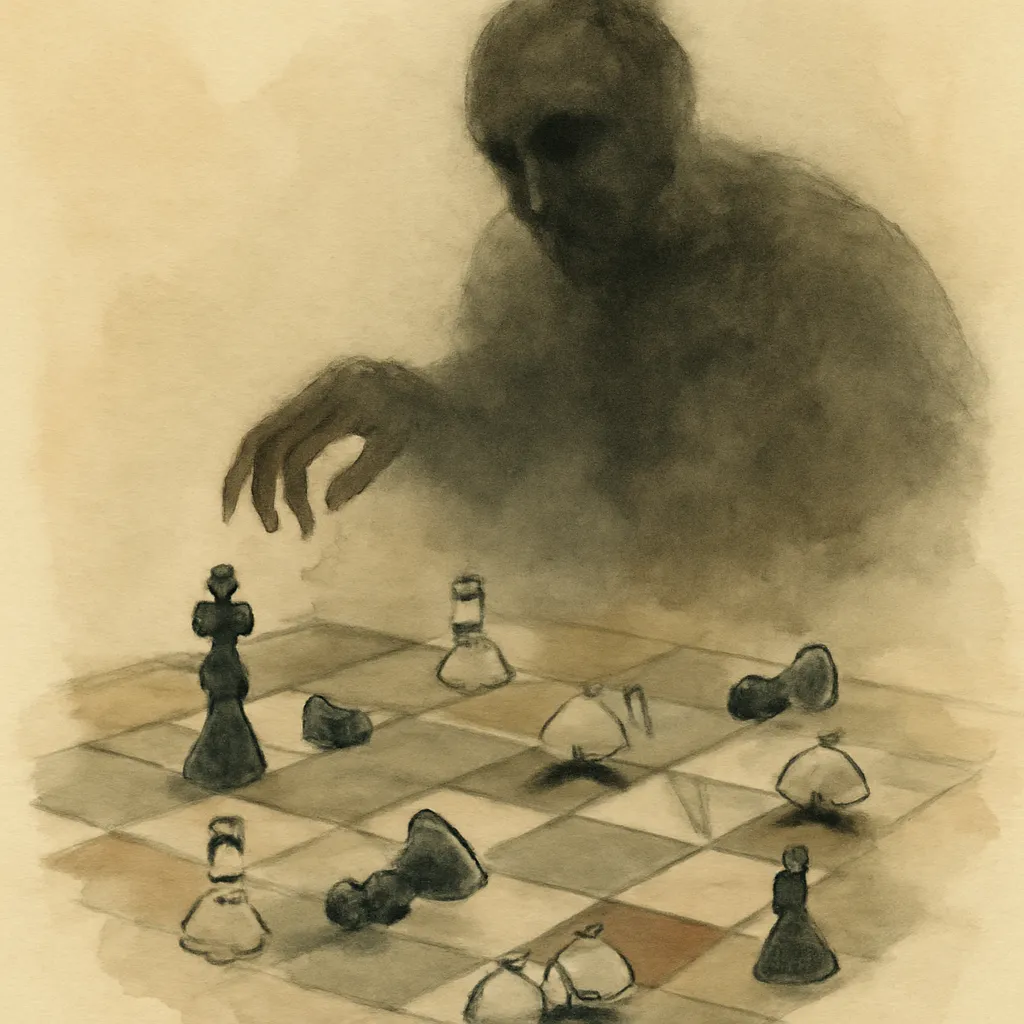
Throughout 'Faust', the tension between destiny and free will is a central theme. Faust's choices, while seemingly autonomous, are influenced by external forces and the very pact he has made. Goethe raises questions about the extent of human agency in shaping one's fate. Are Faust's misfortunes a result of his own decisions, or is he merely a pawn in a larger cosmic game? This interplay between free will and destiny invites readers to reflect on their own lives and the forces that guide their decisions. The narrative suggests that while we may strive for autonomy, we are often bound by the consequences of our choices.
6.The Search for Meaning
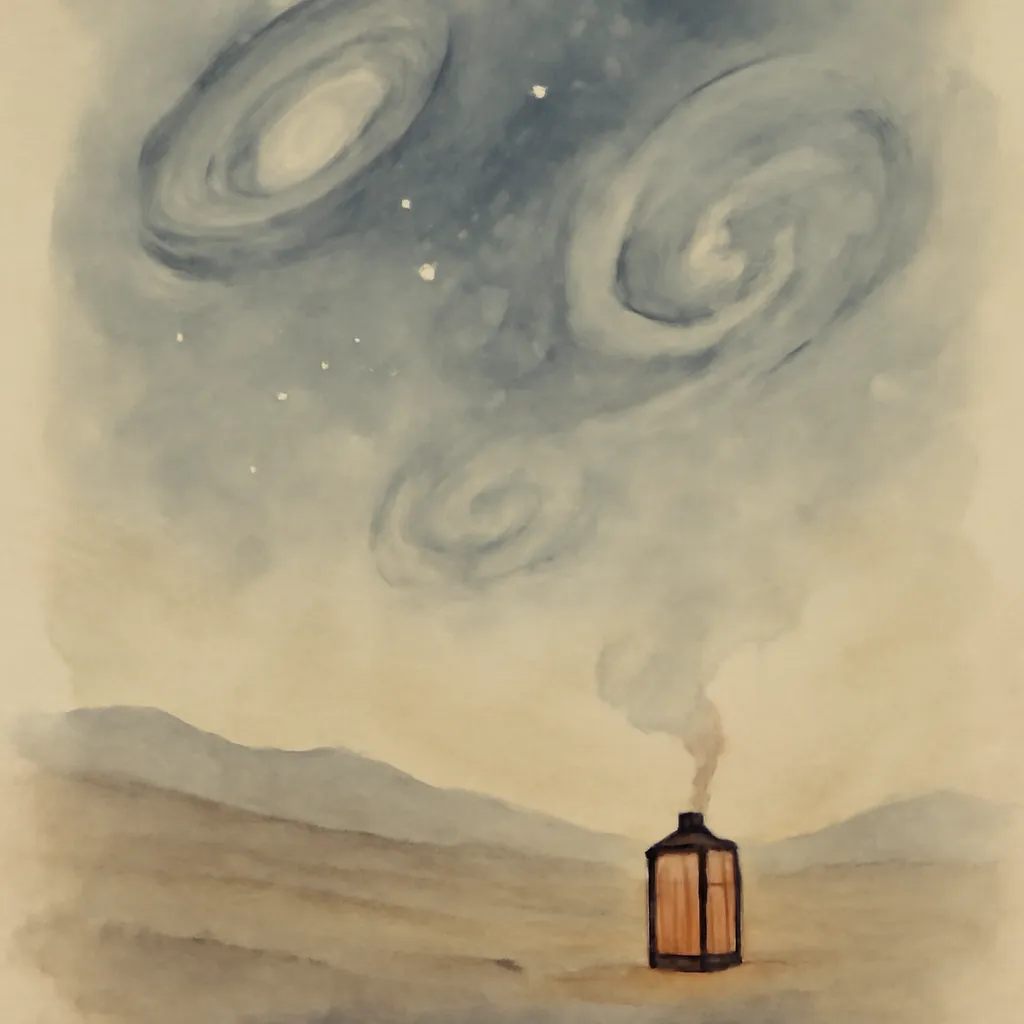
Faust's existential crisis drives the narrative, as he grapples with profound questions about the meaning of life and existence. His quest is not just for knowledge but for a deeper understanding of his purpose and place in the universe. This search resonates with readers as it reflects a universal human experience. As Faust navigates love, ambition, and despair, his journey becomes a metaphor for the human condition. Goethe prompts readers to consider their own quests for meaning and fulfillment, urging them to confront the complexities of life and the choices that shape their paths.
7.The Tragic Consequences of Ambition
The tragic trajectory of Faust's life serves as a cautionary tale about the perils of unchecked ambition. As he pursues his desires, he inadvertently causes suffering to those around him, particularly Gretchen. Her tragic fate underscores the collateral damage that can result from one person's insatiable quest for fulfillment. Goethe illustrates how ambition, when divorced from moral considerations, can lead to ruin and despair. This theme resonates in contemporary discussions about success and its costs, reminding readers of the ethical responsibilities that accompany ambition and the importance of empathy in our pursuits.
8.The Duality of Human Nature
Goethe explores the duality of human nature through the contrasting characters of Faust and Mephistopheles. Faust embodies the striving human spirit, torn between noble aspirations and base desires, while Mephistopheles represents the darker impulses that lurk within. This duality reflects the complexities of human identity, suggesting that individuals are capable of both great good and profound evil. The interactions between these two characters serve as a microcosm of the internal struggles faced by humanity. Goethe invites readers to confront their own dualities, recognizing that the battle between light and darkness exists within each of us.
9.The Symbolism of Nature
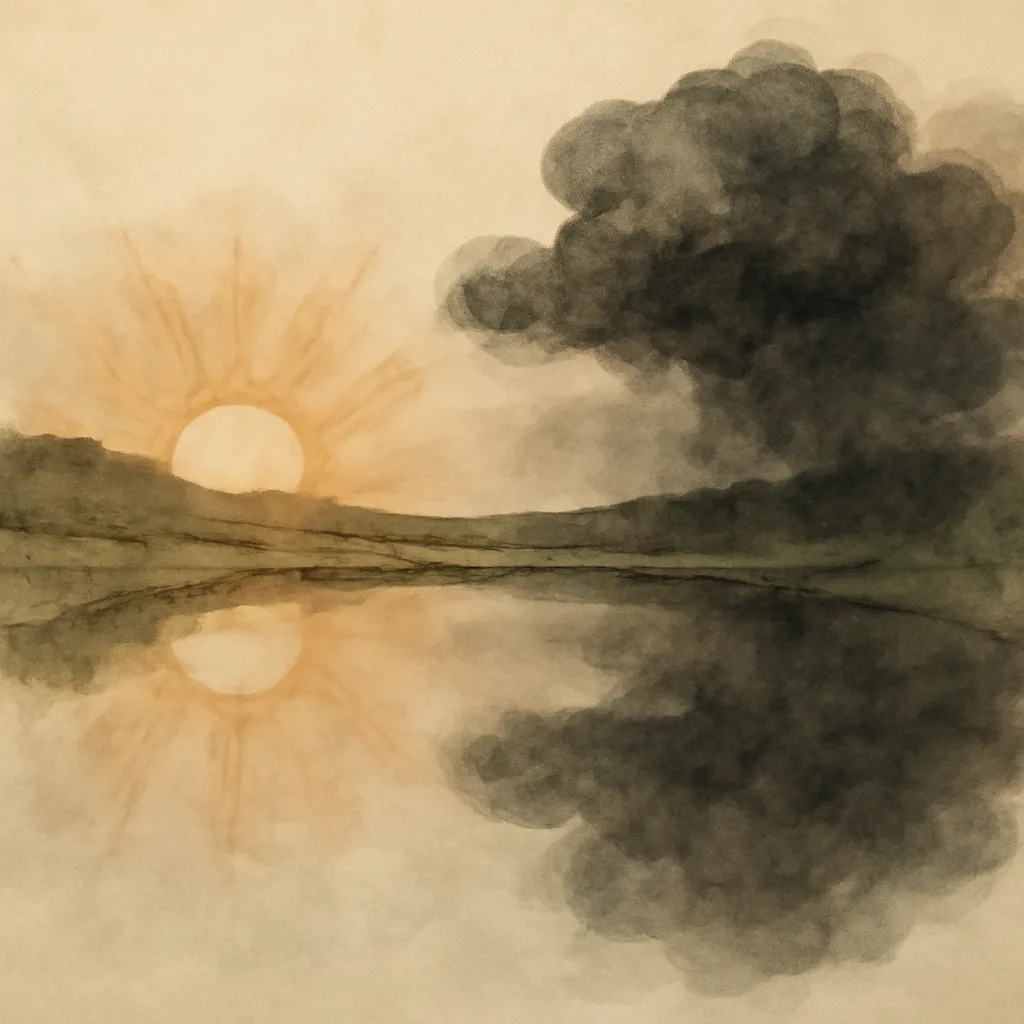
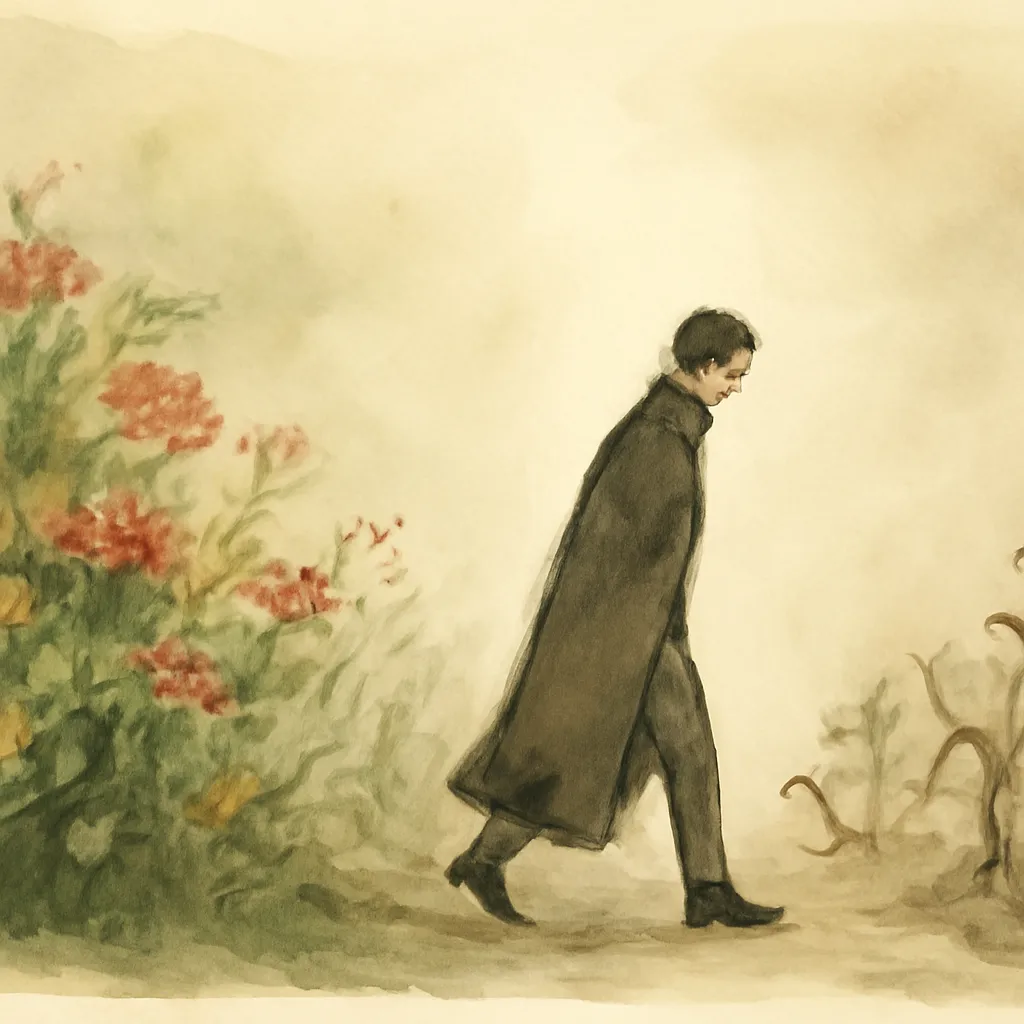
Nature plays a significant role in 'Faust', serving as both a backdrop and a character in its own right. The natural world reflects Faust's inner state, shifting from vibrant beauty to dark foreboding as his journey unfolds. Goethe uses nature to symbolize the interconnectedness of all life and the spiritual dimensions of existence. Moments of communion with nature provide Faust with glimpses of transcendence, contrasting sharply with the chaos and despair that follow his pact. This symbolism invites readers to consider their own relationships with nature and the spiritual insights it can offer. Goethe's portrayal of nature as a source of wisdom emphasizes the importance of harmony between humanity and the natural world.
10.The Journey Towards Redemption
In the latter part of 'Faust', the theme of redemption emerges as a central focus. Despite the darkness that pervades his choices, Faust's journey is ultimately one of seeking redemption and understanding. His relentless pursuit of meaning leads him through trials and tribulations, culminating in a profound transformation. Goethe suggests that redemption is possible, even for those who have strayed far from the path of virtue. This journey resonates with readers, offering hope and the possibility of reconciliation with one's past. The narrative ultimately affirms the power of love and self-awareness as pathways to redemption, emphasizing that the quest for meaning can lead to spiritual awakening.