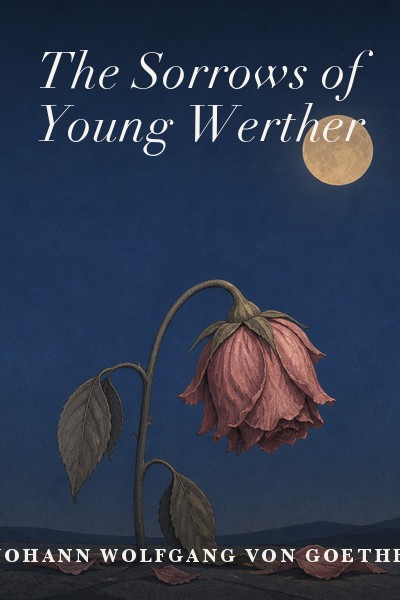

A young artist’s consuming, hopeless love told in letters — the novel that ignited Romanticism across Europe.
Read full overviewShow less›
The Sorrows of Young Werther, a seminal work by Johann Wolfgang von Goethe, immerses readers in the tumultuous emotional landscape of its protagonist, Werther, whose passionate yet unfulfilled love for Charlotte leads him down a path of despair. Through a series of letters, Werther articulates his innermost thoughts and feelings, providing a poignant exploration of love, longing, and the human condition. This novel not only captures the essence of romanticism but also serves as a reflection on the struggles of self-identity and societal expectations. Readers will find themselves deeply moved by Werther's heartfelt expressions and the tragic beauty of his existence, prompting reflections on the nature of love, happiness, and despair in their own lives.
The Sorrows of Young Werther remains a poignant exploration of the complexities of love, emotion, and the human experience. Through Werther's passionate yet tragic journey, readers are invited to reflect on their own feelings, relationships, and the societal constraints that shape their lives. The novel's rich emotional depth and exploration of unrequited love resonate across time, prompting timeless questions about happiness, despair, and the pursuit of meaning. Ultimately, Goethe's masterpiece serves as a reminder of the power of love to uplift and destroy, urging readers to embrace their emotions while navigating the delicate balance between passion and reason.
- 1The Power of Emotion
- 2Unrequited Love and Its Torments
- 3Nature as a Reflective Mirror
- 4The Burden of Sensitivity
- 5The Conflict Between Individual Desire and Social Norms
A glimpse inside

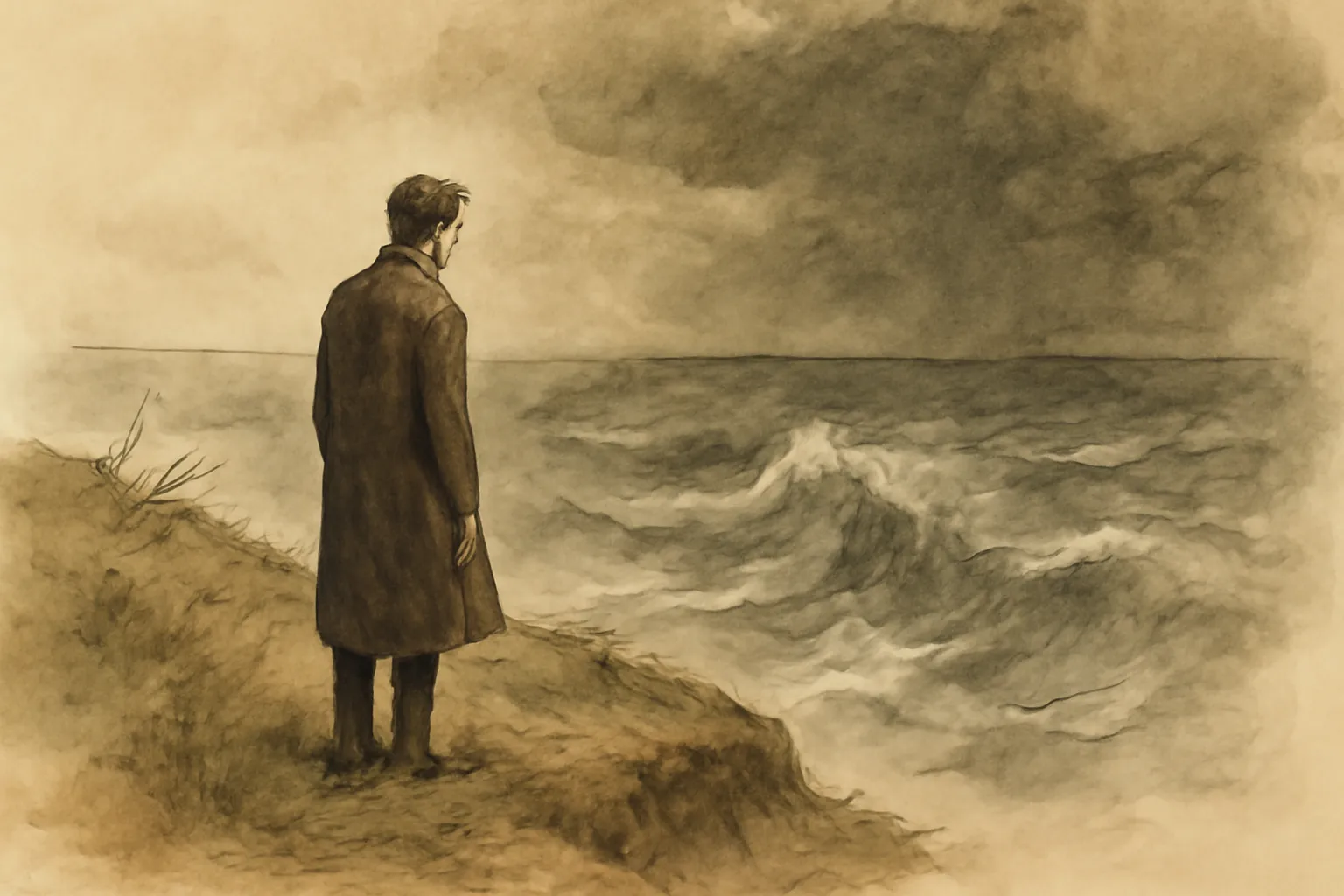
Werther's letters are a testament to the overwhelming power of emotions. From the very beginning, his feelings are intense and consuming, as he expresses both joy and sor… Read moreWerther's letters are a testament to the overwhelming power of emotions. From the very beginning, his feelings are intense and consuming, as he expresses both joy and sorrow with equal fervor. For instance, his love for Charlotte transforms his perception of the world, turning mundane experiences into profound encounters. He describes how the beauty of nature becomes intertwined with his feelings, making every sunrise and sunset a reflection of his inner turmoil. This deep emotional engagement highlights the significance of feeling in human experience; it shows how emotions shape our reality and our interactions with the world. Werther's passionate nature resonates with readers, reminding them that to feel deeply is to live fully, even if that intensity can lead to suffering. Show less
The central theme of unrequited love permeates Werther's narrative, illustrating the exquisite pain that accompanies such longing. Read moreThe central theme of unrequited love permeates Werther's narrative, illustrating the exquisite pain that accompanies such longing. Werther's infatuation with Charlotte is both beautiful and tragic; he is acutely aware of the barriers between them, including her engagement to Albert. This awareness amplifies his suffering, as he oscillates between hope and despair. His letters reveal the inner conflict of wanting to be close to Charlotte while grappling with the reality of her commitment to another man. For Werther, love becomes a source of both ecstasy and agony, leading him to question the nature of happiness and fulfillment. This exploration of unrequited love invites readers to reflect on their own experiences with longing and the emotional complexities that accompany such relationships. Show less
Read the full text — free
About the author
Johann Wolfgang von Goethe has 2 works free to read on Lumina, including Faust.
All 2 books by Johann Wolfgang von Goethe →Frequently asked
Worlds to get lost in
Take Lumina everywhere
Read offline, listen to AI summaries, speed-read, and sync your progress across devices — free on iPhone.
Download for iPhone