1.The Power of Emotion
Werther's letters are a testament to the overwhelming power of emotions. From the very beginning, his feelings are intense and consuming, as he expresses both joy and sorrow with equal fervor. For instance, his love for Charlotte transforms his perception of the world, turning mundane experiences into profound encounters. He describes how the beauty of nature becomes intertwined with his feelings, making every sunrise and sunset a reflection of his inner turmoil. This deep emotional engagement highlights the significance of feeling in human experience; it shows how emotions shape our reality and our interactions with the world. Werther's passionate nature resonates with readers, reminding them that to feel deeply is to live fully, even if that intensity can lead to suffering.
2.Unrequited Love and Its Torments
The central theme of unrequited love permeates Werther's narrative, illustrating the exquisite pain that accompanies such longing. Werther's infatuation with Charlotte is both beautiful and tragic; he is acutely aware of the barriers between them, including her engagement to Albert. This awareness amplifies his suffering, as he oscillates between hope and despair. His letters reveal the inner conflict of wanting to be close to Charlotte while grappling with the reality of her commitment to another man. For Werther, love becomes a source of both ecstasy and agony, leading him to question the nature of happiness and fulfillment. This exploration of unrequited love invites readers to reflect on their own experiences with longing and the emotional complexities that accompany such relationships.
3.Nature as a Reflective Mirror
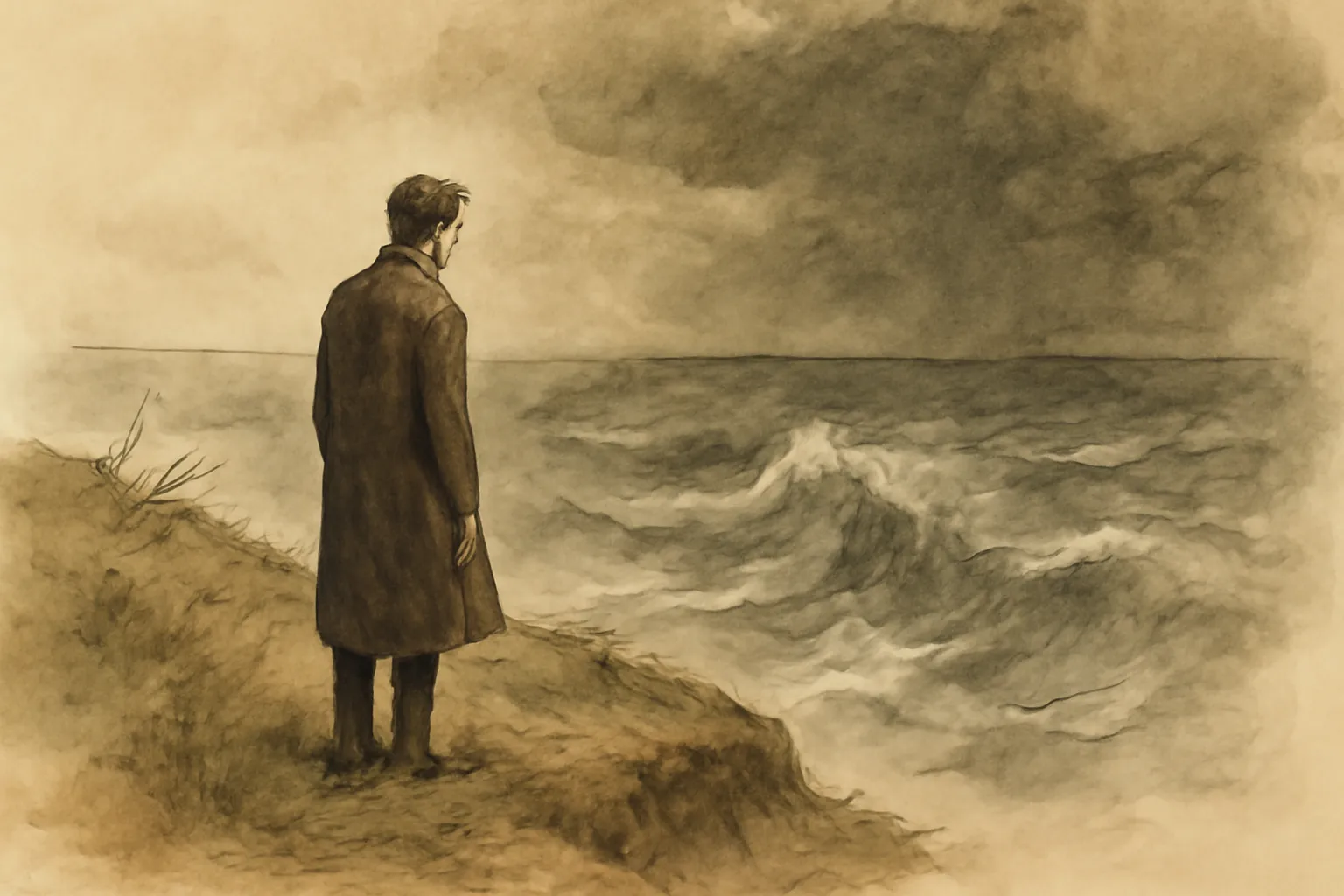
Nature plays a significant role in Werther's emotional journey, acting as both a backdrop and a mirror for his feelings. Goethe's vivid descriptions of landscapes and seasons reflect Werther's inner state, illustrating how the external world resonates with his internal struggles. For instance, when Werther experiences joy, the sun shines brightly, and flowers bloom around him; conversely, during moments of despair, the weather turns gloomy and oppressive. This connection between nature and emotion emphasizes the Romantic ideal that nature is a living entity that reflects human experiences. Werther's observations encourage readers to consider their own relationships with nature and how it can serve as a source of solace or torment, depending on one's emotional state.
4.The Burden of Sensitivity
Werther embodies the archetype of the sensitive soul, whose heightened perceptions and emotions become both a gift and a curse. His sensitivity allows him to experience beauty and love in profound ways, yet it also renders him vulnerable to pain and despair. Throughout the novel, Werther grapples with the consequences of his emotional depth, often feeling isolated and misunderstood by those around him. His conversations with characters like Albert reveal the tension between societal expectations and personal feelings, illustrating the struggle of a sensitive individual in a world that often values stoicism over vulnerability. This theme resonates with readers, prompting reflections on their own emotional experiences and societal pressures to conform to certain norms.
5.The Conflict Between Individual Desire and Social Norms
Werther's love for Charlotte is not only a personal longing but also a rebellion against societal norms and expectations. His relationship with Charlotte is complicated by her engagement to Albert, which represents the constraints of social duty and propriety. Werther's passionate pursuit of love challenges the conventions of his time, highlighting the tension between individual desires and societal obligations. This conflict is particularly evident in his interactions with Albert, who embodies rationality and societal expectations, contrasting sharply with Werther's emotional and impulsive nature. Readers are invited to reflect on the societal pressures that shape their own lives and the extent to which they are willing to challenge these norms in the pursuit of personal happiness.
6.The Role of Friendship and Companionship
Friendship is a crucial element in Werther's life, providing both solace and frustration. His relationship with Wilhelm, the recipient of his letters, serves as a sounding board for his thoughts and emotions, allowing him to articulate his struggles and joys. Wilhelm represents a more grounded perspective, often attempting to counsel Werther and encourage him to move on from his obsessive love for Charlotte. However, this friendship also highlights Werther's isolation, as his intense feelings often alienate him from those who care for him. The dynamic between Werther and Wilhelm underscores the importance of companionship in navigating life's challenges, while also illustrating how intense emotions can create barriers to connection. This theme resonates with readers, prompting them to consider the role of friendship in their own lives and the balance between emotional expression and social connection.
7.The Tragic Consequences of Passion
Werther's journey ultimately leads to tragedy, as his unbridled passion spirals into despair and desperation. As he becomes increasingly consumed by his feelings for Charlotte, he loses touch with reality and the possibility of a fulfilling life outside of his obsession. His decision to take his own life serves as a poignant commentary on the dangers of unchecked emotion and the societal failure to address mental health. This tragic conclusion raises critical questions about the nature of love, happiness, and the lengths to which individuals will go to escape suffering. Readers are left to grapple with the implications of Werther's fate, reflecting on the importance of emotional balance and the need for support in times of distress.
8.Art and Aesthetic Experience
Werther's reflections on art and beauty reveal the significance of aesthetic experience in shaping human emotion. Throughout the novel, he expresses admiration for various forms of art, from poetry to painting, which serve as outlets for his feelings and a means of understanding his emotional landscape. His appreciation for beauty is intertwined with his love for Charlotte, suggesting that artistic expression can amplify feelings of love and longing. This connection between art and emotion invites readers to explore their own relationships with creativity and how it can serve as a source of comfort or inspiration. Werther's musings on art highlight the transformative power of beauty in human experience, encouraging readers to seek out and engage with the artistic expressions that resonate with their own emotions.
9.The Search for Identity and Meaning
Werther's struggle with his identity is a central aspect of his character, as he grapples with feelings of alienation and purpose. His intense emotions often lead him to question his place in the world and the meaning of his existence. As he navigates his love for Charlotte and the societal expectations that constrain him, he embarks on a quest for self-discovery. This journey is marked by moments of clarity and confusion, reflecting the universal human experience of seeking meaning in life. Through Werther's introspection, readers are encouraged to consider their own identities and the factors that shape their understanding of self. This theme of identity resonates deeply, prompting reflections on the complexities of personal growth and the pursuit of fulfillment.
10.The Influence of Romanticism
The Sorrows of Young Werther is a quintessential work of Romantic literature, embodying the movement's core ideals. Romanticism emphasizes emotion, individualism, and the sublime beauty of nature, all of which are prevalent in Werther's narrative. The novel's focus on the inner workings of the human heart and the exploration of intense feelings aligns with Romantic ideals, showcasing the importance of personal experience and emotional depth. Werther's character serves as a prototype for the Romantic hero, embodying the struggles of the sensitive individual in a world that often dismisses emotional authenticity. This influence of Romanticism invites readers to explore the broader cultural and artistic movements of the time, encouraging a deeper understanding of the historical context that shaped Werther's story.