Fiction · Romance
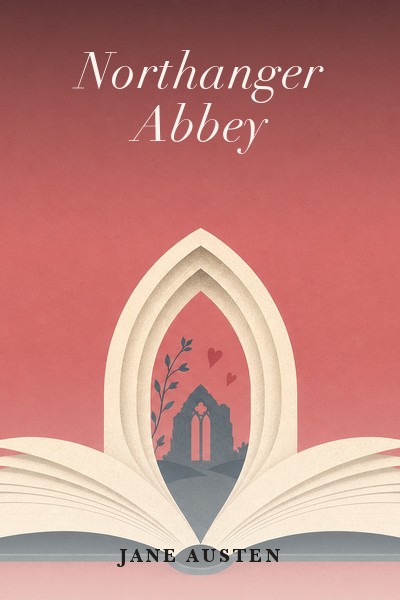
Northanger Abbey by Jane Austen — Summary, Key Ideas & Full Text
256 pages31 chapters5h 8m read3h 39m speed read✦ 8-min Big ideas★ 3.9 (46)Free · no account
Rate it
In 'Northanger Abbey,' Jane Austen expertly satirizes the conventions of gothic literature while exploring themes of imagination, friendship, and the quest for identity
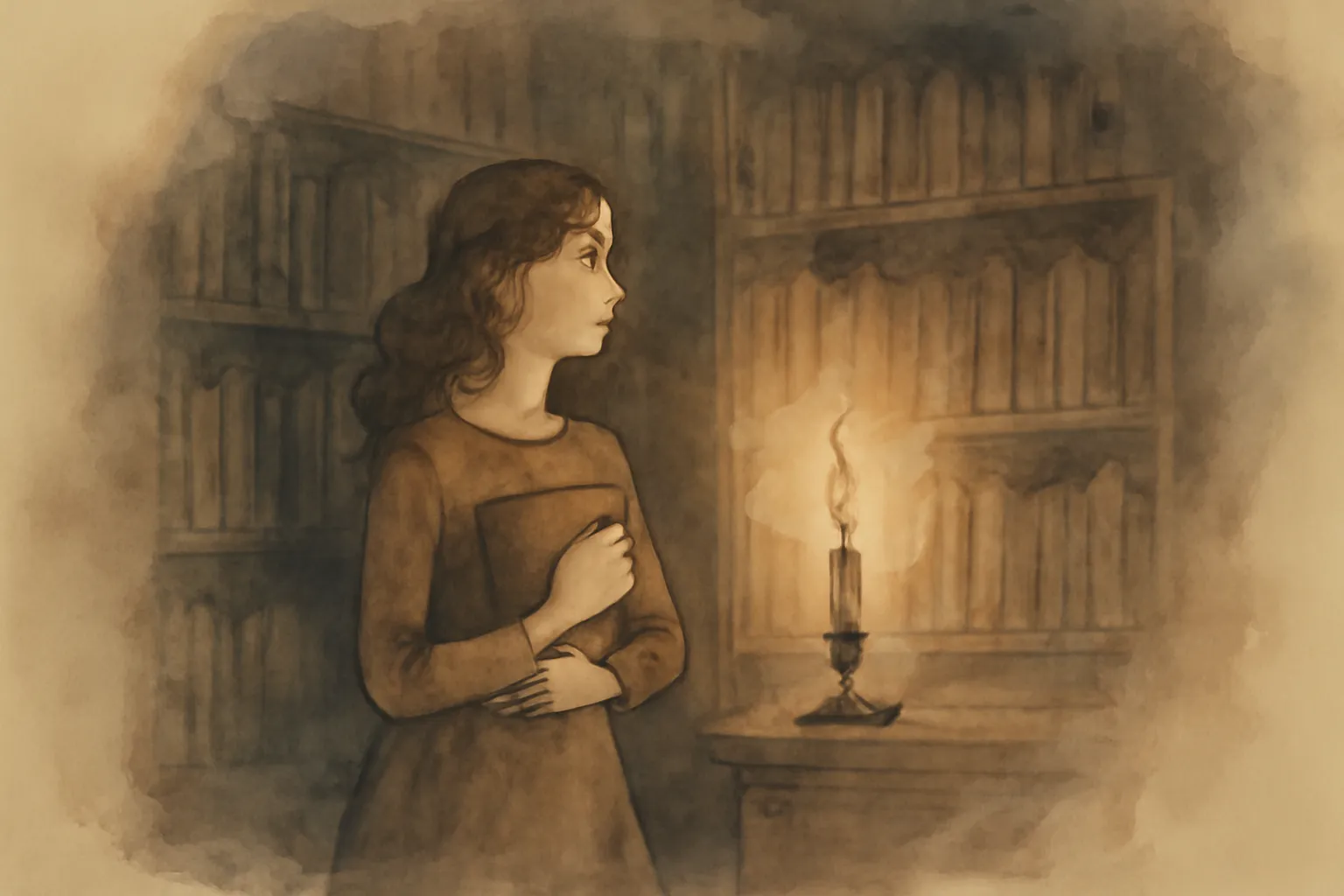
Set against the backdrop of early 19th-century England, 'Northanger Abbey' follows the naive and imaginative Catherine Morland as she navigates the complexities of youth, romance, and social expectation. Through her experiences in Bath and at the titular abbey, readers are treated to a witty critique of gothic novels, revealing how fiction shapes our perceptions of reality. Austen's sharp observations on society, friendship, and the folly of youthful fantasies resonate with both humor and insight, making this novel a timeless exploration of the human condition. As Catherine grapples with her own romantic illusions and the realities of life, readers are invited to reflect on the nature of love and the importance of self-awareness.
Jane Austen's 'Northanger Abbey' remains a compelling exploration of youth, imagination, and the quest for identity, all wrapped in a witty critique of the gothic novel genre. Through Catherine Morland's journey from innocence to self-awareness, readers are invited to reflect on the nature of friendship, love, and moral integrity in a society steeped in social expectations. The novel challenges us to navigate the complexities of life with both imagination and discernment, highlighting the importance of authenticity in our relationships. Ultimately, Austen's work encourages a balance between romantic ideals and the realities of human experience, making it a timeless reflection on the human condition.
Jane Austen has 9 works free to read on Lumina, including Emma, Love and Freindship [sic], Mansfield Park
All 9 books by Jane Austen →
![Love and Freindship [sic] cover](https://phjwossjnjjokynbvrst.supabase.co/storage/v1/object/public/books/covers/love-and-freindship-sic.jpg)