Fiction · Romance
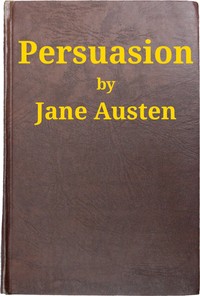
Persuasion by Jane Austen — Summary, Key Ideas & Full Text
276 pages24 chapters5h 33m read3h 56m speed read✦ 7-min Big ideas★ 4.2 (50)Free · no account
Rate it
In 'Persuasion', Jane Austen explores the complexities of love, regret, and the societal pressures that shape personal choices
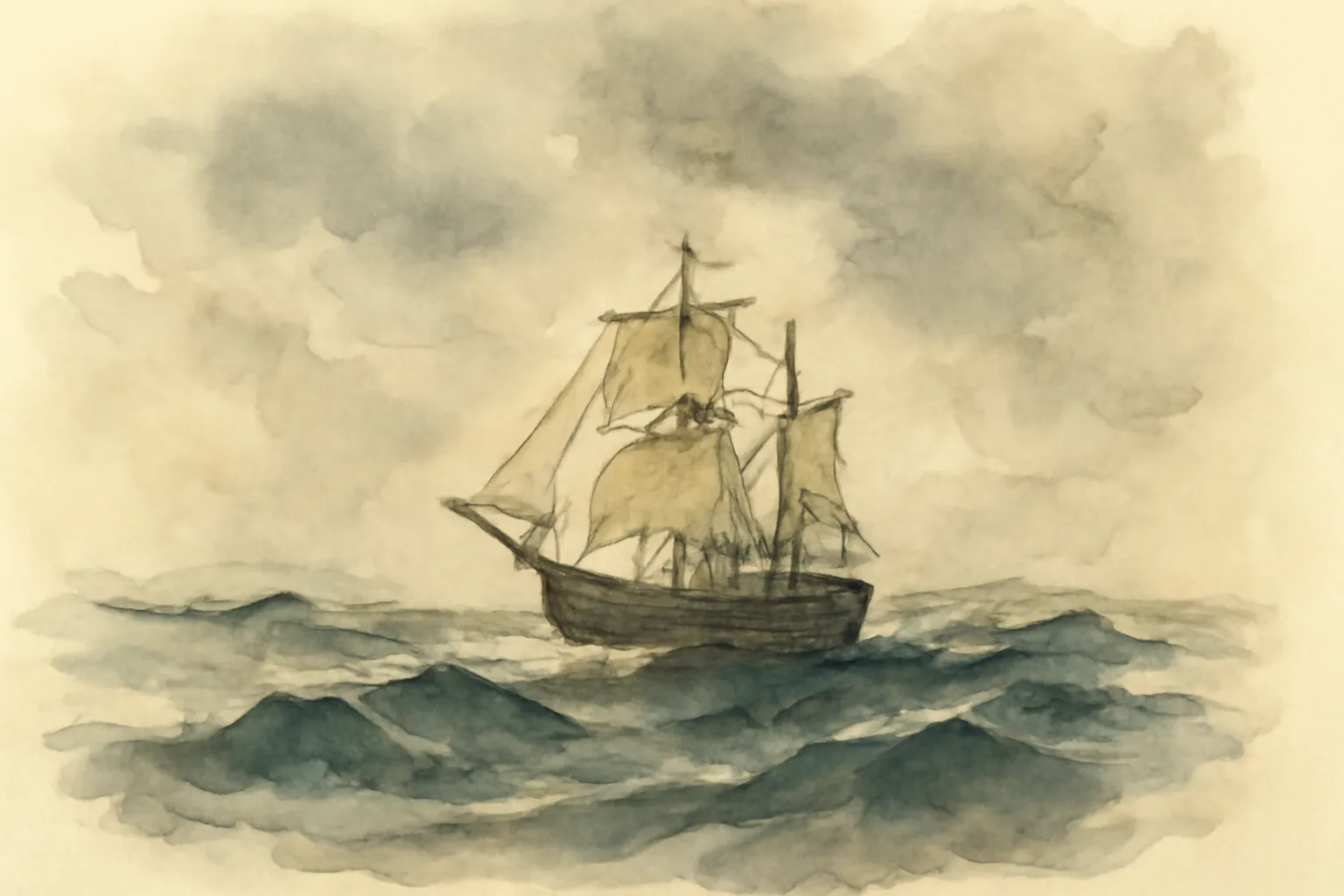
Set against the backdrop of early 19th-century England, 'Persuasion' tells the story of Anne Elliot, a woman whose past engagement to the ambitious Captain Frederick Wentworth was broken off due to external pressures and societal expectations. Years later, as circumstances bring them back into each other's lives, Anne grapples with her lingering feelings and the impact of her past decisions. This novel delves into themes of second chances, the weight of social class, and the transformative power of love. Readers will find a rich tapestry of character development, emotional depth, and social commentary, making it a poignant reflection on the nature of happiness and fulfillment in a world dictated by status and reputation.
In 'Persuasion', Jane Austen masterfully explores the intricate dynamics of love, regret, and societal expectations. Through the experiences of Anne Elliot and Captain Wentworth, readers are invited to reflect on the complexities of relationships and the impact of time on personal growth. The novel serves as a poignant reminder that true happiness often requires us to confront our past and reevaluate our choices. Austen’s keen observations on social class and the role of women in society resonate with contemporary readers, making 'Persuasion' a timeless exploration of the human condition. Ultimately, the story champions the idea that love, when pursued with honesty and courage, can triumph over societal constraints and lead to a fulfilling life.
Jane Austen has 9 works free to read on Lumina, including Emma, Love and Freindship [sic], Mansfield Park
All 9 books by Jane Austen →
![Love and Freindship [sic] cover](https://phjwossjnjjokynbvrst.supabase.co/storage/v1/object/public/books/covers/love-and-freindship-sic.jpg)