1.The Weight of Regret
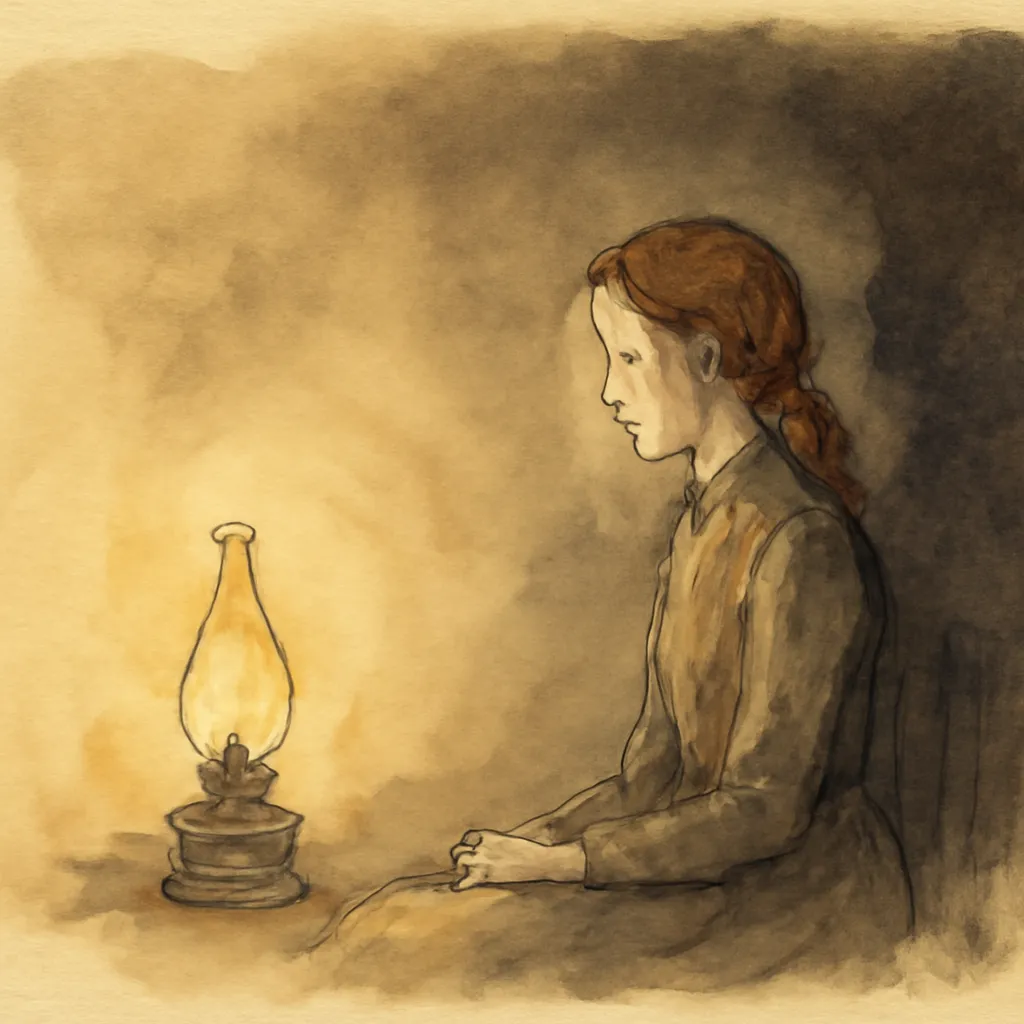
Anne Elliot's character encapsulates the theme of regret throughout 'Persuasion'. After breaking off her engagement with Captain Wentworth at a young age, Anne is haunted by the decision, which was influenced by her family’s disapproval and societal expectations. This regret shapes her actions and decisions as she navigates her life in the years that follow. Austen illustrates how Anne's introspection leads her to understand the importance of personal happiness over societal approval. Her journey is a powerful reminder that the choices we make can have lasting impacts, and that true fulfillment often requires us to confront our past decisions.
2.Social Class and Marriage
Austen intricately weaves the theme of social class into the narrative, particularly in the context of marriage. Sir Walter Elliot, Anne's father, embodies the vanity and superficiality of the aristocracy, valuing status over genuine character. His disdain for Captain Wentworth’s lack of wealth initially leads to the dissolution of Anne's engagement, highlighting the societal pressures that dictate romantic relationships. As the story unfolds, Austen critiques these social hierarchies, suggesting that true worth lies in character and integrity rather than in wealth or rank. This commentary serves as a backdrop for Anne and Wentworth's eventual reunion, emphasizing that love transcends social boundaries.
3.The Role of Female Influence
Lady Russell, a significant figure in Anne's life, represents the complexities of female influence and friendship. Although she deeply cares for Anne, her views are clouded by societal norms, leading her to discourage Anne's love for Wentworth. This dynamic showcases the tension between loyalty to friends and the pursuit of personal happiness. Lady Russell's intentions are rooted in protection, yet they ultimately contribute to Anne's heartache. Austen uses this relationship to explore how women's roles in society can both empower and constrain, shedding light on the difficult choices women face when balancing personal desires with societal expectations.
4.The Power of Second Chances
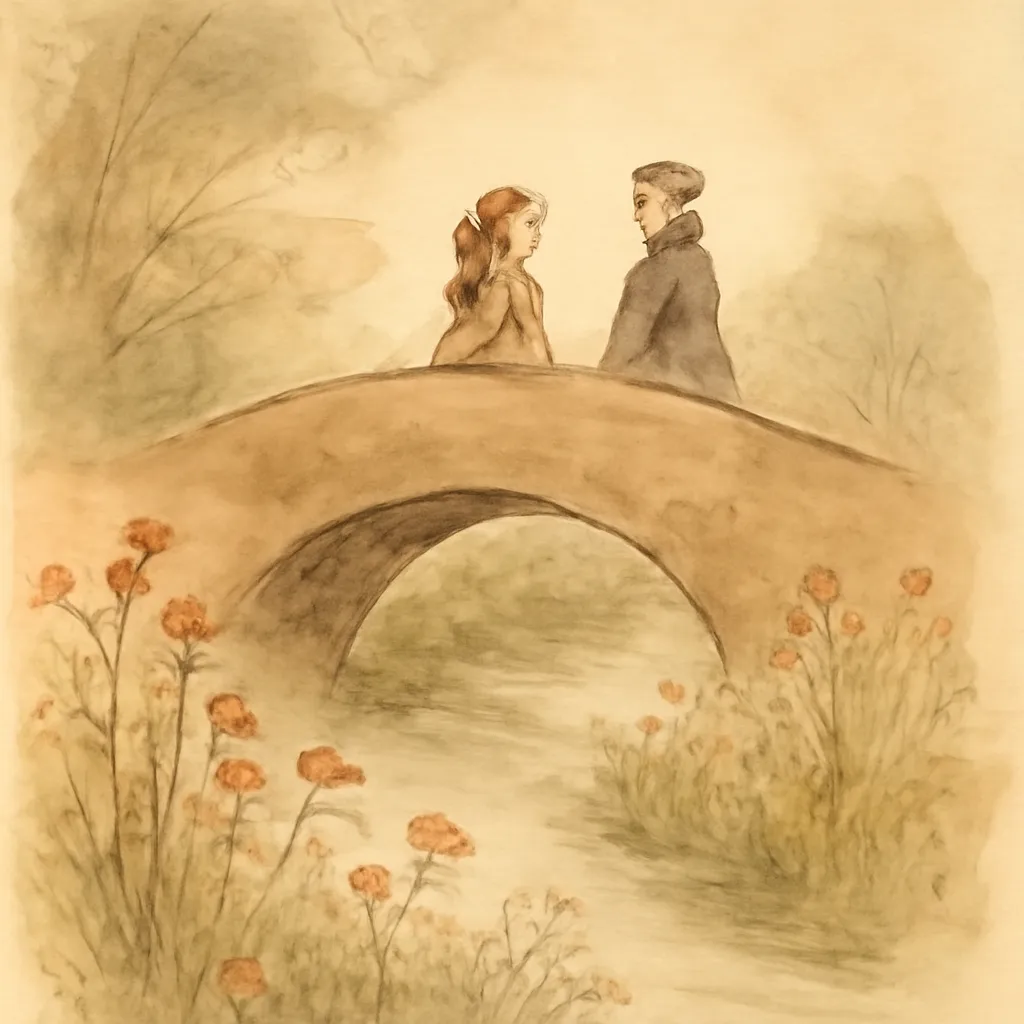
The theme of second chances is central to 'Persuasion'. When Anne and Wentworth are reunited years after their initial separation, both characters have evolved, shaped by their experiences and regrets. Their interactions are charged with unspoken emotions, and the tension between them reflects the complexities of rekindling a past love. Austen masterfully portrays how time can heal wounds and offer new perspectives, allowing for the possibility of reconciliation. This theme resonates with readers, suggesting that it is never too late to pursue happiness and that love can endure despite the passage of time and the trials of life.
5.The Influence of Time
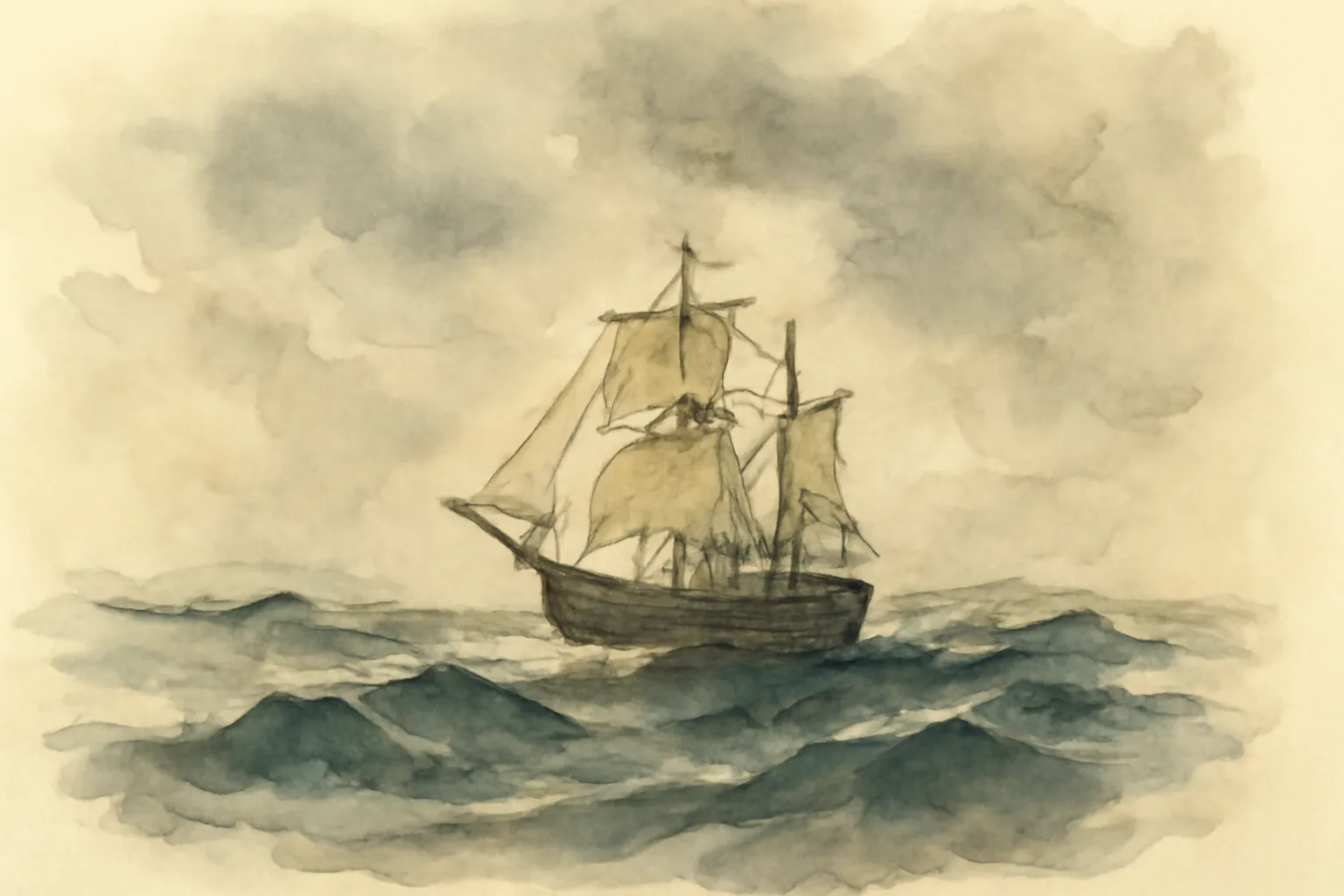
Time plays a critical role in 'Persuasion', affecting not only the characters’ lives but also their perspectives on love and relationships. Anne’s maturation over the years grants her a deeper understanding of her feelings and desires. The passage of time allows her to reflect on her past choices and the societal constraints that shaped them. Similarly, Wentworth’s experiences in the navy have transformed him, making him more self-assured and successful. Austen uses this motif to illustrate that personal growth often comes through adversity, and that time can offer clarity, enabling individuals to make more informed decisions about their futures.
6.The Complexity of Love
Austen's portrayal of love in 'Persuasion' is nuanced and multifaceted, showcasing various forms of affection and attachment. The love between Anne and Wentworth is characterized by depth and resilience, but it is juxtaposed with other relationships that reveal the superficiality of societal expectations. For instance, the courtship of Charles and Mary Musgrove illustrates a more transactional approach to marriage, where social standing and convenience take precedence over emotional connection. Through these contrasting relationships, Austen invites readers to consider what constitutes true love, suggesting that it is rooted in mutual respect, understanding, and shared values.
7.The Role of Communication
Communication, or the lack thereof, is a significant barrier in Anne and Wentworth's relationship. Misunderstandings and unexpressed feelings create tension and distance between the two, emphasizing the importance of open dialogue in relationships. Anne's quiet demeanor contrasts sharply with Wentworth's more assertive nature, leading to moments of miscommunication that heighten their emotional struggle. Austen highlights how societal norms often stifle genuine expression of feelings, particularly for women, who are expected to conform to certain behaviors. This theme underscores the necessity of vulnerability and honesty in building and maintaining meaningful connections.
8.The Impact of Environment
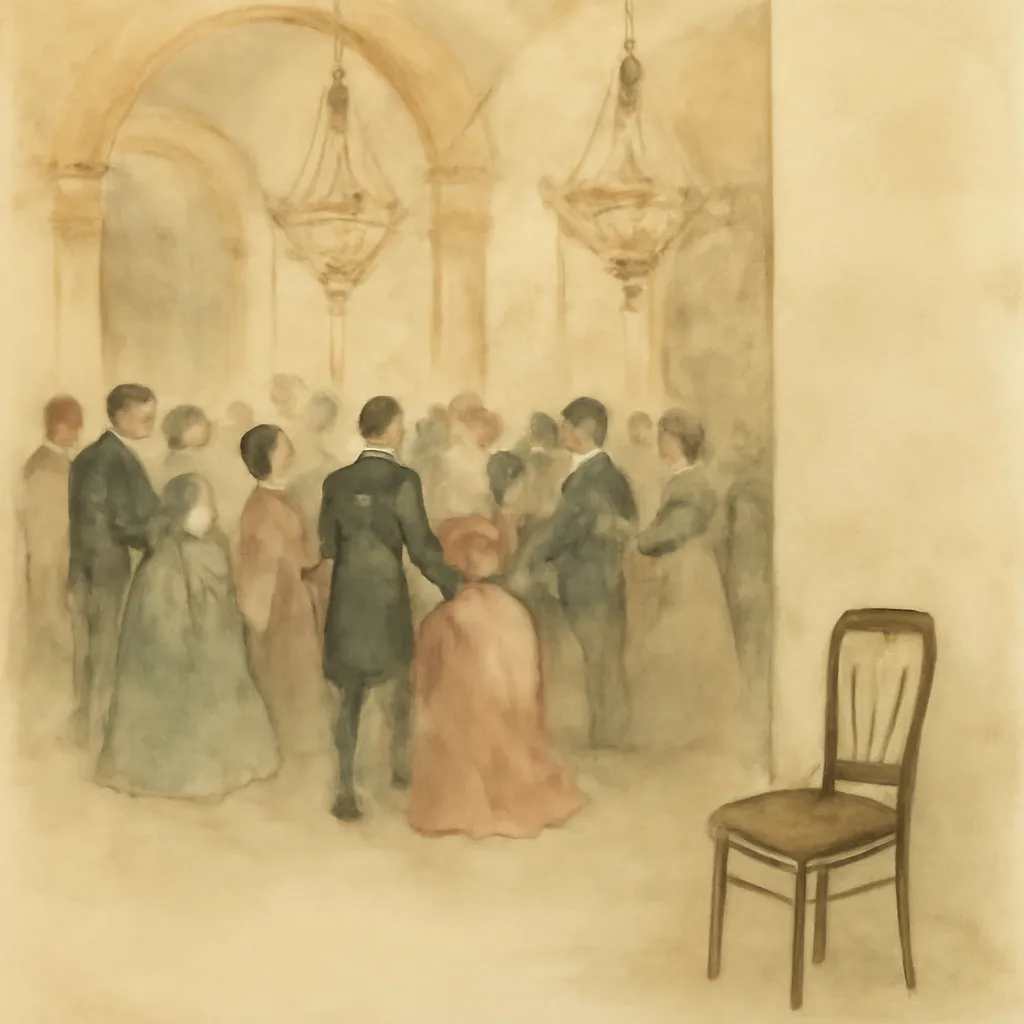
The settings in 'Persuasion' serve as more than mere backdrops; they reflect the characters' inner lives and the societal constraints they face. From the opulence of Bath to the rustic charm of Uppercross, each location embodies different aspects of social class and personal identity. Bath, as a center of social activity, represents both opportunity and constraint for Anne, where she is expected to navigate societal expectations while grappling with her inner turmoil. In contrast, Uppercross offers a respite, allowing her to reconnect with her true self and her past. Austen uses these environments to explore how space influences character dynamics and personal growth.
9.Friendship and Loyalty
Friendship emerges as a vital theme in 'Persuasion', particularly in the relationship between Anne and her loyal friend, Lady Russell. Their bond is tested by differing views on love and propriety, illustrating the challenges of maintaining friendships amidst personal conflict. Anne's loyalty to Lady Russell often conflicts with her own desires, showcasing the sacrifices individuals make for those they care about. Austen also presents other friendships in the novel, such as between Anne and the Musgrove sisters, which highlight the importance of camaraderie and support. These interactions emphasize that true friendship involves understanding, acceptance, and sometimes, difficult conversations about choices and consequences.
10.The Journey to Self-Discovery
Anne's journey throughout 'Persuasion' is one of self-discovery and empowerment. Initially portrayed as passive and uncertain, she gradually finds her voice and agency. Her experiences force her to confront her feelings and desires, leading to a greater understanding of her worth and the kind of love she deserves. This transformation is particularly evident in her interactions with Wentworth, where she learns to assert herself and express her emotions. Austen's depiction of Anne's growth resonates with readers, encouraging them to embrace their own journeys of self-discovery and to recognize the importance of pursuing genuine happiness.









![Love and Freindship [sic] by Jane Austen — book cover](https://phjwossjnjjokynbvrst.supabase.co/storage/v1/object/public/books/covers/love-and-freindship-sic.jpg)