1.Catherine Morland: An Unlikely Heroine
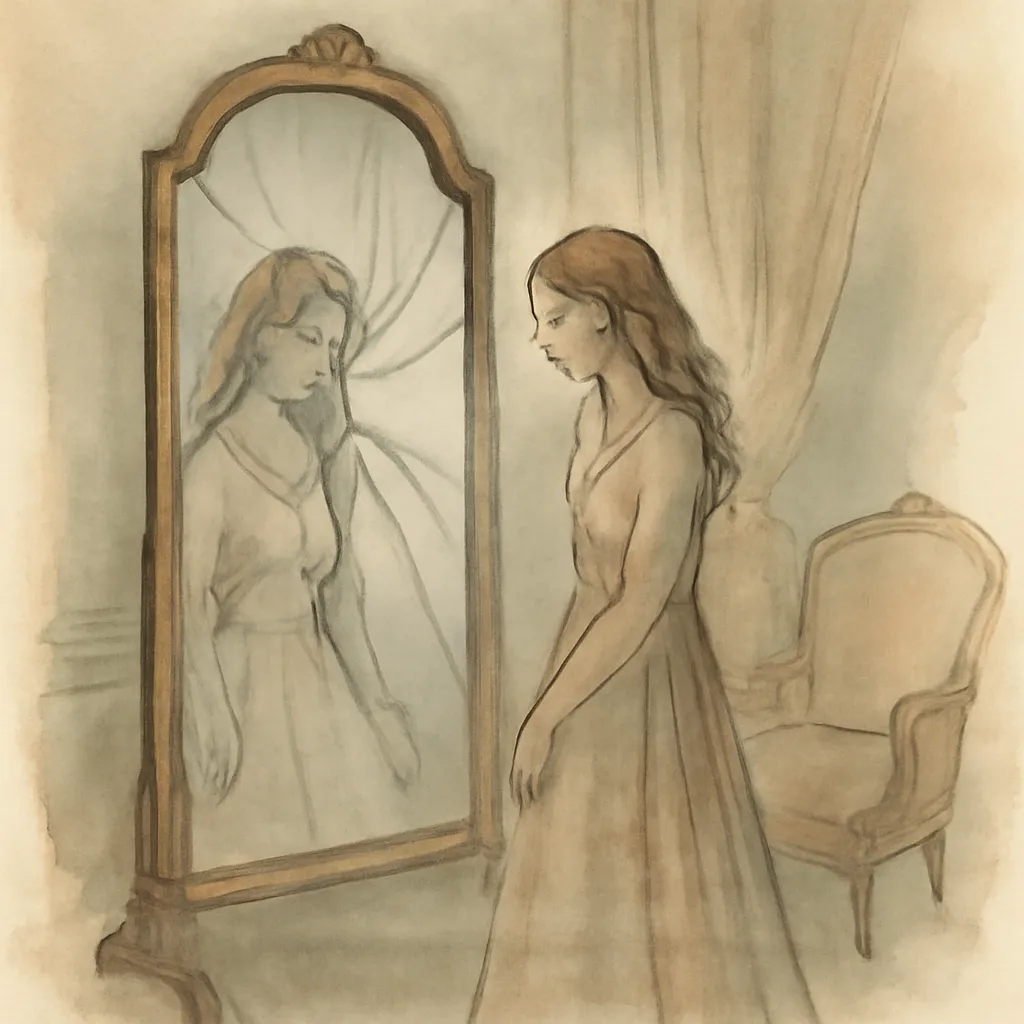
Catherine Morland, the protagonist, is described as an unremarkable girl, lacking the traditional attributes of a heroine. Born to a clergyman and raised in a large family, Catherine's plain appearance and childish interests set her apart from the typical romantic leads of her time. Her affinity for boys' games over feminine pursuits hints at her nonconformity, establishing her as a relatable and realistic character. As she embarks on her journey to Bath, readers witness her transformation from a simple girl into a young woman grappling with the complexities of love and society. This evolution underscores the theme that heroism can manifest in the most unexpected forms, challenging conventional notions of what it means to be a heroine.
2.The Satire of Gothic Fiction
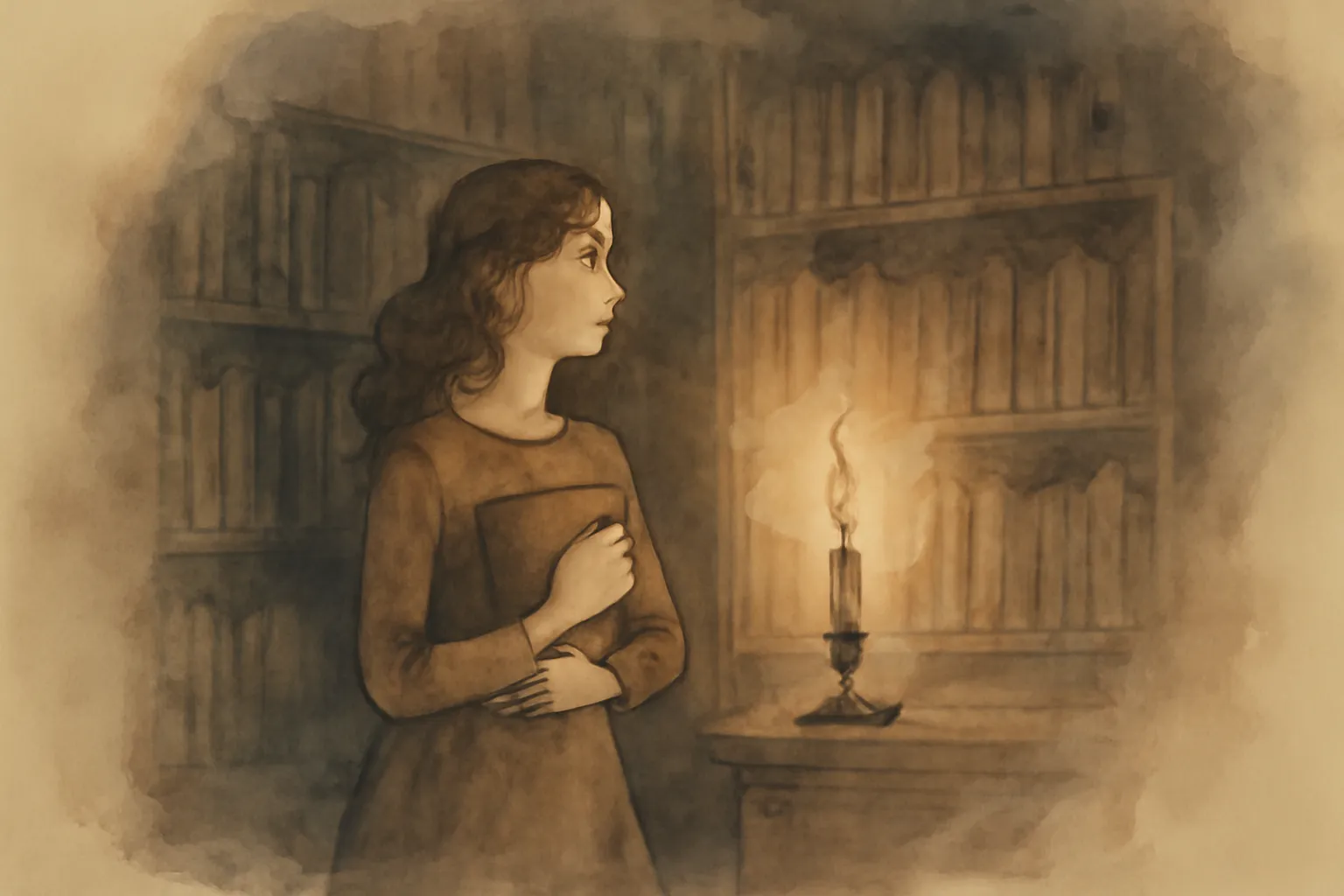
Austen masterfully satirizes the gothic novel genre, particularly through Catherine's obsession with Ann Radcliffe's 'The Mysteries of Udolpho.' Catherine's romanticized views of the world are heavily influenced by the gothic tropes she consumes, leading her to project these fantasies onto her own life. This critique becomes apparent when she arrives at Northanger Abbey, where her expectations clash with the mundane reality of the Tilney family home. Austen's playful commentary highlights the absurdity of conflating fiction with reality, suggesting that such fantasies can lead to misunderstandings and disappointments in real life. By juxtaposing Catherine's imaginative musings with the actual experiences she encounters, Austen invites readers to question the impact of literature on their perceptions and choices.
3.The Importance of Friendship
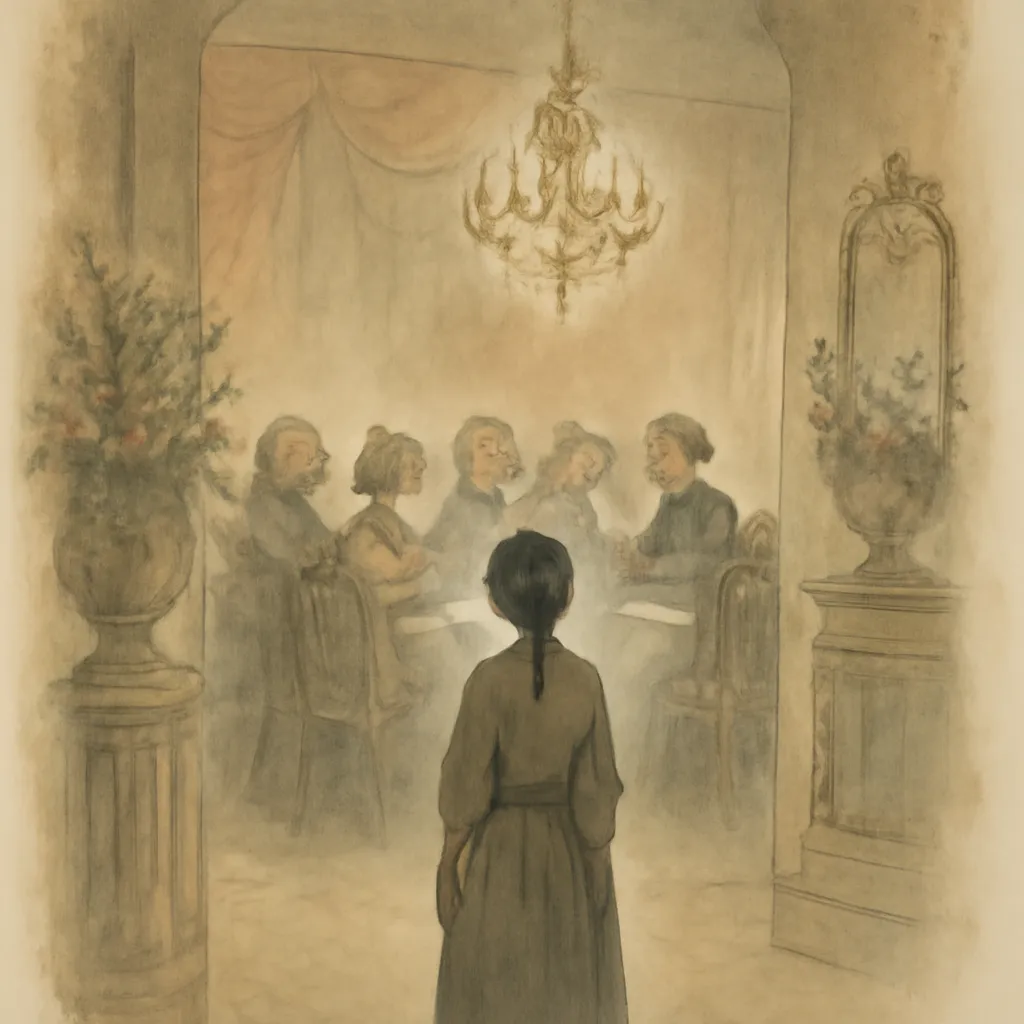
Friendship plays a crucial role in 'Northanger Abbey,' particularly through Catherine's relationship with Isabella Thorpe. Their bond initially appears genuine, filled with affection and shared interests, yet it quickly reveals itself as superficial and self-serving. Isabella's manipulative nature becomes evident as she seeks to advance her own romantic interests at the expense of Catherine's feelings. This dynamic illustrates the complexities of female friendships and the societal pressures that can distort genuine connections. In contrast, Catherine's friendship with Eleanor Tilney embodies a more authentic and supportive relationship, emphasizing the value of mutual respect and understanding. Through these contrasting friendships, Austen explores the theme of loyalty and the importance of surrounding oneself with true friends.
4.Romantic Idealism vs. Reality
Catherine's journey reflects the tension between romantic idealism and the stark realities of life. Her fantasies about love and adventure are challenged by her experiences in Bath and at Northanger Abbey, where she confronts the imperfections of human relationships. The character of Henry Tilney serves as both a romantic interest and a grounding force for Catherine, helping her navigate her misconceptions. His candidness and wit contrast sharply with the melodrama of Catherine's expectations, illustrating the pitfalls of romantic naivete. Ultimately, Austen suggests that true love requires a balance between idealism and realism, urging readers to approach relationships with both passion and discernment.
5.The Role of Social Class
Austen deftly examines the role of social class and its impact on relationships and personal identity within 'Northanger Abbey.' The contrast between the affluent Tilney family and the less privileged Morlands highlights the rigid class structures of the time. Catherine's initial naivete about social status is challenged as she navigates her interactions with the Tilneys and the Thorpes, who embody different aspects of social hierarchy. The character of John Thorpe, with his boastful demeanor and lack of genuine charm, serves as a foil to the more refined Tilneys, illustrating the superficiality often associated with wealth. Through these interactions, Austen critiques the importance placed on social standing, suggesting that true worth lies beyond material wealth and societal expectations.
6.Self-Discovery and Personal Growth
Catherine's experiences in Bath and Northanger Abbey catalyze her journey of self-discovery and personal growth. Initially, she is characterized by her innocence and naivete, but as she encounters various social dynamics and romantic entanglements, she begins to question her own beliefs and desires. The turning point occurs when she confronts her own misconceptions about the Tilneys and the nature of love, leading to a newfound sense of maturity. Austen portrays this evolution as a necessary process for young women in a society that often restricts their agency and self-expression. By the end of the novel, Catherine emerges as a more self-aware individual, equipped to navigate the complexities of life and love with greater clarity and confidence.
7.Austen's Critique of Marriage
Marriage serves as a central theme in 'Northanger Abbey,' with Austen offering a nuanced critique of the institution. Through various couples, such as the Tilneys and the Thorpes, she explores the motivations behind marriage, ranging from genuine affection to social ambition. Catherine's evolving understanding of love and partnership reflects the societal pressures placed on women to secure advantageous marriages. The contrast between the loving relationship of Henry and Eleanor Tilney and the transactional nature of John Thorpe's courtship of Catherine underscores the importance of mutual respect and understanding in a successful marriage. Austen ultimately advocates for a vision of love that transcends mere social convenience, emphasizing the value of emotional connection and compatibility.
8.Moral Lessons and Ethical Development
Throughout 'Northanger Abbey,' Austen weaves moral lessons into the narrative, particularly regarding the importance of integrity and ethical behavior. Catherine's youthful indiscretions, such as her initial gullibility and romantic fantasies, serve as a vehicle for her moral development. As she encounters various characters and situations, she learns to discern between sincerity and deception, ultimately becoming more attuned to the ethical implications of her choices. The contrast between characters like Isabella Thorpe, who embodies self-interest, and Henry Tilney, who represents honesty and kindness, reinforces the idea that moral character is a defining aspect of one's identity. Austen's exploration of these themes encourages readers to reflect on their own values and the ethical dimensions of their relationships.
9.The Role of Imagination in Life
Imagination plays a pivotal role in 'Northanger Abbey,' influencing characters' perceptions and actions throughout the story. Catherine's vivid imagination, fueled by her reading habits, leads her to construct elaborate fantasies about love, adventure, and danger. This imaginative lens colors her experiences, often causing her to misinterpret reality. Austen uses Catherine's imaginative tendencies to illustrate the power of fiction in shaping our understanding of the world, highlighting both its potential for enrichment and its capacity for distortion. Ultimately, the novel suggests that while imagination can inspire creativity and passion, it must be tempered with reason and self-awareness to navigate the complexities of life successfully.
10.The Significance of Setting: Bath and Northanger Abbey
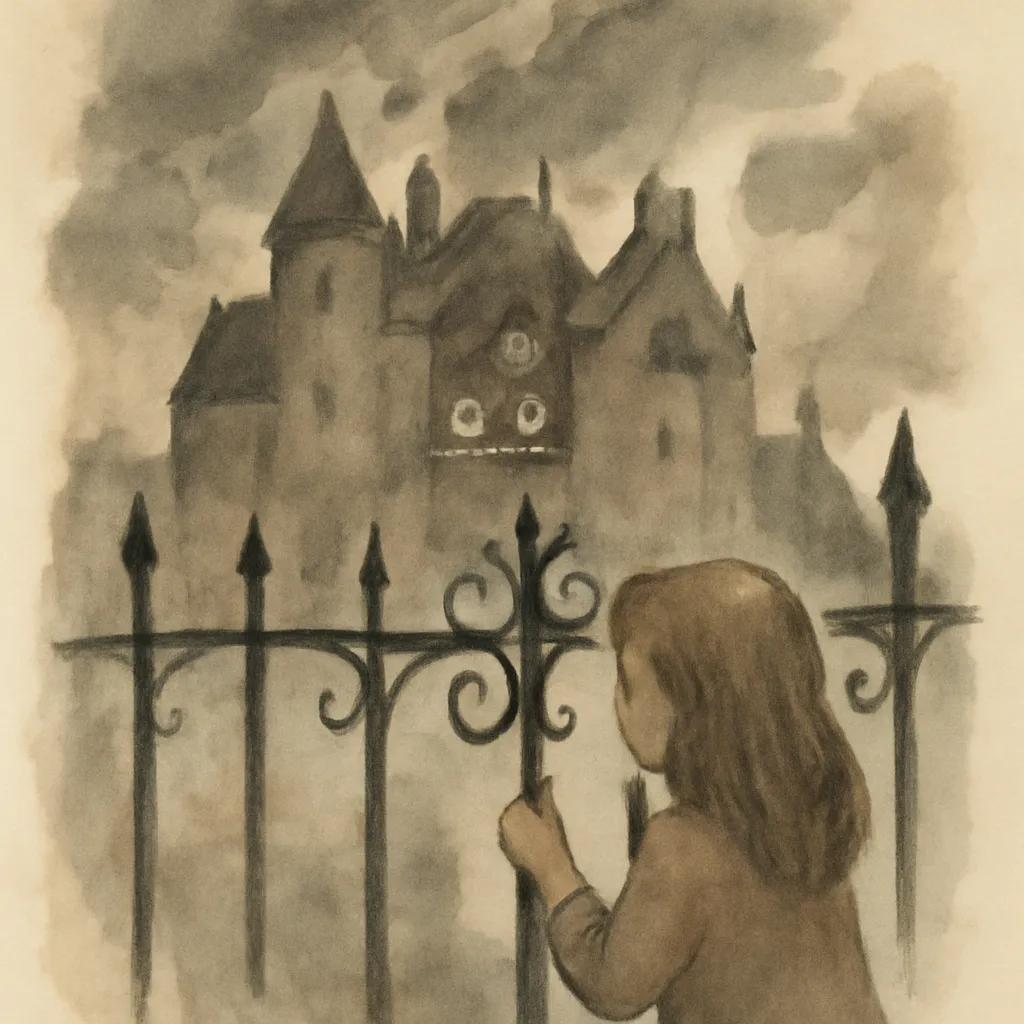
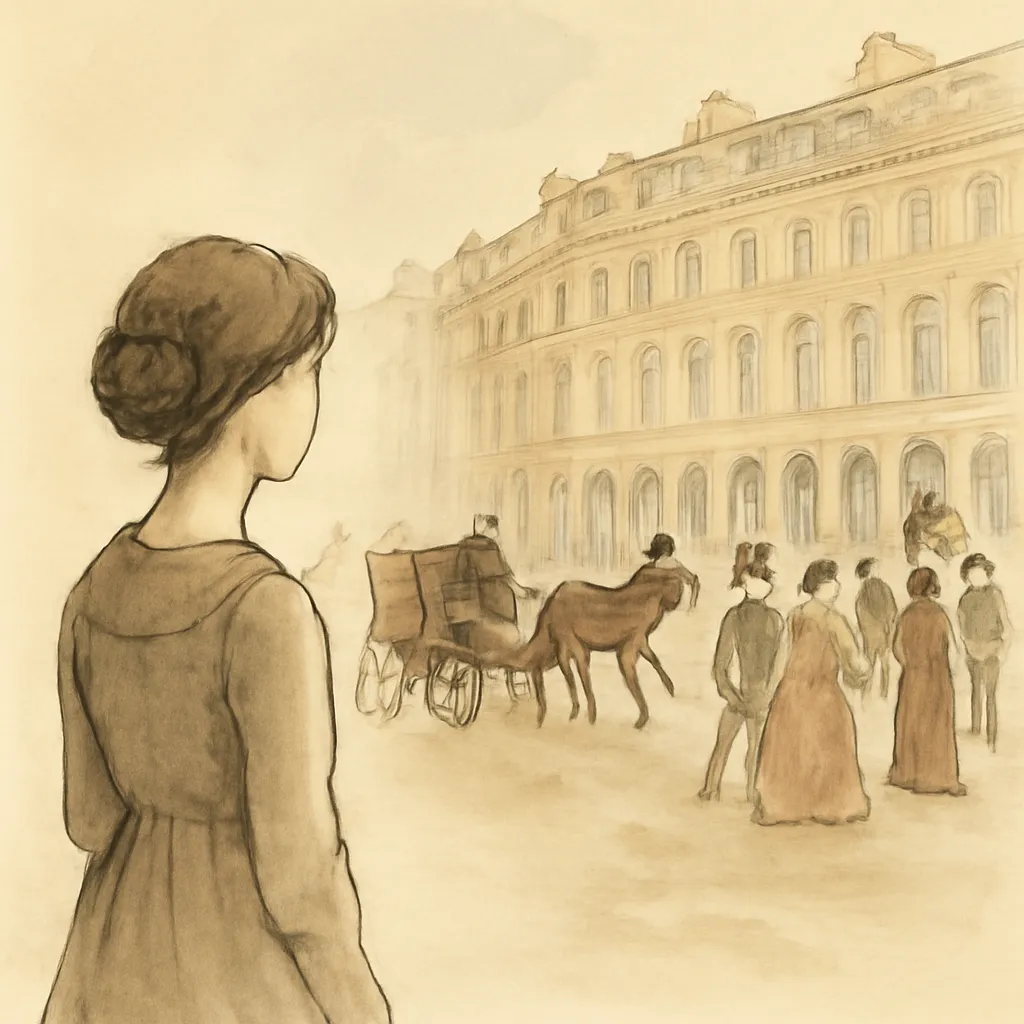
The settings of Bath and Northanger Abbey serve as vital backdrops that reflect the themes and character developments within the story. Bath, with its fashionable society and bustling atmosphere, represents the societal pressures and expectations that Catherine must navigate. The contrast between the vibrant social scene of Bath and the eerie, imposing architecture of Northanger Abbey highlights the tension between reality and fantasy. While Bath serves as a place of social exploration and personal growth, Northanger Abbey embodies the allure and dangers of romantic imagination. Austen uses these settings to emphasize the importance of environment in shaping identity and experiences, illustrating how different spaces can influence characters' perceptions and actions.








![Love and Freindship [sic] by Jane Austen — book cover](https://phjwossjnjjokynbvrst.supabase.co/storage/v1/object/public/books/covers/love-and-freindship-sic.jpg)