Fiction · Adventure
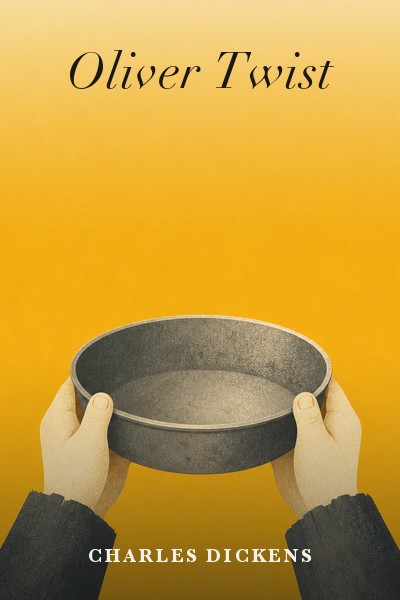
Oliver Twist by Charles Dickens — Summary, Key Ideas & Full Text
520 pages53 chapters10h 27m read7h 25m speed read✦ 8-min Big ideas★ 4.1 (83)Free · no account
Rate it
Oliver Twist reveals the harsh realities of poverty and the struggle for identity in a cruel society
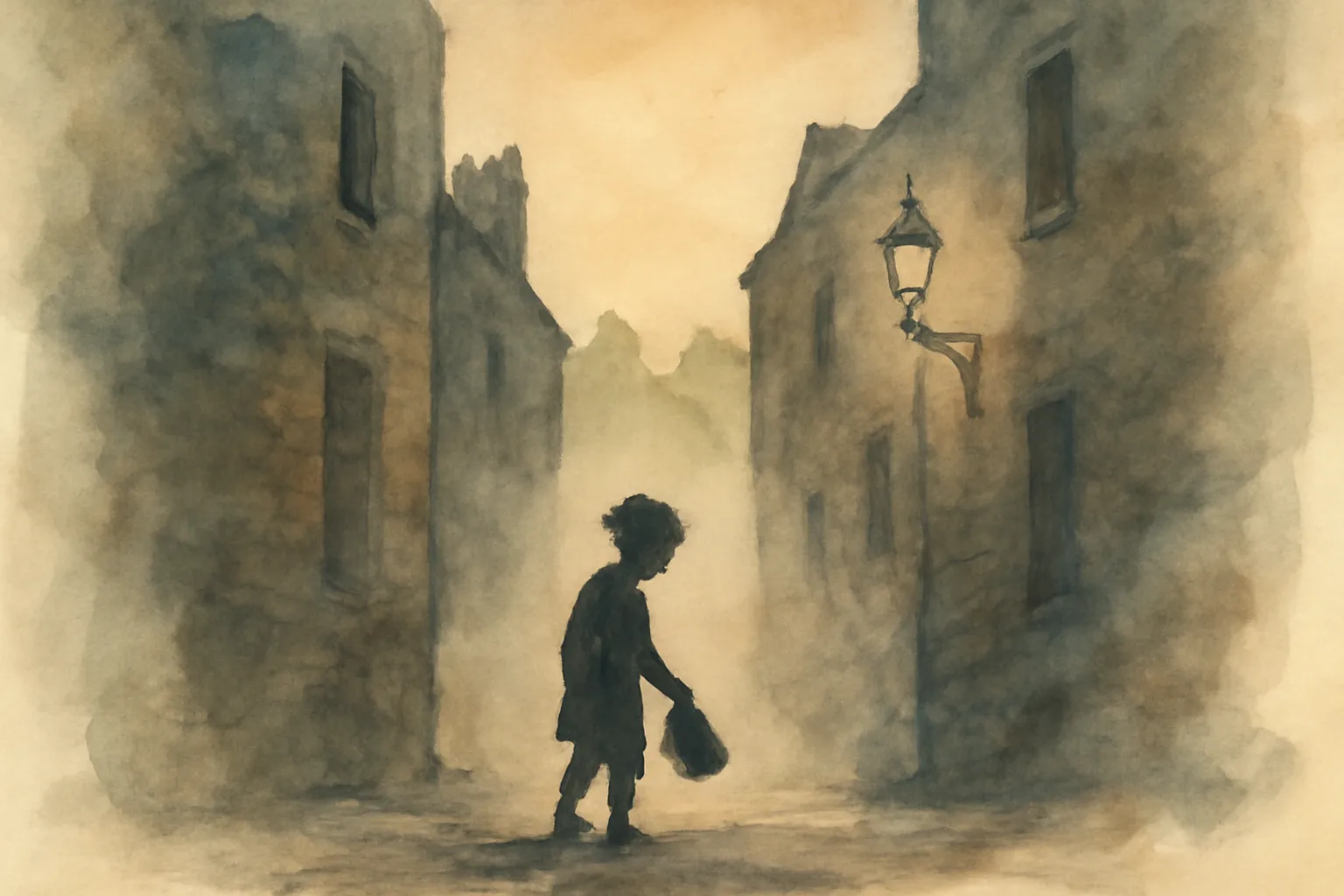
Charles Dickens' 'Oliver Twist' is a poignant exploration of the life of an orphan navigating the treacherous streets of Victorian London. Through the eyes of young Oliver, readers encounter a world rife with exploitation, moral ambiguity, and the quest for belonging. The novel not only critiques the inhumane treatment of the poor but also examines the complexities of human nature, showcasing both the kindness and cruelty that coexist in society. By following Oliver's journey from a workhouse to the underbelly of London, readers gain insight into the resilience of the human spirit and the fight against systemic oppression. This timeless tale serves as both a social commentary and a captivating narrative that resonates with themes of hope and despair.
Oliver Twist remains a timeless exploration of the human condition, delving into themes of poverty, morality, and the quest for identity. Dickens' vivid portrayal of Victorian society serves as a powerful critique of systemic injustices, reminding readers of the importance of compassion and social responsibility. Through Oliver's journey, the novel highlights the resilience of the human spirit and the potential for hope, even in the darkest of circumstances. The characters, from the benevolent Mr. Brownlow to the tragic Nancy, illustrate the complexities of human nature and the choices that define us. Ultimately, Oliver Twist is not just a tale of survival; it is a call to recognize the dignity of every individual and the transformative power of love and kindness.
Charles Dickens has 9 works free to read on Lumina, including A Christmas Carol, A Tale of Two Cities, Barnaby Rudge: A Tale of the Riots of 'Eighty