1.The Birth of Oliver Twist
Oliver's story begins in a workhouse, a setting that symbolizes neglect and despair. Born into poverty, he faces immediate challenges, including the struggle for survival as a newborn. The circumstances surrounding his birth raise questions about societal responsibility and the value placed on human life. Dickens uses this bleak beginning to highlight the systemic failures of the workhouse system, where the most vulnerable are left to fend for themselves. The indifference of the authorities sets the tone for Oliver's life, illustrating how society often fails to protect those in need.
2.Systematic Deprivation in the Workhouse
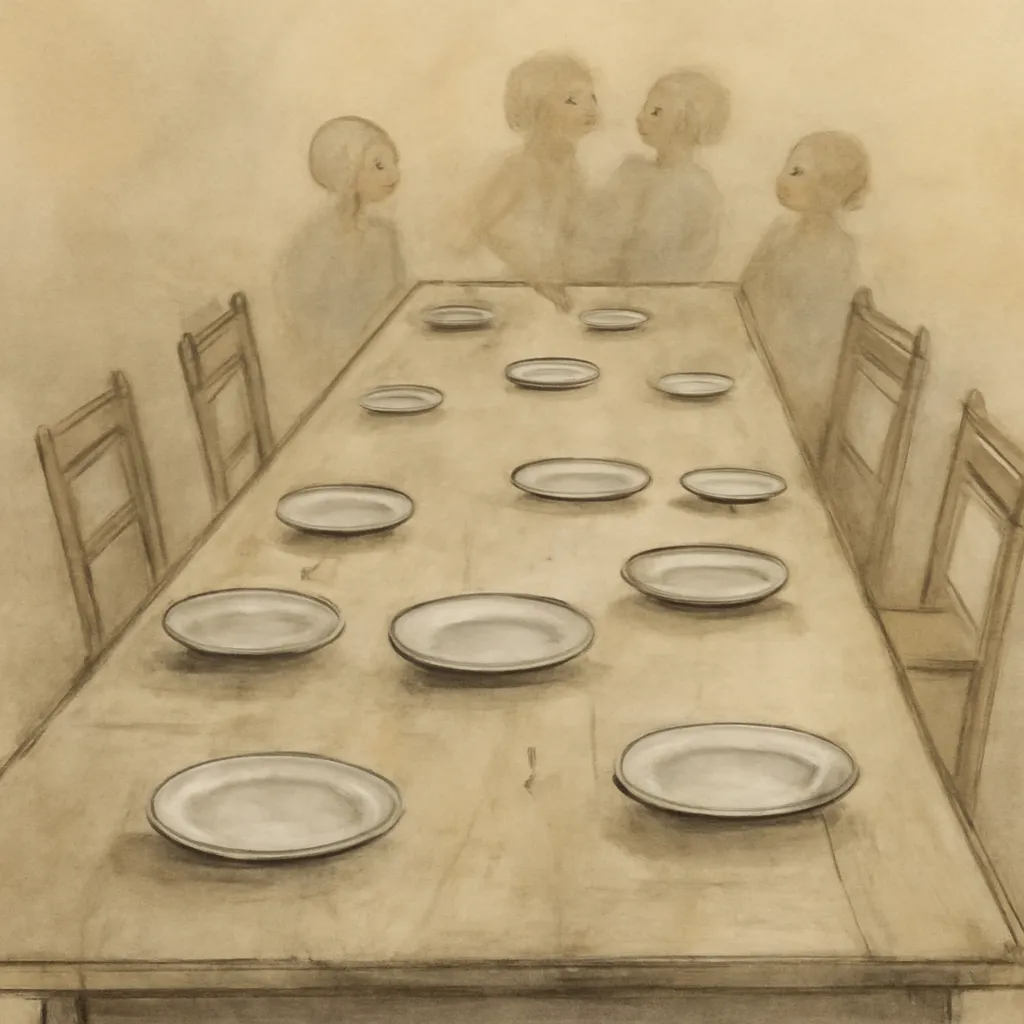
Oliver's early years are marked by systematic deprivation and mistreatment in the workhouse. The harsh realities of his upbringing are exacerbated by the neglect of those in charge, who prioritize their own interests over the well-being of the children. Dickens vividly describes the meager rations and the cold, unfeeling environment that stifles any hope for a better life. This portrayal serves as a critique of the Poor Laws and the inhumane conditions faced by orphans and the impoverished, emphasizing the urgent need for reform. Oliver's plight is a reflection of the broader social issues of the time, making his eventual rebellion against this system all the more significant.
3.The Quest for More: A Defining Moment
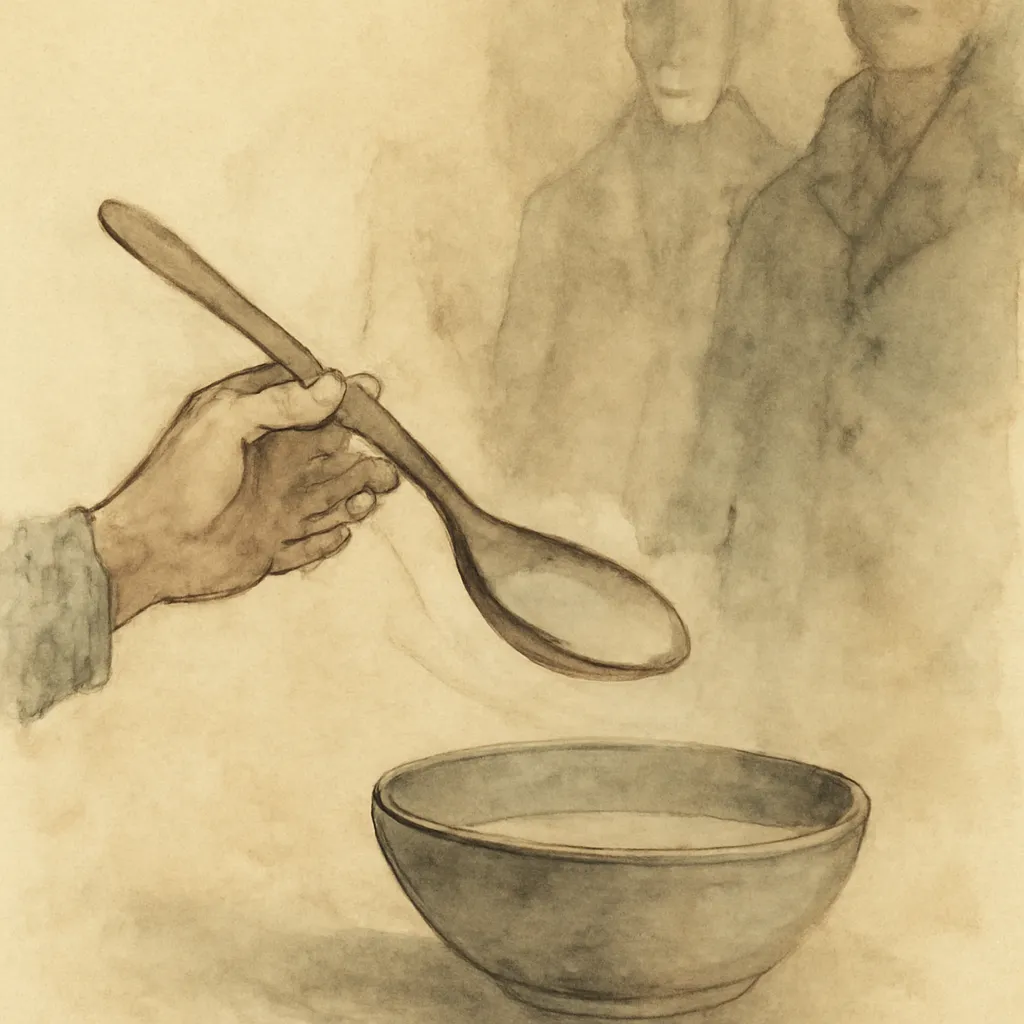
One of the pivotal moments in Oliver's life occurs when he dares to ask for 'more' food, a simple request that leads to severe consequences. This act of defiance not only highlights his desperation but also serves as a catalyst for his journey away from the workhouse. The board's reaction to his request exemplifies the cruelty of those in power, who view his hunger as a challenge to their authority. Dickens masterfully illustrates how this moment encapsulates the struggle between the oppressed and the oppressors, setting the stage for Oliver's subsequent adventures and encounters with both kindness and malice.
4.Escape to London: A New Beginning?
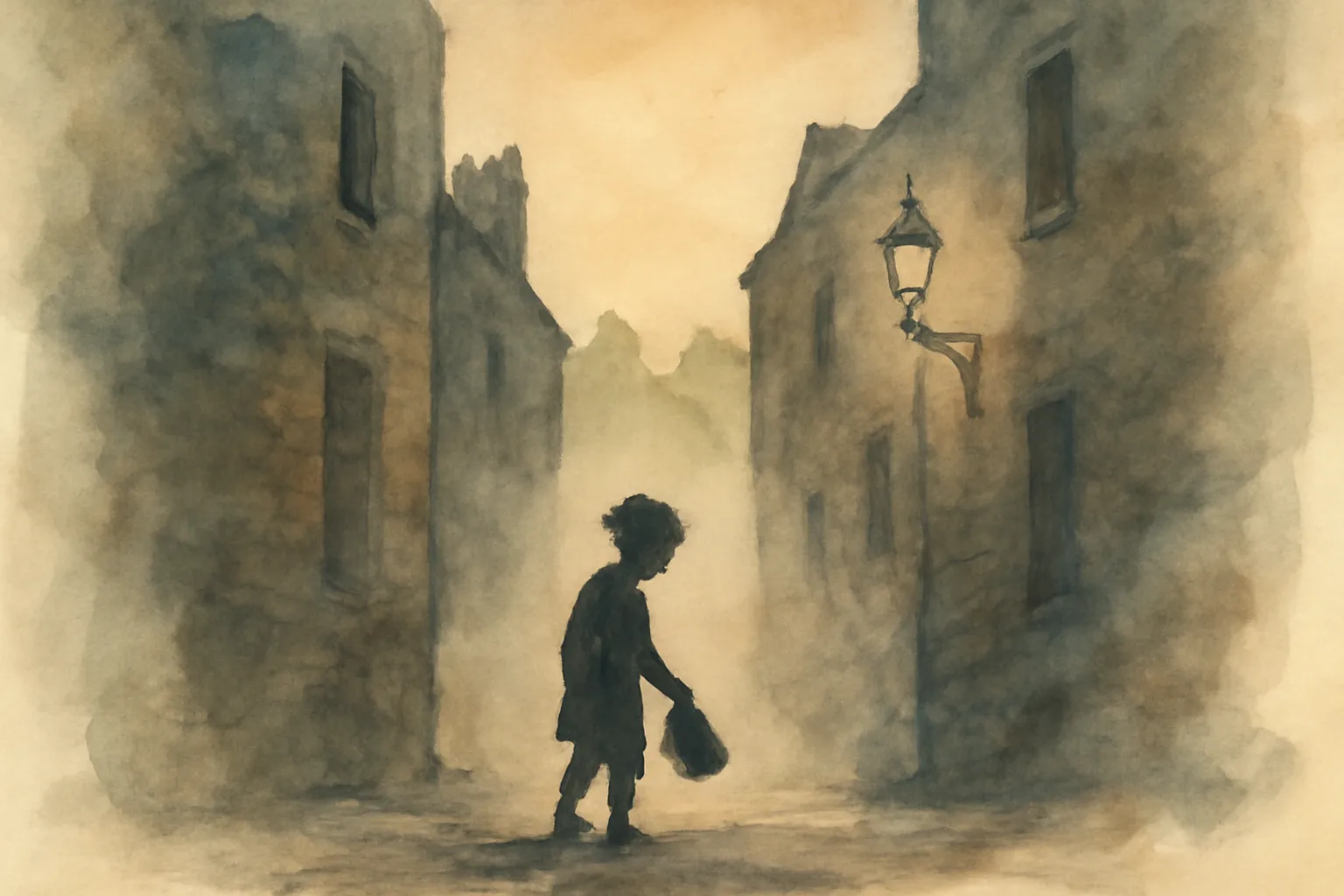
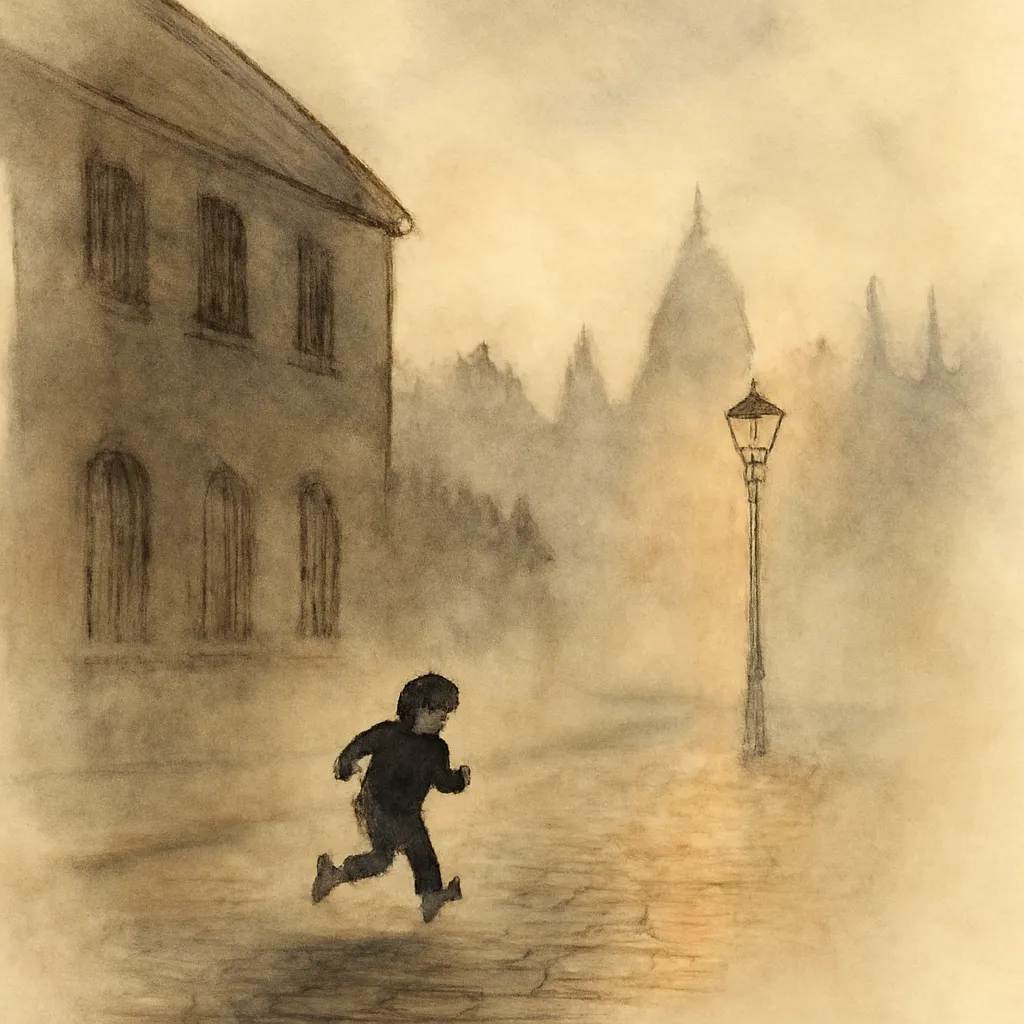
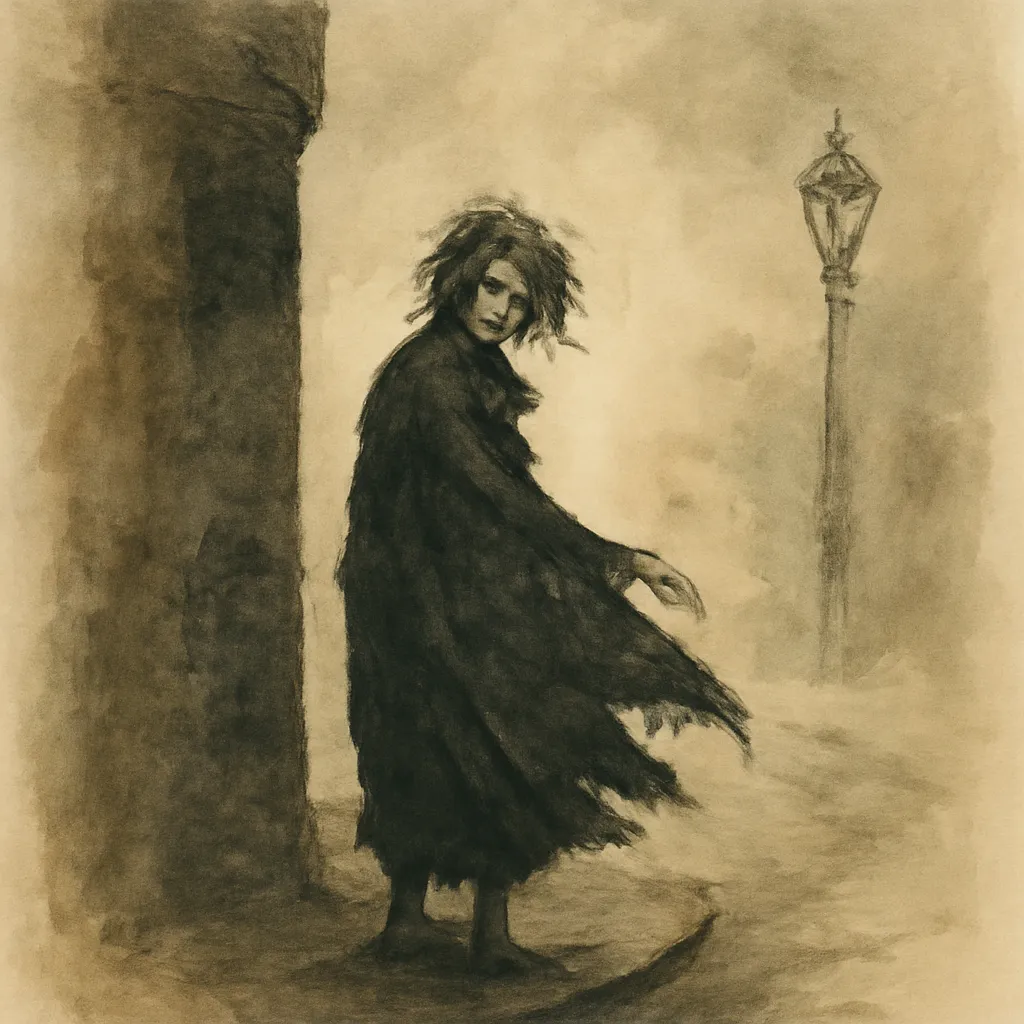
After being punished for his request, Oliver escapes to London, believing it to be a place of opportunity and freedom. This journey represents a significant turning point in his life, as he leaves behind the oppressive workhouse in search of a better existence. However, London proves to be a double-edged sword. While it offers the promise of anonymity and potential, it also exposes Oliver to the darker aspects of urban life. Dickens paints a vivid picture of the city, filled with both hope and danger, as Oliver navigates its streets with naivety and determination. His arrival in London marks the beginning of a new chapter, fraught with challenges that test his resilience.
5.Fagin and the Underworld of Crime
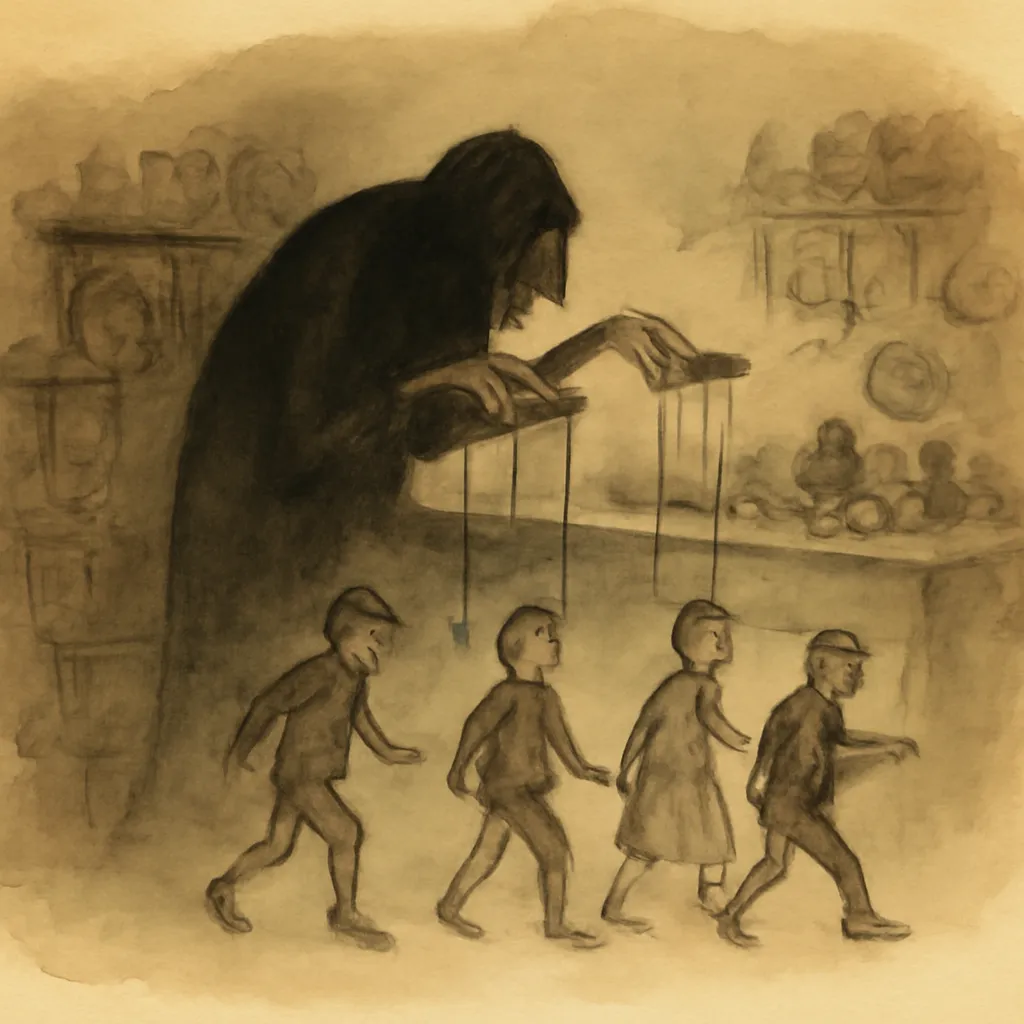
In London, Oliver encounters Fagin, a cunning and manipulative figure who leads a gang of child thieves. Fagin becomes a pivotal character in Oliver's life, introducing him to a world of crime and moral ambiguity. Dickens presents Fagin as both a villain and a product of society, showcasing the complexities of his character. While he exploits the children under his care, he also provides them with a sense of belonging that they lack elsewhere. This duality raises questions about morality and the impact of environment on individual choices. Fagin's influence on Oliver serves as a stark contrast to the orphan's inherent goodness, highlighting the struggle between right and wrong.
6.The Importance of Friendship: Dodger and Bates
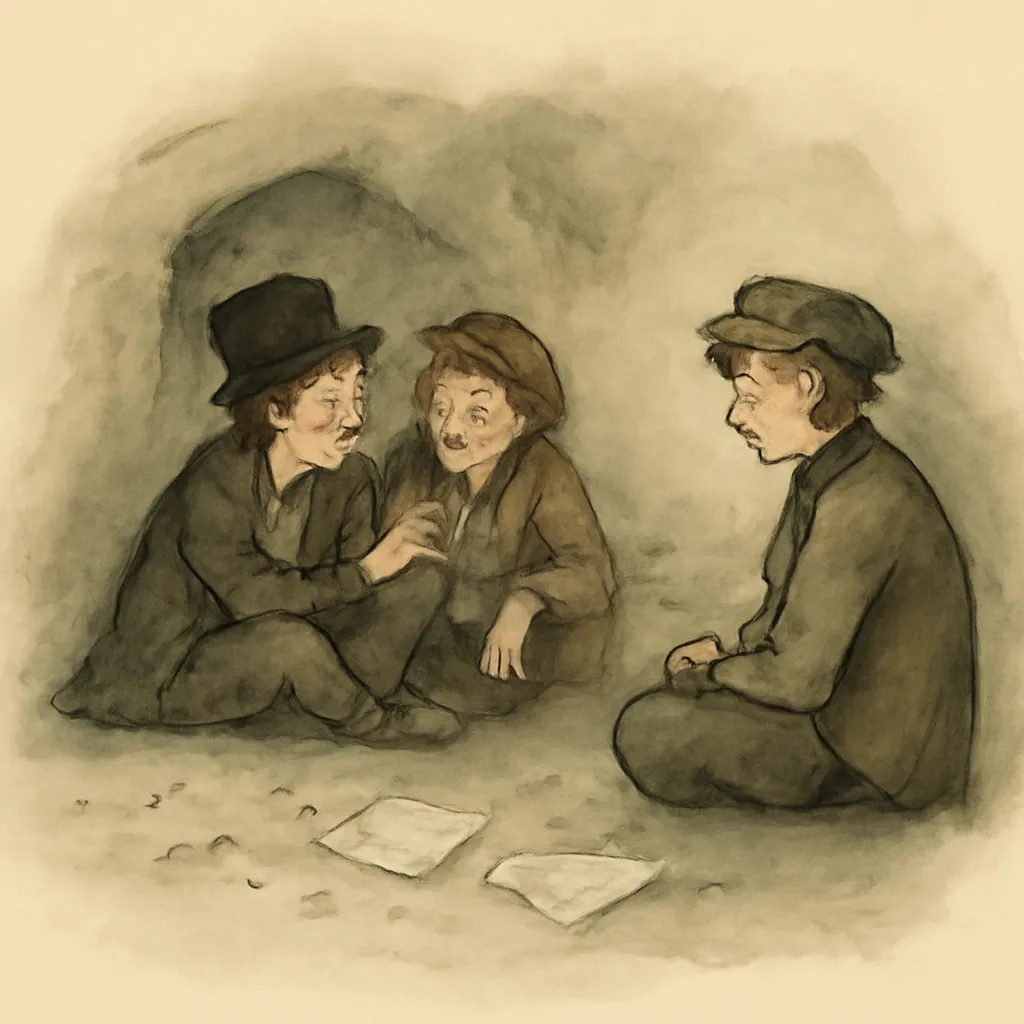
Oliver's relationship with the Artful Dodger and Charley Bates illustrates the complexities of friendship within the context of criminality. While they are involved in illegal activities, they also provide companionship and a semblance of family for Oliver. Dickens captures the camaraderie among the boys, showcasing their loyalty to one another despite their circumstances. However, this friendship is ultimately rooted in a shared life of crime, forcing Oliver to confront the moral implications of his associations. The dynamics of their relationships highlight the struggle between the desire for belonging and the pursuit of a virtuous life, as Oliver grapples with his identity amidst contrasting influences.
7.The Reality of Crime: Oliver's Arrest
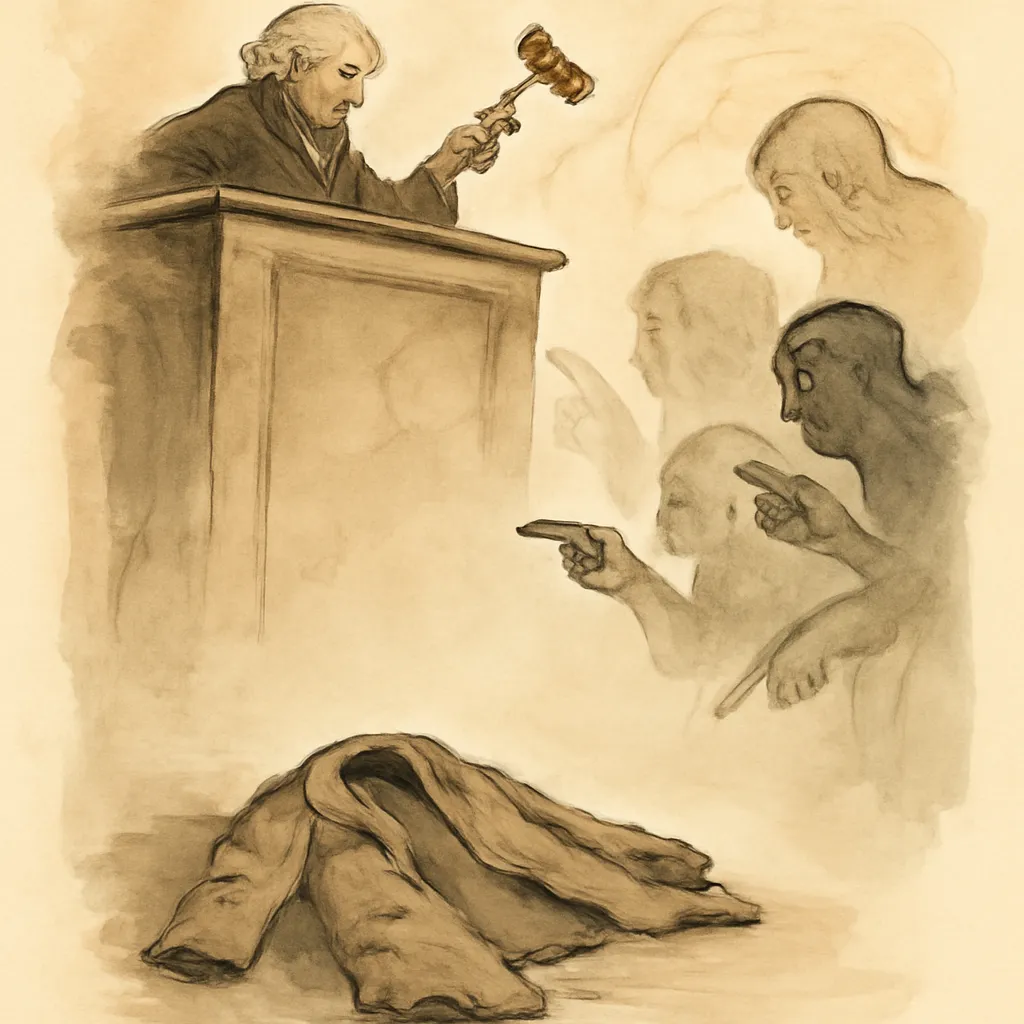
Oliver's innocence is put to the test when he is wrongfully accused of theft. His arrest serves as a harsh reminder of the societal prejudices against the poor and the criminal justice system's failure to protect the innocent. Dickens critiques the legal system, revealing its inherent flaws and the ease with which the vulnerable can be victimized. Oliver's experience in the police station and court highlights the dehumanizing treatment of the accused, regardless of their guilt or innocence. This moment underscores the novel's exploration of justice and the often arbitrary nature of societal norms, emphasizing the need for compassion and understanding.
8.Mr. Brownlow: A Beacon of Hope
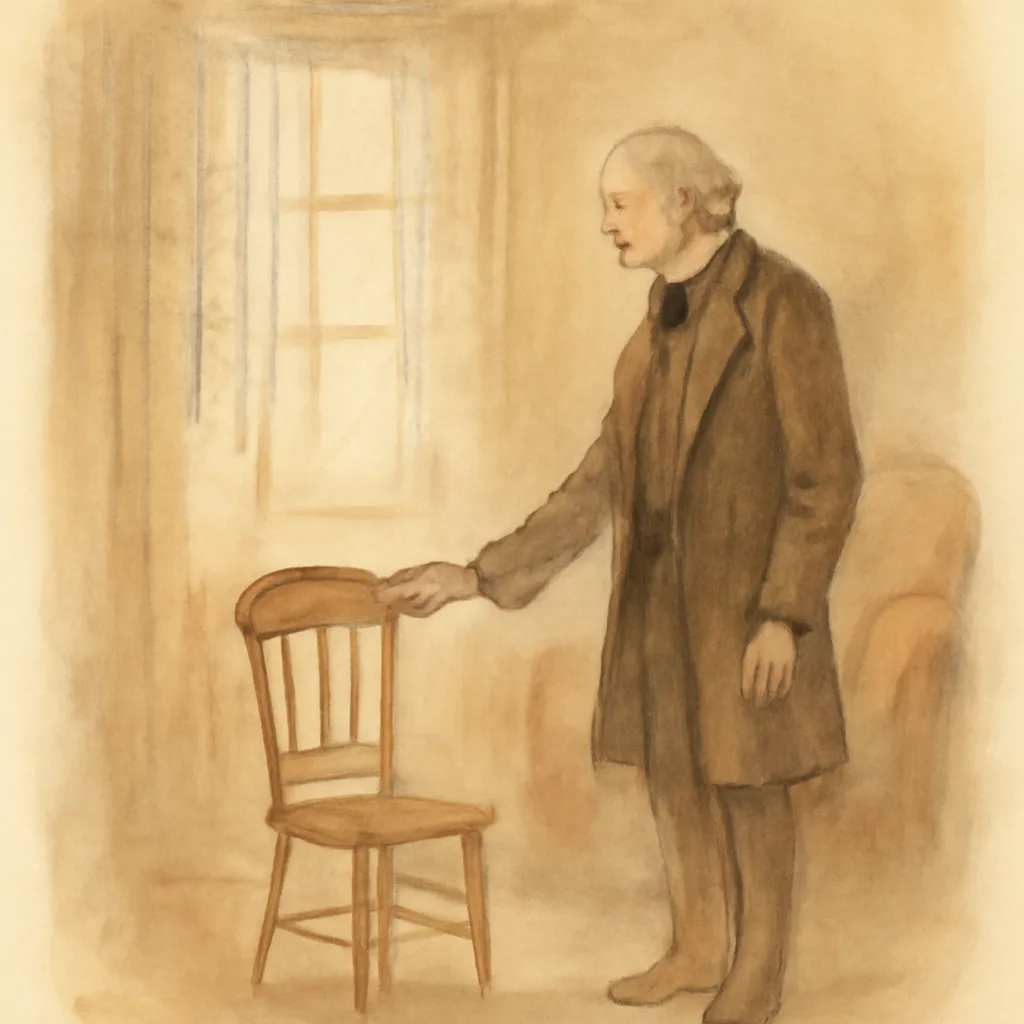
Mr. Brownlow serves as a counterpoint to the harsh realities Oliver faces, embodying the potential for kindness and redemption in a cruel world. After recognizing Oliver's innocence, Brownlow takes him in and provides the care and support he desperately needs. This relationship marks a turning point for Oliver, as he experiences genuine compassion for the first time. Dickens portrays Brownlow as a figure of moral integrity, contrasting sharply with the exploitative characters that populate Oliver's life. Through this relationship, the narrative emphasizes the importance of love, guidance, and the ability to choose kindness in the face of adversity, offering a glimmer of hope for both Oliver and the reader.
9.Nancy's Sacrifice: The Complexity of Loyalty
Nancy, a member of Fagin's gang, emerges as a complex character who grapples with her loyalty to Sikes and her compassion for Oliver. Her internal conflict highlights the theme of moral ambiguity, as she navigates the treacherous waters of her relationships. Dickens portrays Nancy as a tragic figure, caught between her desire for a better life and her entanglement in a life of crime. Her eventual decision to help Oliver escape from Sikes showcases her bravery and humanity, emphasizing the possibility of redemption even for those entrenched in wrongdoing. Nancy's sacrifice serves as a poignant reminder of the complexities of loyalty and the power of personal choice in defining one's identity.
10.The Climactic Confrontation: Sikes and Oliver
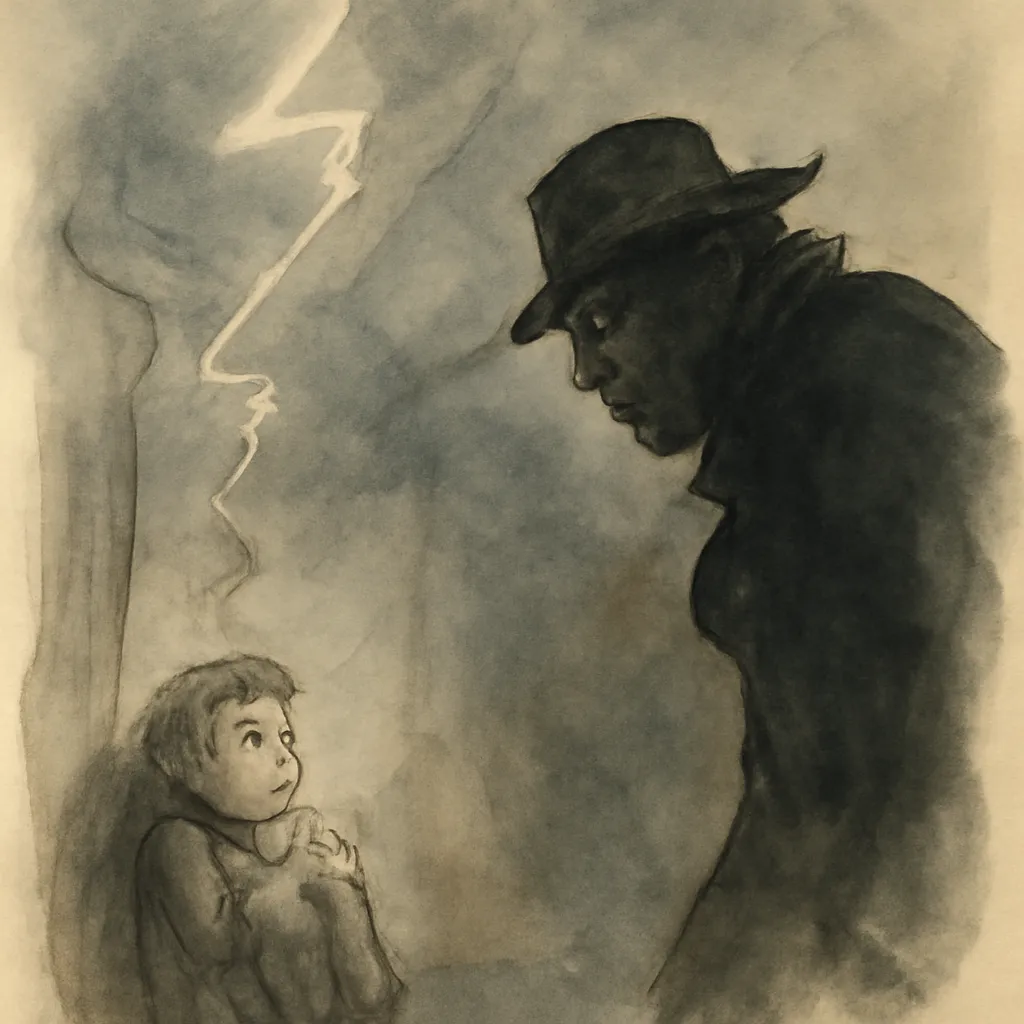
The climax of Oliver's journey culminates in a confrontational scene with the violent Sikes, showcasing the darker aspects of human nature. Sikes' brutality serves as a stark contrast to Oliver's innocence, heightening the tension between good and evil. Dickens masterfully builds suspense as Oliver finds himself in a life-threatening situation, forcing him to confront the harsh realities of his world. This confrontation not only tests Oliver's resilience but also serves as a catalyst for change, leading to Sikes' downfall and the eventual resolution of Oliver's struggles. The violent culmination of their relationship underscores the novel's exploration of the consequences of moral choices, ultimately reinforcing the notion that redemption is possible even amidst chaos.
11.A Hopeful Resolution: The Search for Family
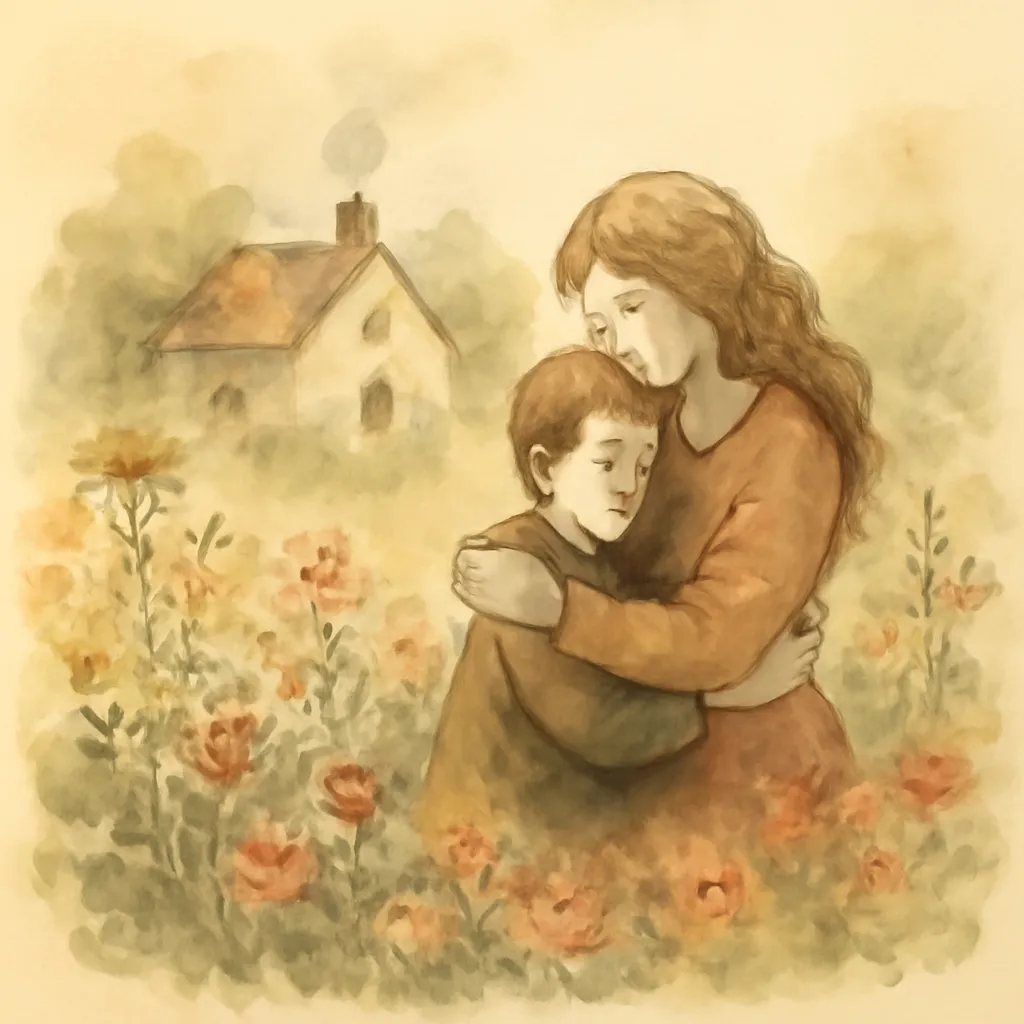
In the aftermath of his trials, Oliver is finally embraced by a loving family, symbolizing the triumph of hope over despair. Dickens concludes Oliver's journey on a note of optimism, illustrating the transformative power of love and belonging. The resolution of Oliver's story emphasizes the importance of human connection and the possibility of a brighter future, even for those who have faced unimaginable hardships. This ending serves as a powerful reminder that kindness can prevail against the backdrop of suffering, offering readers a sense of closure and hope. Oliver's journey from orphan to beloved son encapsulates the core message of the novel: that every individual, regardless of their circumstances, deserves the chance for a better life.