
Father Brown's innocent wisdom reveals the complexities of human nature and the hidden truths behind crime
Read full overviewShow less›
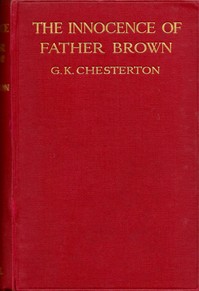
In 'The Innocence of Father Brown,' G. K. Chesterton introduces readers to a unique detective: Father Brown, a Roman Catholic priest with an extraordinary gift for understanding human nature. This collection of short stories showcases Father Brown's ability to solve mysteries not through traditional means of deduction, but through empathy and insight into the human soul. Each tale presents a different crime or moral dilemma, revealing the darker aspects of humanity, while simultaneously emphasizing the redemptive power of understanding and forgiveness. Readers will discover how Father Brown's simple yet profound observations often lead to the uncovering of the truth, challenging conventional notions of crime, guilt, and innocence.
In 'The Innocence of Father Brown,' G. K. Chesterton crafts a rich tapestry of human experience through the lens of crime and morality. The stories challenge readers to reconsider their assumptions about good and evil, emphasizing the importance of empathy, understanding, and community. Father Brown's unique approach to solving mysteries invites us to reflect on our own values and the complexities of human nature. Ultimately, the collection serves as a timeless reminder of the redemptive power of compassion and the belief that even in a world filled with darkness, innocence can shine a light on the truth.
Ratings at a glance
- 1The Power of Innocence
- 2Empathy as a Tool for Investigation
- 3The Nature of Evil
- 4The Role of Faith and Redemption
- 5The Importance of Observation
Notable quotes
“Good God! the man is looking for proof! Why, of course, the chances are twenty to one that it has nothing to do with them.”
“As you wouldn’t leave any tracks for the police, of course somebody had to.”
“It was done so as to make you assume exactly the one simple falsehood that you did assume.”
A glimpse inside

Father Brown epitomizes the concept of innocence in a world rife with deceit and moral complexity. Unlike typical detectives who rely on logic and deduction, he approache… Read moreFather Brown epitomizes the concept of innocence in a world rife with deceit and moral complexity. Unlike typical detectives who rely on logic and deduction, he approaches crime with compassion, understanding that the motives behind actions are often rooted in deeper human emotions. His innocence allows him to see through the facades that others present, leading him to insights that are often overlooked. In one story, his interaction with a suspected murderer reveals the man’s deep inner turmoil and regrets, suggesting that his actions were driven by desperation rather than pure malice. This perspective challenges readers to reconsider their views on justice and morality, suggesting that understanding the human condition is essential in addressing wrongdoing. Father Brown's innocence serves as a counterbalance to the cynicism of the world around him. Show less
Father Brown's empathetic nature is a cornerstone of his investigative style. He listens to the confessions and stories of those involved, allowing him to grasp the emoti… Read moreFather Brown's empathetic nature is a cornerstone of his investigative style. He listens to the confessions and stories of those involved, allowing him to grasp the emotional undercurrents that drive human behavior. In several instances, his ability to empathize with both the victim and the perpetrator leads him to the truth. For example, when confronted with a murder that appears senseless, he often uncovers a tangled web of relationships and emotions that paint a fuller picture of the crime. This emphasis on empathy not only aids in solving mysteries but also serves as a reminder of the importance of compassion in our own lives, especially when facing moral dilemmas. By inserting himself into the emotional landscape of each situation, Father Brown can provide clarity where others see only confusion. Show less
Read the full text — free
About the author
G. K. Chesterton has 5 works free to read on Lumina, including The Ballad of the White Horse, The Man Who Was Thursday: A Nightmare, The secret of Father Brown