1.The Power of Innocence
Father Brown epitomizes the concept of innocence in a world rife with deceit and moral complexity. Unlike typical detectives who rely on logic and deduction, he approaches crime with compassion, understanding that the motives behind actions are often rooted in deeper human emotions. His innocence allows him to see through the facades that others present, leading him to insights that are often overlooked. In one story, his interaction with a suspected murderer reveals the man’s deep inner turmoil and regrets, suggesting that his actions were driven by desperation rather than pure malice. This perspective challenges readers to reconsider their views on justice and morality, suggesting that understanding the human condition is essential in addressing wrongdoing. Father Brown's innocence serves as a counterbalance to the cynicism of the world around him.
2.Empathy as a Tool for Investigation
Father Brown's empathetic nature is a cornerstone of his investigative style. He listens to the confessions and stories of those involved, allowing him to grasp the emotional undercurrents that drive human behavior. In several instances, his ability to empathize with both the victim and the perpetrator leads him to the truth. For example, when confronted with a murder that appears senseless, he often uncovers a tangled web of relationships and emotions that paint a fuller picture of the crime. This emphasis on empathy not only aids in solving mysteries but also serves as a reminder of the importance of compassion in our own lives, especially when facing moral dilemmas. By inserting himself into the emotional landscape of each situation, Father Brown can provide clarity where others see only confusion.
3.The Nature of Evil
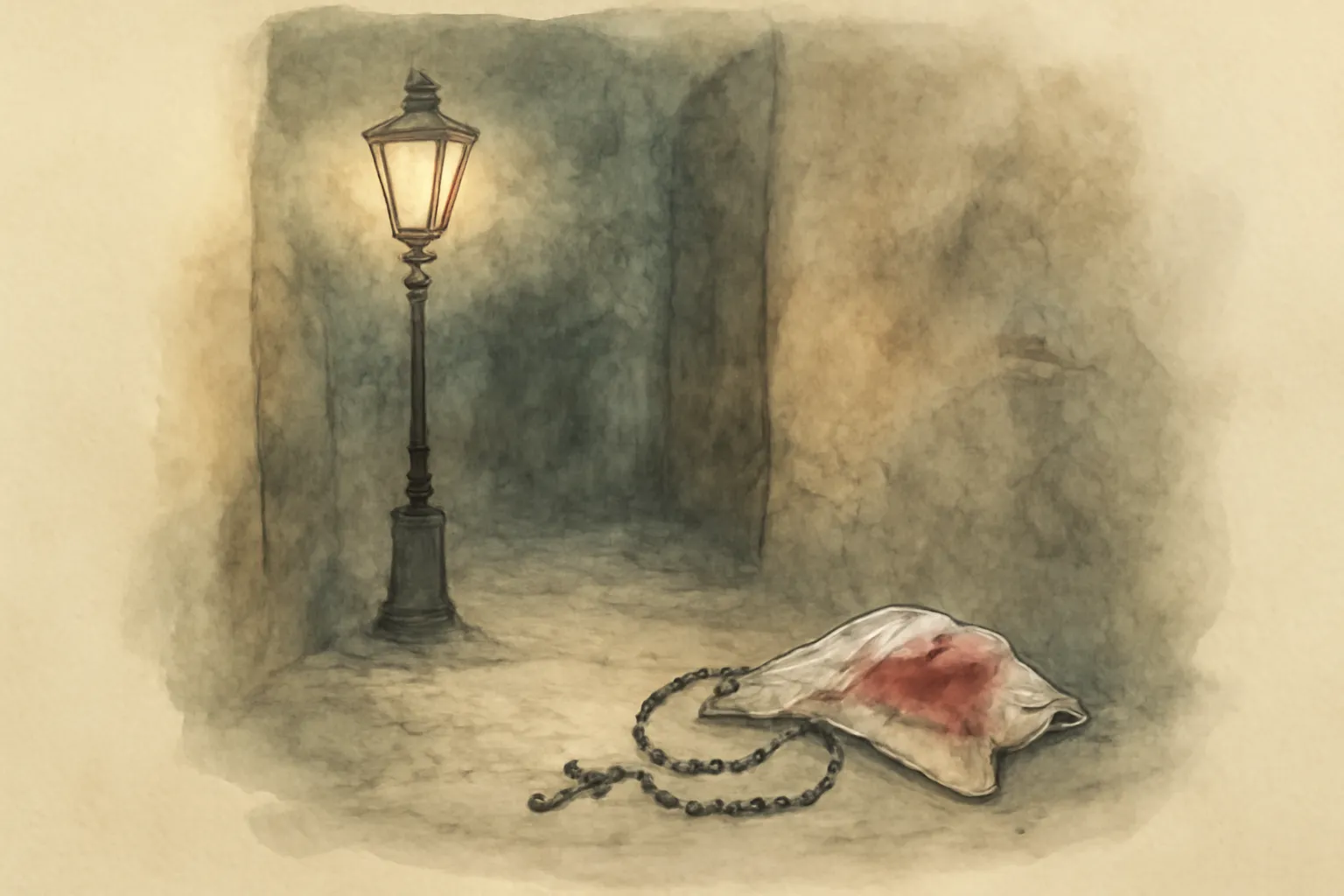
Chesterton explores the nature of evil through the various characters and situations that Father Brown encounters. Rather than presenting evil as an abstract concept, the stories delve into the motivations and circumstances that lead individuals to commit acts that society deems immoral. Father Brown recognizes that even the most heinous acts can arise from a place of vulnerability or fear. In several stories, he articulates that crime does not exist in a vacuum; it is often a reflection of societal failings or personal despair. For example, through one character's story of betrayal and loss, readers are invited to see how grief can push someone to commit acts they would never normally consider. This nuanced portrayal encourages readers to reflect on their own definitions of good and evil, suggesting that the line between the two is often blurred, making understanding and compassion paramount.
4.The Role of Faith and Redemption
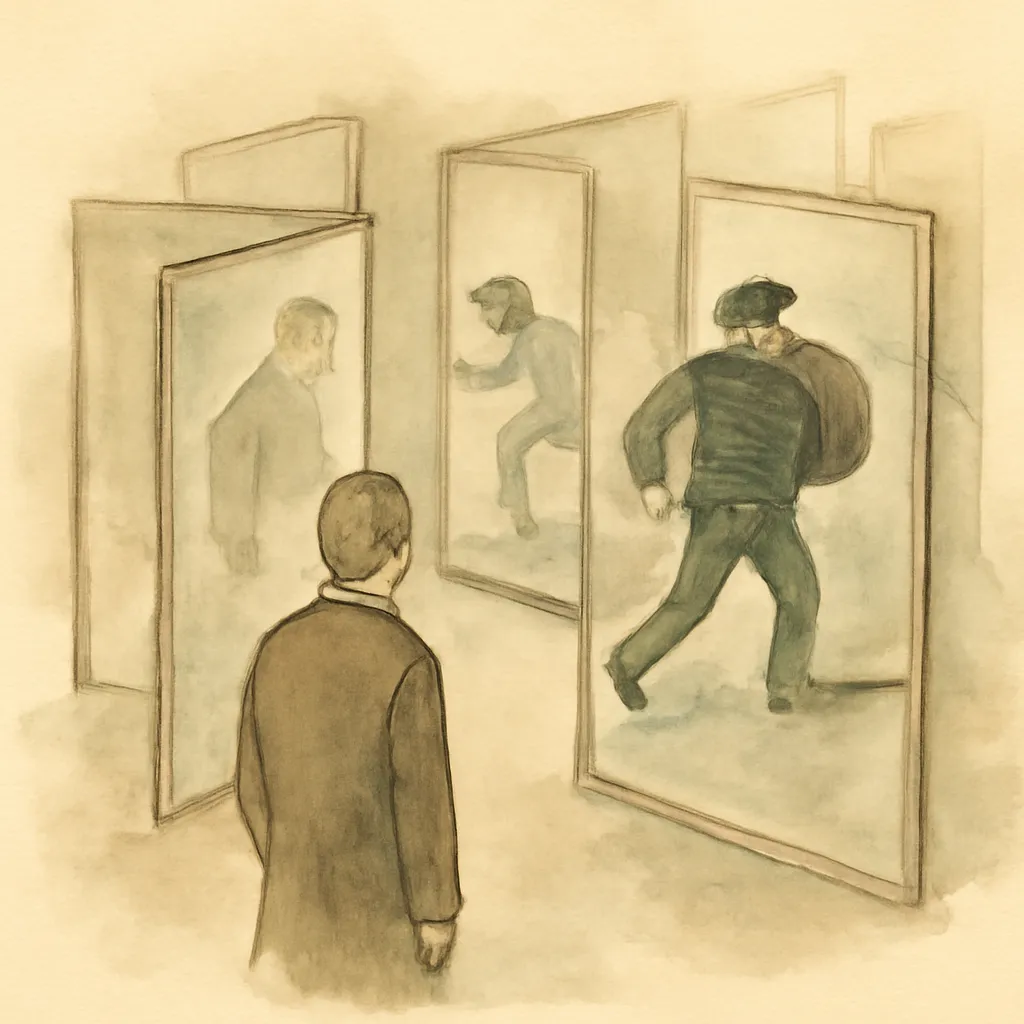
Faith plays a significant role in Father Brown's character and his approach to solving crimes. His belief in the possibility of redemption influences how he interacts with criminals, often treating them with a sense of dignity and respect rather than judgment. In one story, when a thief is caught, rather than condemning him, Father Brown seeks to understand the circumstances that led to his actions. This approach not only aids in the investigation but also opens the door for the possibility of redemption for the wrongdoer. Chesterton's exploration of faith and redemption serves to highlight the transformative power of forgiveness and understanding, emphasizing that everyone is capable of change. This theme is particularly poignant in Father Brown's interactions with those who feel trapped by their past, suggesting that recognition of one’s sins is the first step toward redemption.
5.The Importance of Observation
Father Brown's keen observational skills are central to his success as a detective. He notices details that others might dismiss, often leading him to crucial insights about the crime. His ability to observe human behavior, body language, and even seemingly trivial details allows him to piece together the puzzle of each case. For example, in one tale, a broken window becomes a vital clue that reveals the true nature of the crime, leading him to understand the emotional motivations behind the act. This focus on observation underscores the idea that the truth often lies in the details and encourages readers to cultivate their own powers of observation in everyday life. Chesterton illustrates that being attuned to one’s surroundings can reveal profound truths, making the ordinary extraordinary.
6.Challenging Conventional Wisdom
Chesterton uses Father Brown to challenge conventional wisdom about crime and justice. The stories often subvert readers' expectations, presenting twists that reveal deeper truths about human nature. For instance, a seemingly straightforward case of theft may unfold into a complex moral quandary, forcing characters and readers alike to grapple with their assumptions. In one narrative, the apparent villain is revealed to be acting out of desperation to save someone he loves, thereby transforming the audience's understanding of villainy. This technique not only keeps readers engaged but also encourages critical thinking about the nature of justice and the societal norms surrounding crime. By challenging conventional narratives, Chesterton invites readers to explore alternative perspectives on morality and human behavior, fostering a more nuanced understanding of the world.
7.The Role of Community
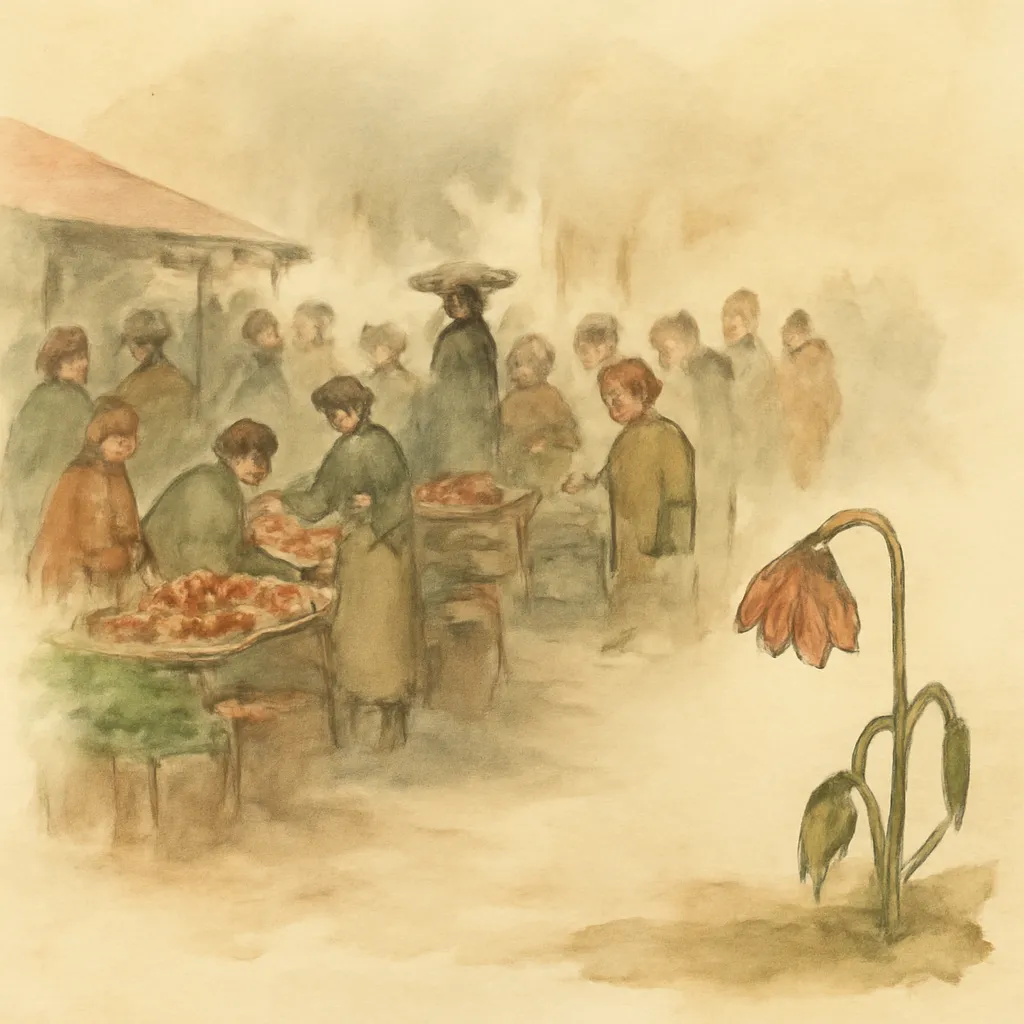
Community plays a vital role in the stories of Father Brown, as many of the crimes he encounters are deeply intertwined with the lives of those around him. The dynamics within a community often provide the backdrop for the unfolding drama, illustrating how relationships can both foster and hinder moral behavior. Father Brown's interactions with the community reveal the importance of connection and understanding in addressing issues of crime and morality. In one story, the priest’s ability to navigate the complexities of community dynamics leads to a resolution that benefits everyone involved, emphasizing the idea that collective understanding can lead to healing and restoration. Chesterton demonstrates how communities can be sources of both solace and conflict, urging readers to appreciate the interconnectedness of human experiences.
8.The Duality of Human Nature
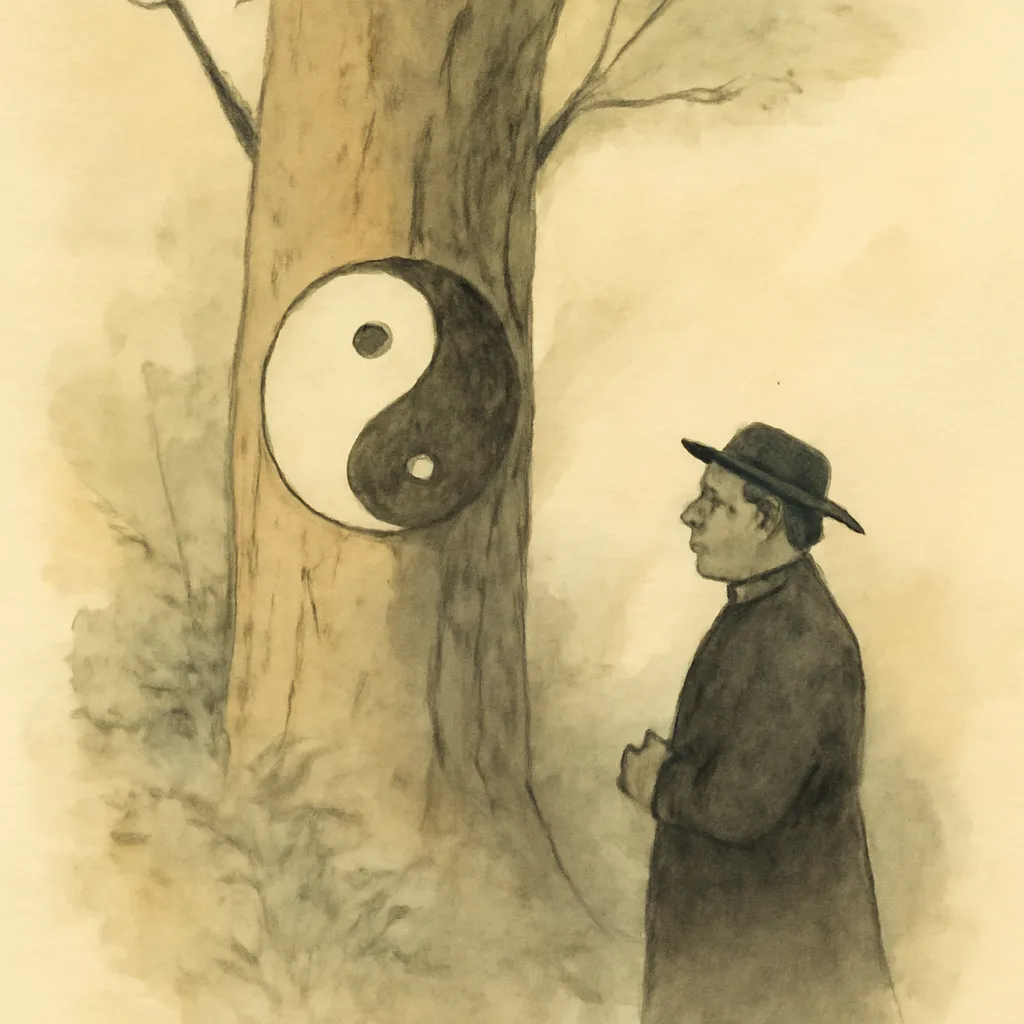
Chesterton's stories frequently explore the duality of human nature, suggesting that every individual harbors both light and darkness within them. Father Brown's encounters with criminals reveal that even those who commit heinous acts are capable of love, regret, and redemption. This exploration of duality challenges readers to confront their own complexities, recognizing that they too possess the capacity for both good and evil. In one tale, a character’s struggle with temptation is illustrated, showcasing how close the line can be between virtue and vice. By illustrating the multifaceted nature of humanity, Chesterton encourages a more compassionate understanding of others, fostering a sense of empathy for those who struggle with their darker impulses. This duality is not just a narrative device; it serves as a profound commentary on the human condition.
9.The Significance of Mystery
The very essence of the stories revolves around mystery, not just in the sense of solving a crime but in the broader context of life's uncertainties. Father Brown's investigations reveal that many aspects of life remain enigmatic, and that understanding often comes from grappling with these mysteries rather than seeking definitive answers. This perspective invites readers to embrace the unknown, recognizing that life's complexities often hold valuable lessons. In one story, the priest reflects on the nature of truth and the often subjective experiences that shape it. By presenting mystery as a vital part of the human experience, Chesterton encourages a sense of wonder and curiosity that transcends the boundaries of the stories themselves, suggesting that mysteries can lead to deeper self-discovery.
10.The Influence of Culture and Society
Chesterton weaves cultural and societal influences into the fabric of each story, demonstrating how they shape individual behavior and moral choices. The characters in Father Brown's world are often products of their environments, and their actions reflect the values and norms of their societies. This exploration prompts readers to consider how cultural contexts can impact notions of right and wrong, suggesting that morality is not a one-size-fits-all concept. For example, in one story, a character’s actions are framed against the backdrop of societal expectations, revealing how those pressures can lead to moral compromises. By examining the interplay between culture and crime, Chesterton enriches the narrative, offering insights into the complexities of human behavior within various social frameworks. This understanding serves as a reminder of the importance of contextualizing actions within their cultural and societal settings.