Philosophy · Adventure · Fiction
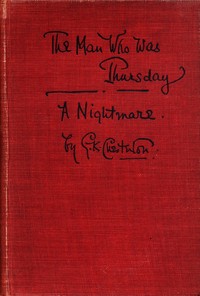
The Man Who Was Thursday: A Nightmare by G. K. Chesterton — Summary, Key Ideas & Full Text
193 pages16 chapters3h 52m read2h 45m speed read✦ 9-min Big ideas★ 3.5 (29)Free · no account
Rate it
A gripping blend of philosophical inquiry and thrilling adventure that explores the nature of order and chaos in a world of anarchists and detectives
In 'The Man Who Was Thursday: A Nightmare,' G. K. Chesterton weaves a tale that transcends the conventions of the detective genre, offering readers not just suspense and excitement but also profound reflections on society, morality, and the human condition. Through the eyes of Gabriel Syme, a poet turned detective, the narrative plunges into a surreal and chaotic world where anarchists plot to overthrow civilization, only to reveal deeper truths about existence and identity. As Syme infiltrates a secret council of anarchists, the story escalates into a whirlwind of philosophical debates and absurd encounters that challenge the very nature of authority and freedom. Ultimately, this novel invites readers to question the fabric of reality, the essence of good and evil, and the unpredictable twists of fate that govern our lives.
G. K. Chesterton's 'The Man Who Was Thursday' is a masterful exploration of the complexities of human nature, the absurdity of ideologies, and the unpredictable nature of reality. Through its rich characters and philosophical inquiries, the novel challenges readers to reflect on their own beliefs and the societal structures that govern their lives. Chesterton's blend of adventure, humor, and profound insights invites us to question the balance between order and chaos, the nature of evil, and the power of imagination in shaping our understanding of the world. Ultimately, this narrative serves as a timeless reminder of the intricate dance between freedom and responsibility, urging us to seek meaning in the chaos of existence.
“You are not asleep, I assure you,” said Gregory. “You are, on the contrary, close to the most actual and rousing moment of your existence.”
“I don’t believe in immortality,” he said at last, “but if, after all this, you were to break your word, God would make a hell only for you, to howl in for ever.”
“You don’t look as if it were,” said Syme; “you drink it as if it were medicine.”
G. K. Chesterton has 5 works free to read on Lumina, including The Ballad of the White Horse, The innocence of Father Brown, The secret of Father Brown